
How to Build Wealth in 2026: Proven Investment Strategies Smart Americans Are Using Right Now is no longer just a trending question—it has become a financial necessity as market volatility, policy shifts, and rising living costs reshape how Americans grow money. In 2026, building wealth is not about luck or timing the market perfectly; it’s about understanding real data, adapting to economic changes, and applying strategies that consistently work over time.
With US markets experiencing fluctuations due to trade tensions, Federal Reserve uncertainty, and sector-specific disruptions like EV production slowdowns, investors are becoming smarter, more disciplined, and more diversified than ever before. This guide breaks down exactly what top-performing investors are doing right now—and how you can apply those same strategies to build long-term wealth.
Understanding the 2026 Economic Landscape Before You Invest
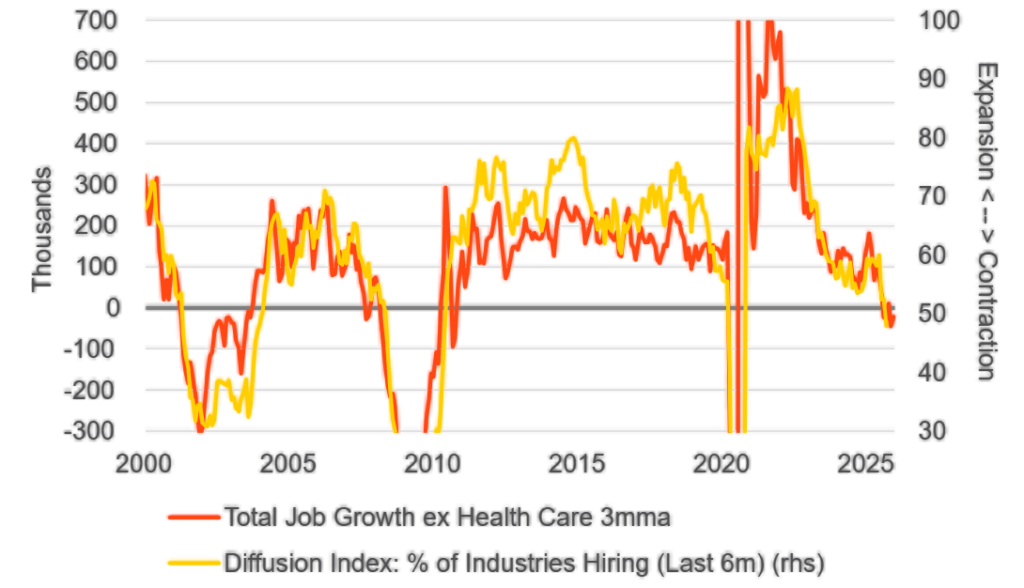
The foundation of building wealth in 2026 starts with understanding the current economic environment. The US economy is navigating a complex mix of moderate inflation, high interest rates compared to previous years, and geopolitical trade tensions. These factors directly influence stock performance, real estate trends, and even savings returns.
Recent market data shows that inflation remains above the Federal Reserve’s long-term target of 2%, although it has cooled compared to its peak. Interest rates have stayed elevated, making borrowing more expensive but also increasing returns on savings instruments like Treasury bonds and high-yield savings accounts.
At the same time, global trade friction—particularly involving tariffs and energy agreements—has created uncertainty in sectors like manufacturing and automotive. For example, disruptions in EV production by major US automakers have signaled a temporary slowdown in one of the fastest-growing industries. Smart investors are not ignoring these signals—they are adjusting portfolios accordingly.
How to Build Wealth in 2026: Why Smart Investors Are Diversifying More Than Ever
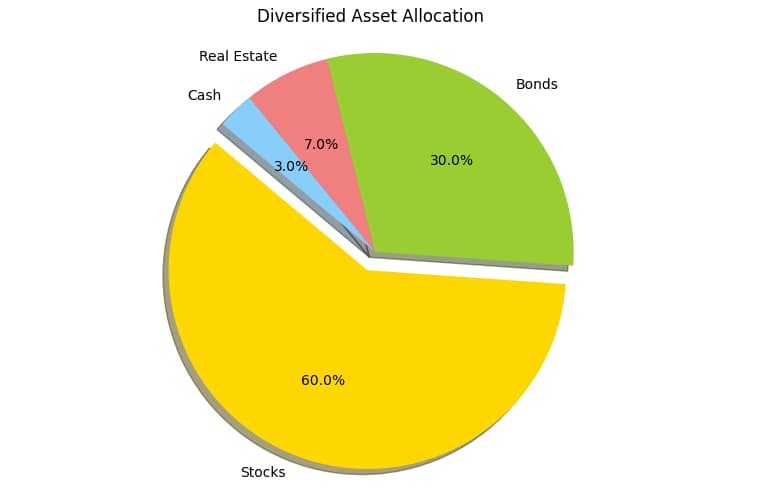
One of the biggest shifts in 2026 is how investors are diversifying their portfolios. Gone are the days when putting most of your money into a single sector like tech was enough. Today’s top investors are spreading risk across multiple asset classes to protect against volatility.
Diversification now includes a mix of stocks, bonds, real estate, commodities, and even alternative investments. For example, while tech stocks remain strong due to AI innovation, energy stocks are gaining attention due to global supply constraints and rising demand. At the same time, dividend-paying stocks are becoming attractive again because they provide steady income during uncertain market periods.
Here’s a simplified breakdown of how many smart investors are structuring portfolios in 2026:
| Asset Class | Purpose | 2026 Trend |
|---|---|---|
| US Stocks | Growth & capital appreciation | Moderate growth with volatility |
| Bonds | Stability & income | Rising demand due to high yields |
| Real Estate | Inflation hedge | Slower growth but steady income |
| Commodities | Protection against inflation | Increasing interest |
| Cash/Savings | Liquidity & safety | Higher returns than previous years |
Diversification is not just about spreading money—it’s about strategic allocation based on real economic signals.
The Rise of AI, Energy, and Defensive Stocks in 2026
Another key strategy shaping wealth-building in 2026 is sector rotation. Smart investors are moving capital into industries that are expected to perform well under current economic conditions.
Artificial intelligence continues to dominate as one of the most promising sectors. Companies investing in automation, robotics, and data infrastructure are seeing strong revenue growth. At the same time, energy stocks—especially those linked to oil, gas, and renewable transitions—are gaining momentum due to global demand and supply uncertainties.
Defensive stocks are also making a comeback. These include sectors like healthcare, consumer staples, and utilities—industries that perform consistently regardless of economic cycles. When markets become unpredictable, investors often shift money into these safer options to protect their portfolios.
This strategic rotation allows investors to stay ahead of market trends rather than reacting too late.
Building Multiple Income Streams for Long-Term Wealth
One of the most powerful wealth-building strategies in 2026 is creating multiple income streams. Relying solely on a salary is no longer considered a secure path to financial independence. Instead, Americans are focusing on generating income from various sources.
Passive income is a major focus area. This includes dividends from stocks, rental income from real estate, interest from bonds, and even digital income streams like online businesses or content monetization. The goal is to create a system where money continues to grow even when you are not actively working.
For example, dividend-paying stocks in sectors like energy and finance are offering yields that are significantly higher than traditional savings accounts. At the same time, real estate investments—especially rental properties—are providing consistent monthly income despite slower price appreciation.
Building multiple income streams not only accelerates wealth growth but also provides financial security during economic downturns.
Risk Management: The Strategy That Separates Winners from Losers
While many people focus on returns, smart investors in 2026 prioritize risk management. Protecting your capital is just as important as growing it.
One key approach is maintaining a balanced portfolio that includes both growth and defensive assets. Another strategy is setting clear investment goals and avoiding emotional decision-making during market swings. Panic selling during downturns or chasing hype-driven stocks often leads to losses.
Investors are also paying closer attention to global events, Federal Reserve policy changes, and corporate earnings reports. These factors provide valuable insights into where the market is heading and help in making informed decisions.
A simple but effective rule many investors follow is: never invest money you cannot afford to leave untouched for several years. This long-term mindset reduces risk and increases the chances of consistent returns.
Long-Term Wealth Building: The Power of Consistency and Discipline
Perhaps the most important lesson from successful investors is that wealth is built over time, not overnight. Consistency and discipline are the true drivers of financial success.
Regular investing—such as monthly contributions to index funds or retirement accounts—allows investors to take advantage of dollar-cost averaging. This strategy reduces the impact of market volatility by spreading investments over time.
Retirement planning is also becoming more aggressive in 2026. Studies show that many Americans now believe they need over $1 million to retire comfortably, reflecting rising living costs and longer life expectancy. This has led to increased participation in retirement accounts like 401(k)s and IRAs.
Additionally, financial education is playing a bigger role than ever. Investors are spending more time understanding market trends, reading financial news, and learning from expert analysis. This knowledge empowers them to make better decisions and avoid costly mistakes.
The Smart Path to Wealth in 2026
Building wealth in 2026 is not about chasing quick profits or following trends blindly—it’s about making informed, strategic decisions based on real data and long-term goals. The most successful investors today are those who understand the economic environment, diversify their portfolios, focus on high-potential sectors, and create multiple income streams.
They also prioritize risk management and maintain discipline, even during uncertain times. By applying these proven strategies, anyone can start building wealth and securing their financial future.
The opportunities are there—but only for those who are willing to act smartly and consistently.
Subscribe to trusted news sites like USnewsSphere.com for continuous updates.