
Credit Market Stress Builds: Blue Owl Turmoil Signals Deeper Risks in Private Lending and Banking Sector is rapidly emerging as a critical warning signal for investors in 2026. As financial markets grapple with higher interest rates, tightening liquidity, and growing concerns about borrower defaults, the private credit industry—once seen as a stable alternative to traditional banking—is now facing intense scrutiny.
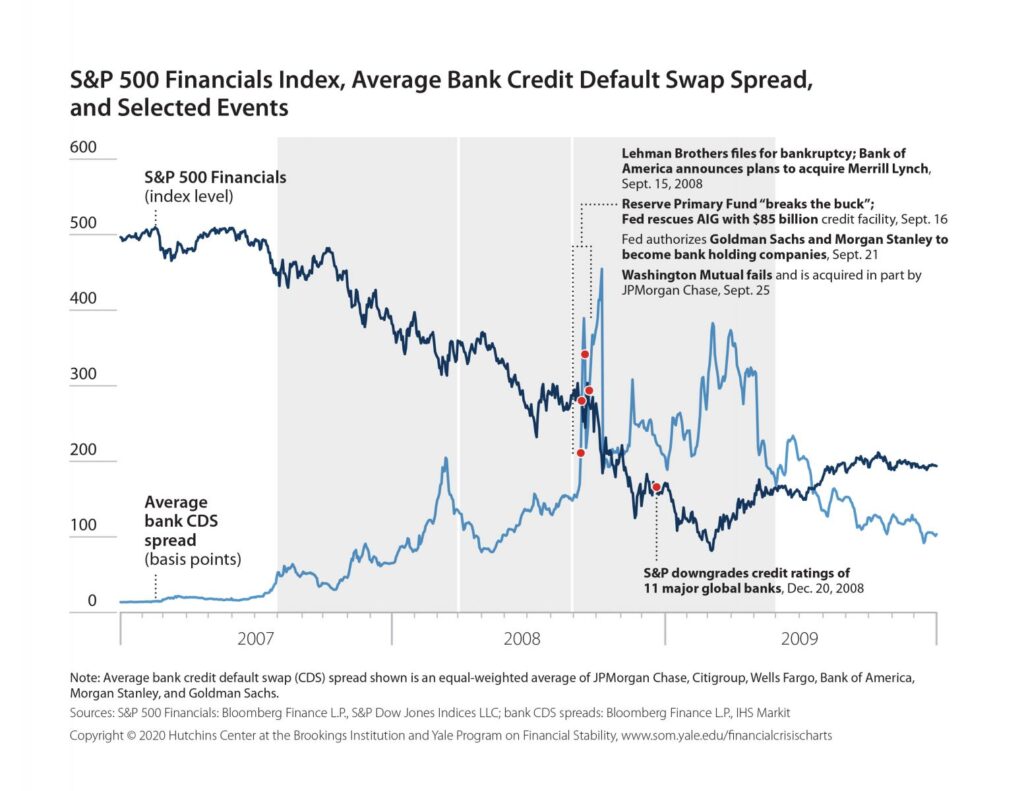
The spotlight has turned toward major private credit firms like Blue Owl Capital, where rising redemption pressures and investor concerns are exposing structural vulnerabilities. While private lending has grown into a multi-trillion-dollar market over the past decade, recent developments suggest that risks may have been underestimated.
This article dives deep into the evolving credit market stress, what it means for banks and investors, and how it could reshape the financial system in 2026 and beyond.

The Rise of Private Credit and Why It Became So Popular
Over the last decade, private credit has expanded rapidly, filling the gap left by traditional banks after stricter regulations were introduced following the global financial crisis. Companies that struggled to secure loans from banks turned to private lenders, creating a booming alternative credit ecosystem.
Firms like Blue Owl Capital played a key role in this growth by offering direct lending solutions to middle-market companies. These loans often came with higher interest rates, providing attractive returns for investors seeking yield in a low-interest-rate environment.
However, this rapid expansion also introduced hidden risks. Unlike traditional banking, private credit markets are less regulated and less transparent. This lack of oversight can make it difficult to assess the true level of risk, especially during periods of economic stress.
What’s Happening Now: Signs of Stress in the Credit Market
In 2026, the credit environment has shifted dramatically. Interest rates remain elevated, increasing borrowing costs for companies and putting pressure on their ability to repay loans. At the same time, economic uncertainty is affecting business performance across multiple sectors.
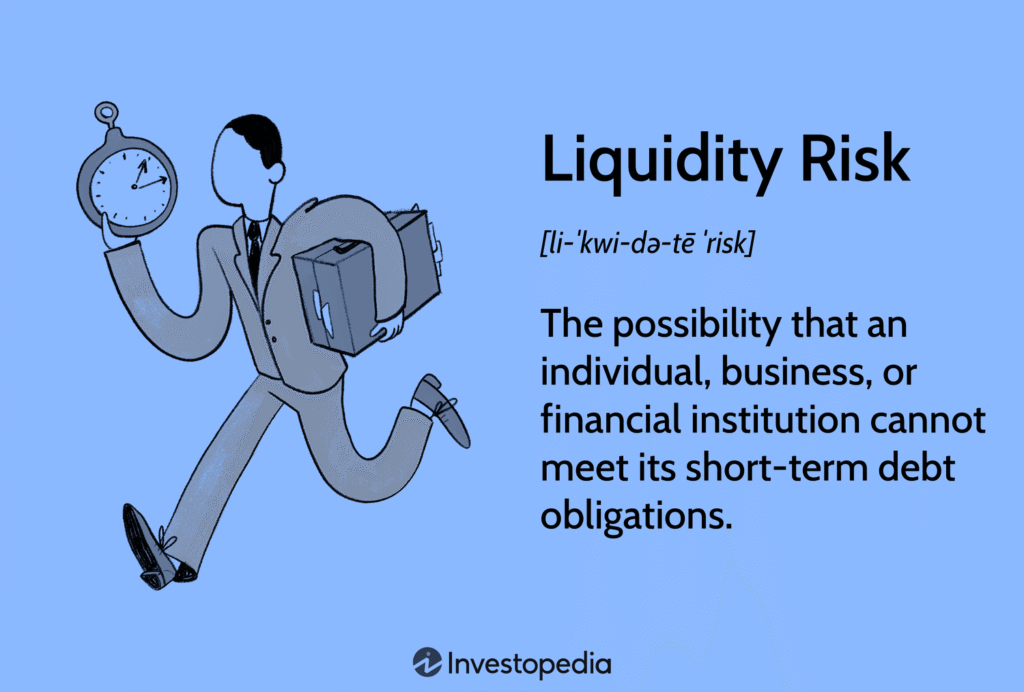
Recent developments involving Blue Owl Capital have brought these issues into focus. Reports of increased redemption requests from investors highlight growing concerns about liquidity and asset quality within private credit funds.
This situation is not isolated. Across the market, investors are becoming more cautious, and credit spreads are widening. This indicates that lenders are demanding higher compensation for taking on risk—a clear sign that confidence in the credit market is weakening.
Why Private Lending Is More Vulnerable Than Traditional Banking
One of the key differences between private credit and traditional banking is liquidity. Banks have access to central bank support and deposit funding, providing a safety net during times of stress. Private credit funds, on the other hand, rely heavily on investor capital.
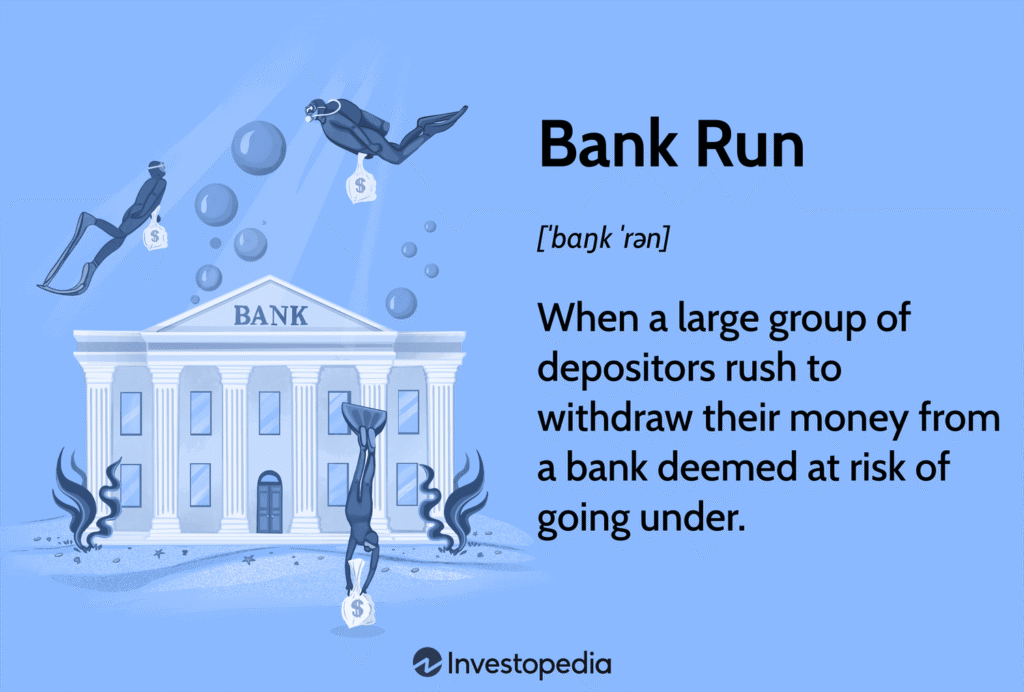
When investors seek to withdraw funds, private lenders may be forced to sell assets or restrict redemptions, creating additional pressure on the system. This can lead to a cycle of declining asset values and reduced investor confidence.
Another vulnerability lies in loan structures. Many private loans are issued to companies with higher risk profiles, often with less stringent covenants. While this increases returns during stable periods, it also raises the likelihood of defaults during economic downturns.
These structural differences mean that private credit markets can experience sharper stress during periods of volatility.

Impact on the Banking Sector and Financial Stability
The stress in private credit markets is not contained—it has broader implications for the banking sector and overall financial stability. Banks are indirectly exposed through partnerships, financing arrangements, and overlapping investments.
If private credit funds face significant losses or liquidity issues, the effects can ripple through the financial system. This could lead to tighter lending conditions, reduced credit availability, and slower economic growth.
Regulators are closely monitoring the situation, as concerns grow about systemic risk. While the private credit market is not as tightly regulated as traditional banking, its size and interconnectedness make it an important part of the financial ecosystem.
For investors, this means paying close attention to developments in both private credit and banking sectors.
Market Outlook: What Investors Should Expect in 2026
Looking ahead, the credit market is likely to remain under pressure. Higher interest rates, combined with economic uncertainty, create a challenging environment for borrowers and lenders alike.
However, this environment also presents opportunities. Distressed assets and higher yields can attract investors willing to take on risk. Some private credit firms may benefit from these conditions by acquiring assets at discounted prices.
At the same time, risk management will be more important than ever. Investors should focus on diversification, credit quality, and liquidity when evaluating opportunities in this space.
The key takeaway is that the credit market is entering a new phase—one defined by higher risk, but also potentially higher reward.

Expert Insights: How Smart Investors Are Responding
Financial experts are emphasizing caution and selectivity in the current environment. Rather than chasing high yields, they recommend focusing on quality investments with strong fundamentals.
Diversification remains a core strategy. By spreading investments across different asset classes and sectors, investors can reduce exposure to any single source of risk.
Another important approach is maintaining liquidity. Having access to cash or liquid assets allows investors to respond quickly to market changes and take advantage of emerging opportunities.
Experts also highlight the importance of staying informed. Credit markets can change rapidly, and timely information is essential for making sound investment decisions.
Risks to Watch: What Could Go Wrong
Several risks could further destabilize the credit market in 2026. A significant increase in corporate defaults would put additional pressure on private lenders and investors.
Another potential risk is a sudden shift in investor sentiment. If confidence declines sharply, redemption requests could increase, forcing funds to take drastic measures to maintain liquidity.
Geopolitical factors and economic shocks could also exacerbate existing challenges, adding another layer of uncertainty to the market.
Understanding these risks is essential for navigating the current environment and protecting your investments.
A Critical Moment for Credit Markets
Credit Market Stress Builds: Blue Owl Turmoil Signals Deeper Risks in Private Lending and Banking Sector highlights a pivotal moment in the financial system. The rapid growth of private credit has created new opportunities, but it has also introduced new risks that are now coming into focus.
As the market adjusts to higher interest rates and economic uncertainty, both investors and regulators will need to adapt. The ability to identify risks, manage exposure, and stay informed will be key to navigating this evolving landscape.
While challenges lie ahead, they also present opportunities for those who are prepared. Understanding the dynamics of the credit market will be essential for making informed decisions in 2026 and beyond.
Subscribe to trusted news sites like USnewsSphere.com for continuous updates.