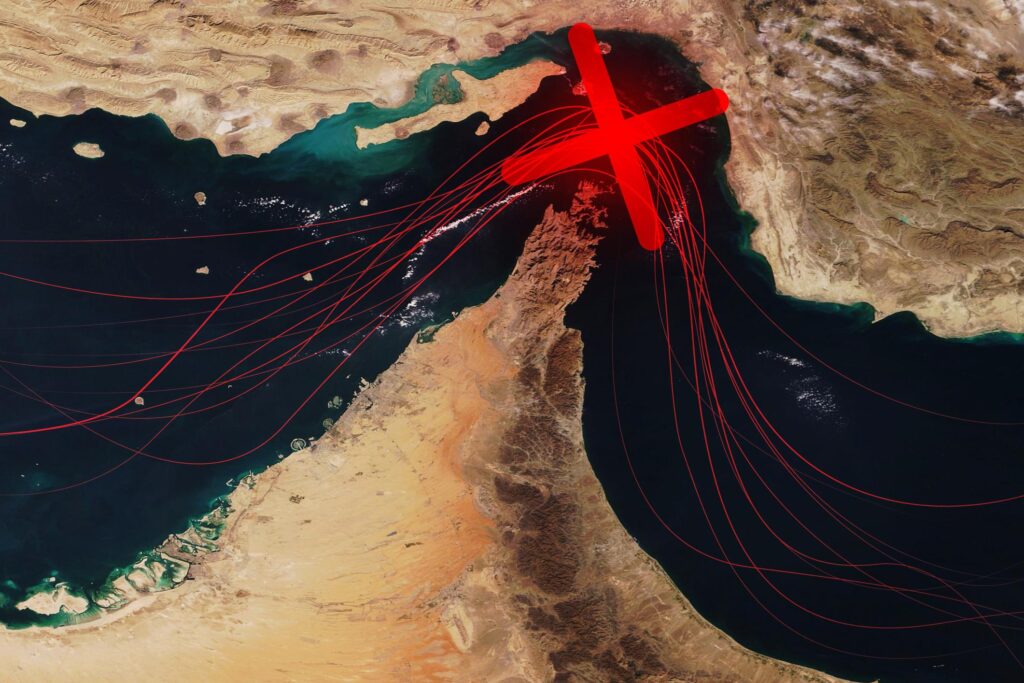
Iran-U.S. negotiations are once again at the center of global attention as growing tensions around the Strait of Hormuz threaten international energy supplies, financial markets, and geopolitical stability. Iran, the United States, regional allies, energy traders, and global governments are closely watching developments after reports suggested Tehran may halt indirect negotiations and consider stronger actions around one of the world’s most important shipping routes.
The Strait of Hormuz handles a significant share of global oil exports, making it one of the most strategically important waterways on the planet. Any disruption in this narrow shipping corridor immediately affects oil prices, shipping companies, investors, and consumers worldwide. The latest developments have created fresh uncertainty just weeks after signs emerged that both sides were moving closer to a limited diplomatic framework.
Why the Strait of Hormuz Matters More Than Ever
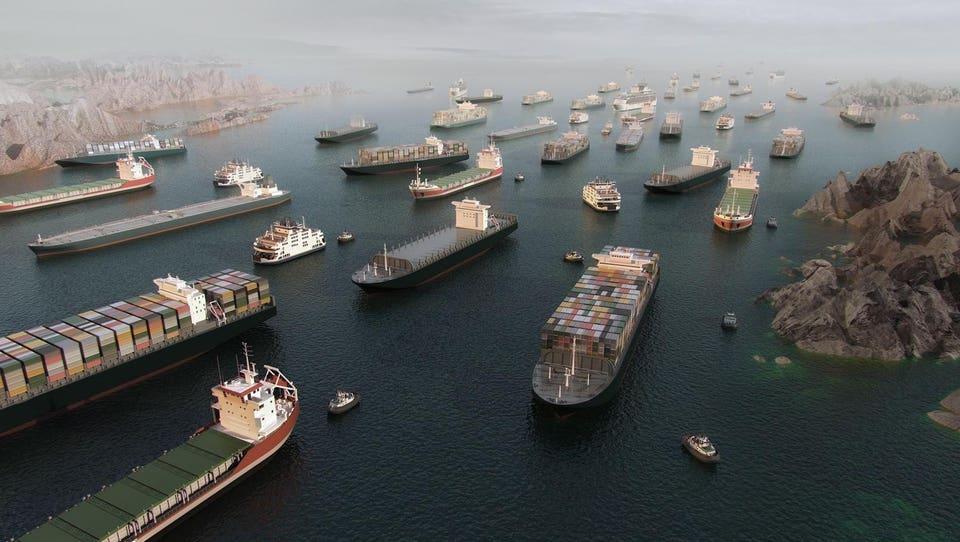
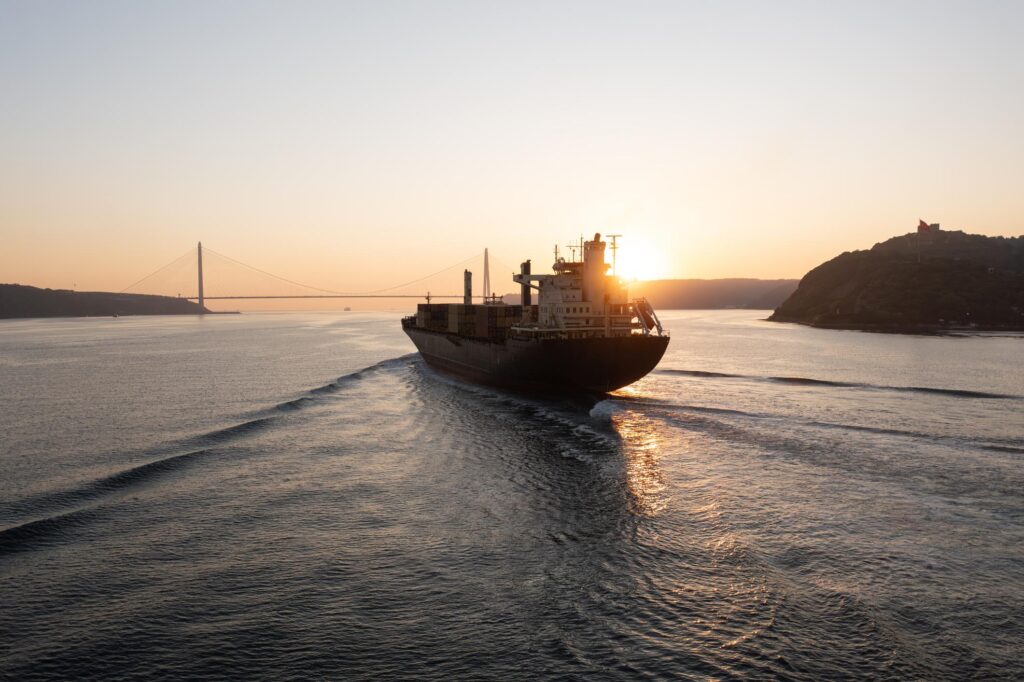
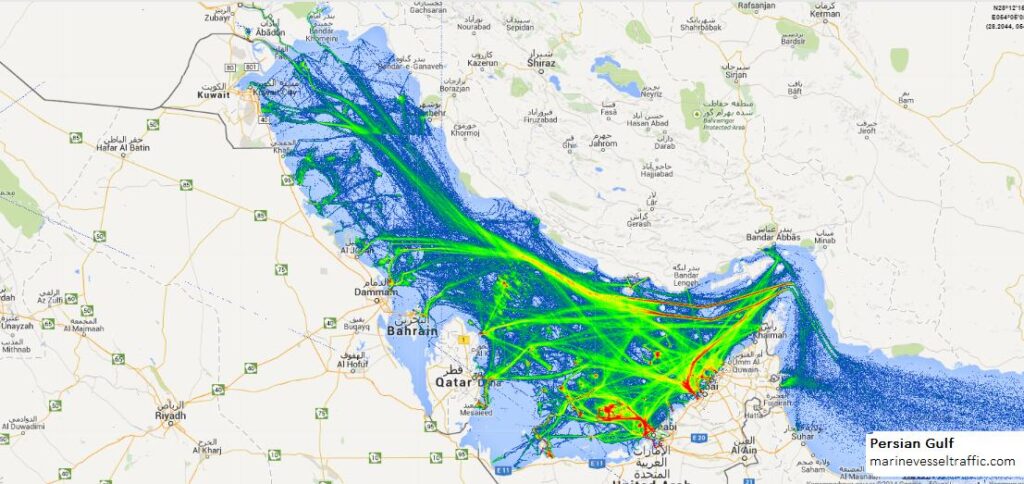
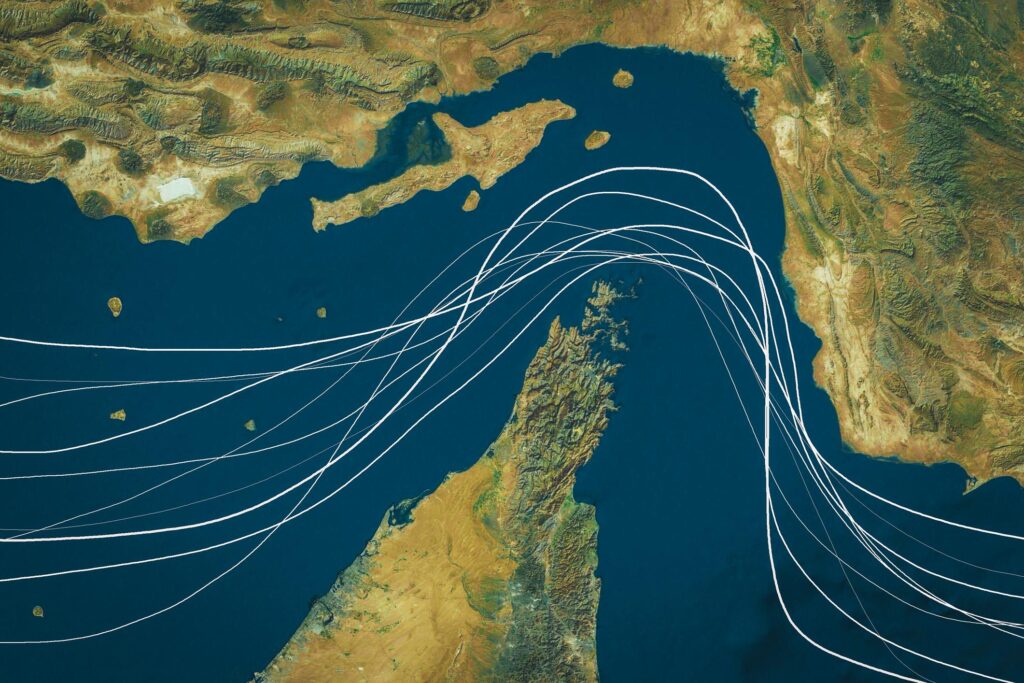
The Strait of Hormuz connects the Persian Gulf with international waters and serves as a critical route for global energy transportation. Millions of barrels of crude oil move through the passage every day, supplying markets across Asia, Europe, and North America.
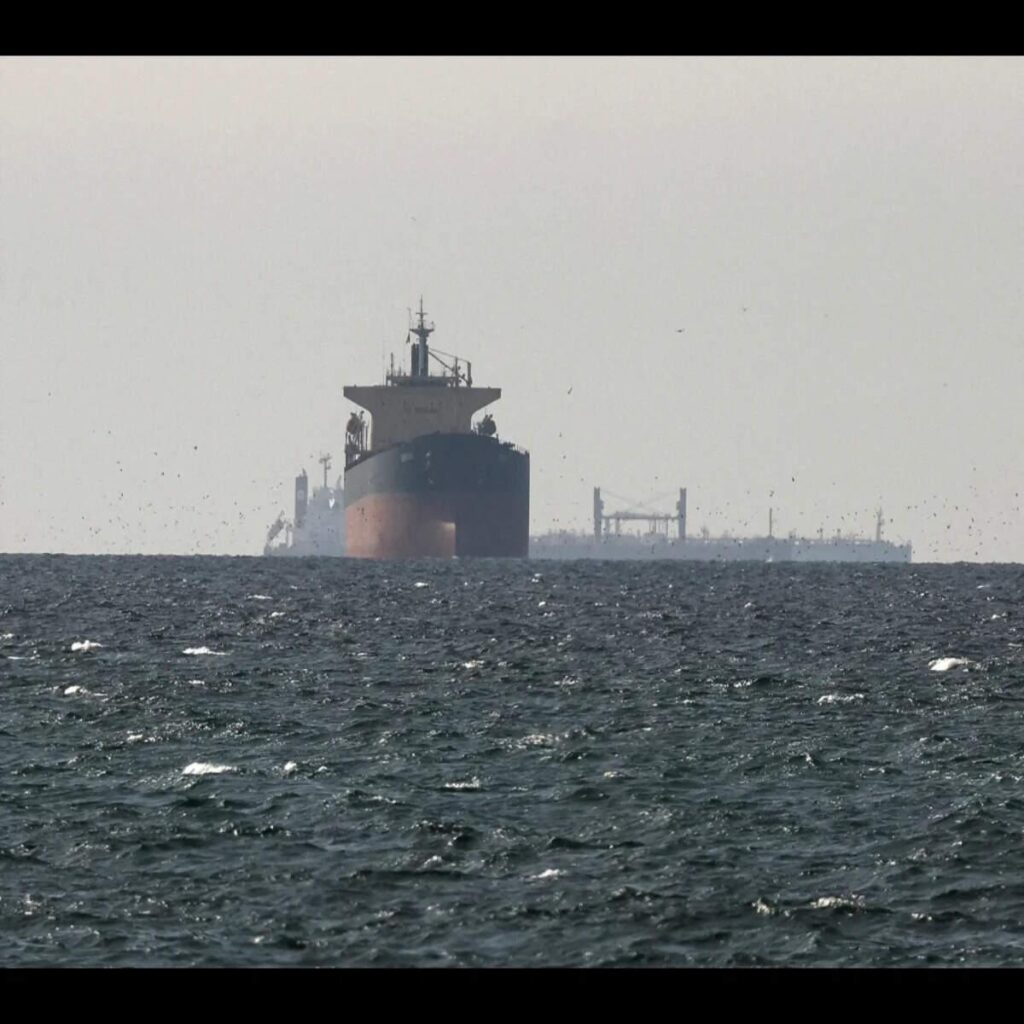
Energy analysts warn that even a temporary disruption can send shockwaves through global markets. Recent reports indicate tanker traffic remains well below normal levels compared to pre-conflict conditions. This has increased concerns about future supply shortages and the possibility of another major oil price spike if shipping activity does not fully recover in the coming weeks.
Iran Signals Tougher Position in Negotiations
Recent reports indicate that Iranian officials are reassessing the pace and structure of indirect discussions with the United States. Tehran has reportedly linked future diplomatic engagement to broader regional developments, including military activity involving Iranian-backed groups and ongoing conflicts across the Middle East.
At the same time, Iran continues to seek economic relief from international sanctions that have placed pressure on domestic growth, currency stability, and government finances. Analysts believe Iranian leadership is attempting to balance economic needs with strategic leverage, using the Strait of Hormuz as a powerful bargaining tool while avoiding a wider military confrontation.
Oil Prices Surge as Investors React
Global oil markets reacted immediately to reports of increased tensions. Brent crude and West Texas Intermediate both recorded sharp gains as traders assessed the possibility of shipping disruptions and prolonged instability in the region.
Financial markets often respond quickly to developments involving the Strait of Hormuz because nearly every major economy depends on stable energy flows. Rising oil prices can increase transportation costs, manufacturing expenses, airline fuel bills, and consumer inflation. For businesses and households already facing economic uncertainty, sustained energy price increases could create additional pressure throughout the second half of 2026.
Global Markets Face Growing Economic Risks
The impact of the latest developments extends beyond oil markets. Investors have also monitored movements in government bond yields, shipping stocks, energy companies, and currency markets. Financial institutions are increasingly evaluating how a prolonged disruption could affect global economic growth.
Several economists note that uncertainty itself can become a major economic challenge. Companies delay investments, consumers become cautious, and markets experience higher volatility when geopolitical risks remain unresolved. If negotiations fail, analysts expect governments and central banks to closely monitor inflation risks linked to higher energy costs.
Why This Matters Now for the United States and Global Economy
For the United States, the current situation represents a complex diplomatic and economic challenge. Washington continues to seek stability in energy markets while balancing broader security interests across the Middle East. Any escalation could affect fuel prices, consumer confidence, and international trade routes.
For the rest of the world, the Strait of Hormuz remains a vital artery for global commerce. Countries dependent on imported energy are especially vulnerable to supply disruptions. The coming days may determine whether diplomacy can stabilize the situation or whether markets must prepare for a longer period of uncertainty.
The next phase of negotiations will be closely watched by governments, investors, energy producers, and consumers worldwide. While both sides still have incentives to avoid a larger crisis, the latest developments show how quickly progress can be challenged by regional tensions and shifting political calculations.
As the situation continues to evolve, global attention remains fixed on the Strait of Hormuz, where diplomatic decisions made today could influence energy markets, economic growth, and geopolitical stability for months to come.
Subscribe to trusted news sites like USnewsSphere.com for continuous updates.