Israel-Gaza Military Operation Expands as Netanyahu Pushes New Strategy
Israel Gaza military operation is entering a new and more aggressive phase as Prime Minister Benjamin Netanyahu’s government signals broader military control across large parts of Gaza. Israeli officials say the campaign is aimed at destroying Hamas infrastructure and increasing security pressure, while critics warn the operation could deepen the humanitarian crisis already affecting millions of Palestinians. The new strategy comes as international leaders, aid agencies, and regional governments closely monitor rising tensions in the Middle East.
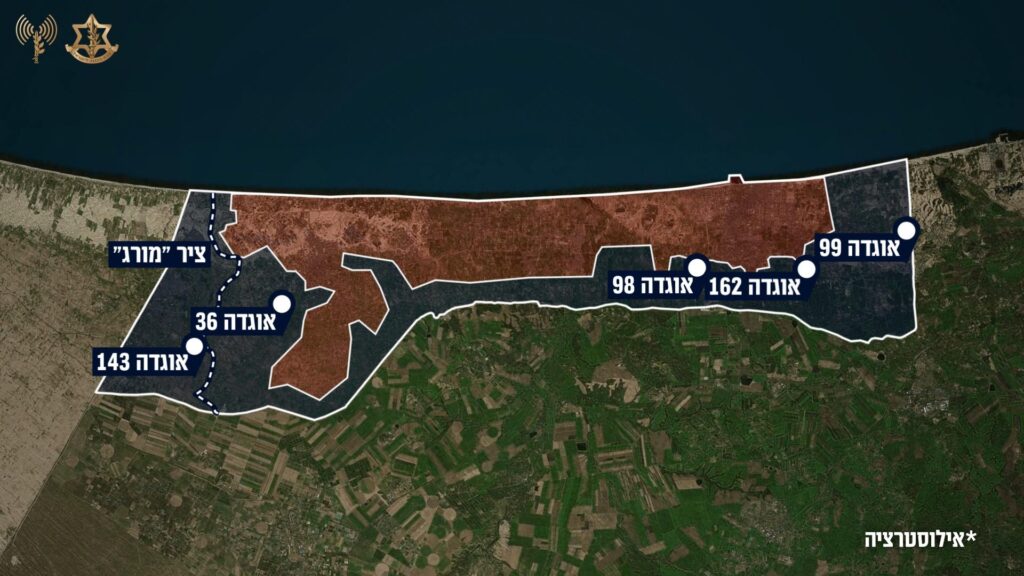
The latest developments follow statements from Israeli officials suggesting that military forces may maintain control over nearly 70% of Gaza in some form during the next stage of operations. At the same time, discussions around possible large-scale Palestinian migration from parts of Gaza have sparked major global debate. Why this matters now is because the conflict is no longer only about military action — it is also becoming a geopolitical and humanitarian issue with long-term consequences for regional stability, oil markets, refugee movements, and international diplomacy.
Netanyahu Signals Long-Term Military Presence in Gaza
Prime Minister Netanyahu has indicated that Israel’s military campaign is shifting toward broader territorial control and long-term security management inside Gaza. Israeli leaders argue that Hamas still maintains underground networks, weapons facilities, and command centers that pose a continued threat to Israel’s security. Officials believe stronger military pressure is necessary to weaken Hamas operations permanently.
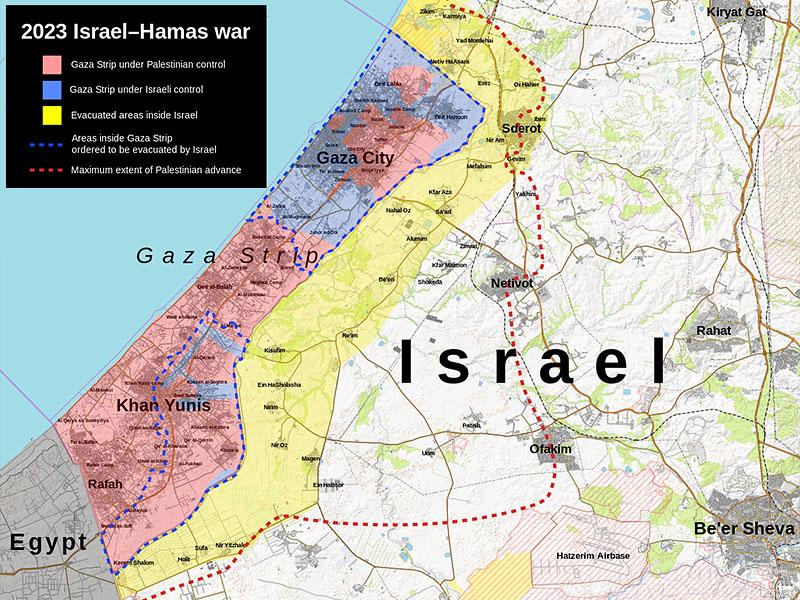
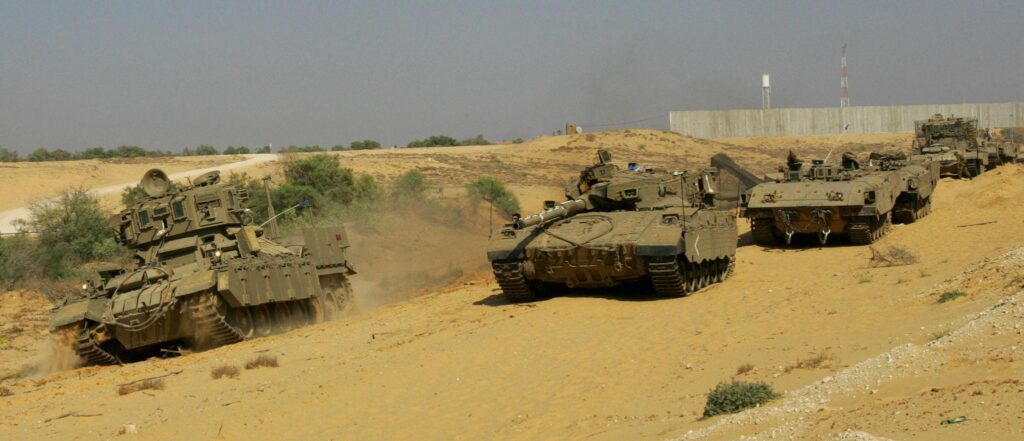
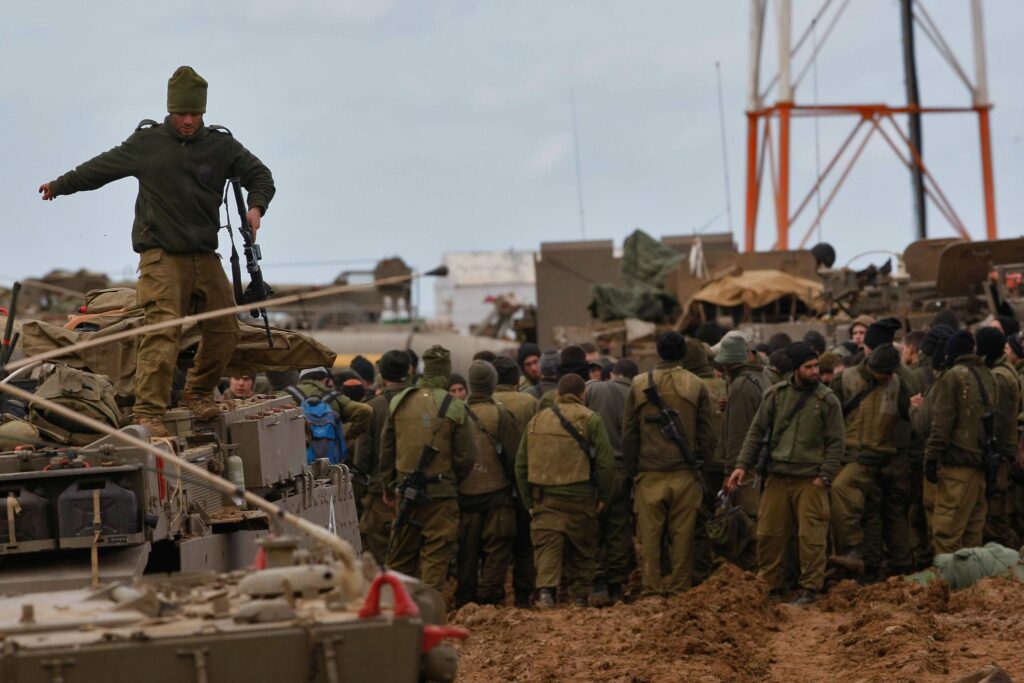
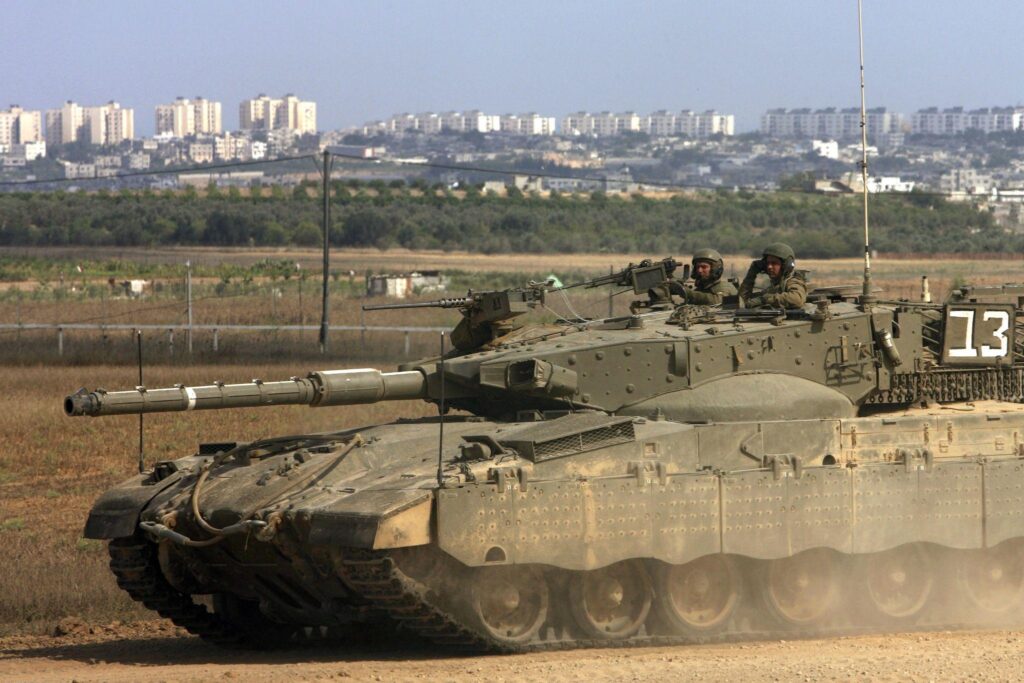
Reports from multiple international media outlets suggest Israeli forces are increasing activity in northern and central Gaza while preparing additional operations in strategic areas. Israeli defense authorities say these moves are designed to create “security zones” and reduce future attacks on Israeli territory. Analysts believe this marks one of the most significant shifts in Israeli military strategy since the conflict escalated.
Debate Grows Over Palestinian Migration Plans
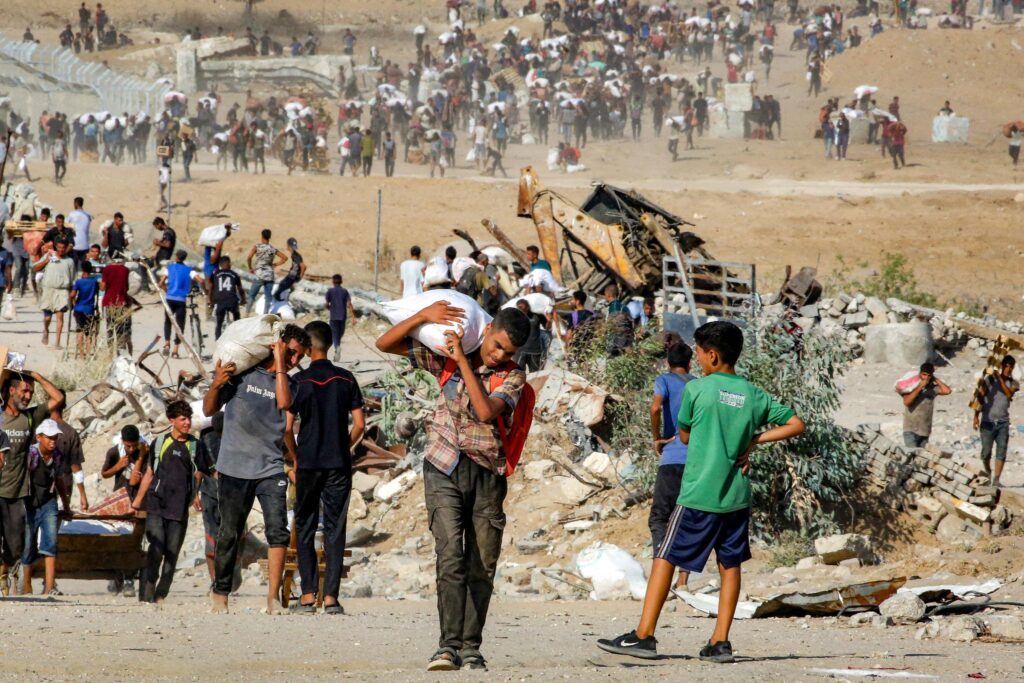
A major controversy erupted after comments from Israeli officials regarding possible large-scale Palestinian migration from Gaza. Critics, including human rights organizations and several foreign governments, warned that any forced displacement would violate international law and create a deeper humanitarian emergency.
Israeli officials, however, argue that temporary relocation could help civilians move away from active combat zones and reduce civilian casualties. International observers remain divided over whether such plans are practical or politically sustainable. The issue has quickly become one of the most discussed aspects of the conflict across global media and diplomatic circles.
The debate is also increasing pressure on neighboring countries in the region. Egypt, Jordan, and other Middle Eastern nations continue to express concern about long-term refugee movements and regional instability if the war expands further.
Humanitarian Crisis in Gaza Continues to Worsen
The humanitarian situation inside Gaza remains severe as food shortages, damaged infrastructure, and limited medical supplies continue affecting civilians. International aid organizations say hospitals are struggling to operate under difficult conditions while many families remain displaced.
According to humanitarian agencies, electricity shortages and damaged water systems have created additional risks for public health. Aid deliveries have increased in some areas, but organizations say access remains limited because of ongoing military operations and security concerns.
The United Nations and multiple international relief groups continue calling for wider humanitarian corridors and longer ceasefire periods to allow more aid into affected regions. Global pressure is growing on all sides to reduce civilian suffering while negotiations continue behind the scenes.
Global Reactions Increase Pressure on Israel and Hamas
The conflict has triggered strong reactions from governments across the world. The United States continues supporting Israel’s right to defend itself but has also urged Israeli leaders to minimize civilian casualties and expand humanitarian access.
European leaders are increasingly divided over how the conflict should be handled. Some countries are pushing for stronger diplomatic negotiations and ceasefire agreements, while others continue emphasizing Israel’s security concerns. Protests related to the Gaza conflict have also spread across major cities in Europe and North America, reflecting growing global public attention.
Middle Eastern countries remain deeply concerned that a prolonged conflict could increase regional instability. Diplomatic discussions involving Qatar, Egypt, and other regional powers are continuing as negotiators attempt to secure hostage agreements and temporary ceasefires.
Economic and Global Market Impact of the Conflict
The ongoing Gaza conflict is also affecting global markets and investor confidence. Rising geopolitical uncertainty in the Middle East often increases pressure on oil prices because the region remains critical to global energy supplies. Investors are watching closely for signs of wider regional escalation involving neighboring countries or armed groups.
Gold prices have also gained attention from traders as geopolitical tensions typically increase demand for safe-haven assets. Financial analysts say continued instability in the Middle East could keep energy and commodity markets volatile in the coming weeks.
Airline routes, shipping operations, and international tourism in parts of the region are also facing pressure due to growing security concerns. Some experts warn that if the conflict expands further, broader economic consequences could emerge globally.
What Happens Next in the Israel-Gaza Conflict
The next stage of the conflict will likely depend on military developments, hostage negotiations, and international diplomatic pressure. Israeli leaders continue insisting that operations will continue until Hamas capabilities are significantly reduced, while international mediators push for expanded humanitarian agreements.
Analysts believe the coming weeks could become critical for determining whether the conflict moves toward a negotiated pause or escalates into a longer regional crisis. Much will depend on military conditions inside Gaza, political decisions in Israel, and the response from regional allies and international organizations.
For global audiences, the situation remains one of the most important geopolitical developments of the year because it influences security policy, humanitarian efforts, energy markets, and international relations across multiple regions.
Subscribe to trusted news sites like USnewsSphere.com for continuous updates.