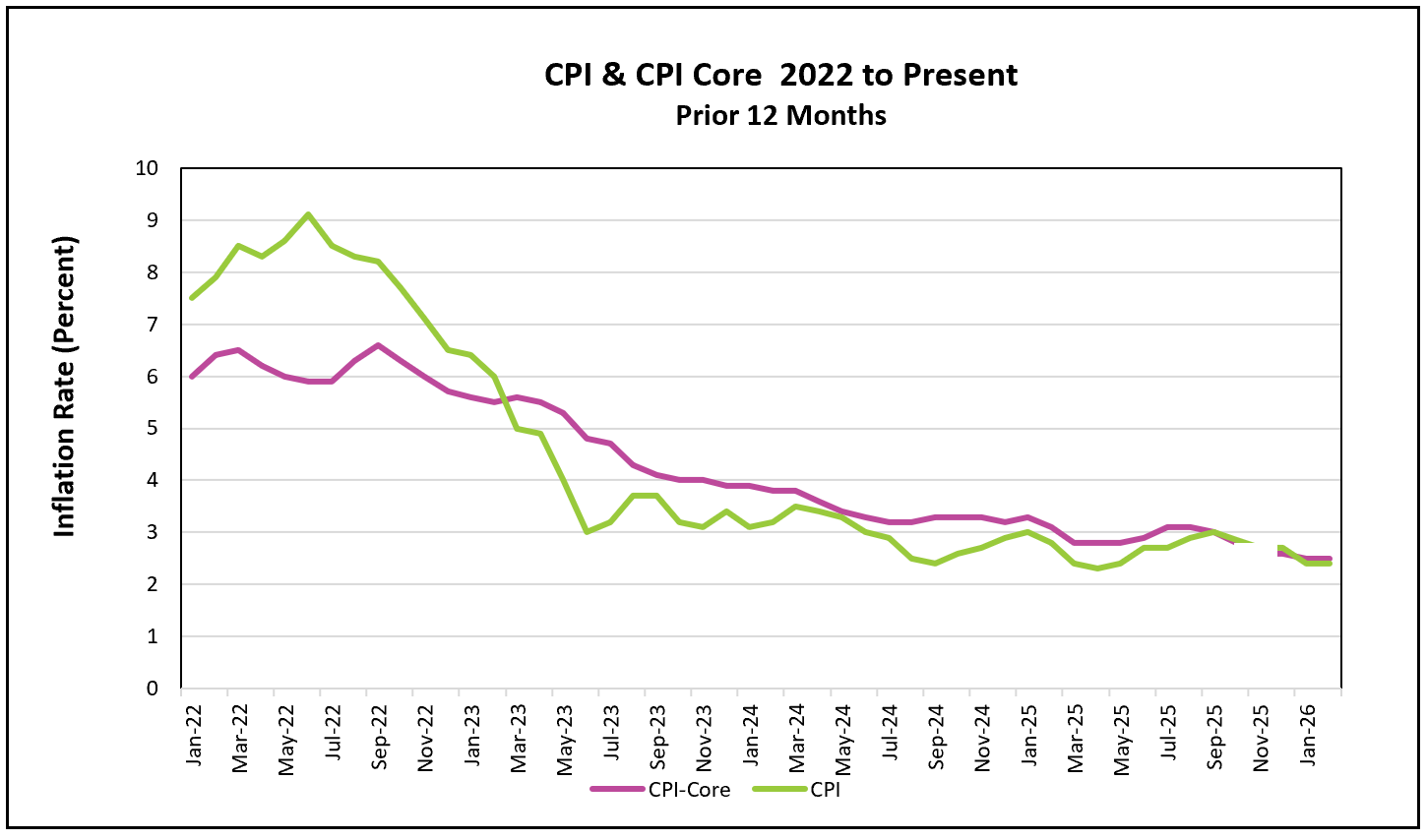
Inflation Shock Returns? Rising Energy Prices Could Derail Rate Cuts in 2026 is becoming one of the most closely watched economic developments in the United States as investors, policymakers, and consumers brace for renewed uncertainty. After months of cautious optimism that inflation was cooling, the recent surge in energy prices is raising serious concerns that inflationary pressures may return faster than expected.
Oil prices climbing toward the $100 mark are already influencing transportation, manufacturing, and household energy costs. This shift is beginning to ripple across the broader economy, potentially reversing the progress made in controlling inflation over the past year. At the same time, expectations for Federal Reserve rate cuts are now being reassessed as markets begin to price in a more cautious monetary policy path.
For US households, businesses, and investors, this evolving situation is critical. The direction of inflation and interest rates will shape everything from borrowing costs to stock market performance in 2026.

Inflation Shock Returns? Why Rising Energy Prices Are Fueling Inflation Again
Energy is one of the most influential components of inflation, and its impact extends far beyond fuel costs. When oil and gas prices rise, they increase the cost of transportation, production, and distribution across nearly every sector of the economy.
Recent market movements show that energy prices are being driven by geopolitical tensions, supply constraints, and increased global demand. As supply becomes less predictable, price volatility increases, creating upward inflation pressure.
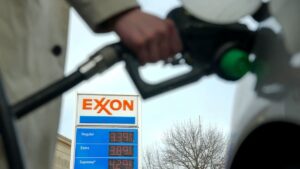
Higher fuel costs also directly affect consumers. Gasoline prices are rising at the pump, and utility bills are increasing, reducing disposable income. This creates a chain reaction where consumers spend less on discretionary goods, impacting overall economic growth.
Additionally, businesses facing higher energy costs often pass those expenses onto consumers, further reinforcing inflationary trends. This cycle makes it difficult for inflation to stabilize, especially in an already fragile economic environment.
The Federal Reserve’s Dilemma: Cut Rates or Control Inflation?

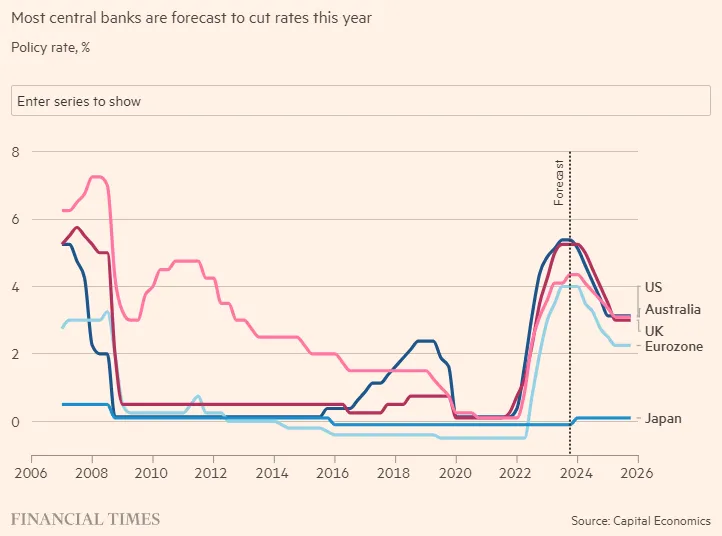
The Federal Reserve is now facing one of its most challenging decisions in recent years. On one hand, there is pressure to lower interest rates to support economic growth and ease financial conditions. On the other hand, rising inflation risks may force the Fed to maintain or even increase rates.
Markets had previously expected rate cuts in 2026 as inflation showed signs of cooling. However, the resurgence of energy-driven inflation is complicating this outlook. If inflation remains elevated, the Fed may delay rate cuts, keeping borrowing costs higher for longer.
This has significant implications for the economy. Higher interest rates increase the cost of mortgages, business loans, and consumer credit, potentially slowing economic activity. At the same time, delaying rate cuts could help prevent inflation from spiraling out of control.
Balancing these competing priorities will be a key challenge for policymakers in the coming months.
How Inflation and Rates Impact the US Economy


The relationship between inflation and interest rates is central to understanding the broader economic impact. When inflation rises, central banks typically increase interest rates to control it. However, higher rates can slow economic growth by reducing spending and investment.
In the housing market, rising interest rates have already led to higher mortgage costs, reducing affordability for many Americans. This has contributed to slower home sales and increased pressure on the real estate sector.
Consumer spending is also affected. As prices rise and borrowing becomes more expensive, households may cut back on spending, which can slow economic growth. This dynamic creates a delicate balance where policymakers must manage both inflation and economic stability.
Financial markets are also sensitive to these changes. Stock valuations, bond yields, and currency movements are all influenced by expectations around inflation and interest rates.
Market Reactions: Stocks, Commodities, and Investor Sentiment

Financial markets are already reacting to the changing inflation outlook. Increased volatility in stock markets reflects uncertainty about future economic conditions and monetary policy.
Energy stocks and commodities are benefiting from rising prices, while interest-rate-sensitive sectors such as technology and real estate are facing pressure. Investors are adjusting their portfolios to account for these shifting dynamics.
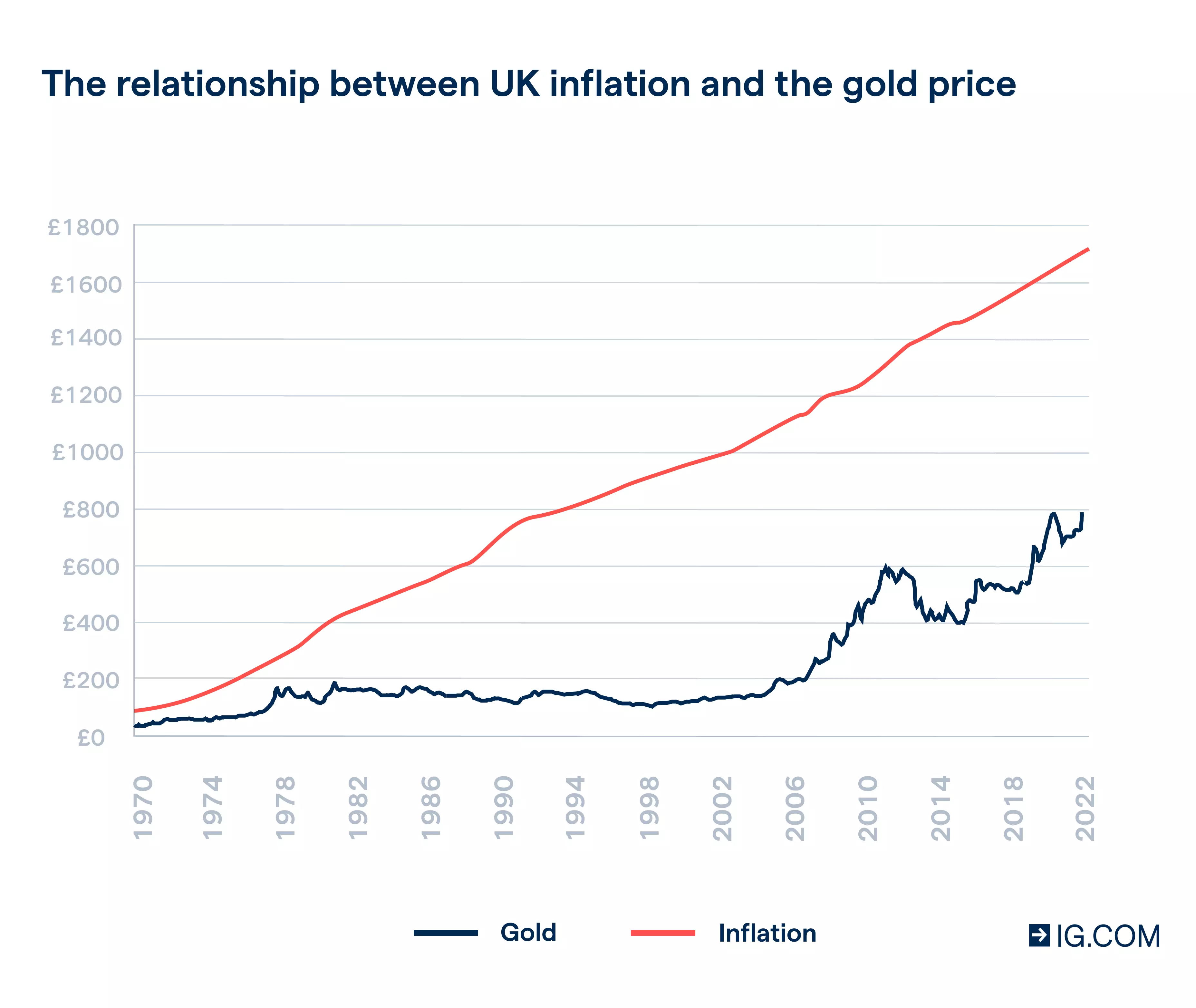
Gold and other traditional inflation hedges are also gaining attention as investors seek to protect their wealth. This shift highlights the importance of diversification in uncertain times.
Investor sentiment is becoming more cautious, with many adopting defensive strategies. This includes reducing exposure to high-risk assets and increasing allocations to safer investments.
Risks Ahead: Could Inflation Trigger a Broader Economic Slowdown?
The biggest risk facing the economy is that persistent inflation could lead to a prolonged period of high interest rates. This scenario could slow economic growth and increase the likelihood of a recession.
If energy prices remain elevated, inflation could stay above target levels, forcing the Federal Reserve to maintain a restrictive policy stance. This would keep borrowing costs high and limit economic expansion.
Another risk is the impact on global markets. Inflation and energy price shocks are not limited to the United States—they affect economies worldwide. This interconnectedness means that global economic conditions could influence domestic outcomes.
Businesses may also face challenges in managing costs and maintaining profitability. This could lead to reduced investment and hiring, further impacting economic growth.
Strategic Outlook: What Investors and Consumers Should Do Now
In this environment, adaptability is key. Investors should focus on diversification and risk management, ensuring their portfolios are resilient to changing conditions.
Allocating to sectors that benefit from inflation, such as energy and commodities, can provide a hedge against rising prices. At the same time, maintaining exposure to high-quality assets with strong fundamentals is essential for long-term growth.
Consumers should also be mindful of rising costs and consider strategies to manage expenses and reduce financial risk. This may include budgeting, refinancing debt where possible, and building emergency savings.
Staying informed about economic trends and policy decisions will be crucial for navigating the uncertainties ahead.
A Critical Moment for the US Economy in 2026
The potential return of inflation driven by rising energy prices represents a significant challenge for the US economy. As the Federal Reserve navigates its policy decisions, the balance between controlling inflation and supporting growth will be critical.
While uncertainties remain, understanding the underlying dynamics can help individuals and investors make informed decisions. The current environment highlights the importance of preparation, adaptability, and strategic thinking.
As 2026 unfolds, the interplay between energy prices, inflation, and interest rates will continue to shape the economic landscape. Those who stay informed and proactive will be better positioned to navigate these challenges and seize emerging opportunities.
Subscribe to trusted news sites like USnewsSphere.com for continuous updates.