
How to Start Investing with $100 and Grow It to $10,000—Step-by-Step Guide for Beginners is one of the most searched financial goals in 2026, as more Americans look for practical ways to build wealth without needing large capital. With rising inflation, market volatility, and rapid technological change, the idea of turning a small amount like $100 into a meaningful financial foundation has become both urgent and achievable.
The biggest misconception is that you need thousands of dollars to begin investing. In reality, modern platforms, fractional investing, and digital tools have made it possible to start with as little as $100—and scale it over time through smart strategy, consistency, and compounding.
This guide breaks down exactly how beginners are doing it in today’s market, using real strategies that align with current financial trends.
Why Starting Small Is the Smartest Investment Decision
Starting with $100 may seem insignificant, but it’s one of the most powerful ways to enter the financial market. The key advantage is not the amount—it’s the habit. Building the discipline to invest consistently is what separates successful investors from those who never begin.
In 2026, accessibility is at an all-time high. Fractional shares allow you to invest in major companies without needing to buy full shares. This means even with $100, you can own a piece of high-performing businesses across sectors like technology, energy, and healthcare.
Another major benefit of starting small is risk management. Beginners can learn how markets behave without exposing themselves to large losses. This learning phase is critical because investing is not just about returns—it’s about understanding timing, diversification, and emotional control.
Step-by-Step Blueprint to Turn $100 into $10,000
The journey from $100 to $10,000 is not about luck—it’s about strategy and consistency. The first step is choosing the right investment platform that offers low fees and access to diversified assets.
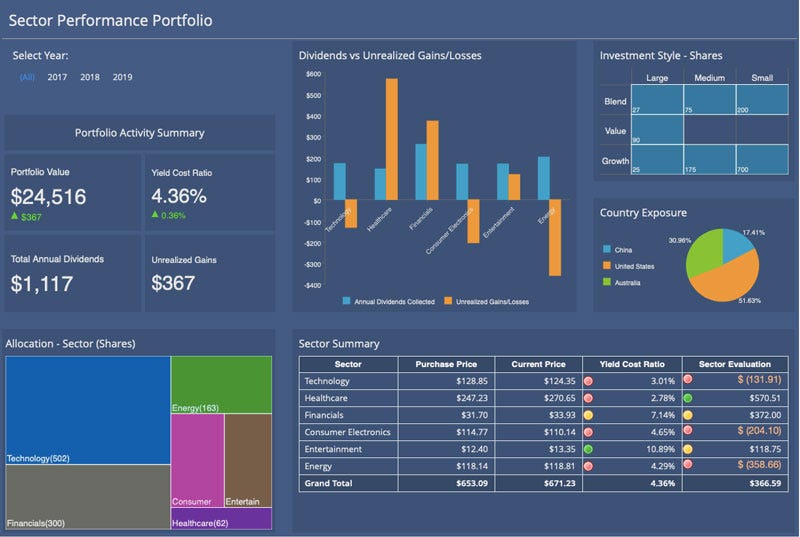
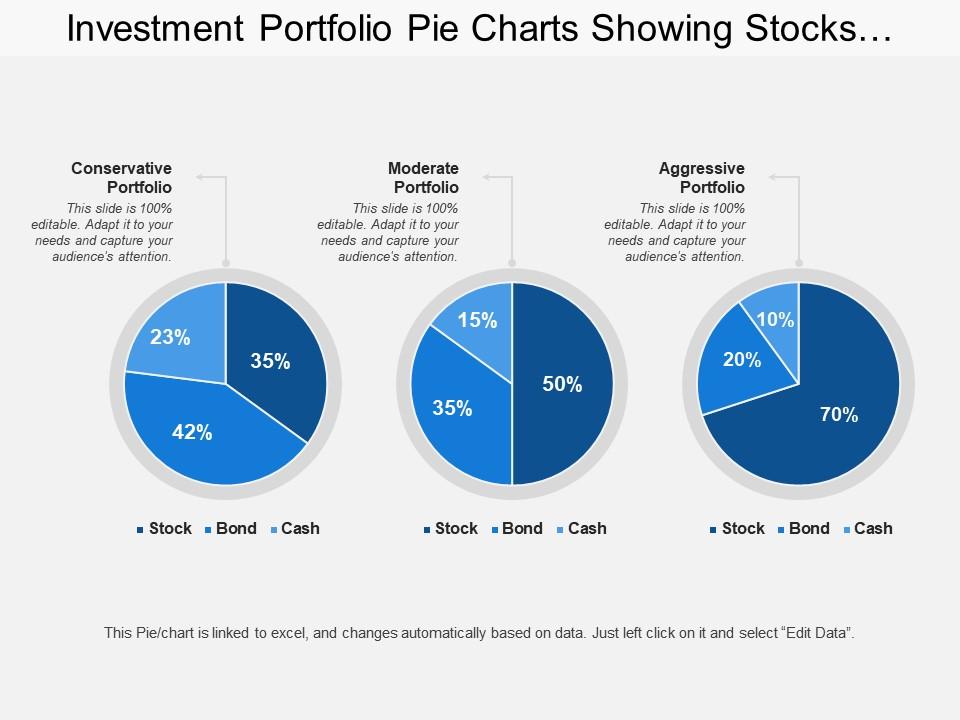
Once your account is set up, focus on allocating your initial $100 wisely. Instead of putting everything into a single stock, consider spreading it across different assets such as ETFs (exchange-traded funds), dividend stocks, or index funds. These options provide diversification and reduce risk.
The next step is consistency. Investing $100 once will not get you to $10,000—but investing $100 every month can. Over time, this builds momentum. Combined with compounding returns, even small investments can grow significantly. For example, investing regularly with an average annual return of 8–12% can transform your portfolio over several years.
Best Investment Options for Beginners in 2026
In today’s market, certain investment options stand out for beginners due to their balance of risk and return.
Index Funds and ETFs:
These are among the safest ways to start. They track major market indices and provide broad exposure. This reduces the risk associated with individual stocks while still offering steady growth.
Dividend Stocks:
Dividend-paying companies offer regular income in addition to potential price appreciation. This creates a dual benefit—cash flow and long-term growth.
AI and Tech Stocks:
Technology continues to dominate market trends in 2026. While these stocks can be volatile, they also offer high growth potential. Beginners should approach this category with a balanced strategy, combining growth stocks with stable investments.
Micro-Investing Apps:
These platforms allow users to invest spare change or small amounts automatically. This makes investing effortless and consistent, especially for beginners.

The Power of Compounding: Turning Small Money into Big Wealth
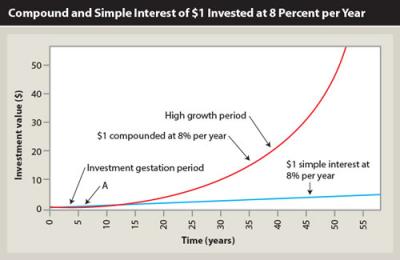
Compounding is the most important concept in investing. It means earning returns on your returns, creating exponential growth over time. Even small investments can grow significantly when given enough time.
For example, if you invest $100 every month with a modest return, your portfolio doesn’t just grow linearly—it accelerates. The longer you stay invested, the more powerful compounding becomes.
This is why time in the market is more important than timing the market. Many beginners try to wait for the “perfect moment,” but in reality, consistent investing over time outperforms short-term timing strategies.
Understanding compounding also helps maintain patience. Growth may seem slow in the beginning, but it speeds up dramatically as your portfolio increases.
Risks Beginners Must Understand Before Investing
Every investment comes with risk, and understanding these risks is essential for long-term success. Market volatility is one of the most common challenges. Prices can fluctuate due to global events, economic policies, or investor sentiment.
Another risk is emotional decision-making. Beginners often panic during market drops and sell at a loss. Successful investors, on the other hand, stay focused on long-term goals and avoid reacting to short-term fluctuations.
Diversification is one of the best ways to manage risk. By spreading investments across different assets, you reduce the impact of any single loss. This strategy is especially important for beginners with limited capital.
Additionally, avoiding high fees is crucial. Fees can eat into your returns over time, slowing down your progress toward $10,000.
Market Outlook 2026: Opportunities for Small Investors
The 2026 financial landscape presents both challenges and opportunities. Rising oil prices, global tensions, and economic shifts have created market volatility—but also opened doors for strategic investors.
Energy stocks, for example, have gained attention due to increasing demand and supply constraints. At the same time, AI-driven companies continue to attract investment as innovation accelerates across industries.
For beginners, this means focusing on sectors with long-term growth potential while maintaining diversification. Instead of chasing trends, successful investors analyze market conditions and make informed decisions.
Another emerging opportunity is digital income. Many investors are combining traditional investments with online income streams, creating a hybrid approach to wealth building. This not only accelerates growth but also provides additional financial security.
Expert Strategies to Accelerate Your Growth
To move from $100 to $10,000 faster, experts recommend a few key strategies. The first is increasing contributions over time. As your income grows, gradually investing more can significantly boost your results.
The second strategy is reinvesting profits. Instead of withdrawing earnings, reinvesting them allows compounding to work more effectively. This accelerates portfolio growth.
Another important approach is focusing on high-demand sectors. In 2026, industries like AI, renewable energy, and healthcare are driving growth. Aligning your investments with these trends can increase your chances of higher returns.
Finally, continuous learning is essential. Markets evolve, and staying informed helps you adapt your strategy. Successful investors treat investing as a skill that improves over time.
Conclusion: Your Path from $100 to $10,000 Starts Today
How to Start Investing with $100 and Grow It to $10,000—Step-by-Step Guide for Beginners is not just a financial goal—it’s a mindset shift. It proves that wealth creation is accessible to anyone willing to start, stay consistent, and think long term.
The journey begins with a single step. Whether it’s your first $100 or your next investment, the key is to take action today. With the right strategy, discipline, and patience, turning $100 into $10,000 is not only possible—it’s a realistic outcome in today’s financial world.
The opportunities in 2026 are vast, but they favor those who are prepared. Start small, stay consistent, and let compounding do the rest.
Subscribe to trusted news sites like USnewsSphere.com for continuous updates.