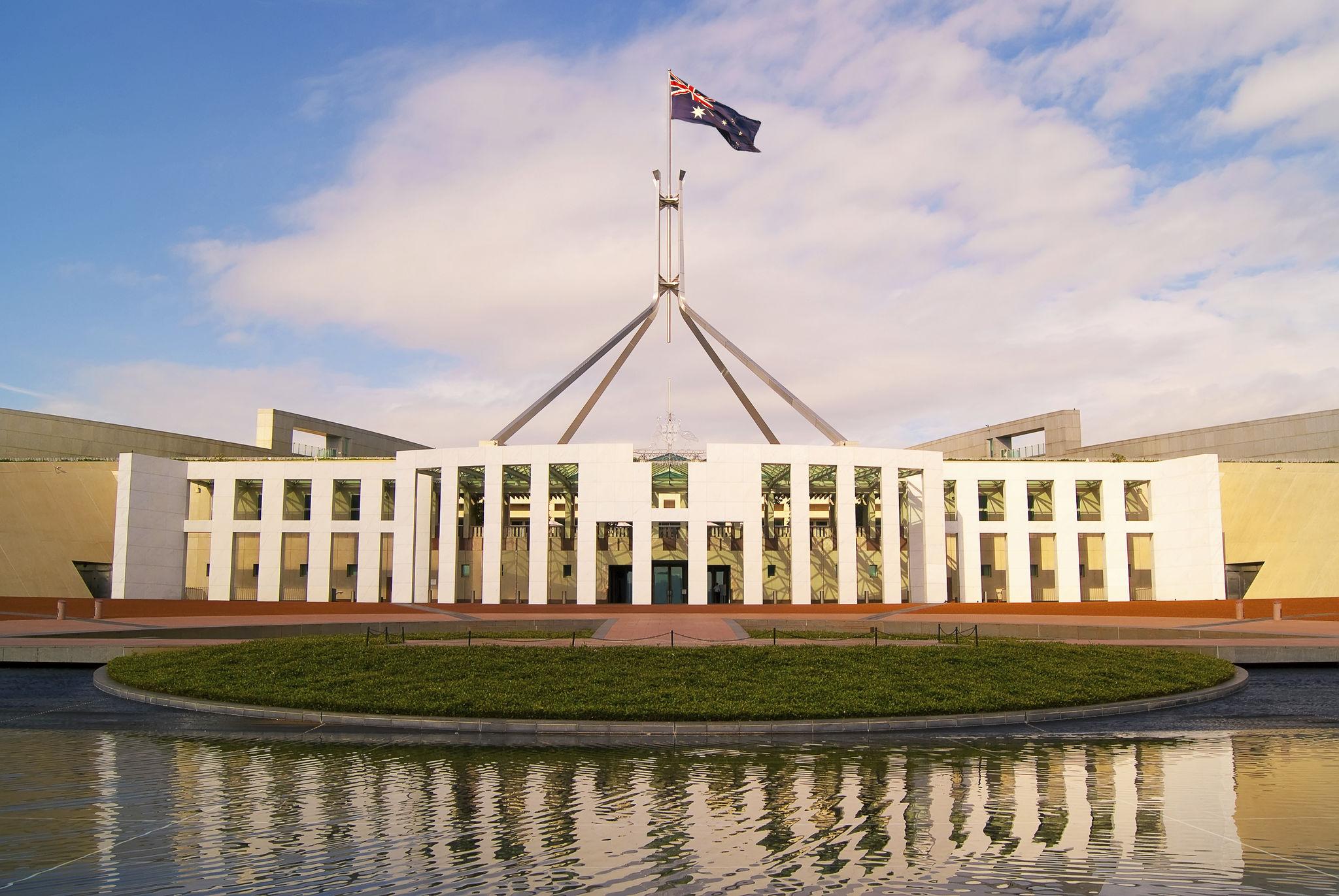
Australia US Tariff Dispute is drawing international attention after Prime Minister Anthony Albanese publicly criticized new tariff measures proposed by the United States, describing the disagreement as both economic and ideological. The comments come as Washington moves forward with a fresh tariff framework targeting dozens of economies, including Australia. The development has raised concerns among businesses, exporters, economists, and policymakers who fear that increasing trade barriers could weaken economic cooperation between long-standing allies.
The dispute centers on proposed American tariffs linked to allegations of insufficient action against forced labor in global supply chains. Australian officials strongly reject the claim, arguing that the country already enforces some of the world’s toughest anti-slavery and labor protection laws. The disagreement highlights a broader debate about the future of international trade, economic globalization, and the growing use of tariffs as a policy tool.
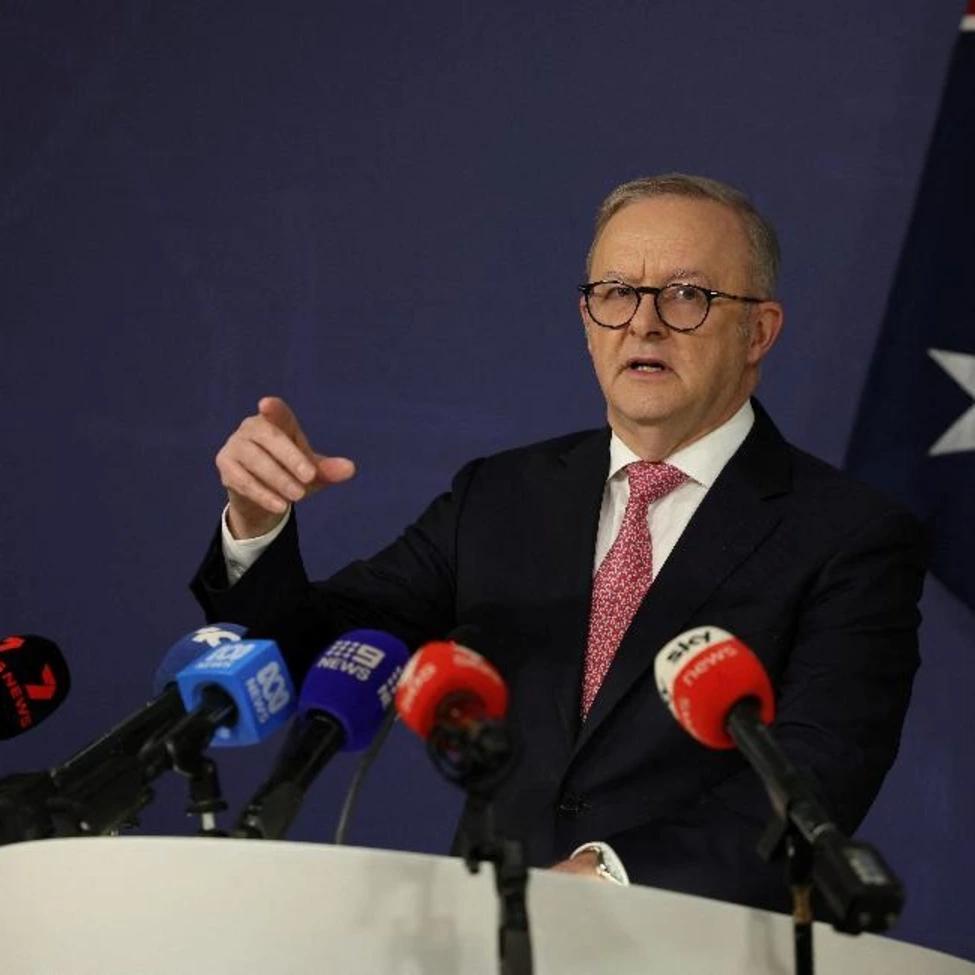
Australia Pushes Back Against New US Tariffs
The latest trade disagreement emerged after the United States announced plans for new tariff rates affecting around 60 economies. Australia faces a proposed tariff rate that would replace the existing duty structure on goods exported to the American market. Australian leaders immediately questioned the economic rationale behind the decision and argued that it unfairly targets a trusted partner.
Prime Minister Anthony Albanese stated that Australia and the current US administration have a fundamental ideological difference regarding tariffs. According to Albanese, decades of economic evidence have shown that tariffs often increase costs for businesses and consumers while disrupting efficient global trade flows. Australian officials insist that open markets and rules-based trade remain the best path for economic growth.
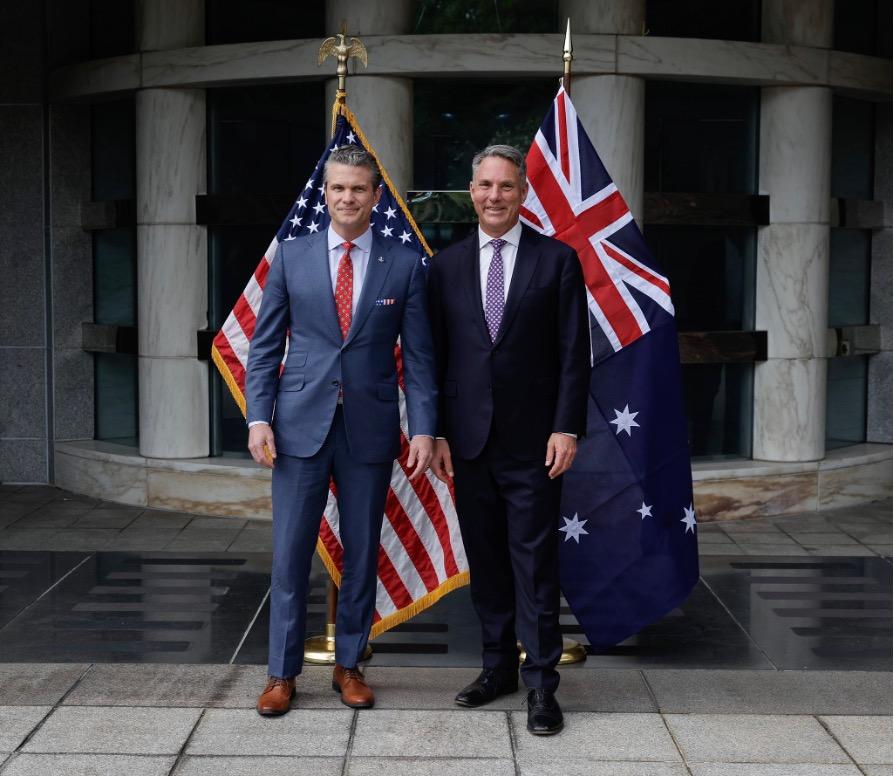
Why This Matters Now
The timing of this dispute is significant because the global economy is already facing uncertainty from inflation pressures, geopolitical conflicts, supply chain disruptions, and slowing growth in several major economies. New trade barriers between important allies could add further instability to international markets.
Trade experts note that Australia and the United States have enjoyed a close economic partnership for many years. While trade disagreements are not unusual, public comments emphasizing an “ideological disagreement” suggest a deeper policy divide. Businesses that depend on exports are watching closely because even modest tariff increases can affect competitiveness, pricing strategies, and future investment decisions.
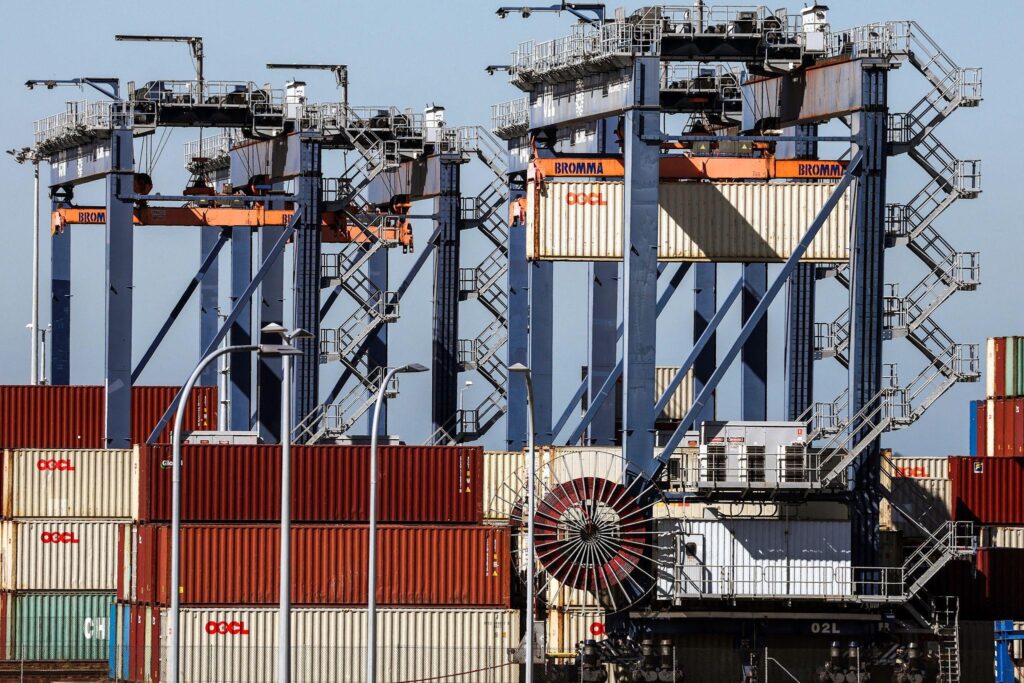
Australia’s Position on Labor Standards and Trade
A major part of Australia’s argument focuses on its existing labor and anti-slavery regulations. Government officials say Australia has comprehensive legal frameworks designed to combat forced labor and modern slavery throughout supply chains. Canberra argues that these measures should exempt Australian goods from any punitive trade actions related to labor concerns.
Australian Trade Minister Don Farrell has already raised concerns directly with US trade representatives. Diplomatic discussions are expected to continue as both governments seek a solution that protects economic interests while maintaining their broader strategic partnership. Analysts believe negotiations could become a key test of how both nations manage disagreements without damaging long-term relations.
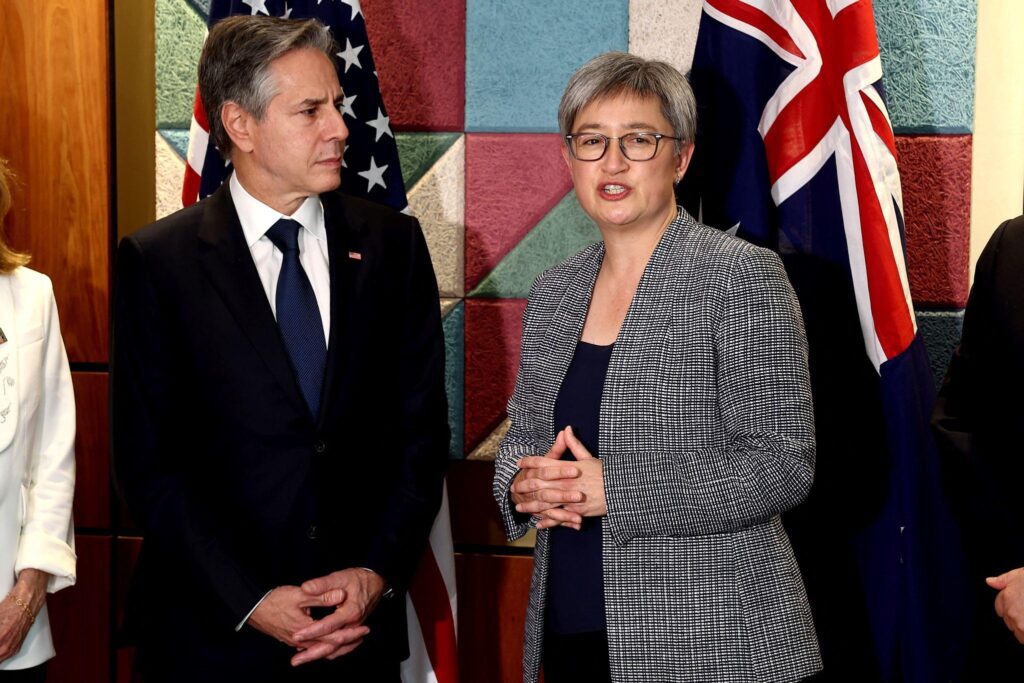
Broader Diplomatic Challenges Facing Australia
The tariff disagreement arrives during a period when Australia is navigating several sensitive international issues. The government has recently taken strong positions on Middle East developments, human rights concerns, and international security matters. These positions have occasionally created friction with some international partners while drawing support from others.
Australia’s foreign policy has increasingly emphasized support for international law, human rights protections, and a rules-based global order. While these principles remain widely supported within the country, balancing them against economic and strategic interests continues to present challenges for policymakers. Recent diplomatic debates involving trade, regional security, and humanitarian issues demonstrate how interconnected modern international relations have become.
Economic Impact on Businesses and Consumers
If the proposed tariff measures move forward, Australian exporters could face higher costs when selling products into the US market. Industries that rely heavily on international trade may need to adjust pricing, supply chains, or investment plans. While the full economic impact remains uncertain, business groups generally prefer stable and predictable trade rules.
Consumers may also feel indirect effects. Higher trade barriers can increase costs throughout supply chains, eventually affecting prices paid by households. Economists frequently warn that tariffs can create inefficiencies by making goods more expensive and reducing competition. This is one reason why many trade experts continue to advocate for free-trade agreements and lower barriers between friendly nations.
What Happens Next
The coming weeks are likely to feature intensive diplomatic engagement between Canberra and Washington. Australian officials will continue arguing that the country’s labor protections already meet high international standards and that additional tariffs are unnecessary. At the same time, American policymakers will face pressure from domestic industries and political groups supporting tougher trade enforcement measures.
The outcome could influence not only Australia-US trade relations but also broader discussions about global trade governance. Other countries targeted by the proposed tariff framework will be watching closely to see whether negotiations lead to exemptions, revisions, or a wider shift in policy.
For now, Australia remains firm in its position that tariffs are not the best solution to global economic challenges. The disagreement has become a major international story because it reflects larger questions about trade, globalization, and the future direction of economic policy among democratic allies. As negotiations continue, businesses and investors around the world will be paying close attention to the results.
Subscribe to trusted news sites like USnewsSphere.com for continuous updates.