US Policy Shake-Up: Energy Emergency, Student Loan Relief, and Federal Restructuring Signal Major Economic Shift is rapidly becoming one of the most important developments shaping the American economy in 2026. A combination of rising energy costs, evolving student debt policies, and structural changes across federal agencies is creating a new economic reality for millions of Americans.
This shift is not happening in isolation. It is the result of mounting pressures—from global oil price volatility to domestic household financial stress. Policymakers are responding with aggressive measures aimed at stabilizing the economy, protecting consumers, and restructuring key institutions. For investors, workers, and businesses, these changes could redefine financial strategies for years to come.
This article explores the full scope of these policy changes, their economic implications, and what they mean for the future of the United States.
Energy Emergency Measures and Their Economic Impact
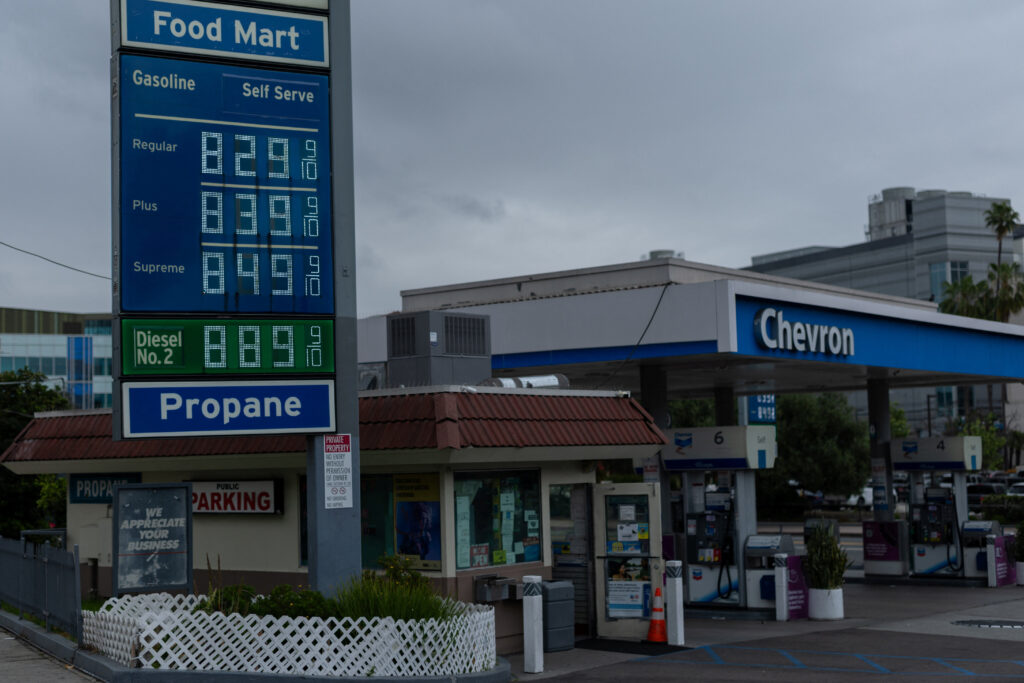
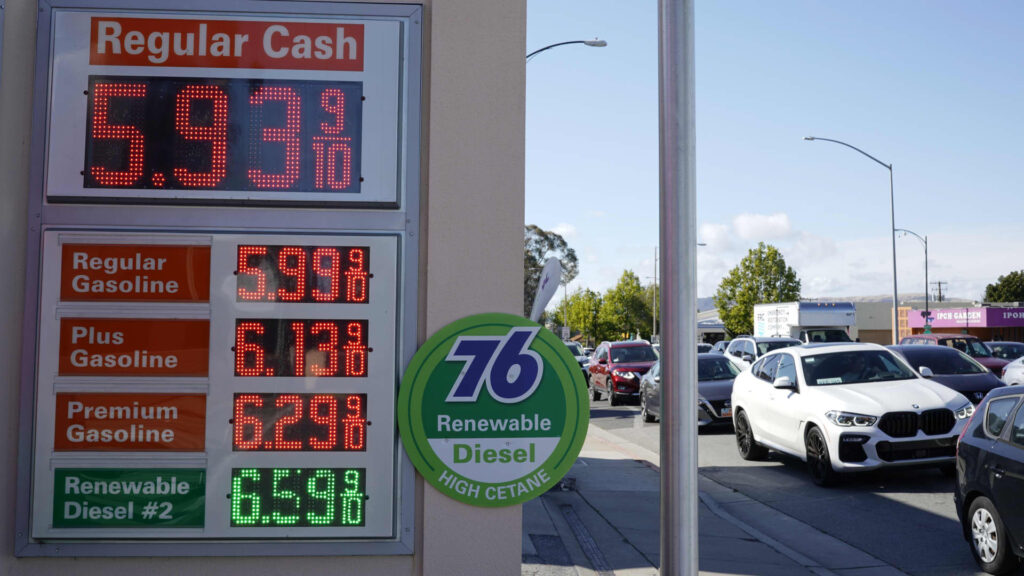
One of the most immediate policy responses in 2026 has been the declaration of energy-related emergency measures in several regions. Rising fuel costs, driven by global supply disruptions and geopolitical tensions, have forced policymakers to act quickly to protect consumers and industries.
In states like Michigan, emergency actions have included temporary adjustments to fuel regulations aimed at increasing supply and reducing costs. These measures are designed to ease pressure on households and businesses that are heavily affected by rising transportation and energy expenses.
However, these short-term solutions come with trade-offs. While they may provide immediate relief, they also highlight deeper structural challenges in the energy sector. The reliance on global oil markets continues to expose the U.S. economy to external shocks, reinforcing the need for long-term energy diversification.
Student Loan Relief and Its Impact on American Households
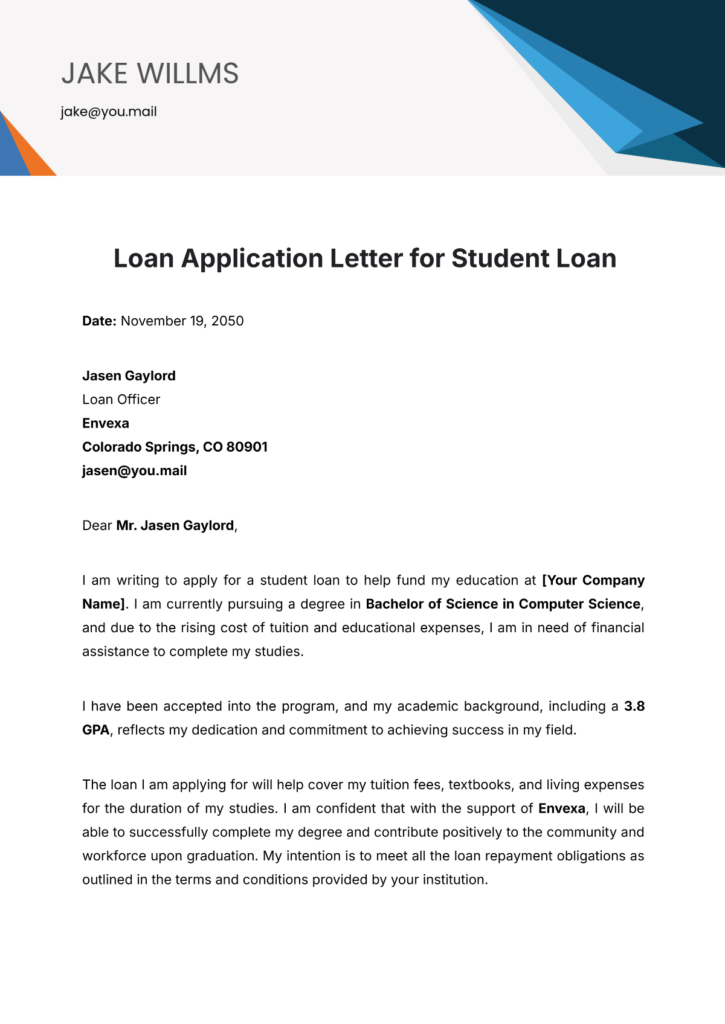
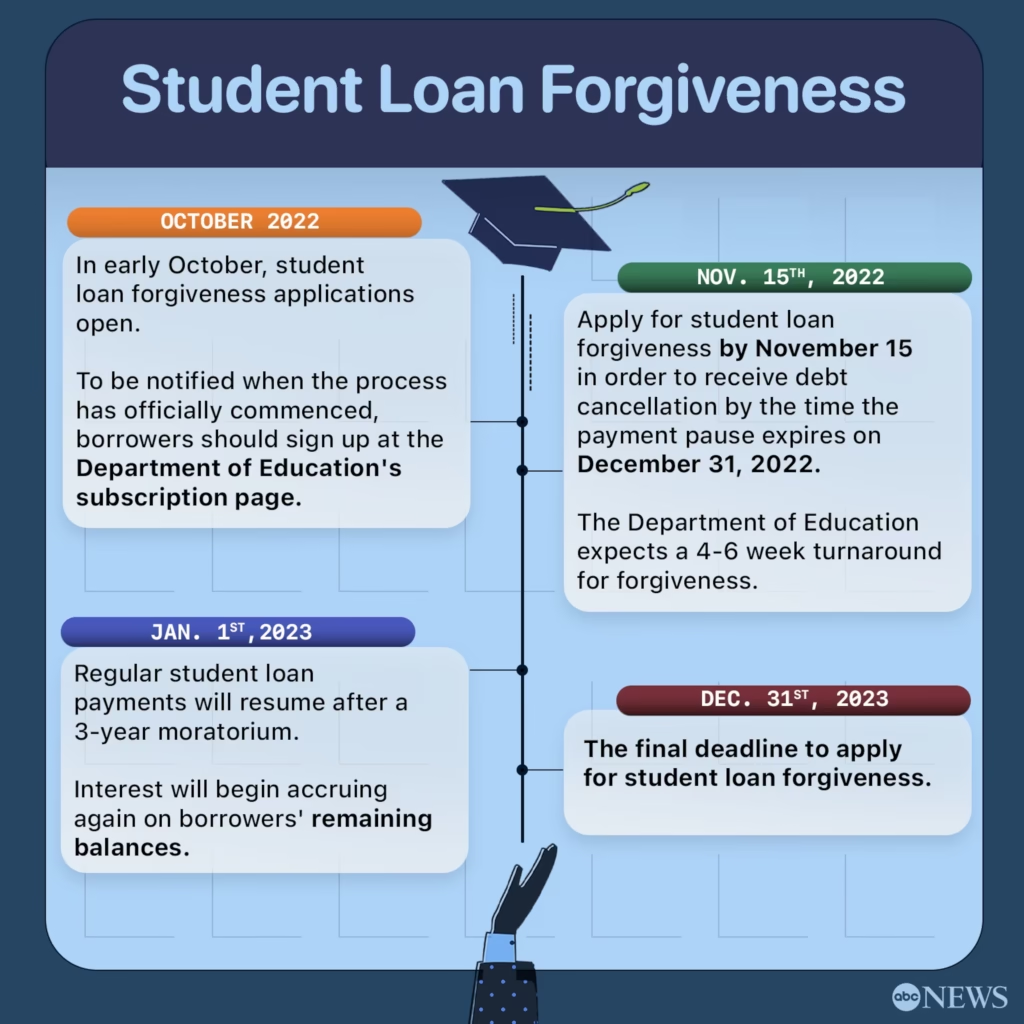
Another major component of the policy shift is the renewed focus on student loan relief. Recent developments have resulted in significant debt relief for hundreds of thousands of borrowers, providing financial breathing room for many households.
This relief is particularly important in the current economic environment, where rising living costs are putting pressure on budgets. By reducing monthly debt obligations, these policies aim to increase disposable income and stimulate consumer spending.
However, the broader implications are complex. While debt relief can boost short-term economic activity, it also raises questions about long-term fiscal sustainability and fairness. Policymakers must balance the need for immediate relief with the potential impact on federal finances and future borrowers.
Federal Restructuring and Institutional Changes
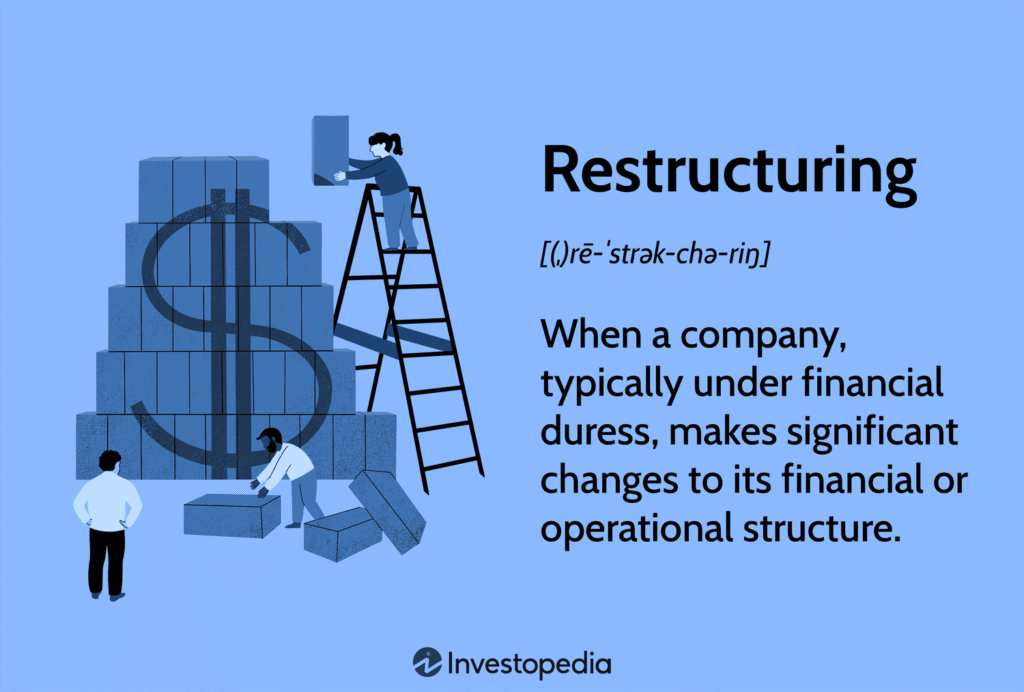
In addition to energy and education policies, the federal government is undergoing structural changes aimed at improving efficiency and reducing costs. This includes the reorganization of certain agencies and the closure or consolidation of facilities across multiple states.
For example, changes within the U.S. Forest Service have sparked debate about the balance between cost savings and the impact on research, environmental management, and local economies.
These restructuring efforts reflect a broader trend toward modernization and resource optimization within the federal government. However, they also create uncertainty for employees and communities affected by these changes.
The long-term success of these reforms will depend on their ability to maintain essential services while achieving efficiency gains.
Economic Ripple Effects Across Markets and Industries
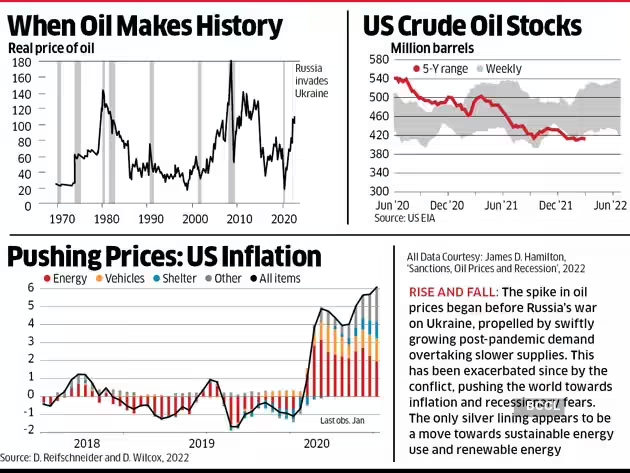
The combined impact of these policy changes is being felt across multiple sectors of the economy. Energy price adjustments influence transportation, manufacturing, and retail, while student loan relief affects consumer spending patterns.
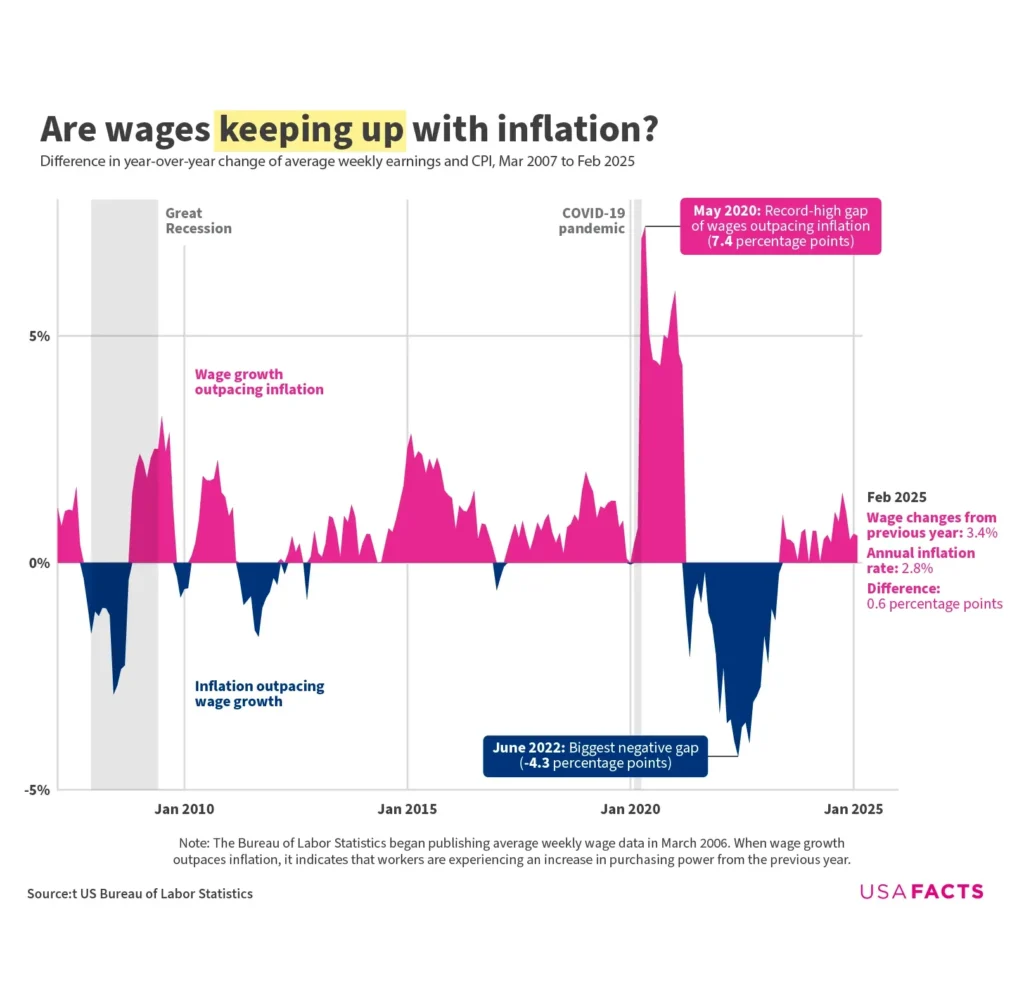
Financial markets are also reacting to these developments. Investors are closely monitoring policy signals to assess their impact on economic growth, inflation, and interest rates. Sectors such as energy, education services, and government contracting are particularly sensitive to these changes.
For businesses, adapting to this evolving environment is critical. Companies must navigate shifting costs, regulatory changes, and consumer behavior trends to remain competitive.
Risks and Challenges Ahead
While these policy measures aim to stabilize the economy, they also introduce new risks and challenges. Energy policies may provide short-term relief, but do not fully address long-term supply issues. Similarly, student loan relief may boost consumption but could contribute to fiscal pressures.
Federal restructuring efforts, while intended to improve efficiency, may face resistance and operational challenges. Ensuring that essential services are not disrupted will be a key concern.
Another risk is policy uncertainty. Rapid changes can create confusion for businesses and investors, making it difficult to plan for the future. Clear communication and consistent implementation will be essential to minimize disruption.
Expert Insights: What This Means for Investors and Consumers
Experts suggest that the current policy environment requires a proactive approach. For consumers, managing finances carefully and taking advantage of available relief programs can help navigate economic uncertainty.
For investors, diversification remains a critical strategy. Policy changes can create both risks and opportunities, depending on how different sectors are affected. Energy, infrastructure, and consumer-focused industries may see significant shifts in performance.
Staying informed is more important than ever. Understanding how policy changes impact markets and the broader economy can provide a strategic advantage.
Market Outlook: A Transformational Phase for the US Economy
Looking ahead, the U.S. economy is entering a transformational phase. The combination of energy challenges, financial relief measures, and institutional restructuring is reshaping the economic landscape.
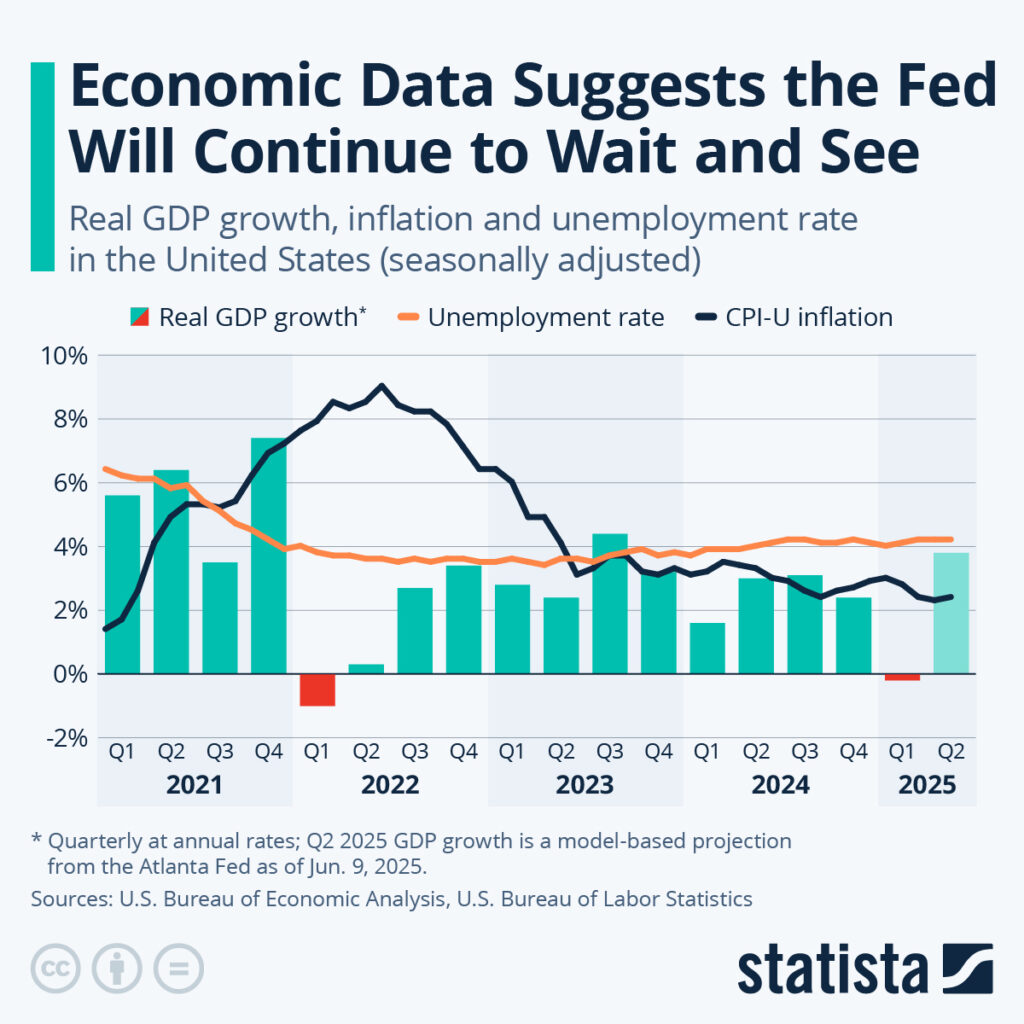
While uncertainty remains, these changes also create opportunities for innovation and growth. Investments in renewable energy, technological advancements, and policy-driven sectors could drive future economic expansion.
The key question is how effectively these policies are implemented and whether they can achieve their intended goals without unintended consequences.
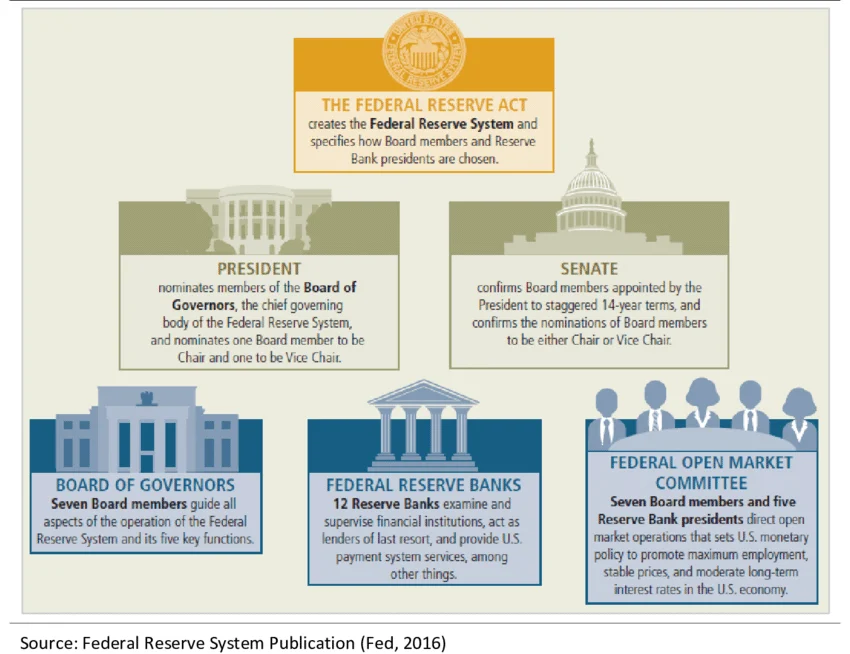
A Defining Moment for US Economic Policy
US Policy Shake-Up: Energy Emergency, Student Loan Relief, and Federal Restructuring Signal Major Economic Shift represents a pivotal moment in the evolution of the American economy. The decisions made today will have lasting implications for households, businesses, and financial markets.
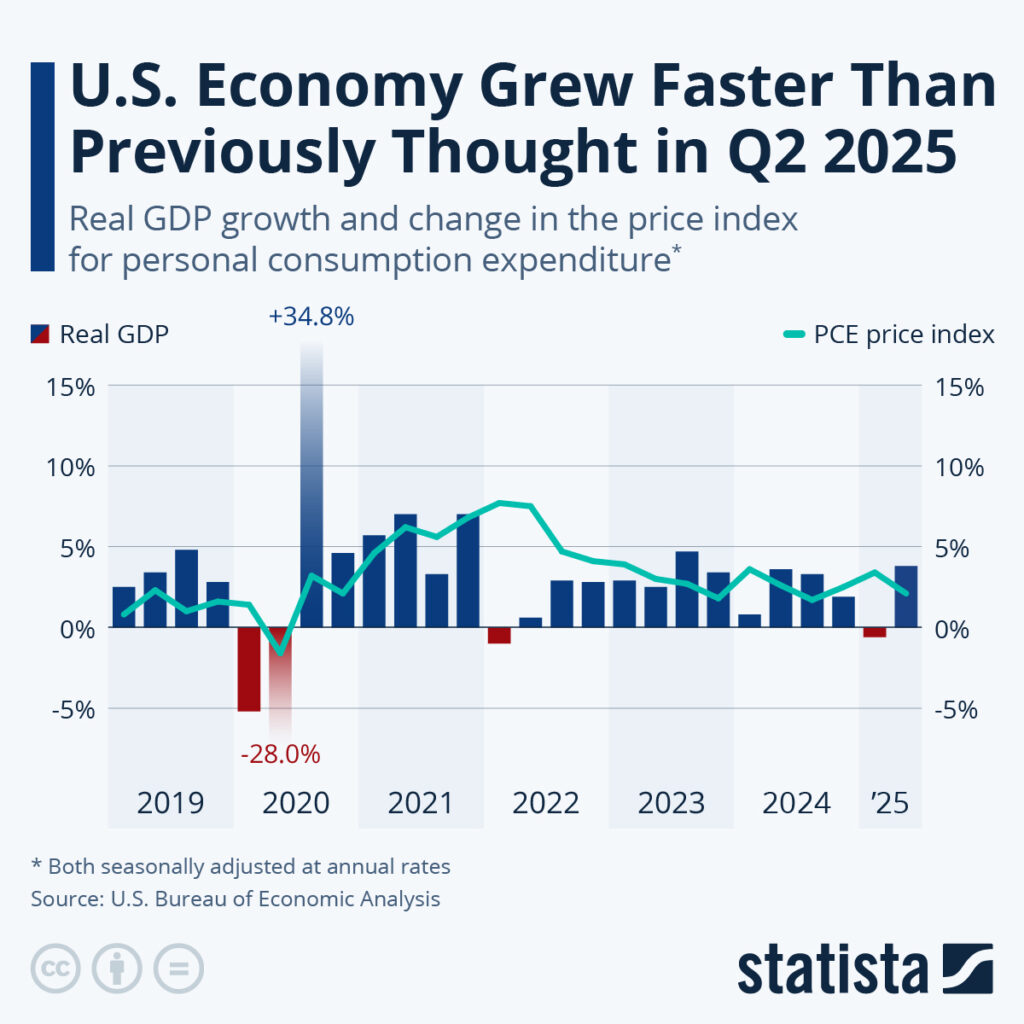
As policymakers navigate this complex environment, the focus must remain on balancing short-term relief with long-term sustainability. For individuals and investors, staying informed and adaptable will be essential.
The road ahead may be uncertain, but it is also filled with opportunities for those who understand the changing landscape and act strategically.
Subscribe to trusted news sites like USnewsSphere.com for continuous updates.