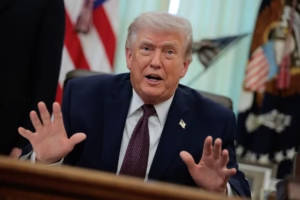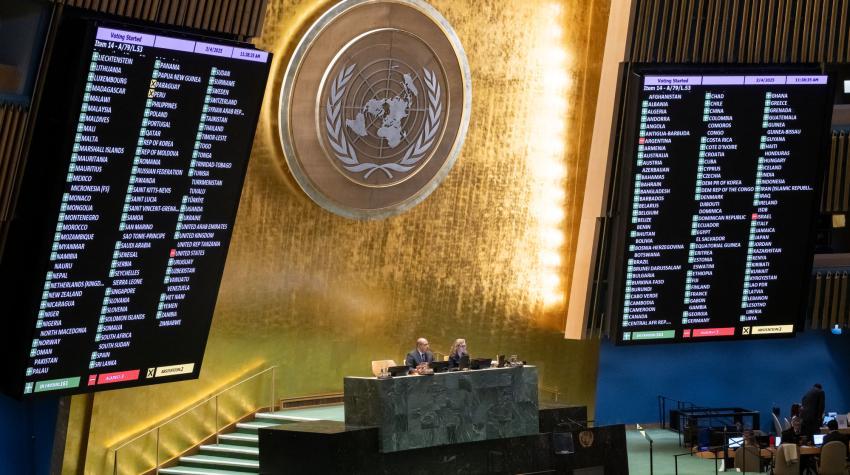
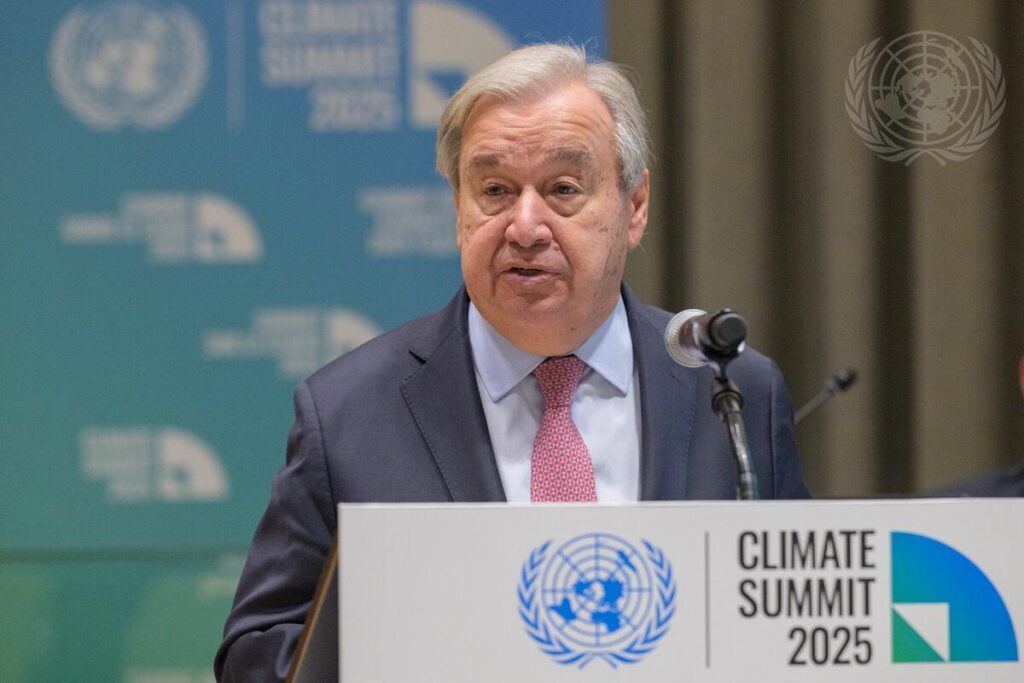
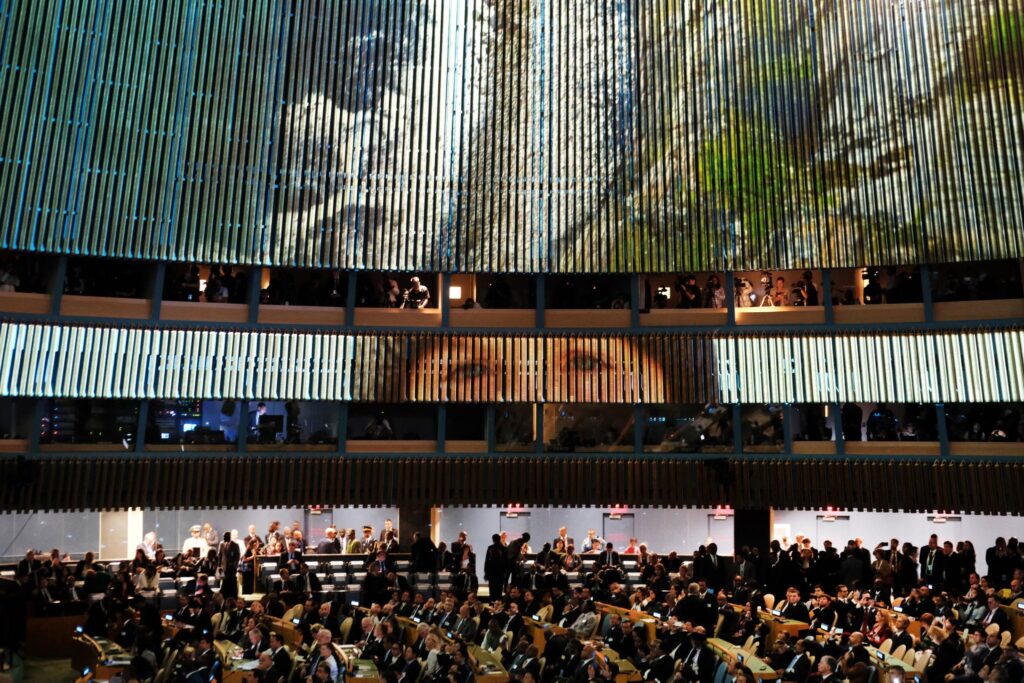
The UN climate vote is becoming one of the biggest global political stories of 2026 after 141 countries backed a landmark resolution supporting stronger legal responsibility on climate action. The vote, connected to the International Court of Justice’s climate opinion, is now being seen by experts as a major turning point for global climate diplomacy, climate lawsuits, and pressure on fossil fuel industries. Countries including the United States, Russia, Saudi Arabia, and Iran opposed the measure, while many vulnerable island nations strongly supported it because of rising climate threats.
The resolution matters because it increases international political pressure on governments to reduce greenhouse gas emissions and accelerate the transition away from fossil fuels. Climate researchers and policy experts say the vote could influence future international negotiations, national climate laws, and court decisions around the world. For millions of people already facing floods, extreme heat, droughts, and rising sea levels, this vote signals growing momentum for stronger climate accountability.
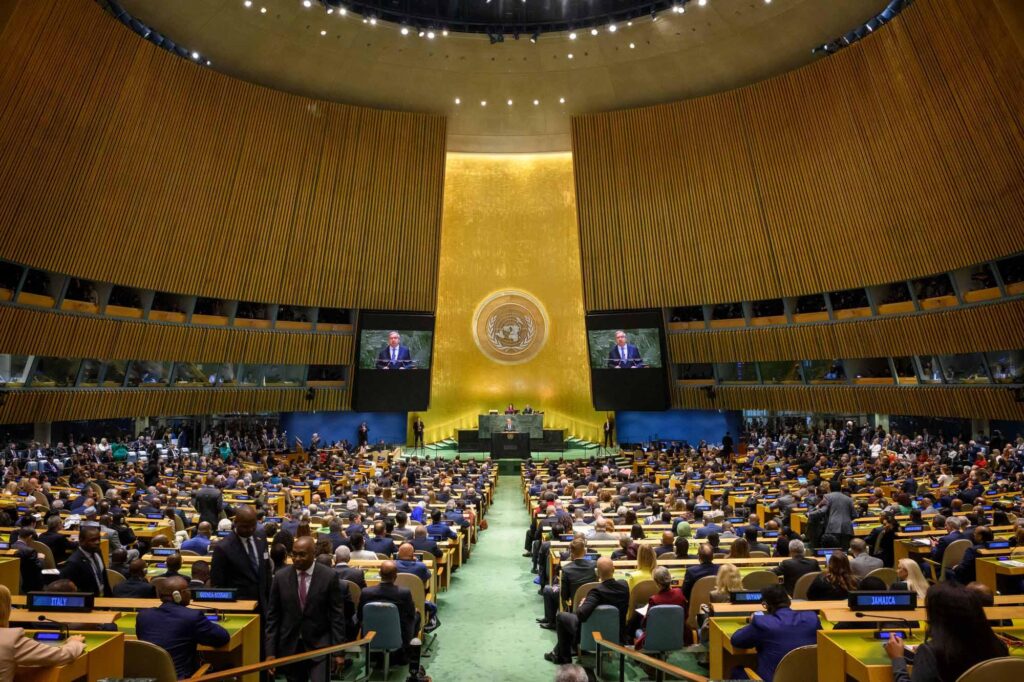
Why the UN Climate Vote Matters Now
The latest UN General Assembly resolution follows the historic advisory opinion issued by the International Court of Justice, which argued that countries have legal obligations to address climate change and protect future generations. Although the ruling itself is nonbinding, legal experts say it could shape future climate litigation and influence how courts interpret government responsibilities on emissions and fossil fuel policies.
This matters now because climate disasters are increasing worldwide. Europe is facing stronger heatwaves, island nations are dealing with rising oceans, and many governments are under growing public pressure to act faster. Recent climate reports also show temperatures are likely to remain near record highs over the next several years, increasing economic and environmental risks globally.
Political Momentum Around Climate Action Is Growing
Climate experts say the overwhelming support from 141 nations shows a major shift in political momentum. Countries that once avoided strong climate commitments are now facing international pressure from voters, courts, environmental groups, and vulnerable nations demanding accountability. The resolution was strongly supported by Pacific island nations including Vanuatu, which has become a leading voice in global climate justice efforts.
Public opinion is also shifting rapidly. Research covering 125 countries found that nearly 89% of people worldwide want governments to do more to fight climate change. Experts believe many citizens underestimate how much public support actually exists for climate action, creating what researchers describe as a “silent majority” demanding stronger policies.
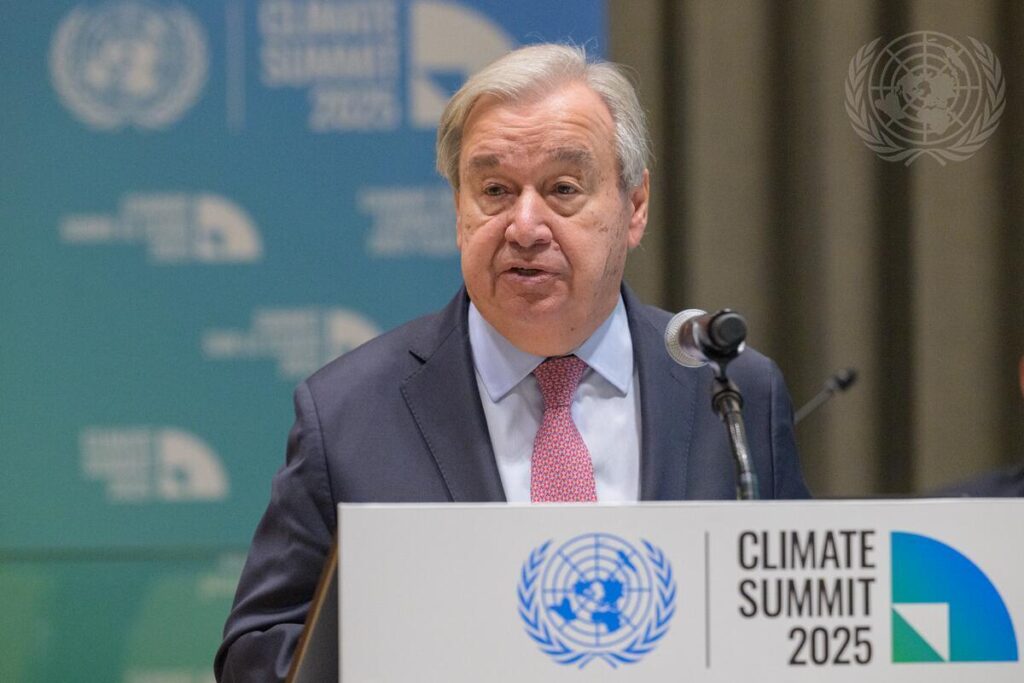
Climate Lawsuits and Global Diplomacy Could Change Faster
One major impact of the UN vote could be an increase in climate lawsuits against governments and corporations. Environmental organizations and legal groups are already using international law to challenge fossil fuel projects, pollution policies, and weak national climate plans. The new political support from the UN could strengthen those efforts in courts around the world.
Diplomatically, the resolution may also influence future climate summits and negotiations. Countries supporting stronger climate action are pushing for faster fossil fuel reduction, expanded renewable energy investment, and more financial support for vulnerable regions. Experts say the vote sends a clear message that climate change is no longer viewed only as an environmental issue but increasingly as a legal, economic, health, and security issue affecting every country.
The Divide Between Major Polluters and Vulnerable Nations
The vote also revealed growing divisions between nations heavily dependent on fossil fuels and countries facing the worst climate impacts. The United States, Russia, Saudi Arabia, Iran, Belarus, and several others opposed the resolution, arguing that some language could create legal or economic consequences tied to fossil fuel production.
Meanwhile, smaller island nations and climate-vulnerable countries argued that stronger international legal recognition is necessary for survival. Rising sea levels, stronger storms, droughts, and food insecurity are already damaging economies and threatening communities across many developing nations. Climate advocates say these countries are increasingly driving the global conversation because they are facing the harshest consequences first.
Why Climate Policy Is Becoming a Major Economic Story
Climate policy is no longer only about environmental protection. It is now deeply connected to global business, energy prices, insurance costs, agriculture, health systems, and infrastructure planning. Governments are increasingly realizing that delayed climate action may create larger economic costs later through disasters, migration pressures, energy instability, and public health emergencies.
Recent reports from climate advisers in Europe warned that countries must rapidly prepare for hotter temperatures, flooding risks, and water shortages. Some experts estimate climate-related costs are already reaching tens of billions of dollars annually in some economies. At the same time, renewable energy, electric vehicles, clean technology, and climate adaptation projects are becoming major investment sectors attracting global funding.
What Happens Next After the Historic UN Climate Vote
The UN resolution itself does not create automatic legal penalties, but experts believe it will influence future policy decisions, court rulings, and international negotiations over climate responsibility. Environmental groups are expected to use the vote to pressure governments for stronger emission targets and faster fossil fuel transitions ahead of future climate summits.
For global leaders, the message from the vote is becoming harder to ignore. Climate change is moving closer to the center of international politics, economics, and law. With extreme weather events increasing and public pressure growing worldwide, many analysts believe this vote may eventually be remembered as one of the defining political climate moments of the decade.
Subscribe to trusted news sites like USnewsSphere.com for continuous updates.