
Dutch Defense Plans Exit From Palantir Amid AI Sovereignty Push as the Netherlands moves to reduce reliance on American defense technology and strengthen Europe’s digital sovereignty. The Dutch Ministry of Defense has signaled that it wants a complete alternative to Palantir’s software within the next two years, marking one of the strongest moves by a European government to reduce dependence on a major U.S. technology provider. The decision comes as governments across Europe increasingly debate who controls military data, artificial intelligence systems, and critical defense infrastructure.
The move matters now because AI-powered defense systems are becoming essential for military planning, intelligence analysis, logistics, and battlefield decision-making. While Palantir remains one of the most influential defense technology companies in the world, European leaders are increasingly questioning whether strategic military capabilities should rely on foreign technology providers.
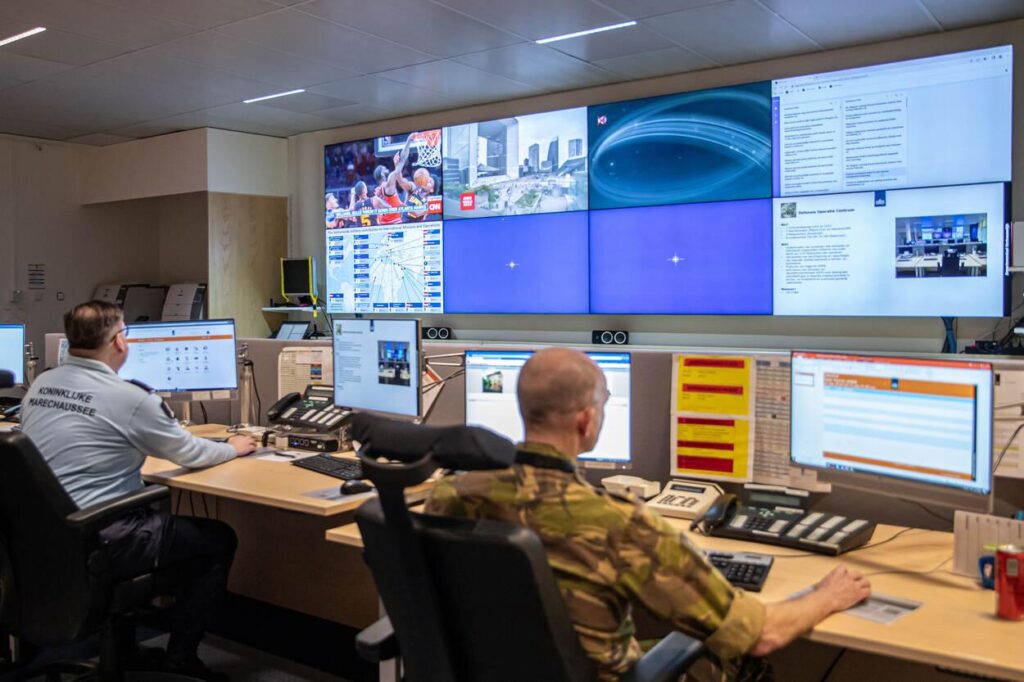
Netherlands Wants Greater Control Over Defense Technology
Dutch State Secretary for Defense Derk Boswijk recently stated that the Ministry of Defense wants a fully operational replacement for Palantir’s software within two years. According to government discussions, replacing the platform sooner would present only limited security risks, giving Dutch officials confidence that a transition is achievable.
The decision reflects a broader shift in European defense thinking. Governments are increasingly seeking greater control over sensitive military data and intelligence systems. Officials want to ensure that critical defense capabilities remain under national or European oversight rather than depending heavily on external technology vendors. This trend has accelerated as geopolitical tensions continue to reshape security priorities across NATO and the European Union.
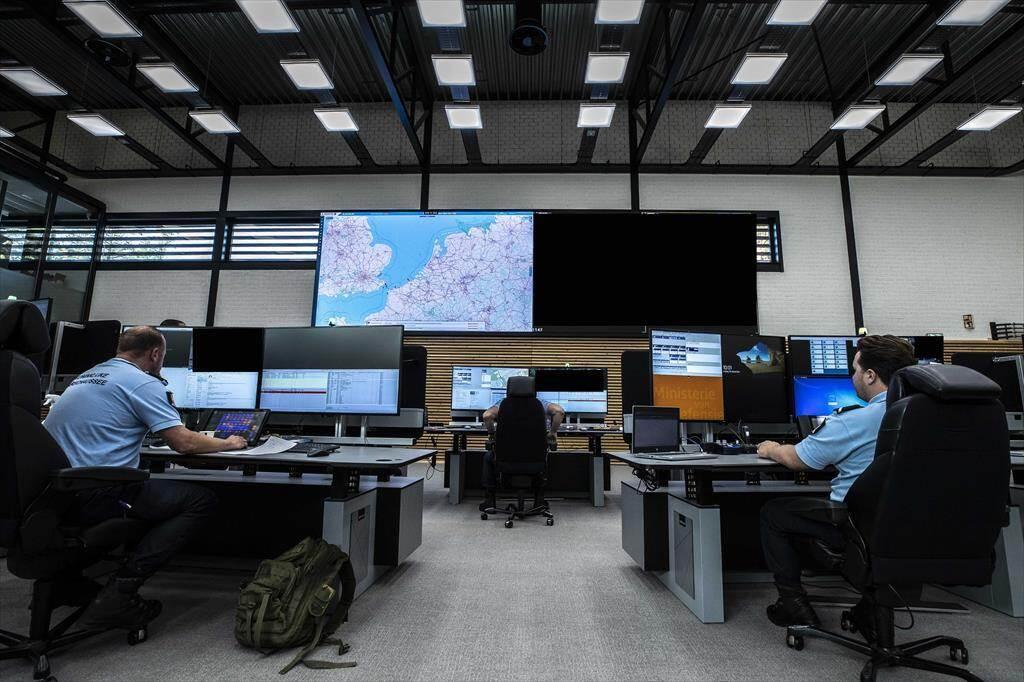
Why Palantir Became So Important to Modern Militaries
Palantir has built a powerful position in defense and intelligence markets by offering advanced software that can combine large amounts of data, identify patterns, and help commanders make faster decisions. The company’s platforms are used by military organizations, intelligence agencies, law enforcement bodies, and government departments around the world.
NATO itself adopted Palantir’s Maven Smart System in a rapid procurement process designed to improve military decision-making capabilities. The company’s technology has also become deeply integrated into defense operations across several allied countries. Supporters argue that Palantir’s software delivers capabilities that few competitors can currently match, especially in the field of AI-powered military analytics.

Europe’s Growing Push for Digital Sovereignty
The Dutch decision is not occurring in isolation. Across Europe, policymakers are increasingly promoting the concept of digital sovereignty. The goal is to ensure that critical technologies, including artificial intelligence, cloud infrastructure, cybersecurity systems, and military software, are developed and controlled within Europe whenever possible.
Several European governments have started exploring alternatives to American technology platforms. Reports indicate that Danish intelligence officials have also examined ways to reduce dependence on Palantir systems. Meanwhile, European technology initiatives are receiving increased investment as governments seek homegrown solutions capable of competing with U.S. firms.
This effort aligns with broader European goals of strengthening technological independence while maintaining close cooperation with NATO allies.
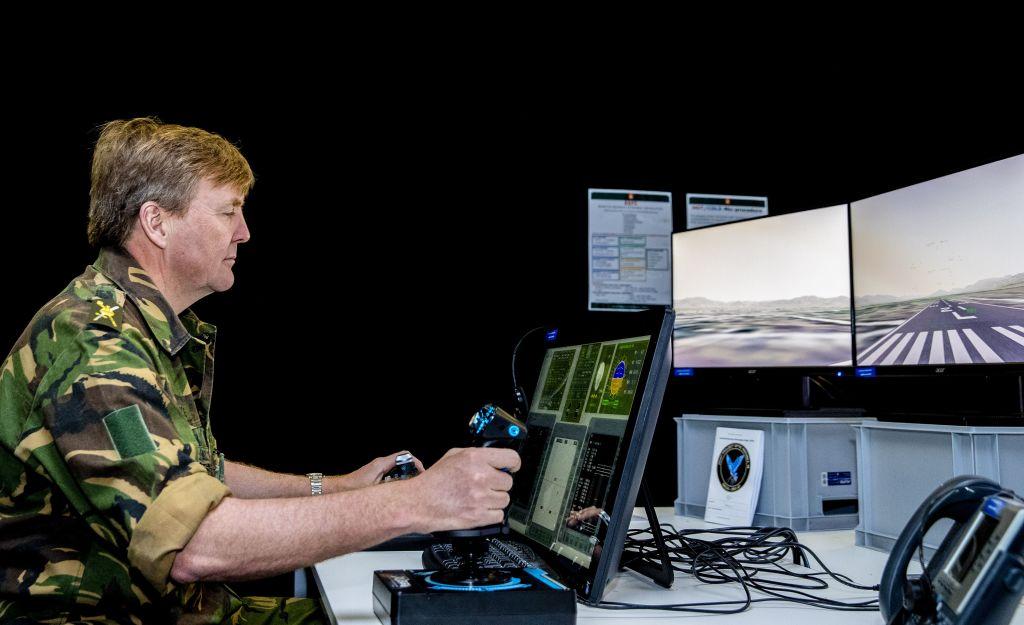
Challenges Facing Any Replacement Project
Although political support for reducing dependence on foreign technology is growing, replacing Palantir will not be easy. Defense experts note that Palantir’s systems have been refined over many years and are deeply integrated into military workflows. Finding an alternative that offers similar performance, reliability, and scalability could prove challenging.
Military organizations require software capable of processing enormous amounts of information in real time. Any replacement platform must support intelligence gathering, operational planning, logistics coordination, and secure collaboration with allies. Building such systems requires significant investment, technical expertise, and years of development.
The Dutch government will likely need to work closely with domestic technology firms, European defense companies, and research institutions to ensure a successful transition.

AI Is Becoming Central to Future Defense Strategies
Artificial intelligence is rapidly transforming modern military operations. Governments are investing billions of dollars in AI-powered systems that can process information faster, improve targeting, strengthen logistics, and support strategic planning. The Netherlands itself has committed substantial investments toward AI and advanced defense technologies in recent years.
As AI becomes more deeply embedded in national security operations, questions about ownership, transparency, accountability, and sovereignty are becoming increasingly important. Countries want assurance that they maintain control over critical systems that could influence military decisions during times of crisis.
The Dutch government’s decision highlights a growing recognition that technological independence may become as strategically important as traditional military strength.
What This Means for Europe and the Global Defense Industry
The Netherlands’ effort to move away from Palantir could become a major test case for Europe. If successful, it may encourage other governments to accelerate investment in domestic and regional defense technology solutions. If difficulties emerge, it could demonstrate just how challenging it is to replace established AI and data analytics platforms.
For Palantir, the development represents a reminder that geopolitical concerns are increasingly influencing technology procurement decisions. While the company remains a major player in defense AI and continues to secure contracts with NATO allies and governments worldwide, demands for greater local control over strategic technologies are growing.
The coming two years will likely determine whether Europe can successfully build competitive alternatives to some of the world’s most influential defense technology platforms. The outcome could shape the future balance between technological sovereignty and international defense cooperation for years to come.
Subscribe to trusted news sites like USnewsSphere.com for continuous updates.