Why Interest Rates Are Rising Again Amid Iran War Fears — And How It Impacts Your Money is becoming one of the most searched financial topics right now as global tensions surge and markets react in real time. Investors, homeowners, and everyday consumers are feeling the ripple effects of geopolitical uncertainty—especially with rising fears surrounding conflict involving Iran and its potential to disrupt oil supply, inflation trends, and global economic stability.
In the past few weeks, bond yields have surged again, central banks are signaling caution, and financial markets are pricing in prolonged high interest rates. This shift is not random—it is deeply connected to geopolitical risk, energy prices, and inflation expectations. If you’re wondering how this affects your savings, loans, investments, or even your monthly expenses, this detailed breakdown will give you a clear, data-driven understanding.
Why Interest Rates Are Rising Again: What’s Driving the Surge Right Now
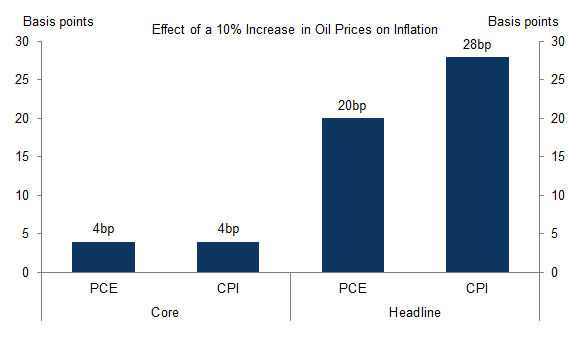
Interest rates are rising again, primarily due to renewed inflation fears tied to geopolitical instability. When tensions rise in regions critical to global energy supply—like the Middle East—markets react quickly. Oil prices become volatile, and any sustained increase in energy costs directly feeds into inflation.
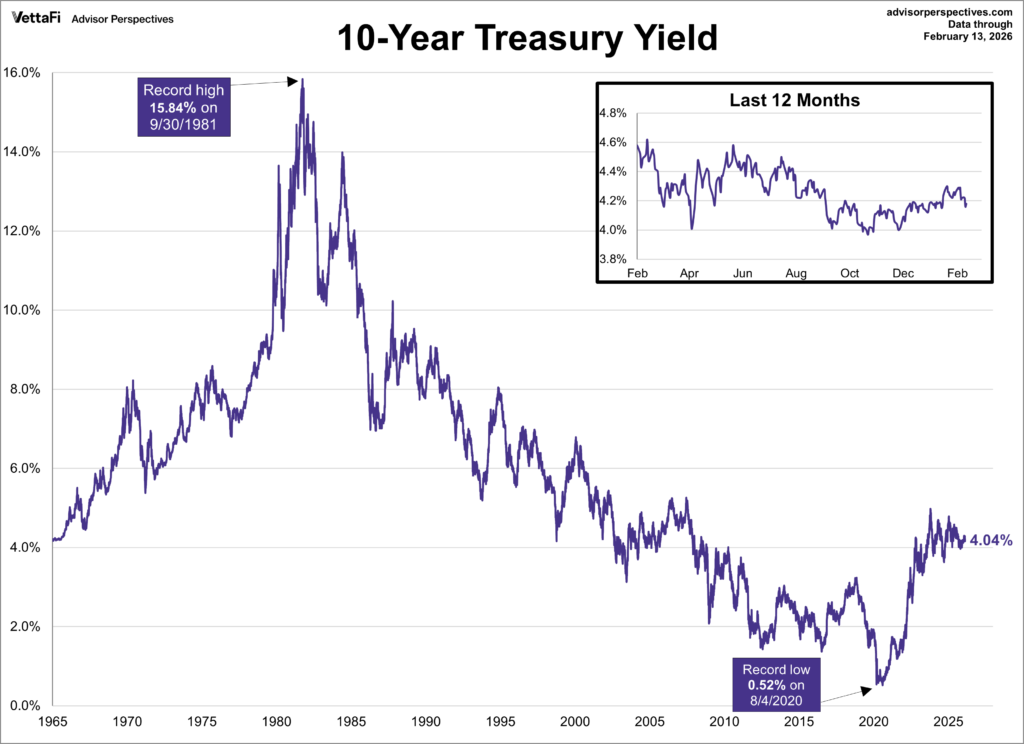
Recent data shows that U.S. Treasury yields, especially the 10-year yield, have climbed back toward critical resistance levels. This signals that investors are demanding higher returns to compensate for inflation and uncertainty. At the same time, central banks such as the Federal Reserve are becoming more cautious about cutting rates too early.
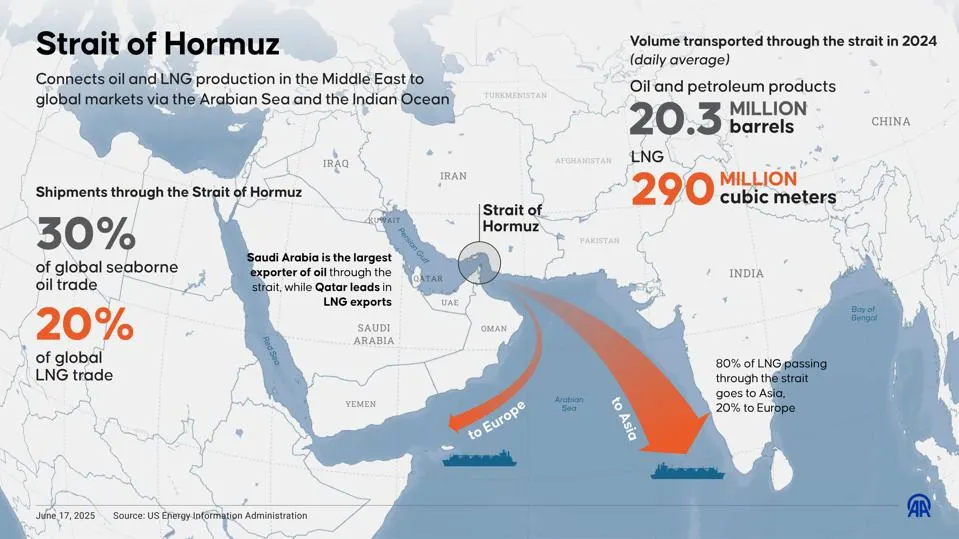
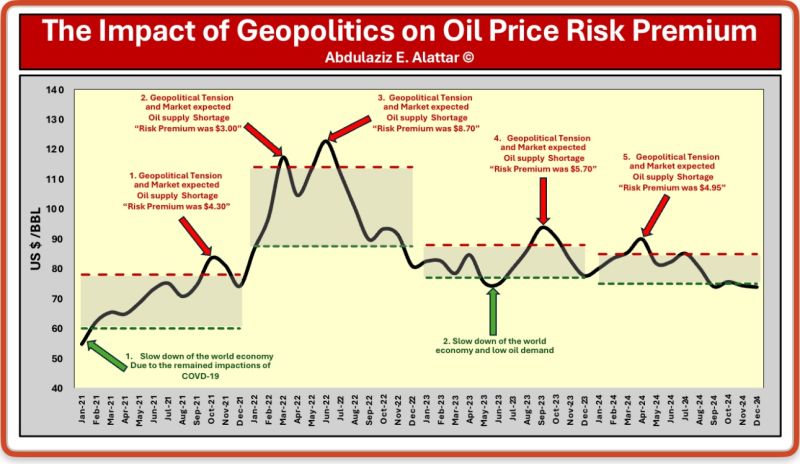
Another important driver is market expectations. Even without an immediate escalation into war, the fear of disruption—especially in key oil routes like the Strait of Hormuz—creates a risk premium. This pushes borrowing costs higher globally, affecting everything from mortgages to business loans.
How Iran War Fears Are Fueling Inflation Again
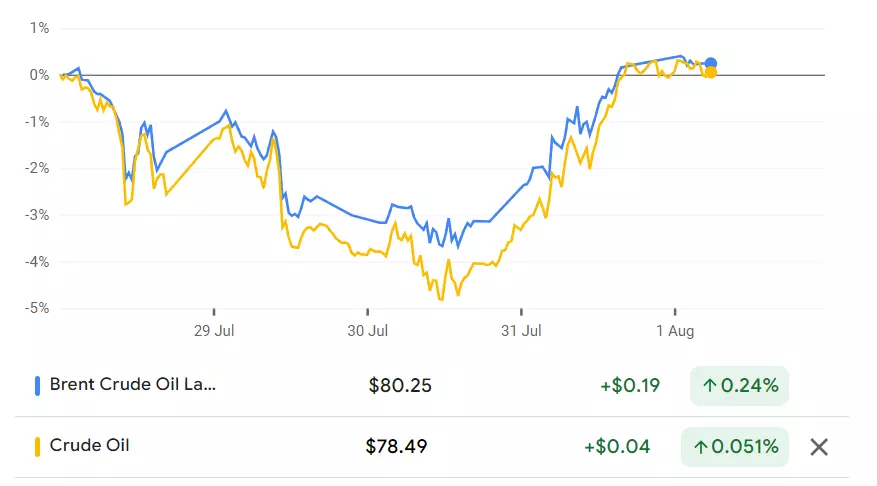
Geopolitical risk and inflation are closely linked, and Iran sits at the center of a critical energy corridor. If tensions escalate, even slightly, oil markets react instantly. Over the past cycles, every spike in Middle East conflict has led to short-term oil price surges of 10–30%.
Higher oil prices impact transportation, manufacturing, and everyday goods. This creates a chain reaction where businesses pass costs onto consumers. As inflation expectations rise, central banks are forced to keep interest rates elevated or even raise them further.
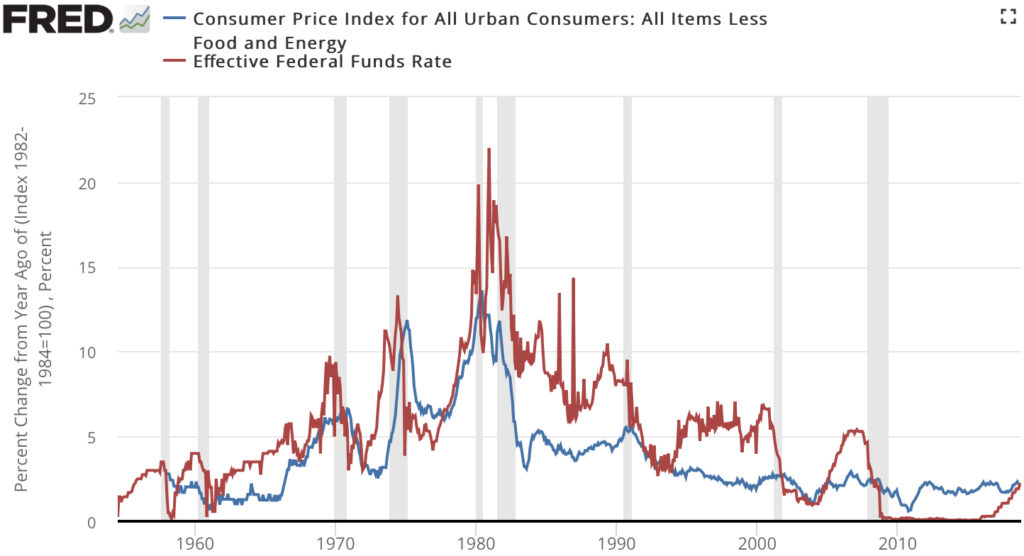
What makes this situation unique is that inflation had already been cooling in many economies. The renewed geopolitical pressure risks reversing that progress. This is why markets are now pricing in a “higher for longer” interest rate environment again.
Impact on Your Loans, Mortgages, and EMIs
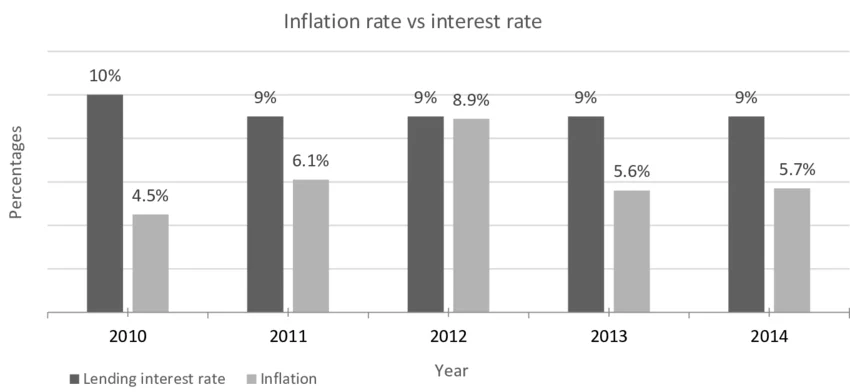
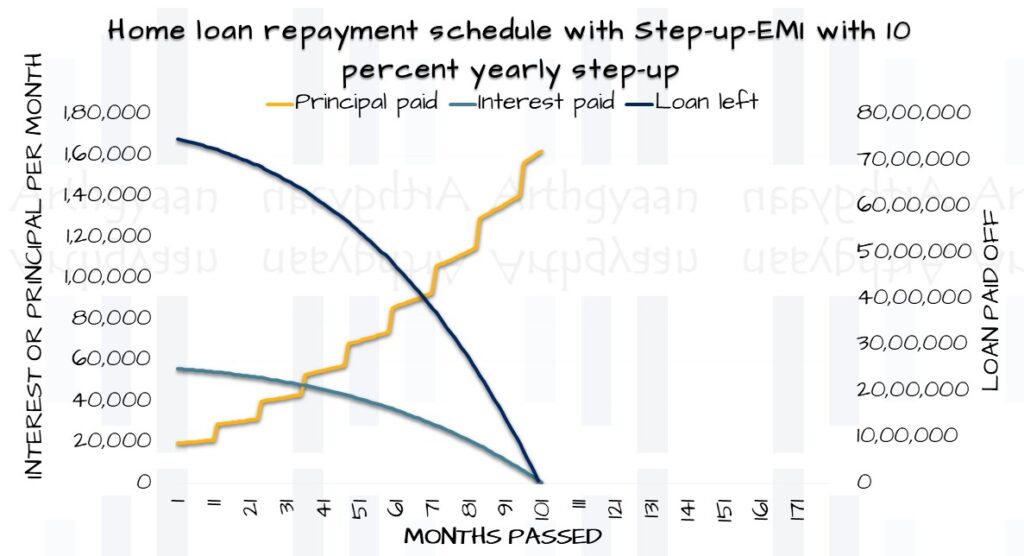
One of the most immediate impacts of rising interest rates is on borrowing costs. If you have a variable-rate loan or are planning to take a mortgage, you are likely to face higher monthly payments.
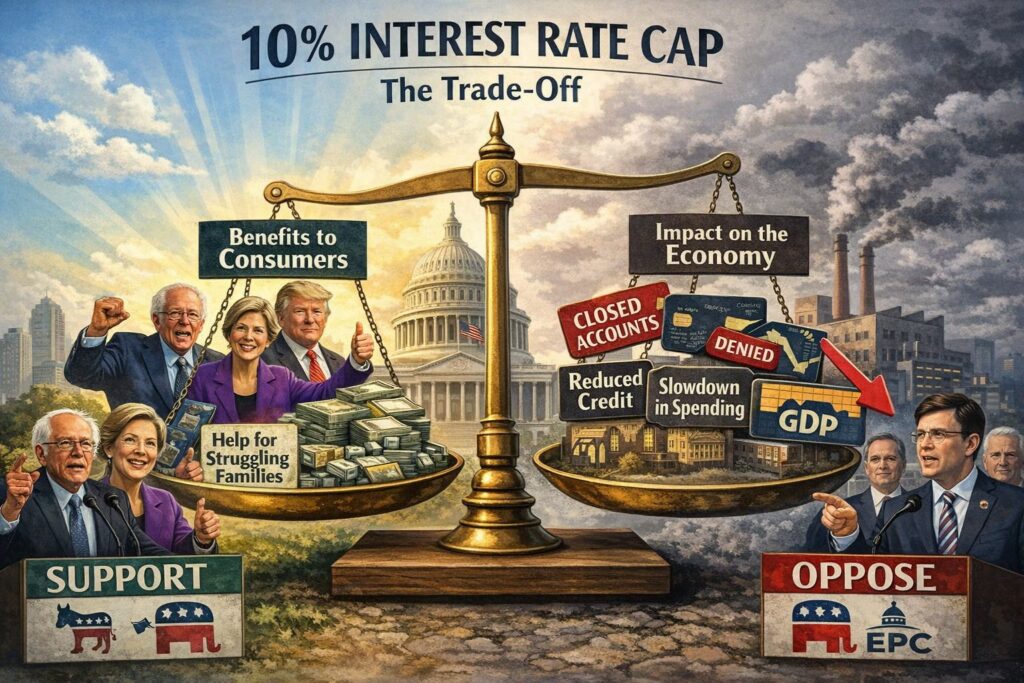
In the United States, mortgage rates have already moved back above key thresholds, making home affordability more challenging. A 1% increase in interest rates can significantly raise the total cost of a home over time. Similarly, credit card interest rates—which are already at record highs—may climb further.
For individuals, this means:
- Higher EMIs on home and auto loans
- Increased cost of refinancing
- Reduced borrowing capacity
This environment forces consumers to rethink major financial decisions. Buying a home, financing a car, or even taking personal loans becomes more expensive and requires careful timing.
What It Means for Stock Markets and Investments
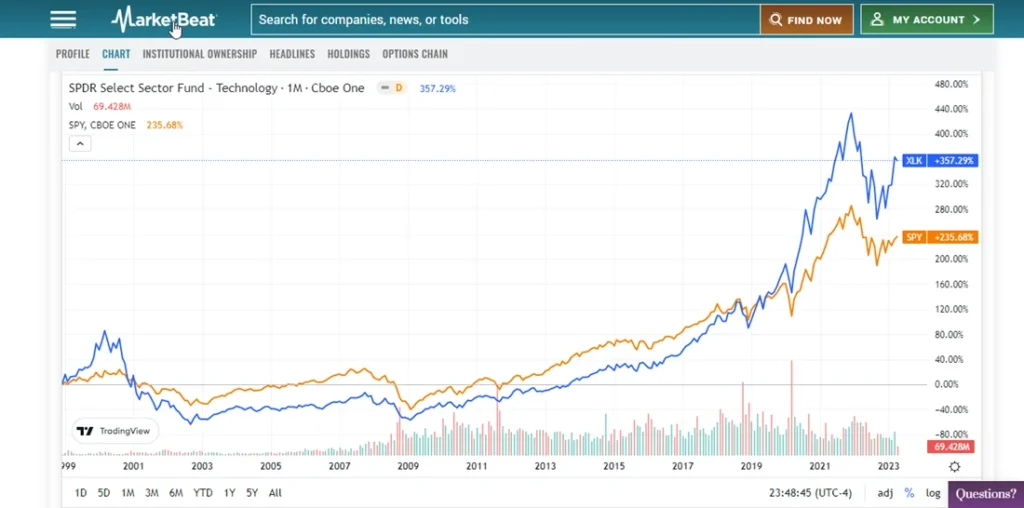
Rising interest rates typically put pressure on stock markets, especially growth stocks and technology companies. When rates go up, future earnings become less attractive in present value terms, leading to valuation corrections.
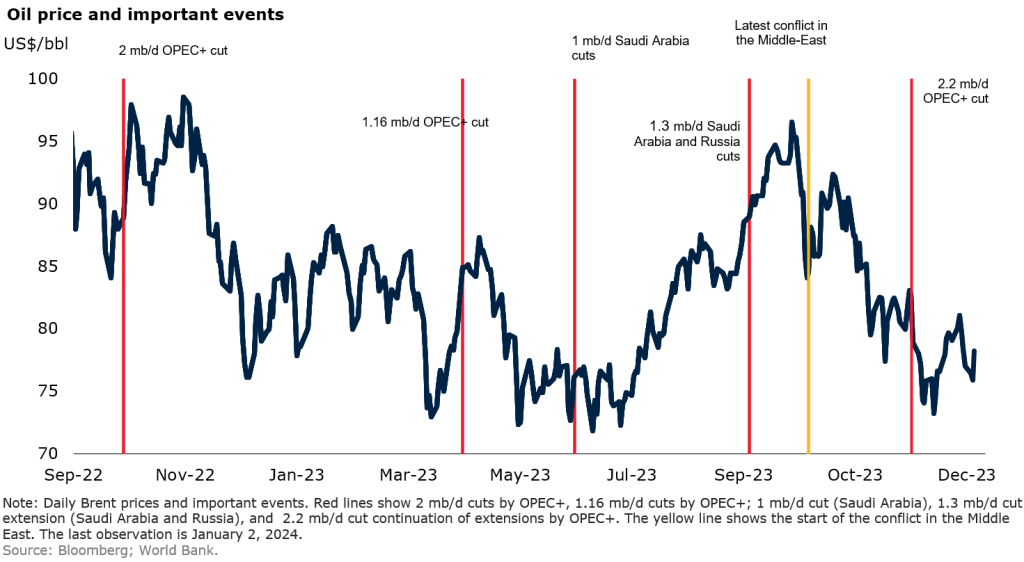
Recently, market volatility has increased significantly. Investors are shifting money from equities to safer assets like bonds, which now offer higher yields. This shift can cause stock markets to experience short-term corrections or sideways movement.
However, not all sectors react the same way. Energy companies, defense stocks, and commodities often perform well during geopolitical tensions. This creates opportunities for investors who understand sector rotation.
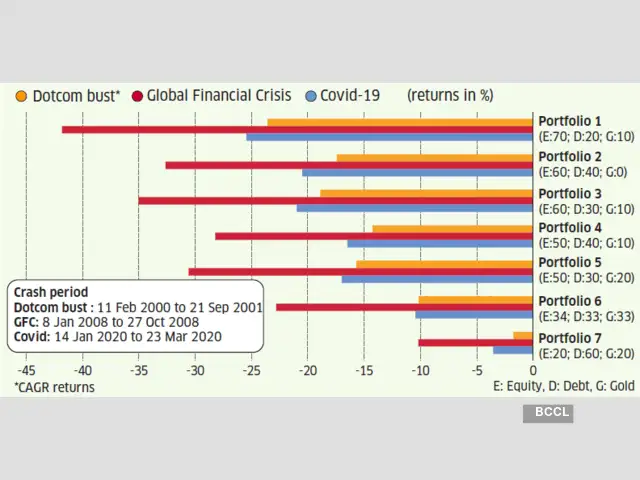
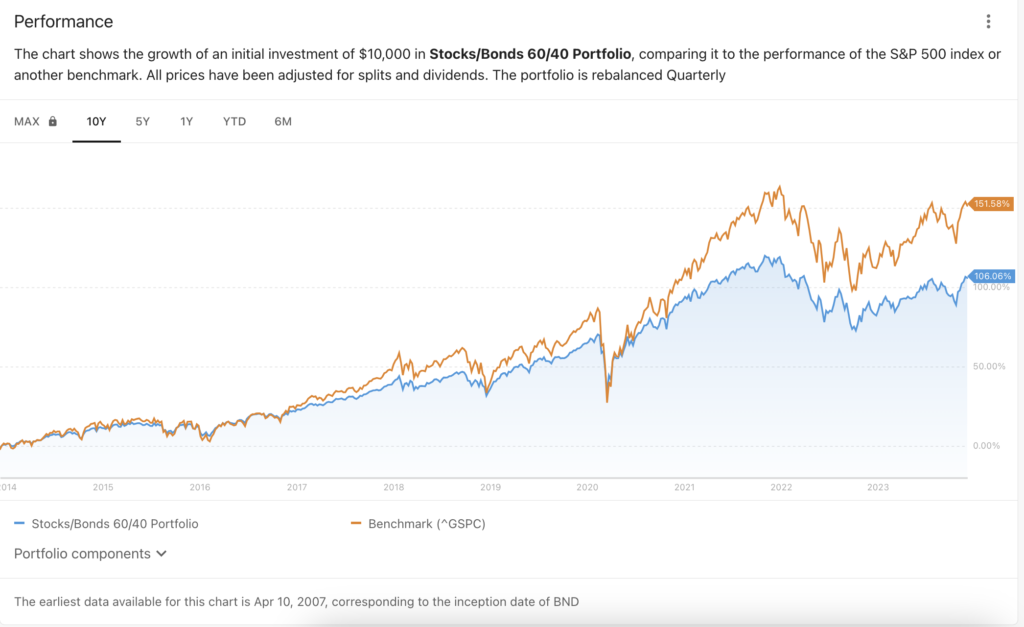
For long-term investors, the key takeaway is not to panic but to diversify. A balanced portfolio that includes equities, bonds, and commodities can help manage risk during uncertain times.
The Bond Market Signal Everyone Is Watching
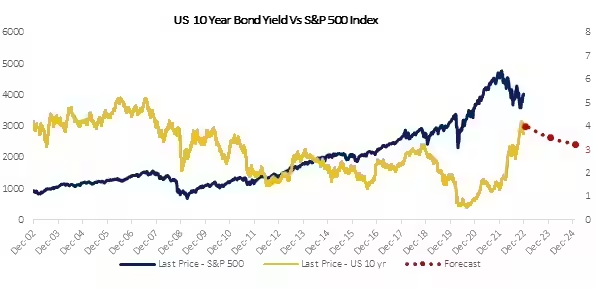
The bond market is currently sending one of the strongest signals about future economic conditions. Rising yields indicate that investors expect inflation to remain persistent and interest rates to stay elevated.
The U.S. 10-year Treasury yield, often seen as a benchmark for global borrowing costs, has been trending upward again. This directly influences mortgage rates, corporate borrowing, and even emerging market currencies.
Another critical signal is the yield curve. If short-term rates remain higher than long-term rates (an inverted yield curve), it often indicates economic slowdown risks. However, the current situation is more complex because geopolitical factors are distorting traditional signals.
This makes the current cycle different from previous ones—interest rates are not just reacting to economic data but also to geopolitical uncertainty.
Market Outlook: What Could Happen Next
Looking ahead, the trajectory of interest rates will depend on three key factors:
- Whether geopolitical tensions escalate further
- The direction of oil prices
- Inflation data over the next few months
If tensions ease, we could see some stabilization in rates. However, if conflict risks increase or oil prices spike sharply, central banks may delay rate cuts even further.
Many analysts now believe that interest rates could remain elevated through 2026, especially if inflation proves sticky again. This means consumers and businesses need to prepare for a prolonged period of higher borrowing costs.
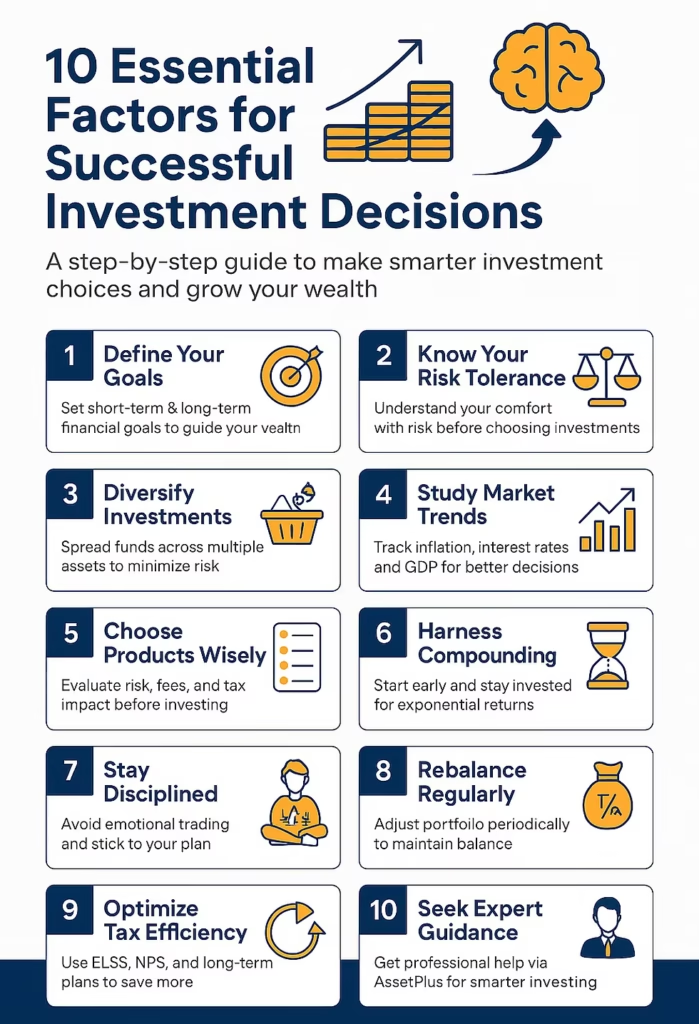
At the same time, this environment also creates opportunities. Higher interest rates mean better returns on savings accounts, fixed deposits, and bonds. For disciplined investors, this can be a chance to rebalance portfolios and lock in higher yields.
How You Should Manage Your Money Right Now
In a rising interest rate environment driven by geopolitical uncertainty, financial discipline becomes critical. Here are some practical strategies:
- Prioritize paying off high-interest debt
- Avoid unnecessary loans during peak rate cycles
- Diversify investments across asset classes
- Increase emergency savings
If you are an investor, focus on long-term fundamentals rather than short-term market noise. If you are a borrower, consider fixed-rate options to protect against future hikes.
The key is adaptability. Markets are changing rapidly, and those who adjust early will be in a stronger financial position.
Why This Moment Matters More Than Ever
The return of rising interest rates amid Iran war fears is a reminder that global events can quickly reshape financial realities. What started as geopolitical tension is now influencing inflation, central bank policies, and everyday financial decisions.
For individuals, this is not just a macroeconomic story—it directly impacts your loans, investments, and purchasing power. Understanding these shifts is the first step toward making smarter financial decisions.
As uncertainty continues, staying informed and proactive will be the difference between financial stress and financial stability. The global economy is entering a more complex phase, and awareness is your strongest advantage.
Subscribe to trusted news sites like USnewsSphere.com for continuous updates.