Oil Shock and War Risks Push Inflation Fears Higher — Will Interest Rates Stay Elevated Longer Than Expected? is becoming one of the most urgent economic questions in 2026. As geopolitical tensions disrupt global energy supply chains, oil prices are rising sharply, reigniting inflation concerns across the United States and worldwide.
This situation is forcing investors, policymakers, and central banks—especially the Federal Reserve—to rethink expectations around interest rates. What many hoped would be a period of easing monetary policy is now being challenged by persistent inflation risks driven by energy costs and global instability.

Why Oil Prices Are Rising Again in 2026
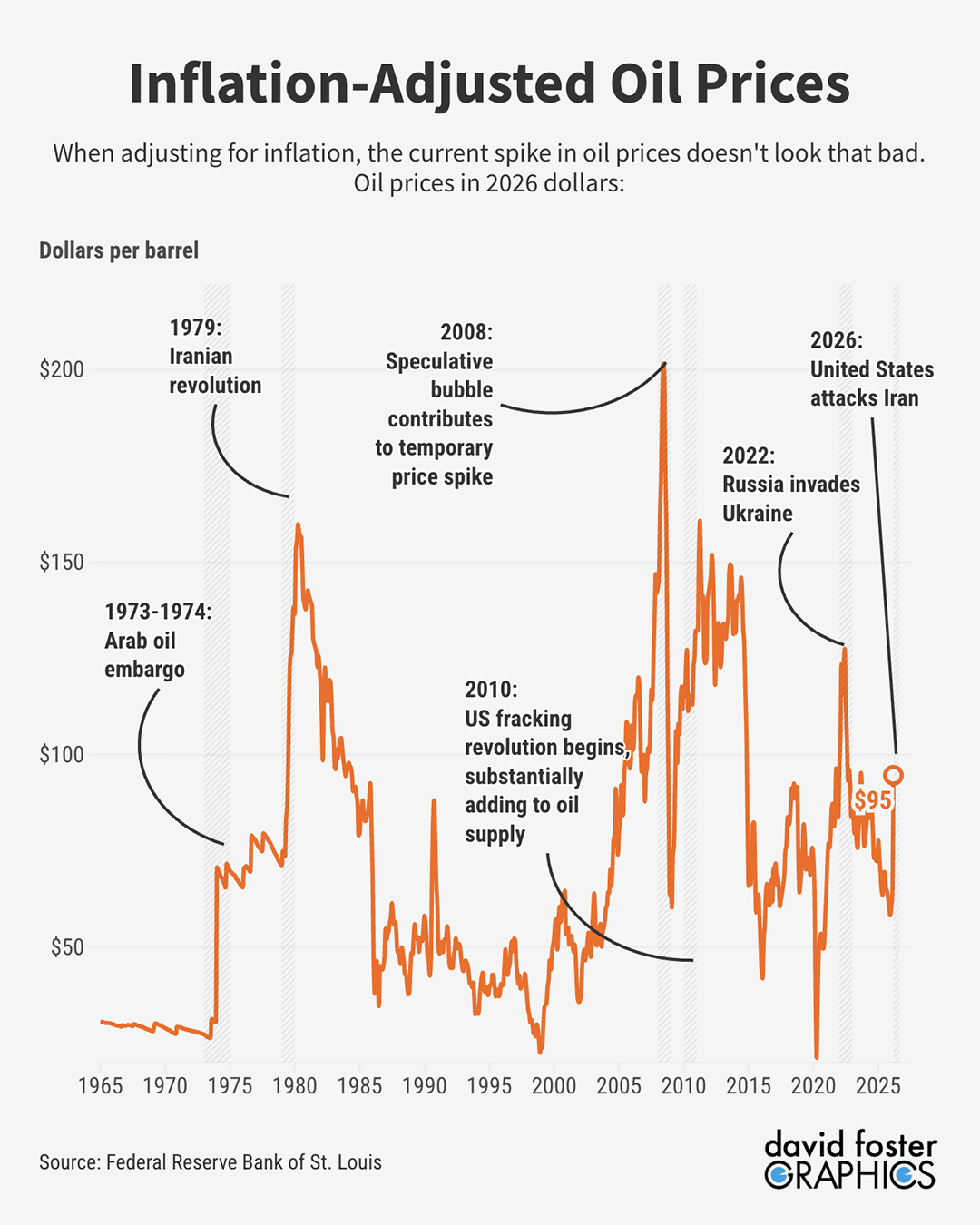
The recent surge in oil prices is closely tied to geopolitical tensions, particularly in regions critical to global energy supply. Disruptions or even the threat of disruptions in key shipping routes can significantly reduce supply and increase prices.
Energy markets are highly sensitive to uncertainty. Even minor escalations in conflict can lead to sharp price movements as traders anticipate potential shortages. This creates a ripple effect across global markets, impacting everything from transportation to manufacturing.
In addition to geopolitical risks, structural factors such as limited production capacity and underinvestment in energy infrastructure are also contributing to higher oil prices. These underlying issues make the market more vulnerable to shocks.
How Oil Shocks Translate Into Higher Inflation
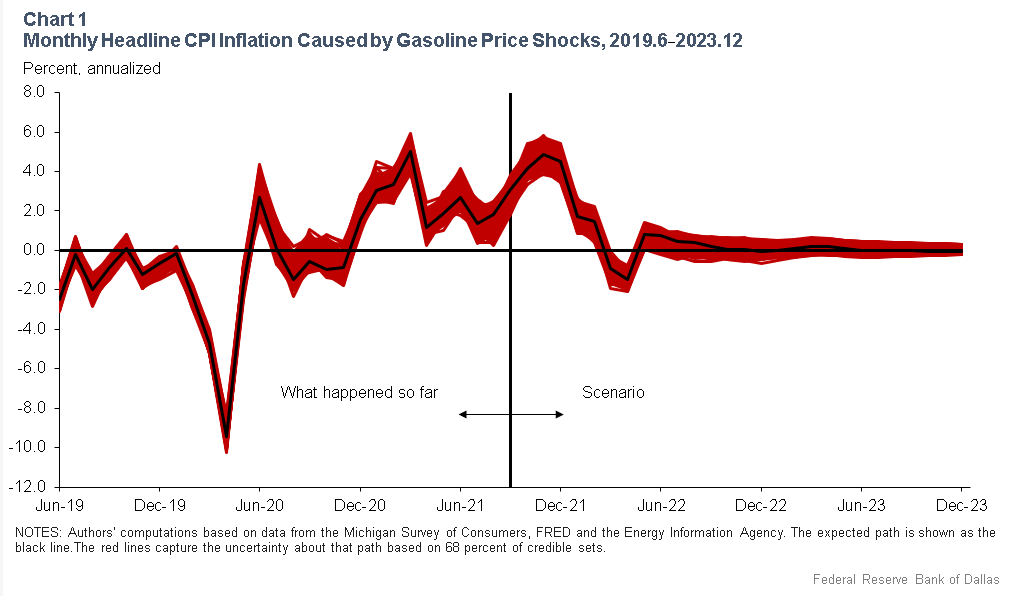
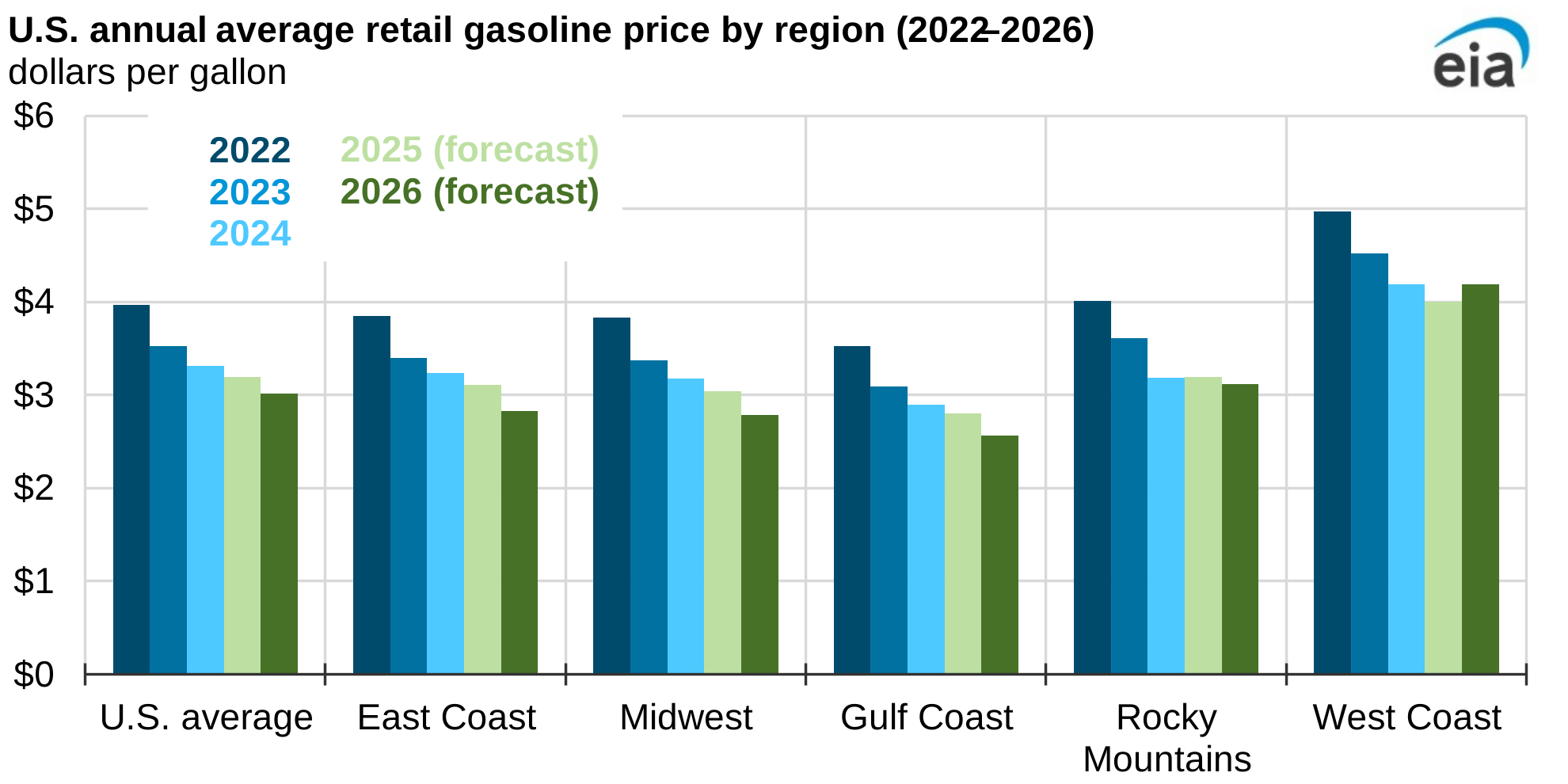
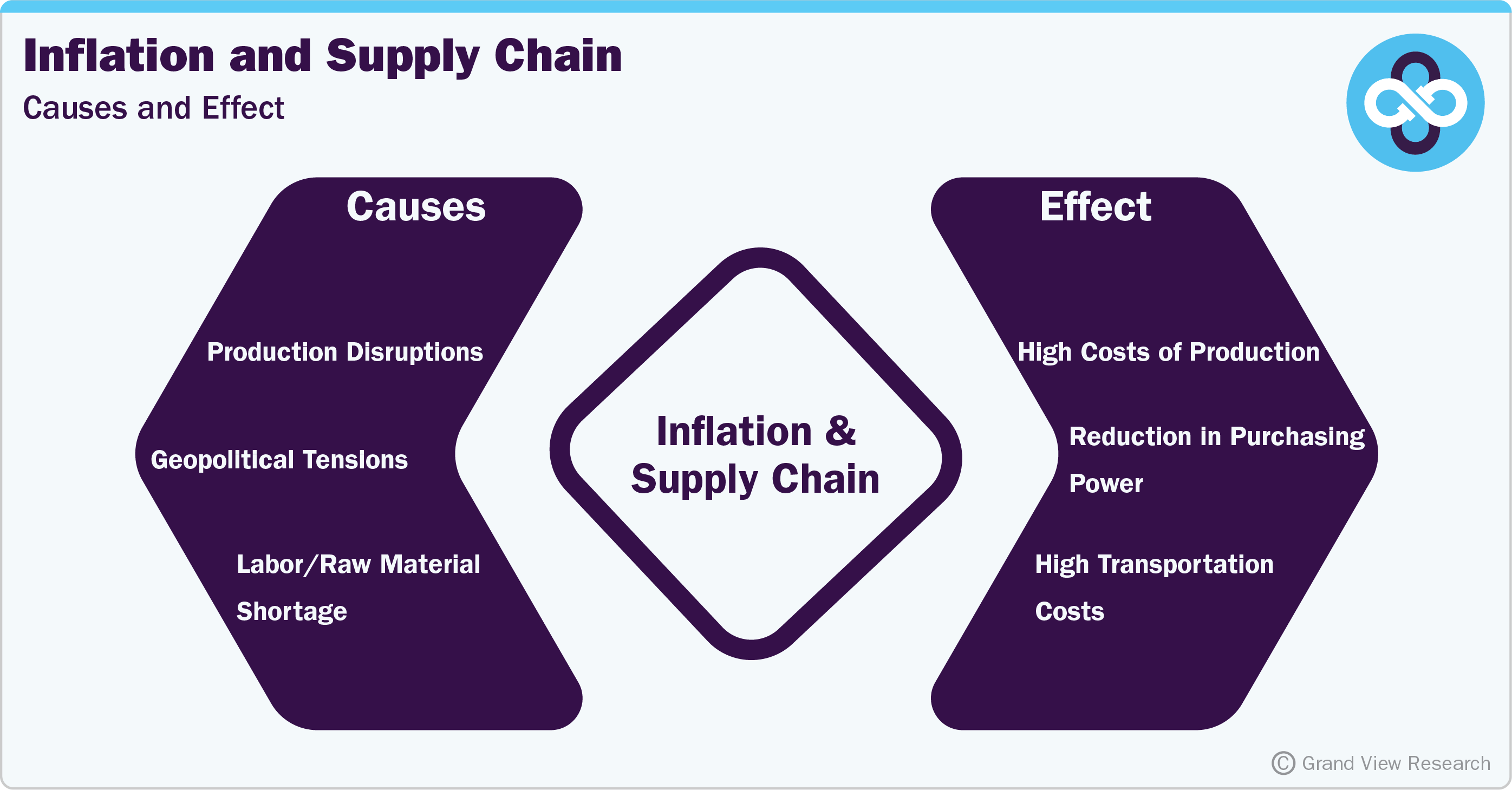
Oil prices play a central role in inflation because energy is a fundamental input for most economic activities. When oil prices rise, transportation costs increase, which in turn raises the cost of goods and services.
For consumers, this often shows up as higher gasoline prices, more expensive groceries, and increased utility bills. For businesses, higher energy costs can reduce profit margins and lead to price increases for customers.
This type of inflation, often referred to as “cost-push inflation,” is particularly challenging for policymakers because it is driven by external factors rather than domestic demand.
The Federal Reserve’s Dilemma: Cut or Hold Rates?
The Federal Reserve is now facing a difficult balancing act. On one hand, there is pressure to lower interest rates to support economic growth. On the other hand, rising inflation risks suggest that keeping rates higher for longer may be necessary.
Interest rates are one of the primary tools used to control inflation. Higher rates can reduce spending and investment, helping to bring prices under control. However, they can also slow economic growth and increase borrowing costs.
In 2026, the Fed must navigate these competing priorities. Market expectations for rate cuts are being reassessed as new data on inflation and energy prices emerge.
Impact on Consumers, Businesses, and Global Markets
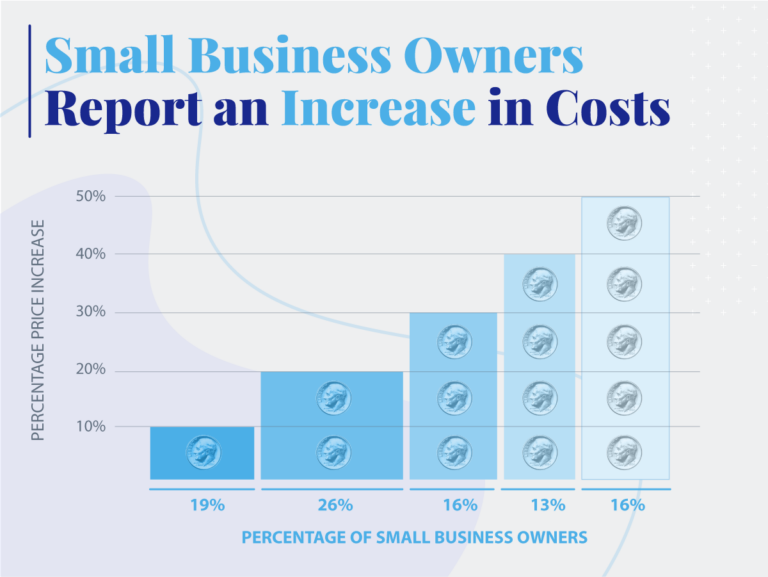

For consumers, the combination of higher inflation and elevated interest rates can create financial pressure. Borrowing costs for mortgages, credit cards, and loans may remain high, while everyday expenses continue to rise.
Businesses face a similar challenge. Higher input costs and borrowing expenses can limit expansion and reduce profitability. Small businesses, in particular, may struggle to adapt to these conditions.
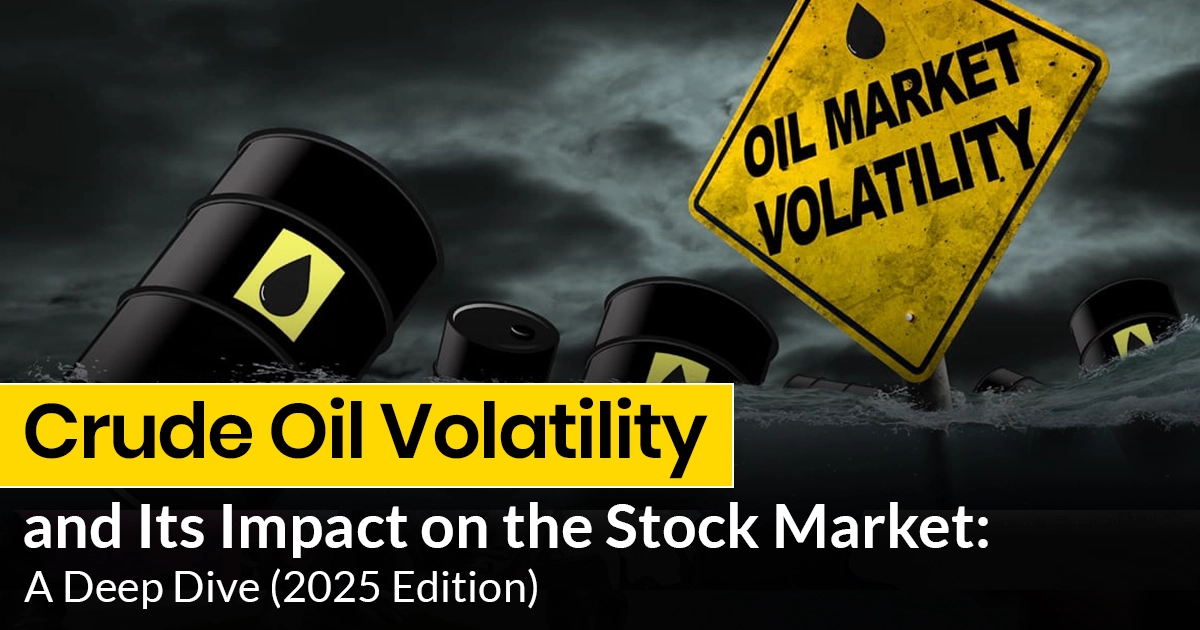
Global markets are also affected. Equity markets may experience volatility as investors adjust their expectations for interest rates and economic growth. Bond markets, meanwhile, are closely tied to interest rate outlooks, making them particularly sensitive to policy changes.
Market Outlook: Risks, Opportunities, and Investor Strategy
From an investment perspective, the current environment presents both risks and opportunities. Rising inflation and interest rates can create headwinds for certain sectors, such as technology and growth stocks.
However, other sectors may benefit. Energy companies, for example, often see increased revenues when oil prices rise. Similarly, defensive sectors such as utilities and consumer staples may perform better during periods of economic uncertainty.
Investors are increasingly focusing on diversification and risk management. Strategies that include a mix of asset classes and geographic exposure can help mitigate the impact of volatility.
The Bigger Picture: A New Phase of Economic Uncertainty
The combination of oil shocks, geopolitical tensions, and shifting monetary policy signals a new phase of economic uncertainty. The global economy is becoming more complex, with multiple factors influencing growth and stability.
Central banks, including the Federal Reserve, are adapting to this environment by taking a more cautious approach. Policy decisions are becoming more data-driven and responsive to changing conditions.
For businesses and investors, this means staying flexible and informed. The ability to adapt quickly to new information will be a key advantage in navigating this uncertain landscape.
Final Takeaway: Why Interest Rates May Stay Higher for Longer
The recent oil shock and rising geopolitical risks have reignited inflation concerns, making it more likely that interest rates will remain elevated for longer than previously expected. This has significant implications for consumers, businesses, and global markets.
Understanding these dynamics is essential for making informed financial decisions. As the situation continues to evolve, staying updated on market trends and policy developments will be critical.
In a world of increasing uncertainty, knowledge and preparation are the most valuable tools for success.
Subscribe to trusted news sites like USnewsSphere.com for continuous updates.