
Inflation fears return as rising global tensions threaten to push US interest rates higher, creating renewed uncertainty across financial markets, policymaking circles, and everyday household budgets. After months of cautious optimism that inflation was cooling, recent geopolitical developments, energy price volatility, and supply chain disruptions are forcing investors and economists to rethink the path forward.
This shift is not just theoretical—it is already influencing bond yields, equity markets, and expectations around future Federal Reserve decisions. With global conflicts intensifying and economic stability becoming more fragile, the risk of prolonged inflation is once again front and center.
Global Tensions Are Fueling a New Wave of Inflation Risk
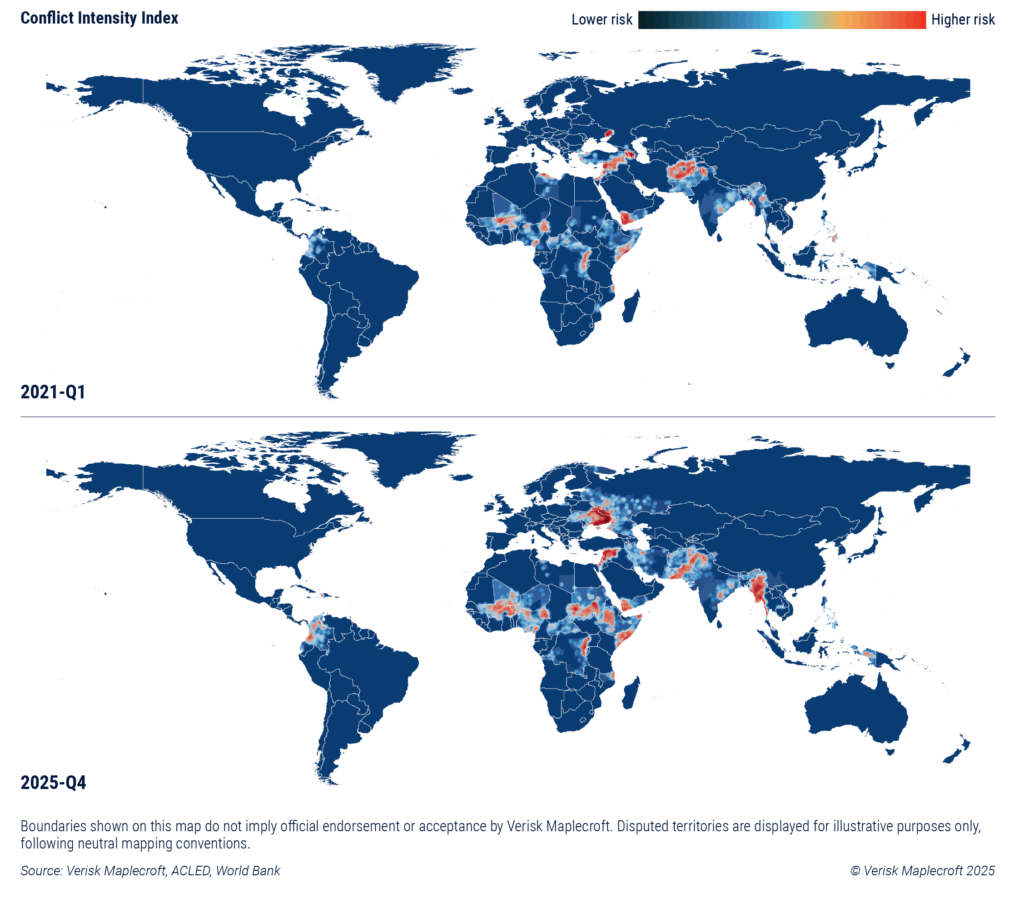
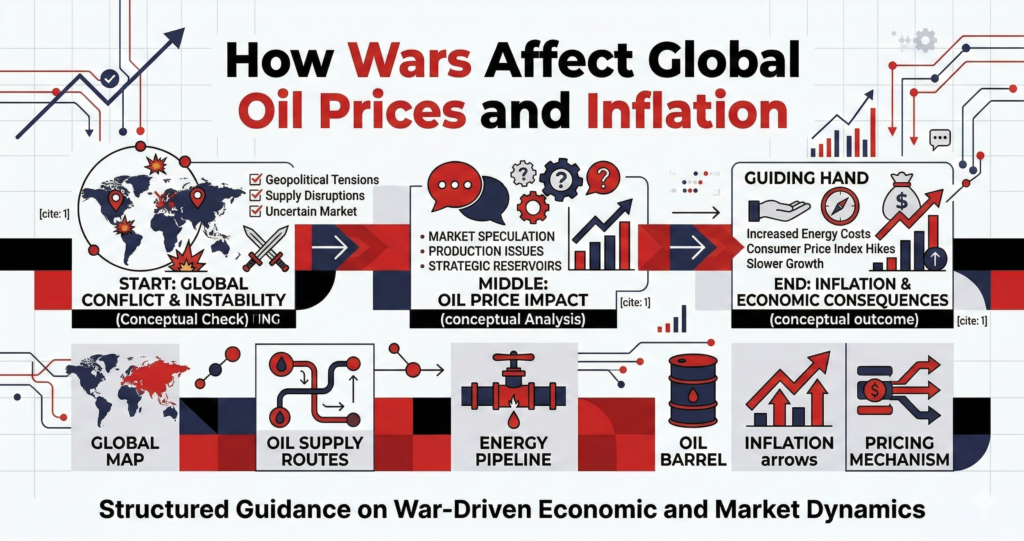
Recent geopolitical developments—particularly conflicts in energy-producing regions and escalating trade tensions—are directly impacting global supply chains. When supply chains are disrupted, the cost of goods rises, and that feeds directly into inflation.
Energy markets are especially sensitive. Oil prices have shown renewed volatility, with crude benchmarks fluctuating between $80 and $95 per barrel in recent weeks. Natural gas prices in Europe have also surged due to supply uncertainties. These increases ripple through transportation, manufacturing, and consumer goods, pushing prices higher globally.
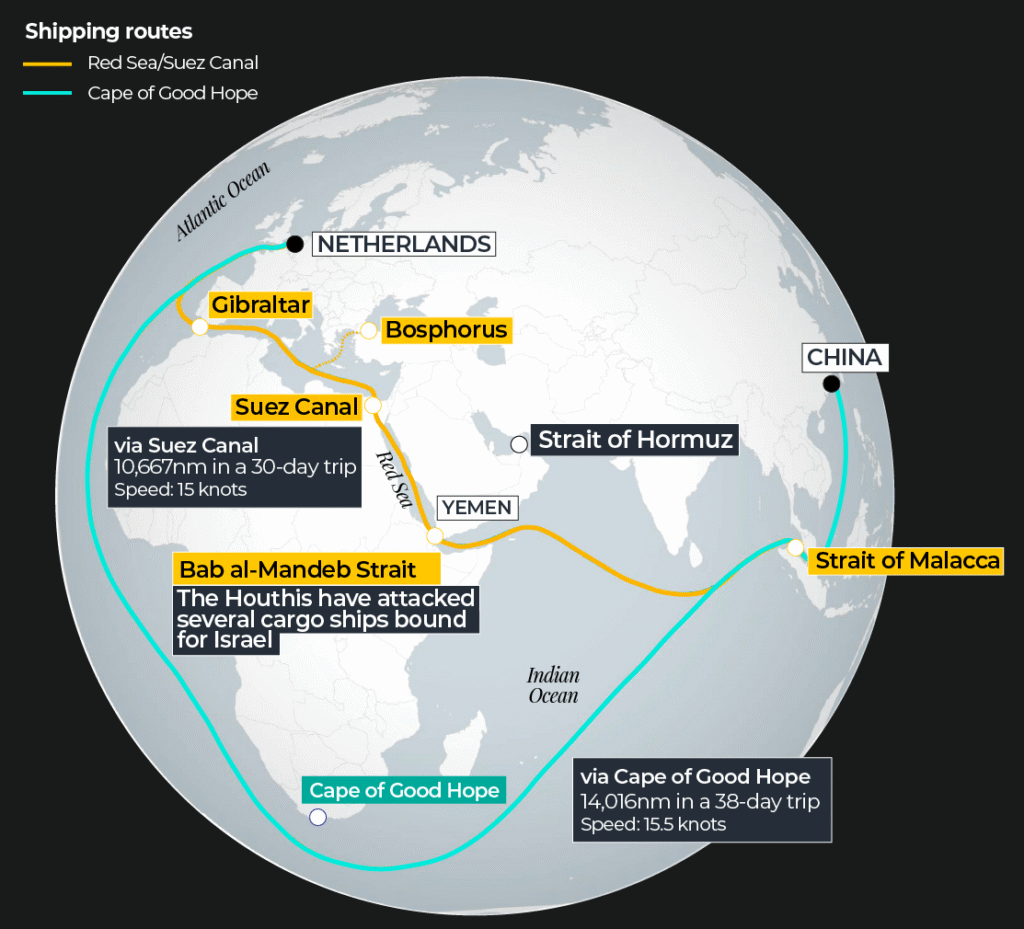
At the same time, shipping costs are rising again. Key maritime routes have faced disruptions, forcing companies to reroute cargo and absorb higher logistics costs. This echoes patterns seen during the pandemic, when bottlenecks led to persistent inflation.
For the United States, which relies heavily on global trade flows, these pressures are significant. Even if domestic demand stabilizes, imported inflation can still keep overall price levels elevated.
Inflation Fears Return, Why the Federal Reserve May Keep Rates Higher for Longer
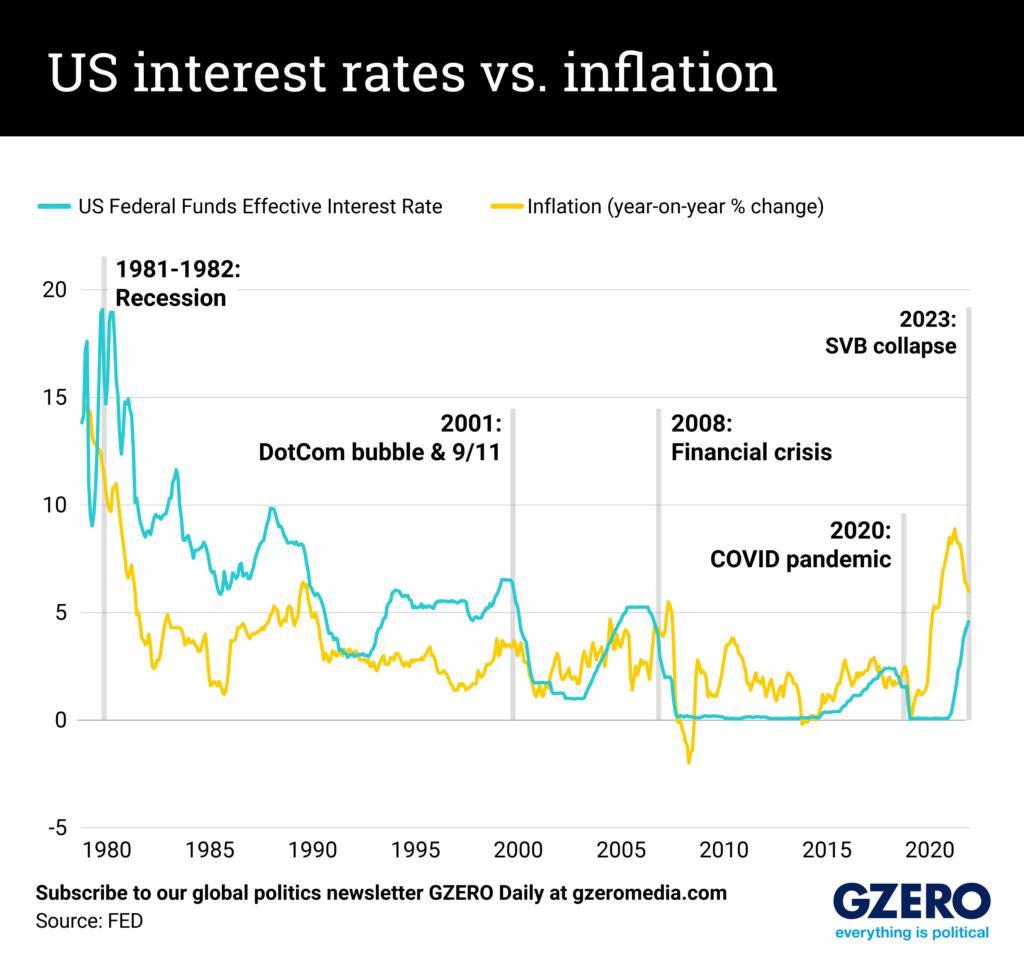
The Federal Reserve had previously signaled that interest rate hikes might slow or even reverse if inflation continued to cool. However, the resurgence of inflationary risks complicates that outlook.
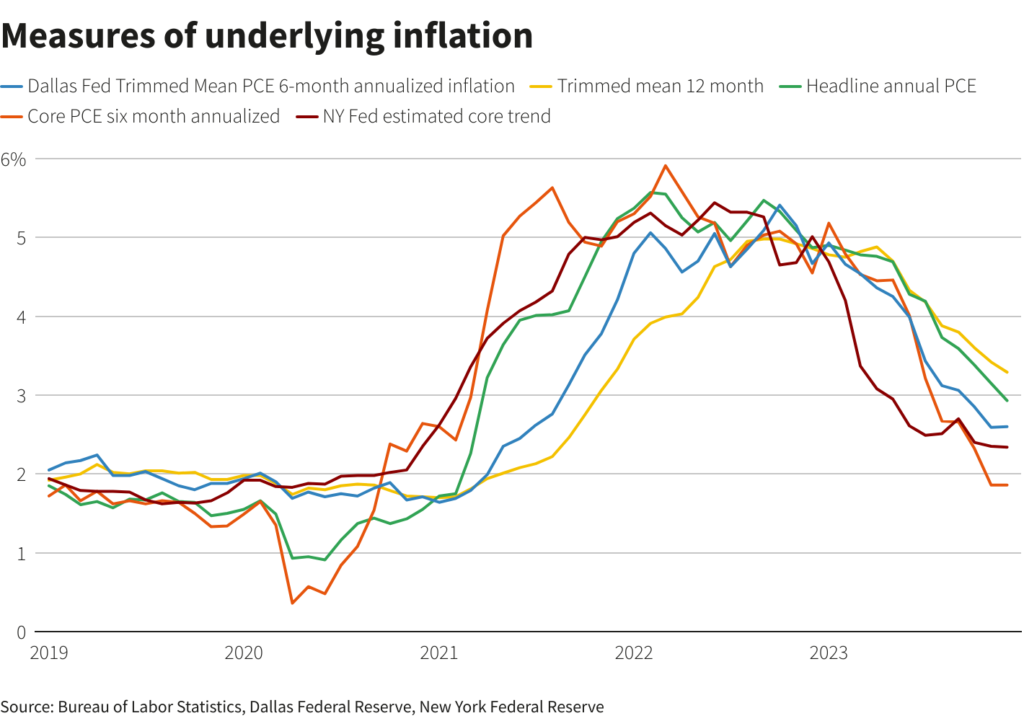
Recent data shows that while headline inflation has moderated compared to its peak, core inflation remains stubborn. Core inflation—which excludes volatile food and energy prices—has hovered around 3% to 3.5%, still above the Fed’s 2% target.
Bond markets are already reacting. The US 10-year Treasury yield has climbed back toward recent highs, reflecting expectations that interest rates will stay elevated. Futures markets also suggest that rate cuts may be delayed further into the future than previously anticipated.
The Federal Reserve faces a difficult balancing act. Lowering rates too soon could reignite inflation, while keeping rates high for too long risks slowing economic growth and increasing unemployment.
Financial Markets React to Rising Rate Expectations
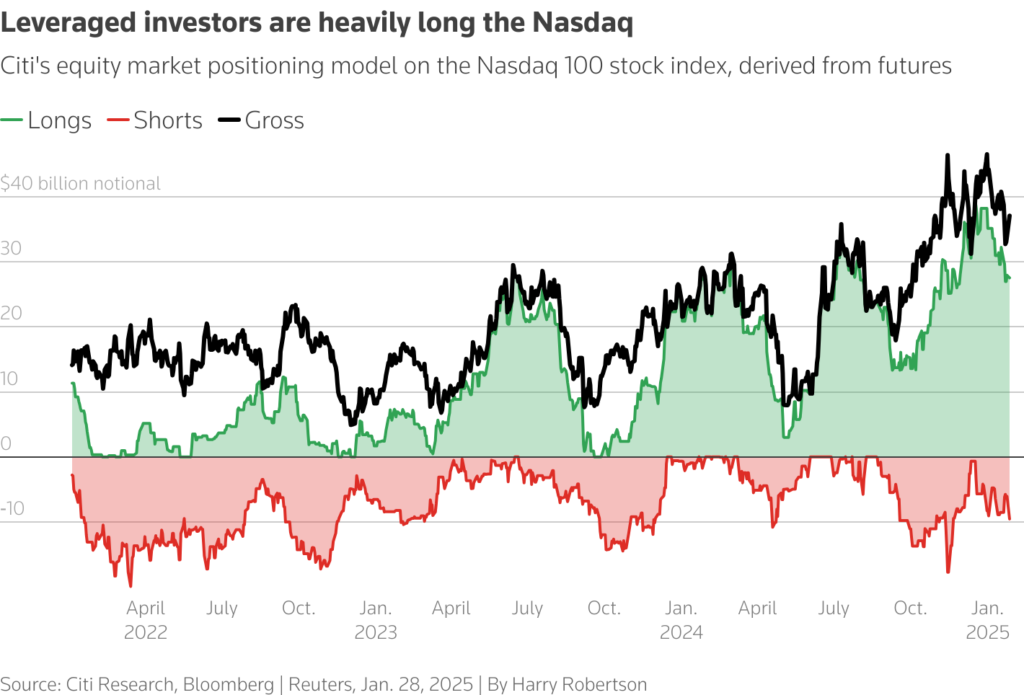
Equity markets have shown increased volatility as investors digest the possibility of prolonged higher interest rates. Growth stocks, particularly in the technology sector, are especially sensitive to interest rate changes because their valuations depend heavily on future earnings.
Recent market movements indicate a rotation toward defensive sectors such as energy, utilities, and consumer staples. These sectors tend to perform better in inflationary environments because they can pass higher costs onto consumers.
At the same time, the US dollar has strengthened against major currencies. A stronger dollar can help reduce import costs, but it also puts pressure on emerging markets by increasing the cost of dollar-denominated debt.
Cryptocurrency markets have also reacted, with increased volatility reflecting uncertainty about liquidity conditions. Higher interest rates generally reduce the appeal of riskier assets, leading to capital outflows.
How Energy Prices Are Driving Inflation Again
Energy remains one of the most important drivers of inflation, and recent trends suggest that this component is becoming more volatile again.
Oil price increases directly impact gasoline prices, which are highly visible to consumers and influence inflation expectations. When consumers expect prices to rise, they often adjust their behavior, which can create a feedback loop that sustains inflation.
In addition, energy costs affect nearly every sector of the economy. Manufacturing, transportation, and agriculture all rely heavily on energy inputs. As costs rise, businesses often pass those increases on to consumers.
Data from recent months shows that energy inflation is contributing a larger share to overall inflation than it did earlier in the year. This shift is a key reason why policymakers are becoming more cautious.
Expert Insights and Market Outlook
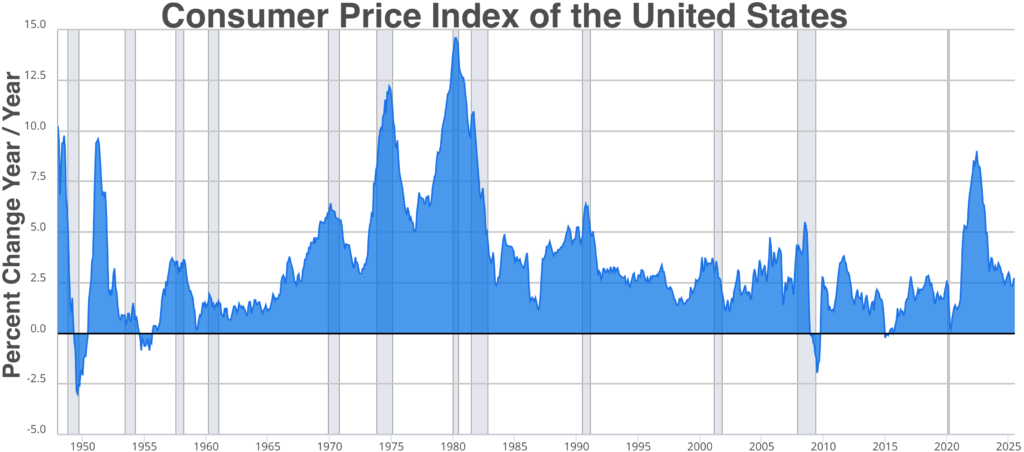
Economists and market analysts are increasingly warning that the current environment resembles a “second wave” of inflation risk. Unlike the initial post-pandemic inflation surge, which was driven largely by demand, this phase is more supply-driven.
Some experts argue that the Federal Reserve may need to maintain a restrictive policy stance well into 2026. Others believe that a combination of slowing global growth and tighter financial conditions could eventually bring inflation down without additional rate hikes.
A consensus is emerging around a “higher-for-longer” interest rate environment. This means that even if rates do not rise significantly from current levels, they are unlikely to fall quickly.
Key projections from analysts include:
- Inflation is expected to stabilize between 2.5% and 3.5% over the next 12–18 months
- Interest rates remaining above 4% for an extended period
- Continued volatility in equity and bond markets
This outlook suggests that investors and businesses need to prepare for ongoing uncertainty rather than expecting a quick return to pre-pandemic conditions.
Risks to the Global Economy and US Growth
While higher interest rates can help control inflation, they also come with risks. Borrowing costs for businesses and consumers have already increased significantly, affecting everything from mortgage rates to corporate investment.
Housing markets in the United States are particularly sensitive. Mortgage rates have remained elevated, reducing affordability and slowing home sales. This has broader implications for economic growth, as housing is a key driver of economic activity.
Corporate borrowing costs have also risen, leading some companies to delay expansion plans or reduce hiring. Small businesses, which often rely on variable-rate loans, are especially vulnerable.
On a global scale, emerging markets face additional challenges. Higher US interest rates can lead to capital outflows, currency depreciation, and increased debt burdens.
If global tensions continue to escalate, these risks could intensify, creating a more fragile economic environment.
What This Means for Investors and Consumers
For investors, the current environment requires a more cautious and diversified approach. Traditional strategies that worked during periods of low interest rates may not be as effective.
Key considerations include:
- Allocating more capital to inflation-resistant assets
- Maintaining liquidity to take advantage of market opportunities
- Monitoring central bank policies closely
For consumers, higher interest rates mean increased costs for loans, credit cards, and mortgages. At the same time, persistent inflation can erode purchasing power.
Budgeting, saving, and managing debt become even more important in this environment. Consumers may also need to adjust spending habits to account for higher prices.
A Critical Turning Point for Inflation and Policy
The return of inflation fears marks a critical turning point for the global economy and US monetary policy. Rising geopolitical tensions, volatile energy markets, and persistent supply chain disruptions are creating a complex environment that challenges both policymakers and investors.
While the Federal Reserve has made progress in controlling inflation, the path forward is far from certain. The possibility of prolonged higher interest rates underscores the importance of adaptability and careful planning.
As global dynamics continue to evolve, staying informed and prepared will be essential for navigating the challenges ahead.
Subscribe to trusted news sites like USnewsSphere.com for continuous updates.