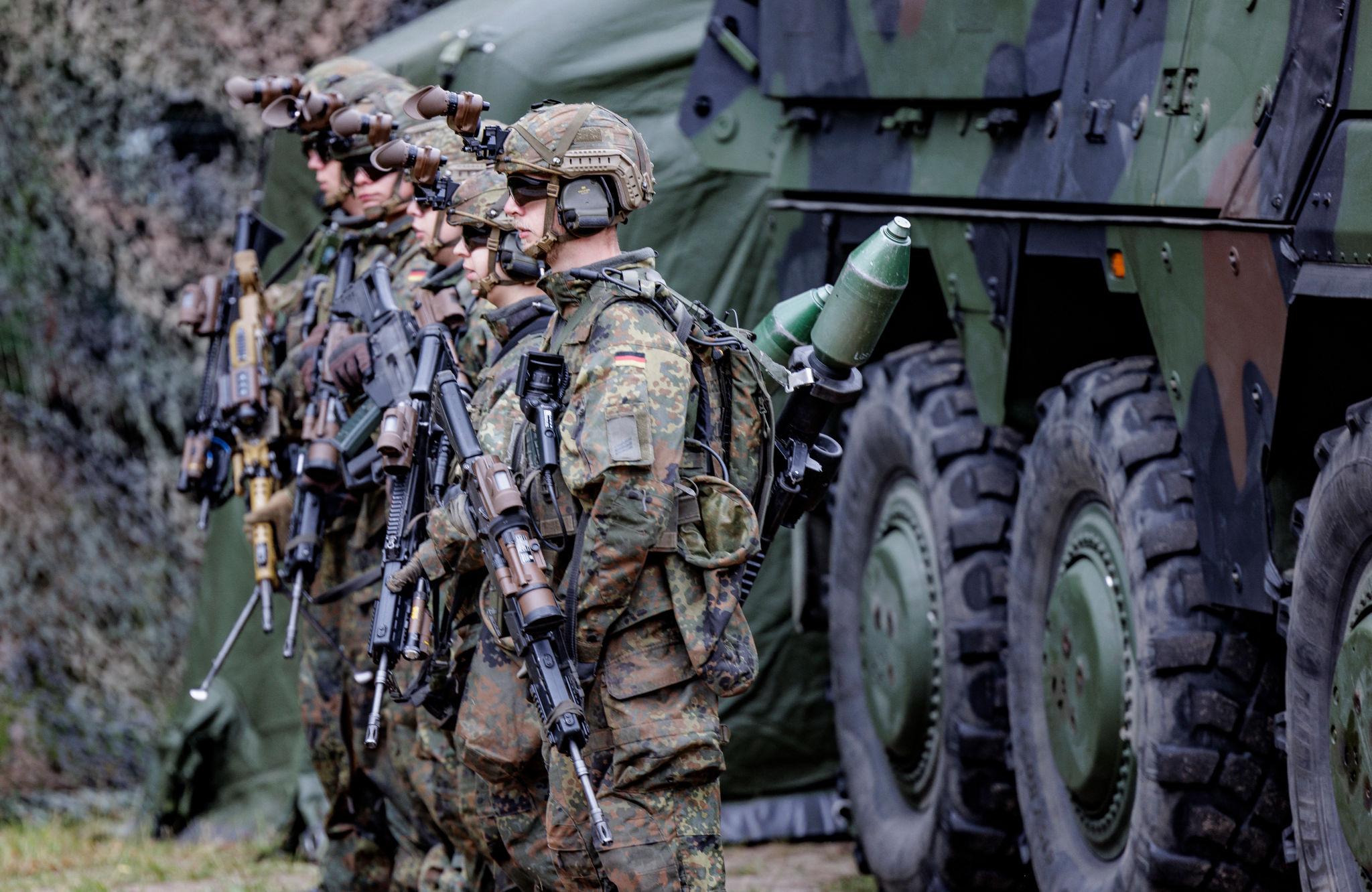
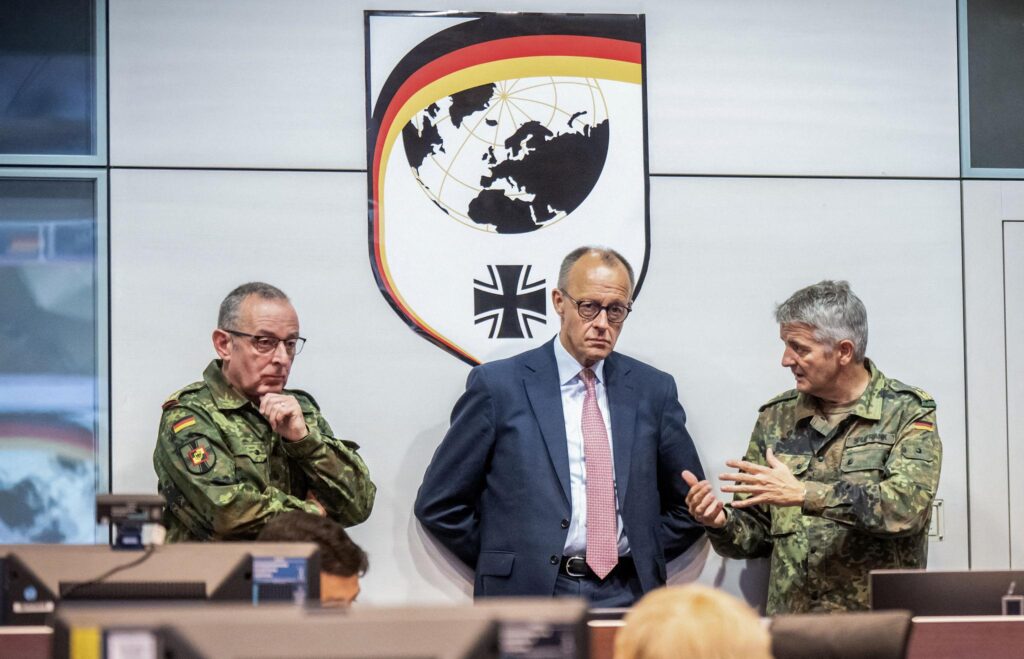
Germany’s rapid militarization is becoming one of the biggest political and social debates in Europe as human rights groups warn that growing security policies could threaten civil liberties and democratic protections. The debate intensified after several German organizations released a new report claiming that military expansion, surveillance growth, and emergency defense measures are changing the balance between national security and personal freedom. The issue matters now because Germany is increasing defense spending, expanding civil defense systems, and discussing military recruitment reforms while Europe faces rising geopolitical tensions linked to Russia’s war in Ukraine. Critics argue that the shift could reshape Germany’s democratic culture for years to come.
Human Rights Groups Warn About Growing Security Policies
A coalition of German human rights organizations says the country is entering a period of “unprecedented militarization” in the postwar era. According to the 2026 Fundamental Rights Report presented in Karlsruhe, security priorities are increasingly influencing domestic policy decisions. The organizations behind the report argue that Germany’s focus on defense and emergency preparedness could weaken protections tied to freedom of expression, privacy rights, protest rights, and social equality.
The report highlights concerns that governments across Europe are using national security fears to justify stronger state powers. Germany’s constitution, known as the Basic Law, was designed after World War II to prevent state overreach and protect individual freedoms. Rights advocates now fear that rising military influence could slowly normalize broader surveillance systems and stricter public controls during periods of crisis.
Germany Is Expanding Military and Civil Defense Spending
Germany has sharply increased military and civil defense investments since Russia’s full-scale invasion of Ukraine in 2022. The government recently approved plans to invest around €10 billion into civil defense systems, including emergency shelters, mass alert systems, protective equipment, and crisis-response infrastructure. Officials say the changes are necessary because Europe’s security environment has changed dramatically in recent years.
The new defense strategy also includes converting public spaces such as subway stations, tunnels, and underground garages into emergency shelters. Germany currently has only 579 functioning shelters capable of protecting about 480,000 people, which is far below the country’s population needs. Authorities say modernizing emergency preparedness is essential after lessons learned from Ukraine’s wartime civilian protection systems.
Debate Over Military Recruitment Is Growing
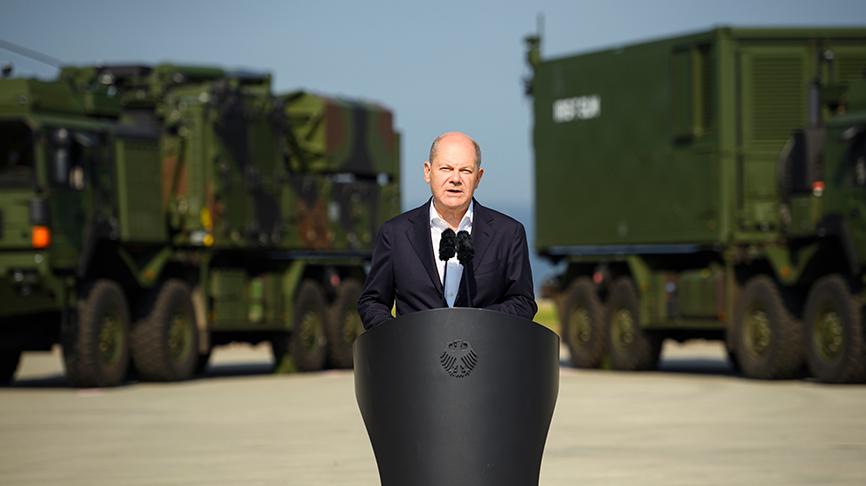
Germany’s military expansion plans also include efforts to recruit tens of thousands of additional soldiers. The government wants to increase troop numbers significantly over the coming years as NATO members strengthen European defense capabilities. Discussions about voluntary military service and possible future conscription reforms have created heated political debate across the country.
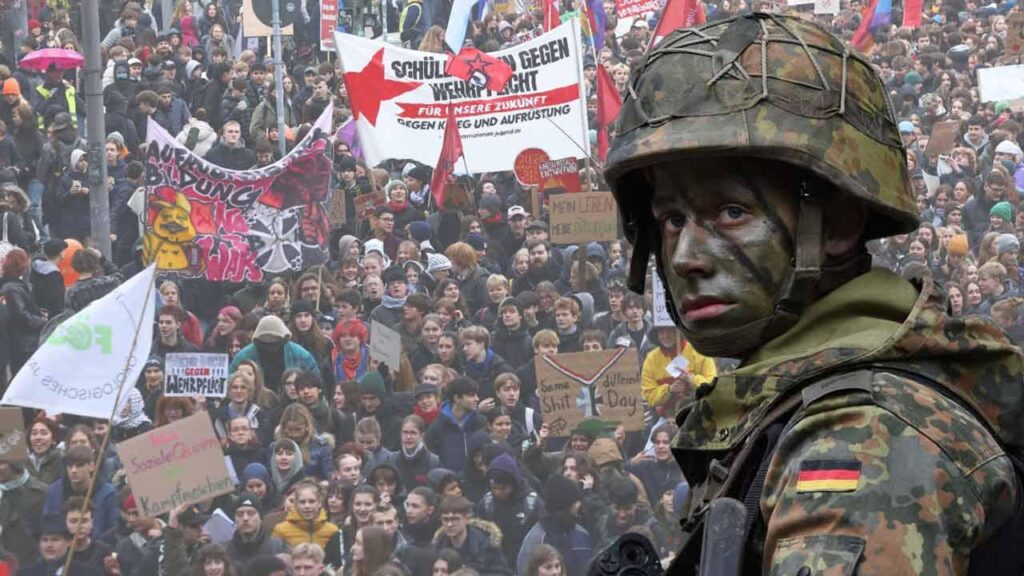
Critics argue that younger generations are being pushed toward militarization without enough public consultation. In recent weeks, student protest movements and activist groups organized demonstrations against Germany’s rearmament policies. Some protesters warned that education, housing, and social programs could suffer if military budgets continue rising rapidly. Others fear that mandatory military registration measures could eventually lead to stronger government control over citizens.
Why This Matters for Germany’s Democracy
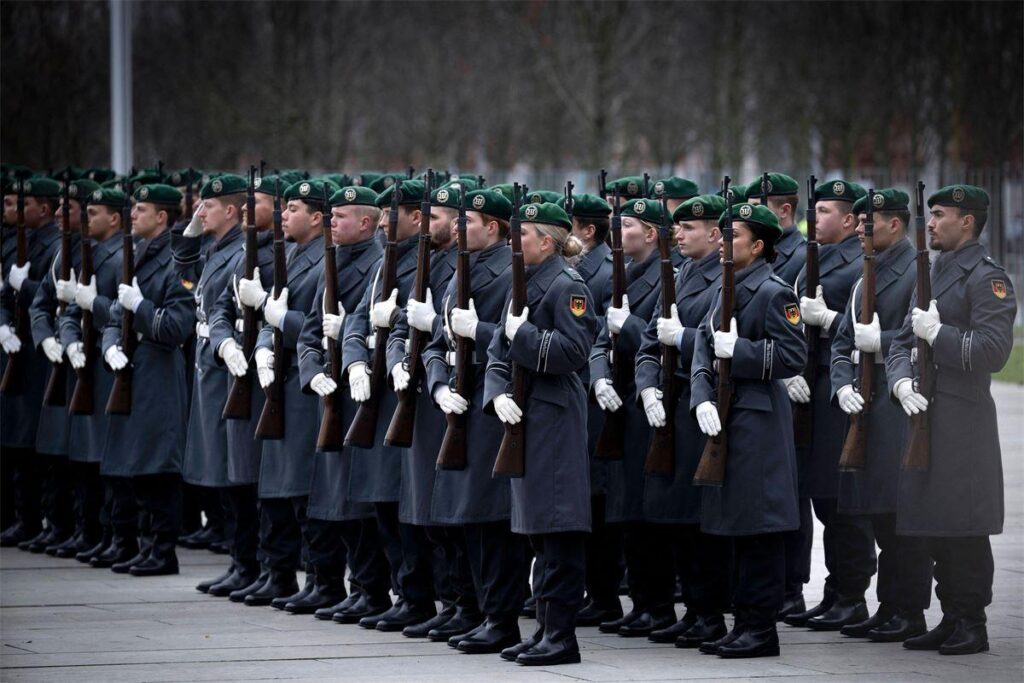
Germany’s history makes the militarization debate especially sensitive. After the fall of Nazi Germany in World War II, the country built a political system focused heavily on democracy, constitutional rights, and limits on state authority. Many Germans view these protections as central to the country’s modern identity. Because of that history, any expansion of military influence often triggers strong public discussion.
Supporters of the government’s strategy argue that stronger defense systems are unavoidable because Europe faces increasing geopolitical instability. Officials point to cyberattacks, infrastructure threats, disinformation campaigns, and Russia’s continued aggression as reasons Germany must prepare for long-term security challenges. Defense leaders say protecting democracy sometimes requires stronger security structures.
European Rearmament Is Changing Political Priorities
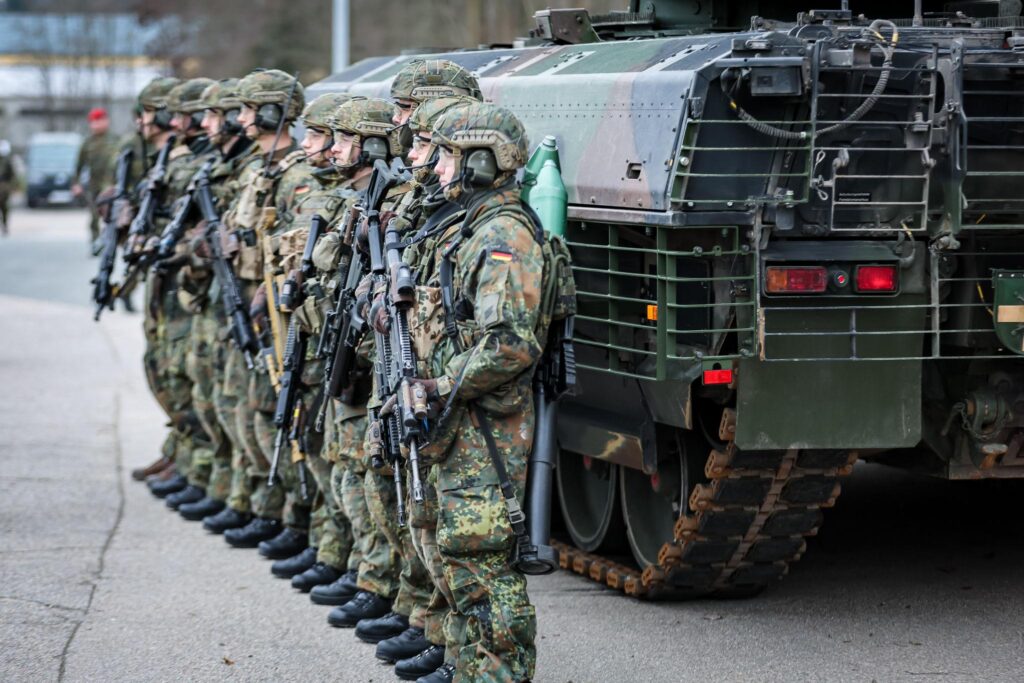
Germany is not alone in increasing defense investments. Across Europe, governments are boosting military budgets and discussing expanded defense cooperation after years of underinvestment. Analysts say the continent is entering a new era of rearmament as NATO countries attempt to strengthen deterrence against future threats. Germany, as Europe’s largest economy, is playing a leading role in this transformation.
At the same time, civil society organizations warn that fear-driven politics can gradually reduce democratic safeguards if governments are not held accountable. Across Europe, activists have raised concerns about protest restrictions, surveillance expansion, and pressure on nongovernmental organizations. Rights advocates argue that democracies must avoid sacrificing freedoms in the name of security.
What Could Happen Next
Germany’s militarization debate is expected to continue throughout 2026 as lawmakers discuss defense reforms, recruitment targets, and civil defense modernization. Political divisions could deepen as security concerns compete with economic pressures and social spending priorities. Public reaction may also shape how aggressively the government expands future military policies.
For many observers, the central question is whether Germany can strengthen national security without weakening the democratic protections that have defined the country since the end of World War II. Human rights groups say transparency, constitutional safeguards, and public oversight will be critical as Germany enters a period of major strategic change. The outcome of this debate could influence not only Germany’s future but also broader discussions about democracy and security across Europe.
Subscribe to trusted news sites like USnewsSphere.com for continuous updates.