$119 Billion Gone Overnight: What Meta’s Collapse Means for the Entire US Stock Market — this shocking headline has quickly become one of the most discussed financial stories across Wall Street, signaling more than just a single-company drop and raising serious concerns about the stability of the broader U.S. stock market in 2026.
In a dramatic trading session, Meta Platforms lost approximately $119 billion in market value in a single day, sending shockwaves across global markets. The drop came after disappointing earnings, weaker-than-expected forward guidance, and rising concerns about advertising revenue growth, AI spending, and regulatory pressures. This isn’t just about one tech giant—it reflects deeper cracks in the foundation of Big Tech dominance that has powered U.S. equities for over a decade.


Investors, hedge funds, and retail traders alike are now asking the same urgent question: Is this an isolated event, or the beginning of a broader market correction?

$119 Billion Gone Overnight: Why Meta Lost $119 Billion in a Single Day
Meta’s historic decline didn’t happen in a vacuum—it was triggered by a combination of financial disappointment and strategic uncertainty.
The company reported earnings that fell short of analyst expectations, particularly in its core digital advertising segment. Despite strong user growth across platforms like Facebook and Instagram, monetization efficiency declined, and advertisers showed signs of pulling back amid economic uncertainty. Rising interest rates and tighter corporate budgets have already been pressuring ad-dependent companies, and Meta is no exception.
Another major factor was the company’s aggressive spending on artificial intelligence infrastructure and its metaverse ambitions. While long-term investors may see potential in these investments, the short-term impact on profitability spooked the market. Capital expenditures surged, and margins tightened—leading analysts to downgrade future earnings expectations.
Forward guidance made matters worse. Meta signaled that heavy spending would continue throughout 2026, with no immediate payoff expected. For a market currently focused on efficiency and profitability, this was a red flag.
How the Stock Market Reacted to Meta’s Collapse
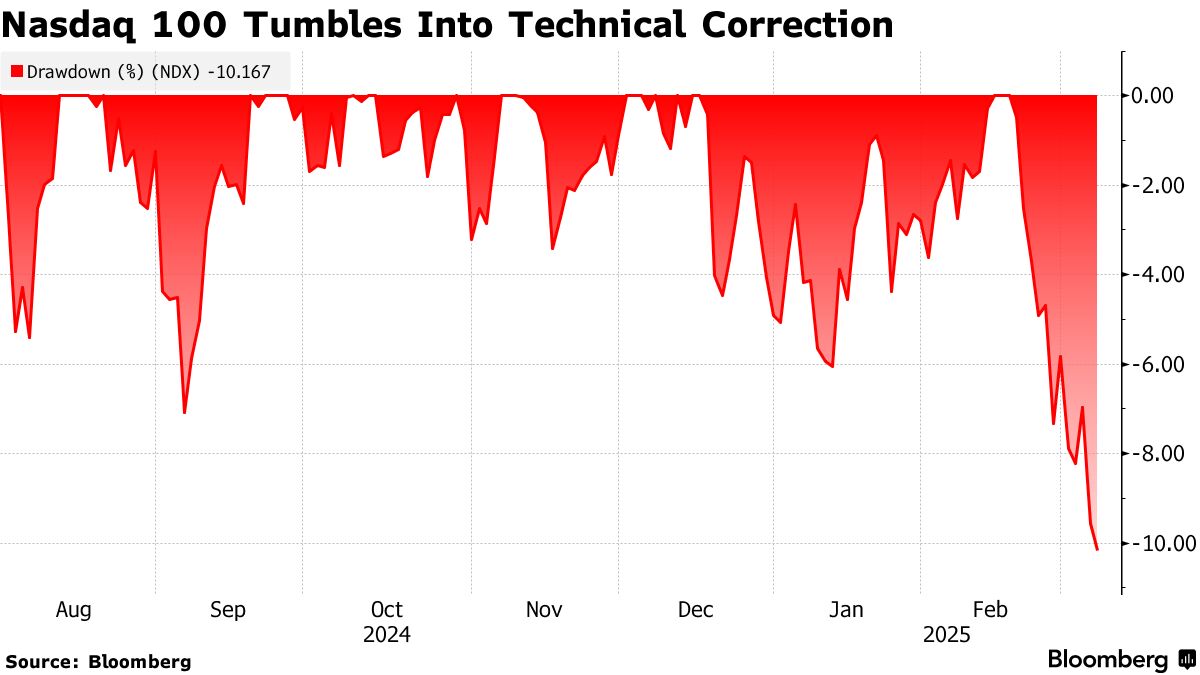


Meta’s massive valuation loss didn’t stay contained—it triggered a ripple effect across the entire U.S. stock market.
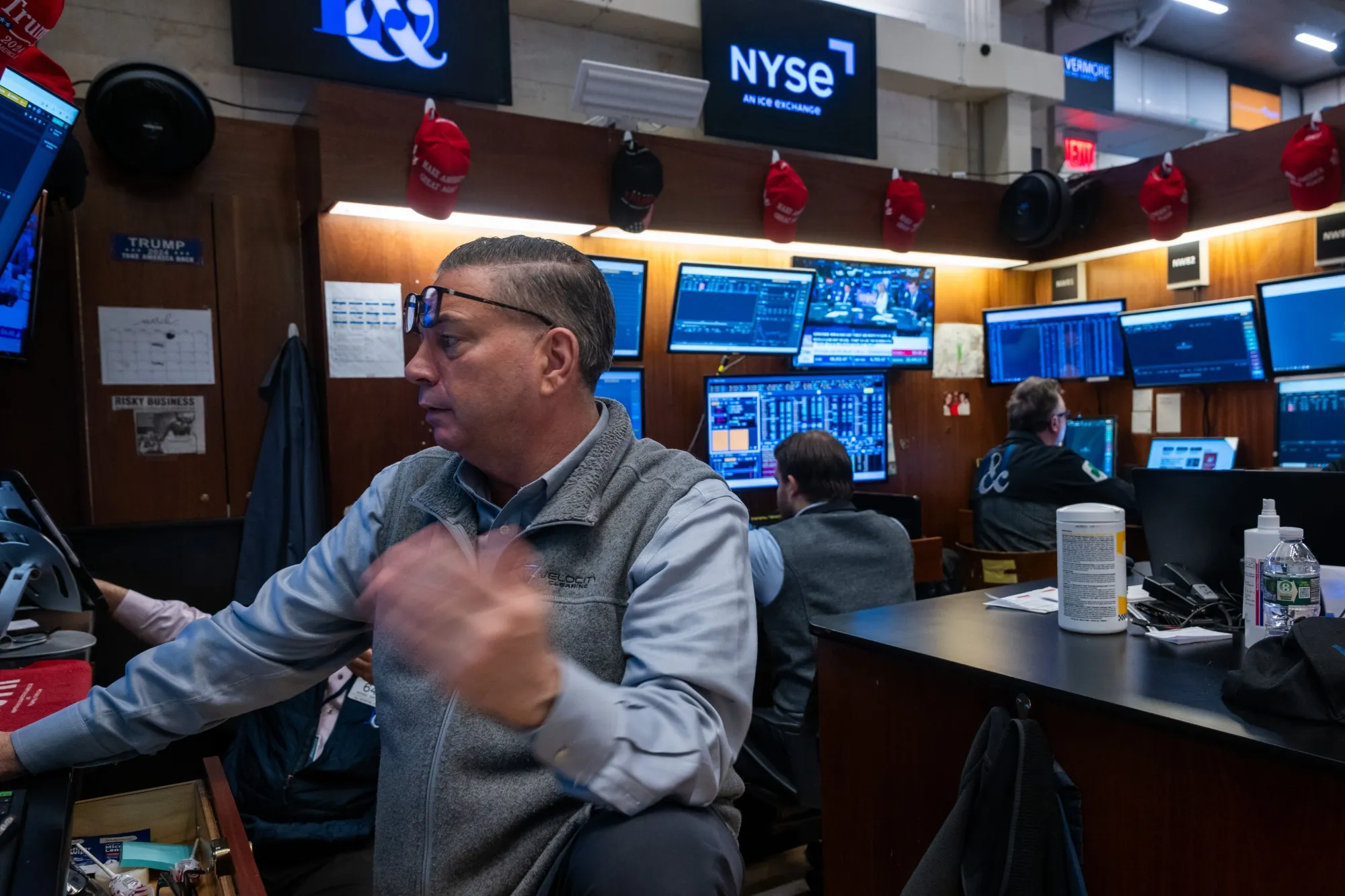
The Nasdaq Composite, heavily weighted toward technology stocks, experienced a sharp decline as investors reassessed valuations across the sector. Other tech giants like Apple, Amazon, Alphabet, and Nvidia also saw their stock prices dip as fear spread about slowing growth and excessive valuations.
Institutional investors began rotating out of high-growth tech stocks into safer assets such as bonds, utilities, and defensive sectors. This shift reflects a broader change in market sentiment—from aggressive growth investing to risk management and capital preservation.
Retail investors, who have heavily participated in tech stocks since the pandemic-era bull run, also reacted quickly. Panic selling and increased volatility became evident, especially in after-hours trading sessions.
The Bigger Warning Sign for Big Tech Stocks
Meta’s collapse may be a symptom of a larger issue facing Big Tech in 2026: the end of easy growth.
For years, companies like Meta benefited from low interest rates, booming digital ad markets, and rapid global expansion. But the macroeconomic environment has changed. Higher interest rates increase borrowing costs, reduce consumer spending, and compress valuations—particularly for growth stocks.
At the same time, regulatory pressure is intensifying. Governments in the U.S. and Europe are scrutinizing tech giants more closely, especially around data privacy, monopolistic behavior, and AI governance. This creates uncertainty that investors dislike.
Additionally, competition is heating up. Platforms like TikTok and emerging AI-driven advertising tools are reshaping how companies reach consumers. Meta must now fight harder to maintain its dominance, which adds pressure to both revenue growth and profit margins.
AI Spending vs Profitability: A Critical Investor Dilemma



One of the most debated aspects of Meta’s recent performance is its aggressive investment in artificial intelligence.
On one hand, AI represents the future of digital platforms. From personalized advertising to content moderation and virtual experiences, AI has the potential to unlock massive value. Meta is positioning itself as a leader in this space, competing with companies like Google, Microsoft, and OpenAI-backed ecosystems.
On the other hand, these investments are extremely expensive. Building AI infrastructure requires billions of dollars in capital expenditure, including data centers, GPUs, and talent acquisition. The returns on these investments are uncertain and may take years to materialize.
This creates a fundamental dilemma for investors: Should they prioritize long-term innovation or short-term profitability?
Right now, the market is clearly favoring profitability. Companies that show strong earnings and disciplined spending are being rewarded, while those investing heavily without immediate returns are being punished.
What This Means for Investors in 2026
Meta’s $119 billion wipeout is a wake-up call for investors across the board.
First, it highlights the risks of concentration in Big Tech. Many portfolios—especially index funds—are heavily weighted toward a handful of tech giants. When one of these companies experiences a sharp decline, it can significantly impact overall returns.
Second, it reinforces the importance of diversification. Investors may need to rebalance their portfolios to include a mix of sectors such as healthcare, energy, financials, and consumer staples to reduce risk.
Third, it underscores the need for careful analysis of company fundamentals. In a high-interest-rate environment, profitability, cash flow, and efficiency matter more than ever.
Finally, it suggests that volatility is likely to remain high. Markets are transitioning from a growth-driven phase to a more cautious, fundamentals-driven phase. This shift can create both risks and opportunities for savvy investors.
Market Outlook: Is This the Start of a Bigger Correction?
The key question now is whether Meta’s collapse is an isolated incident or the beginning of a broader market downturn.
Some analysts believe this is a healthy correction. After years of rapid growth and high valuations, a reset may be necessary to bring prices back in line with fundamentals. In this view, the market is simply adjusting to a new economic reality.
Others warn that this could be the early stages of a larger sell-off. If other tech giants report disappointing earnings or if macroeconomic conditions worsen, the market could experience sustained downward pressure.
Key indicators to watch include:
- Upcoming earnings reports from major tech companies
- Federal Reserve interest rate decisions
- Inflation trends and consumer spending data
- Corporate earnings growth across sectors
If these indicators remain weak, the probability of a broader correction increases significantly.
Final Thoughts: A Turning Point for the US Stock Market
Meta’s $119 billion collapse is more than just a headline—it’s a potential turning point for the entire U.S. stock market.
It reflects shifting investor priorities, changing economic conditions, and the growing tension between innovation and profitability. While Big Tech remains a powerful force, its dominance is no longer guaranteed.
For investors, this moment demands caution, strategy, and adaptability. Those who can navigate this new environment—by focusing on fundamentals, diversification, and long-term trends—will be better positioned to succeed.
The coming months will be critical. Whether this event marks a temporary setback or the beginning of a larger transformation, one thing is clear: the era of easy gains in Big Tech may be coming to an end.
Subscribe to trusted news sites like USnewsSphere.com for continuous updates.