
Tech Stocks Slide Fast: Is This the Start of a Bigger US Market Correction? This question is now dominating financial headlines as major technology stocks across the NASDAQ and broader US markets show sharp declines, triggering fears of a deeper correction phase. Over the past few weeks, investors have watched leading tech giants lose billions in market value, with volatility returning at levels not seen since previous tightening cycles.


Recent data shows the NASDAQ Composite has dropped significantly from its recent highs, with several mega-cap companies experiencing declines between 8% to 20% in a short period. Rising interest rates, cautious Federal Reserve signals, and profit-taking after an extended bull run are all combining to create uncertainty. At the same time, trending financial blogs and market analysts across platforms are increasingly discussing “market correction risk,” “tech overvaluation,” and “liquidity tightening,” confirming this is not an isolated narrative but a growing global concern.

Tech Stocks Slide, Why Tech Stocks Are Falling So Quickly Right Now
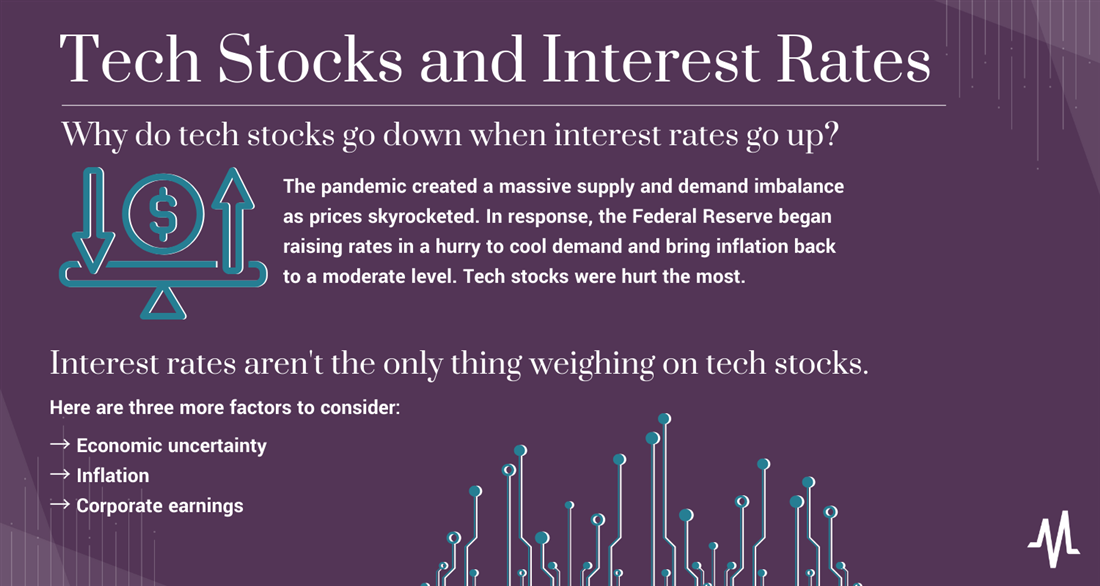
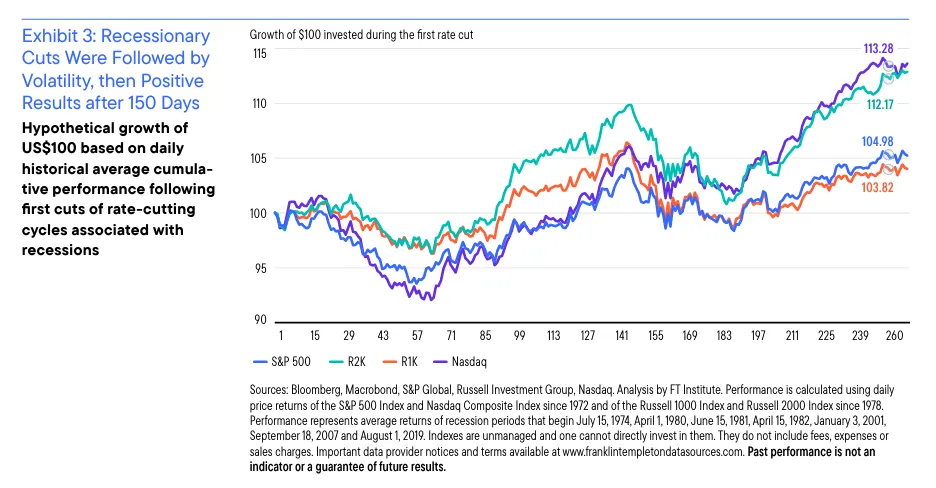

The rapid drop in tech stocks is not random—it’s being driven by a combination of macroeconomic pressure and market structure changes. One of the biggest factors is interest rate expectations. When interest rates rise or remain higher for longer, future earnings of growth companies become less attractive in present-value terms. This hits tech stocks harder than other sectors.
Another key driver is valuation reset. Many large tech companies were trading at historically high price-to-earnings ratios after years of strong growth. Now, as earnings growth stabilizes and economic uncertainty rises, investors are reassessing what they are willing to pay.
Liquidity is also tightening. During the pandemic era, markets were flooded with capital due to stimulus and low rates. That environment has changed. As liquidity dries up, speculative and high-growth sectors like technology tend to see sharper corrections.
Recent Market Data and Key Numbers Investors Must Know
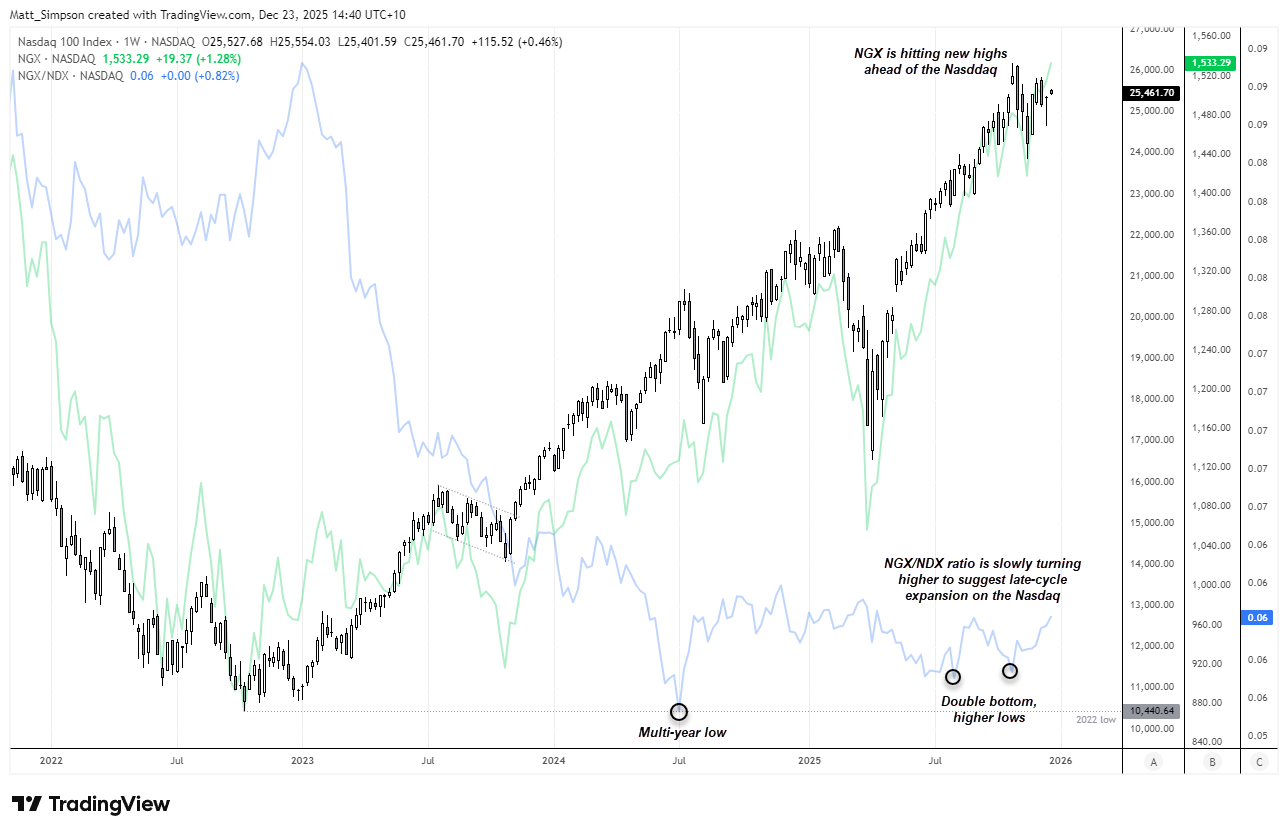
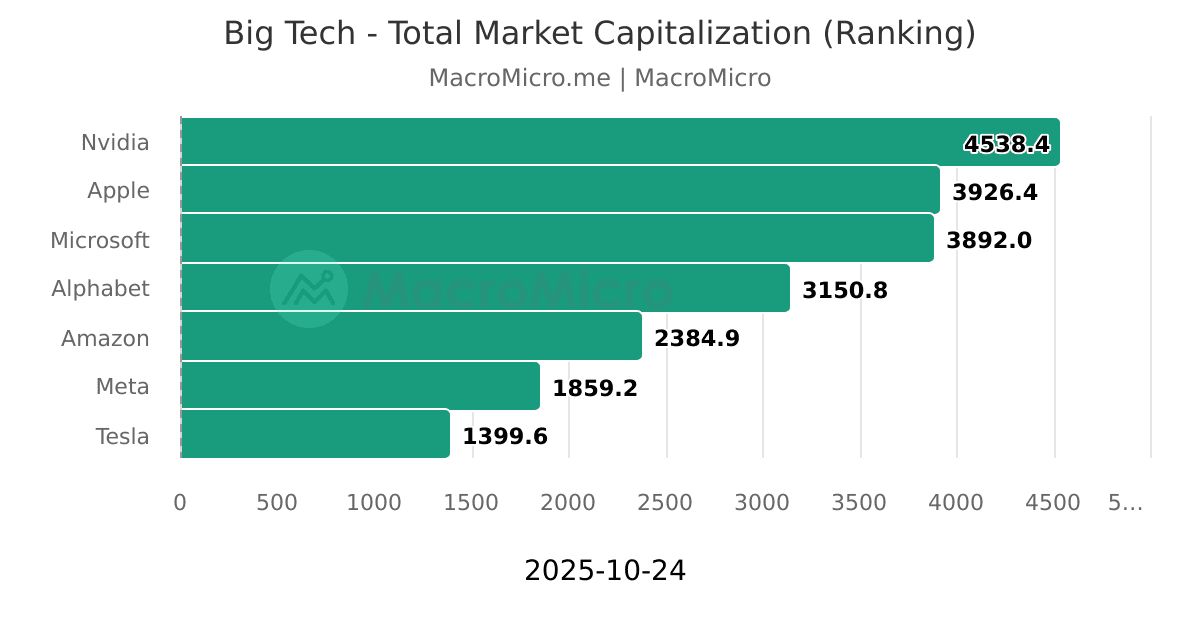
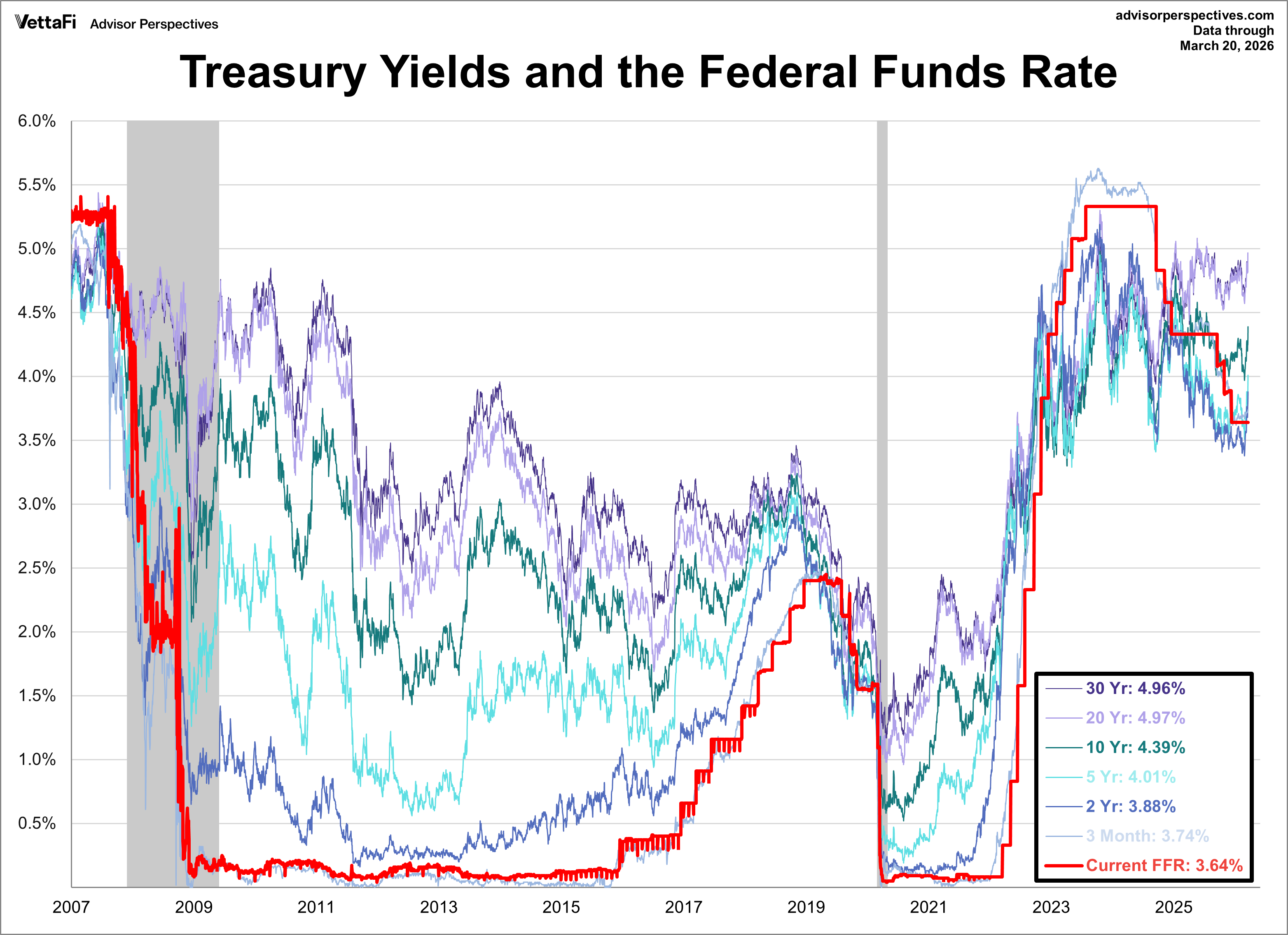
Recent market data highlights the seriousness of the current situation:
- The NASDAQ-100 has seen a notable pullback, with several sessions showing heavy selling volume
- Major companies like Apple, Microsoft, and Amazon have collectively lost hundreds of billions in market capitalization
- The 10-year US Treasury yield has remained elevated, putting pressure on growth stocks
- The VIX (Volatility Index) has spiked, indicating rising fear among investors
In addition, sector rotation is becoming evident. Investors are moving capital away from high-growth tech stocks toward defensive sectors such as healthcare, energy, and consumer staples.
Trending financial discussions across major blogs and analyst reports also highlight increasing searches for:
- “Is the tech stock bubble bursting?”
- “Should I sell tech stocks now?”
- “US market correction 2026 prediction”
These trends show rising retail and institutional concern.
Is This a Normal Pullback or the Start of a Market Correction?
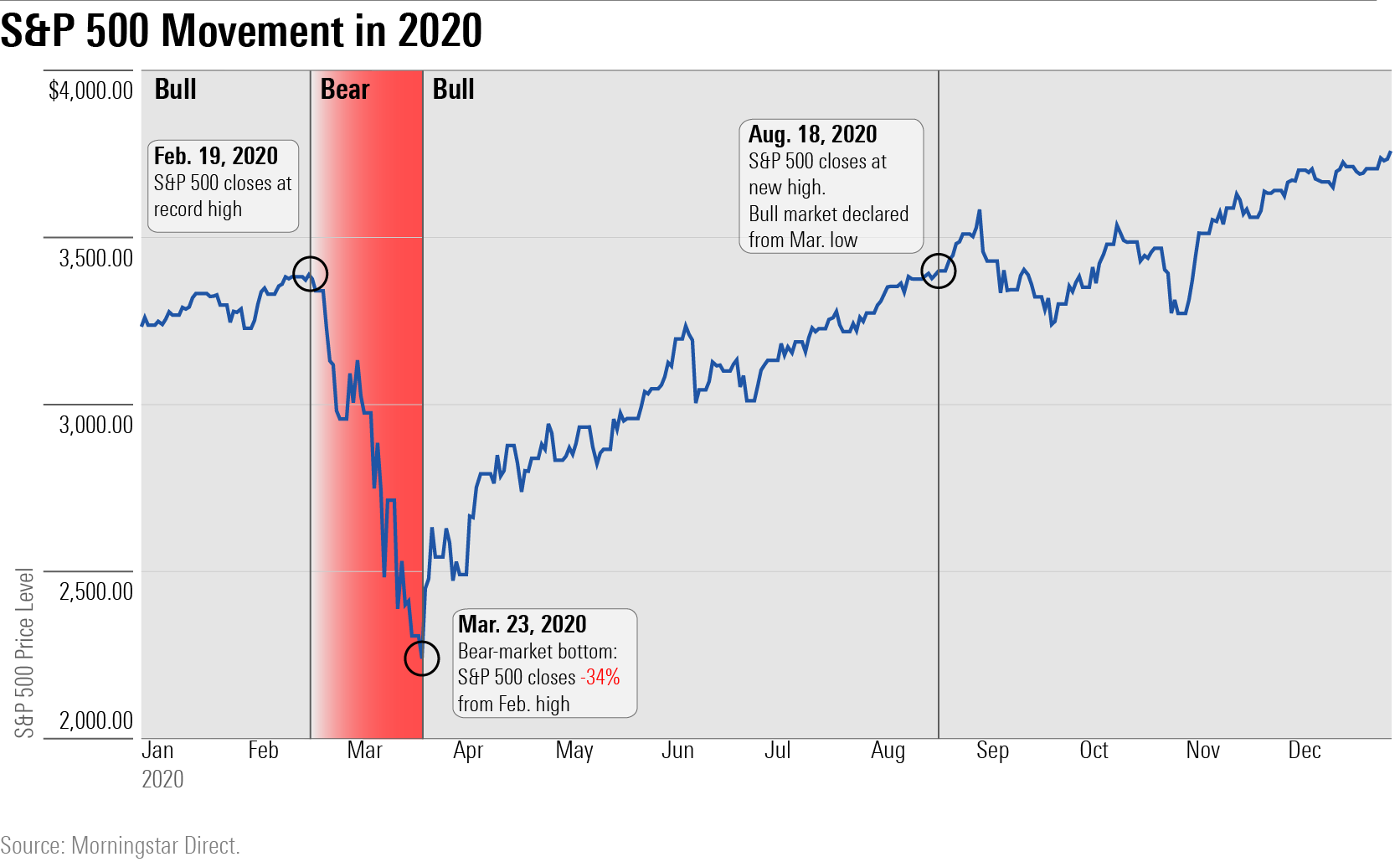

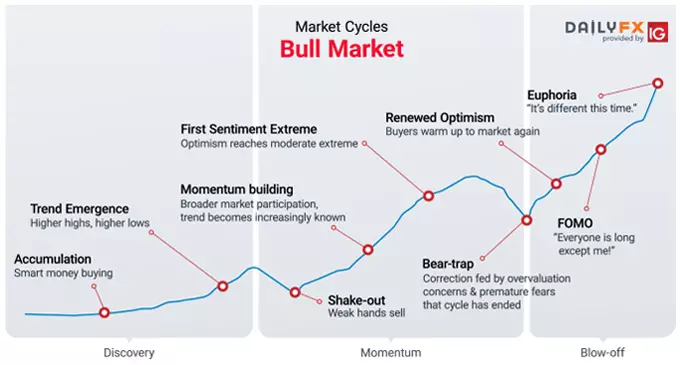
A critical question investors are asking is whether this is just a temporary dip or something more serious. Historically, a market correction is defined as a decline of 10% or more from recent highs. While parts of the tech sector are approaching this level, the broader market is still in a gray zone.
There are two possible scenarios:
Short-Term Pullback Scenario:
If economic data stabilizes and inflation cools, markets could recover quickly. Tech stocks, especially those with strong earnings, may bounce back as investors buy the dip.
Extended Correction Scenario:
If interest rates stay high and earnings disappoint, the market could enter a prolonged correction phase. In this case, tech stocks could see further downside before stabilizing.
Technical indicators currently show weakening momentum, with several indices breaking key support levels—another signal that this could evolve into a deeper correction.
What Experts and Analysts Are Saying Now
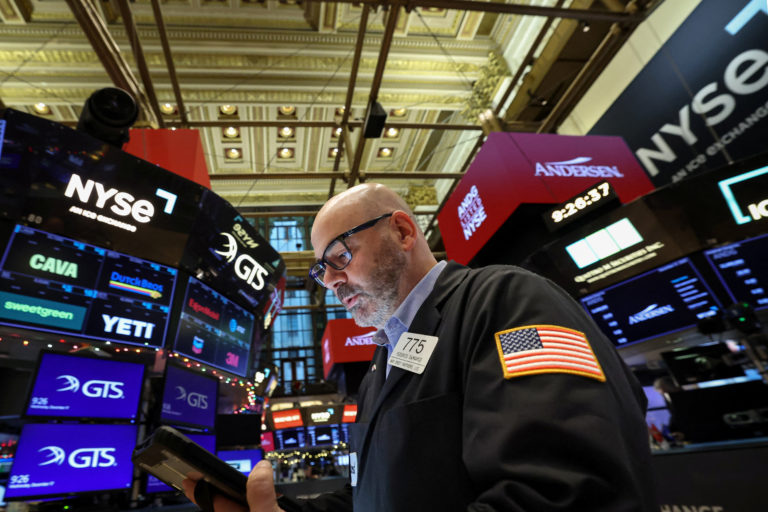


Market experts are divided, but cautious overall. Some analysts believe this is a healthy correction after an extended rally, allowing valuations to reset. Others warn that the combination of high rates and slowing growth could create sustained pressure.
Several institutional reports highlight that:
- Earnings expectations for tech companies may be too optimistic
- AI-driven growth narratives may be overpriced in the short term
- Global economic uncertainty, including geopolitical tensions, adds risk
At the same time, long-term investors remain optimistic about the tech sector’s fundamentals. Areas like artificial intelligence, cloud computing, and cybersecurity continue to show strong demand.
Risks That Could Push Markets Lower


Several risks could accelerate the current downturn:
Persistent Inflation:
If inflation remains high, the Federal Reserve may keep interest rates elevated for longer than expected.
Earnings Disappointments:
If major tech companies fail to meet expectations, investor confidence could drop sharply.
Geopolitical Risks:
Global tensions can create sudden market shocks, increasing volatility.
Liquidity Tightening:
Central banks reducing their balance sheets can remove support from financial markets.
Each of these factors increases the probability that the current decline could extend beyond a short-term pullback.
Market Outlook: What Investors Should Watch Next


Looking ahead, several key indicators will determine the market’s direction:
- Upcoming inflation reports (CPI data)
- Federal Reserve policy decisions
- Quarterly earnings from major tech companies
- Bond yield movements
If inflation shows signs of cooling and earnings remain strong, markets could stabilize. However, if macroeconomic pressure continues, further downside cannot be ruled out.
For investors, this is a time to focus on risk management, diversification, and long-term strategy rather than short-term speculation.
A Critical Moment for the US Stock Market
The recent slide in tech stocks is more than just a routine dip—it reflects deeper concerns about interest rates, valuations, and economic uncertainty. While it may still turn out to be a healthy correction, the risks of a broader market downturn are clearly increasing.
Investors should stay informed, avoid panic-driven decisions, and closely monitor key economic signals. Whether this becomes a major correction or a temporary setback will depend largely on how macroeconomic conditions evolve in the coming weeks.
One thing is certain: volatility has returned, and markets are entering a more challenging phase.
Subscribe to trusted news sites like USnewsSphere.com for continuous updates.