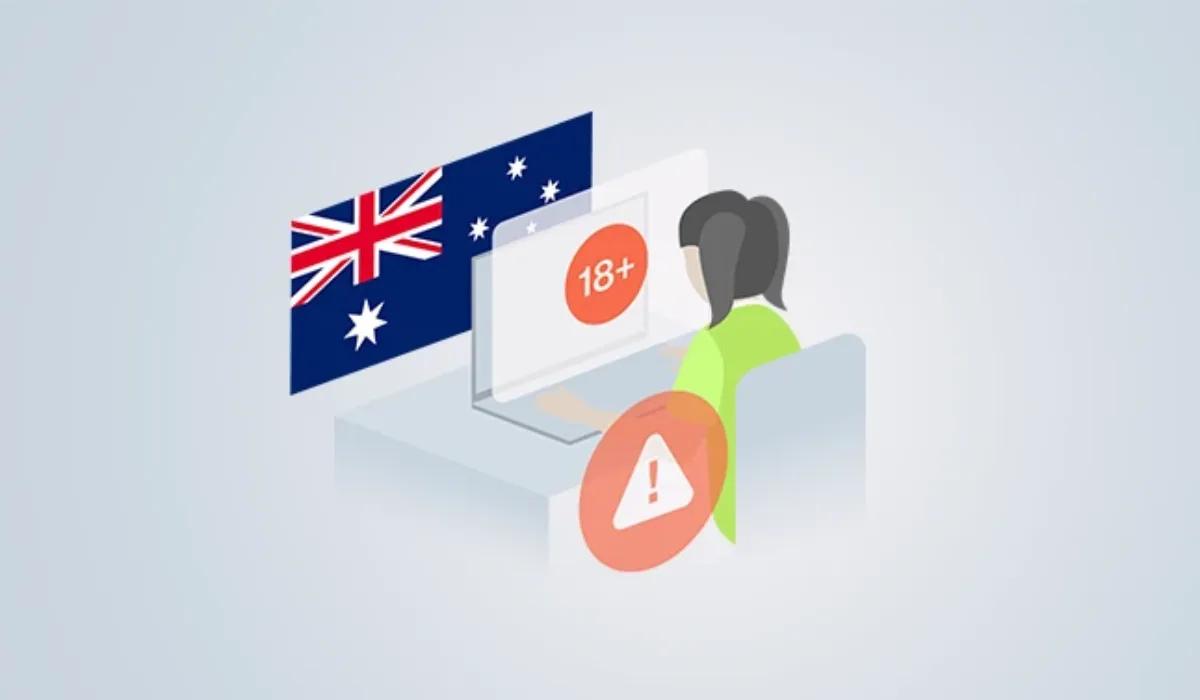
Elon Musk’s X fined over Australia child safety laws has become one of the biggest global tech regulation stories of 2026, raising fresh questions about how social media platforms protect children online. Australia’s Federal Court ordered X Corp, formerly known as Twitter, to pay major penalties after the company admitted it failed to properly respond to official requests about child exploitation prevention measures. The case has drawn attention from regulators, lawmakers, tech companies, and digital safety experts across the United States, Europe, and other regions.
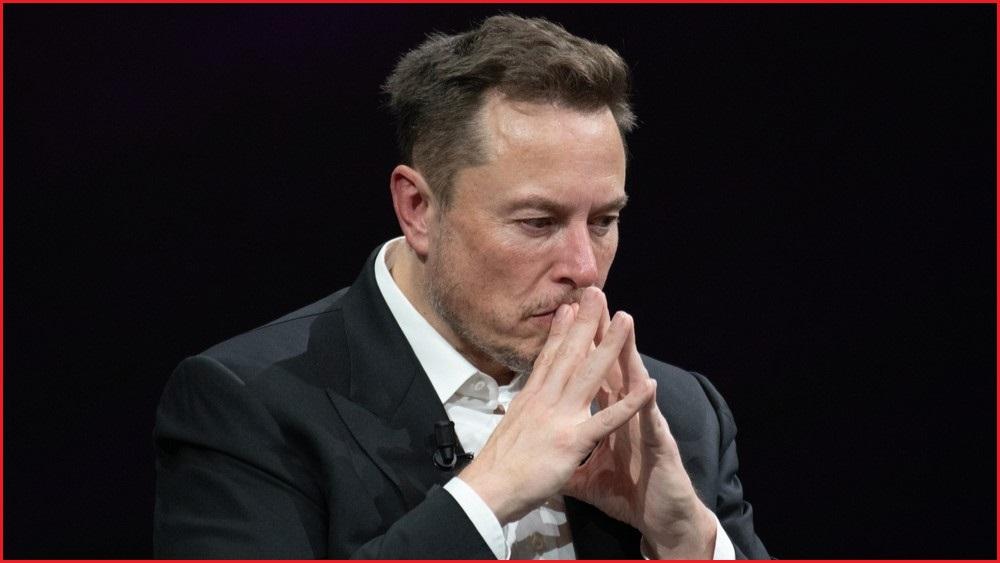
The Australian eSafety Commissioner argued that X failed to provide important information related to how the platform detects and removes harmful child abuse material. The court battle lasted nearly three years and ended with financial penalties, legal costs, and renewed scrutiny of Elon Musk’s platform. The decision is being viewed globally as a warning that governments are becoming far more aggressive toward online safety enforcement.
Australian Court Delivers Major Blow to X Corp
Australia’s Federal Court ordered X Corp to pay about AU$650,000 in penalties along with an additional AU$100,000 in legal costs after the company admitted it breached the country’s Online Safety Act. The dispute originally began in 2023 when Australia’s eSafety Commissioner sent legal transparency notices to several major tech companies asking detailed questions about child exploitation prevention systems.
According to court filings and regulatory statements, X failed to fully answer several key questions tied to its moderation systems, staffing levels, detection technology, and response times involving child sexual exploitation content. Australian regulators argued that incomplete answers delayed their ability to monitor online safety risks and enforce national protections for minors. The court ultimately ruled that compliance with these requests is mandatory under Australian law.
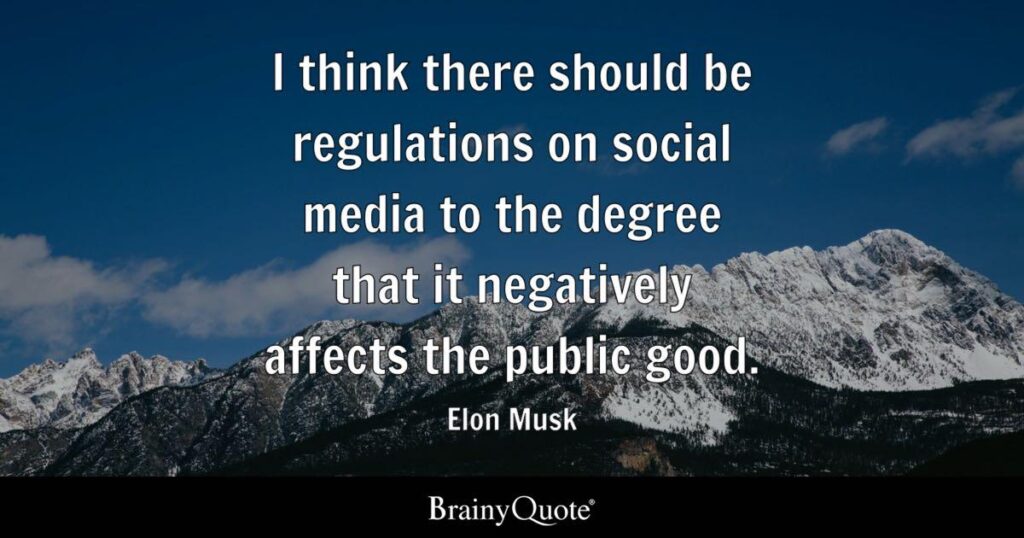
Why Australia Targeted Elon Musk’s Social Platform
The investigation focused on concerns that major online platforms were not doing enough to stop the spread of child sexual abuse material online. Australia’s eSafety Commissioner, Julie Inman Grant, has repeatedly warned that digital platforms must improve transparency about how harmful content is detected and removed. Regulators said X’s responses lacked critical operational details needed for safety oversight.
The issue became even more sensitive after Elon Musk’s takeover of Twitter in 2022 led to widespread staff reductions across trust and safety teams. Critics argued that those cuts weakened moderation systems at a time when governments were demanding stronger digital protections. Australian officials said platforms handling millions of users worldwide cannot avoid accountability by citing internal restructuring or company rebranding.
Elon Musk’s Legal Strategy Failed in Court
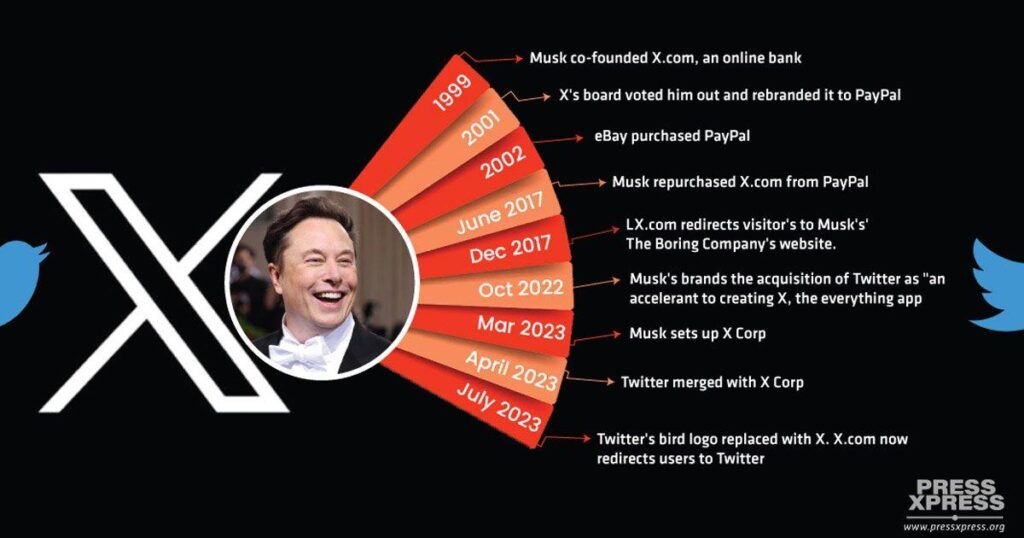
X initially attempted to challenge the penalty by arguing that the original legal notices were issued to Twitter before the company formally became X Corp. Lawyers for the platform claimed corporate restructuring created technical legal complications regarding compliance obligations. However, Australian judges rejected those arguments in earlier rulings and reaffirmed that the company still had legal responsibilities under the Online Safety Act.
During the latest hearing, lawyers representing X admitted there had been ongoing noncompliance for more than a month. The company argued that the delays happened during a period of transition following Musk’s acquisition. Still, the court concluded that large technology companies must maintain consistent regulatory cooperation regardless of internal organizational changes.
Why This Matters Now for Global Tech Companies
This case is becoming a major international example of governments increasing pressure on social media companies to strengthen child safety protections. Countries across Europe, North America, and Asia are introducing stricter digital safety laws that require transparency about harmful content moderation, especially involving minors. Australia has positioned itself as one of the world’s most aggressive regulators in this area.
The ruling may also influence future investigations into online platforms, including TikTok, Meta, Discord, and other social networks. Regulators worldwide are increasingly demanding proof that companies are investing in trust and safety systems instead of simply promising improvements. Experts believe the decision could encourage larger penalties and stronger reporting requirements globally over the next several years.
Growing Concerns About Child Safety on Social Media
Online child exploitation has become one of the most serious challenges facing digital platforms. Governments and child protection organizations say illegal material spreads rapidly through recommendation systems, encrypted messaging, reposts, and anonymous accounts. Australia’s eSafety Office has repeatedly stated that social media companies must proactively detect and remove harmful content before it spreads widely.
Recent reports have also increased pressure on X specifically. Earlier in 2026, Australian regulators reportedly warned that child abuse material had become more visible on parts of the platform compared to several other mainstream services. Those concerns added more public attention to the ongoing legal dispute and increased political pressure for tougher oversight.
What Happens Next After the Court Decision
The ruling closes one chapter of a long legal battle, but the broader conflict between global governments and large technology companies is far from over. Australia is continuing to strengthen online safety regulations, while other countries are studying similar approaches. Analysts believe Elon Musk’s X could face additional regulatory scrutiny in other markets if governments conclude that child protection systems remain insufficient.
For advertisers, investors, and users, the case highlights how platform safety issues now carry major legal, financial, and reputational risks. Tech companies are increasingly being judged not only by user growth and innovation, but also by how effectively they protect vulnerable users online. The Australian decision sends a clear signal that governments are prepared to enforce those standards aggressively.
Focus Keywords: Elon Musk X fined, Australia child safety laws, X Corp Australia fine, online safety regulations, child exploitation content, social media regulation
Subscribe to trusted news sites like USnewsSphere.com for continuous updates.