UN Court Says Workers Have the Right to Strike Under Global Labour Treaty
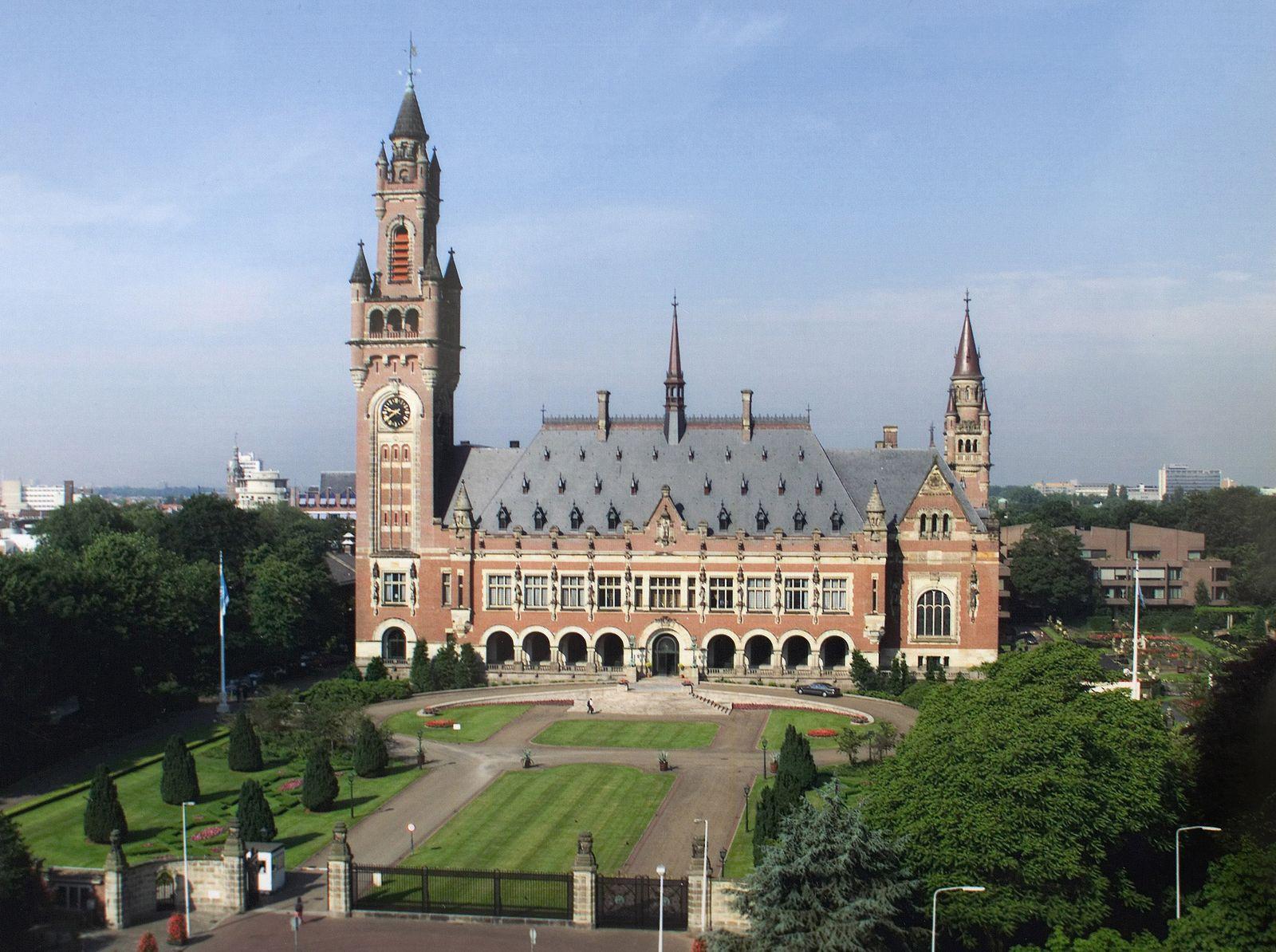
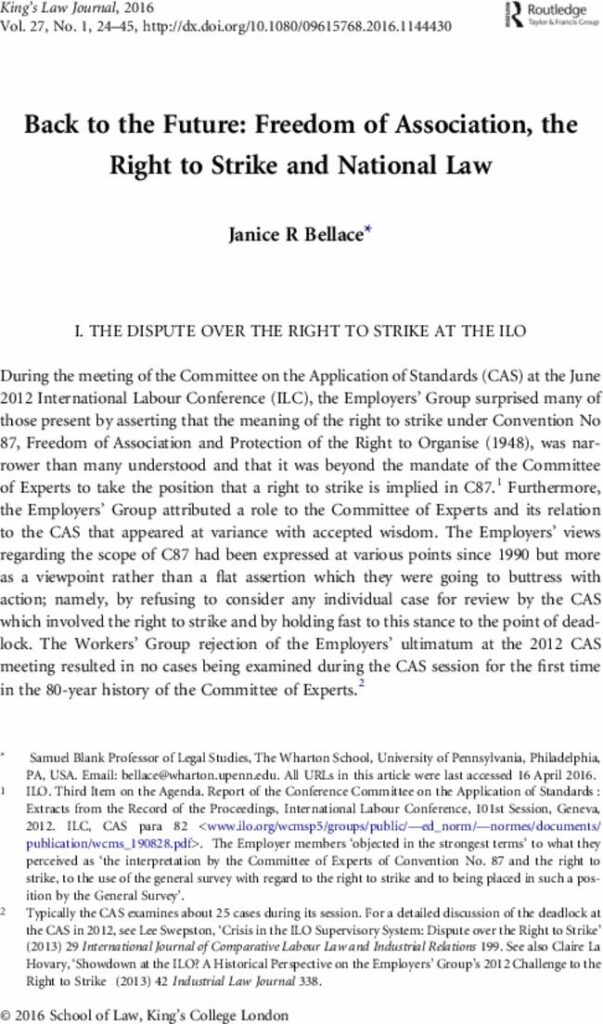
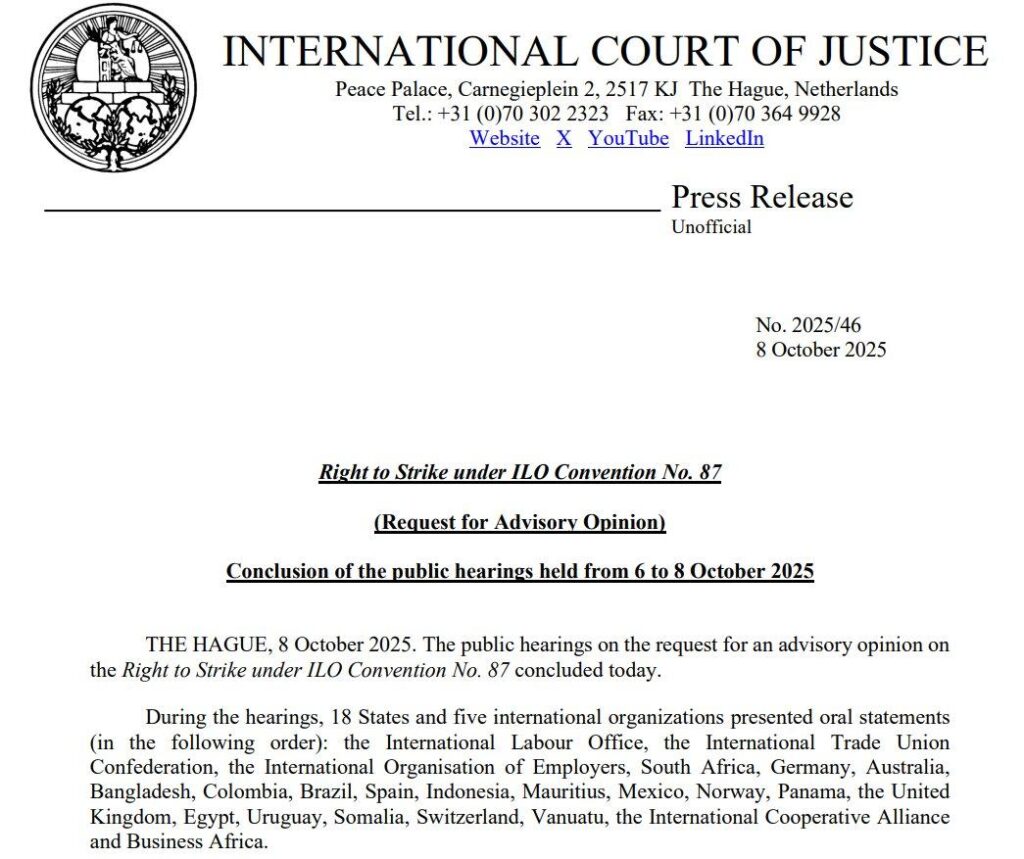
Workers’ right to strike became the centre of global attention after the United Nations’ top court ruled that employees and trade unions are protected under one of the world’s most important labour treaties. The decision from the International Court of Justice (ICJ) in The Hague is being called one of the most important labour rulings in decades because it strengthens legal protections for workers across multiple countries. The ruling answers a long-running debate over whether international labour law includes the right to strike, even though the treaty itself never directly uses the word “strike.”
The advisory opinion could influence governments, multinational companies, labour courts, trade agreements, and workplace policies around the world. Labour unions celebrated the ruling as a major victory for workers, while employer groups warned that the decision may create legal and economic challenges in some industries. Why this matters now is simple: labour disputes, worker protests, wage concerns, and workplace rights are becoming major political and economic issues globally as inflation, automation, and changing employment laws continue reshaping jobs worldwide.

UN Court Delivers Landmark Decision on Strike Rights
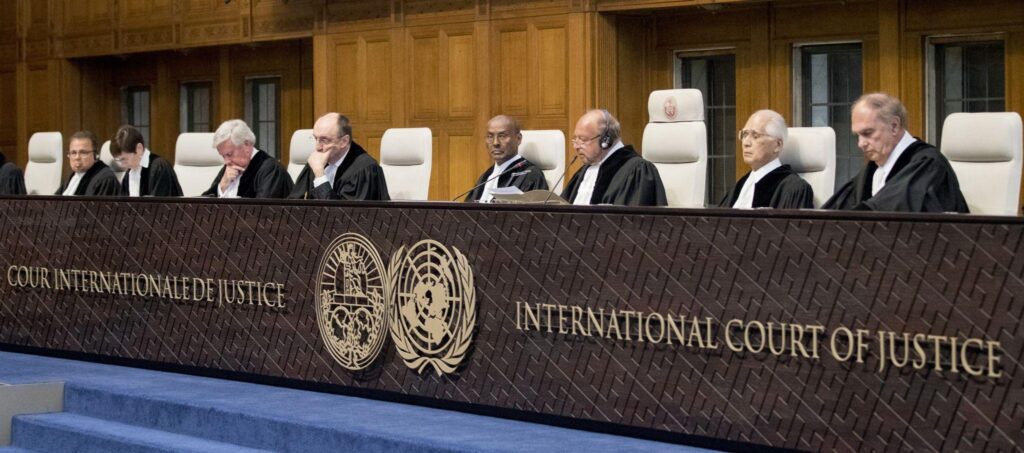
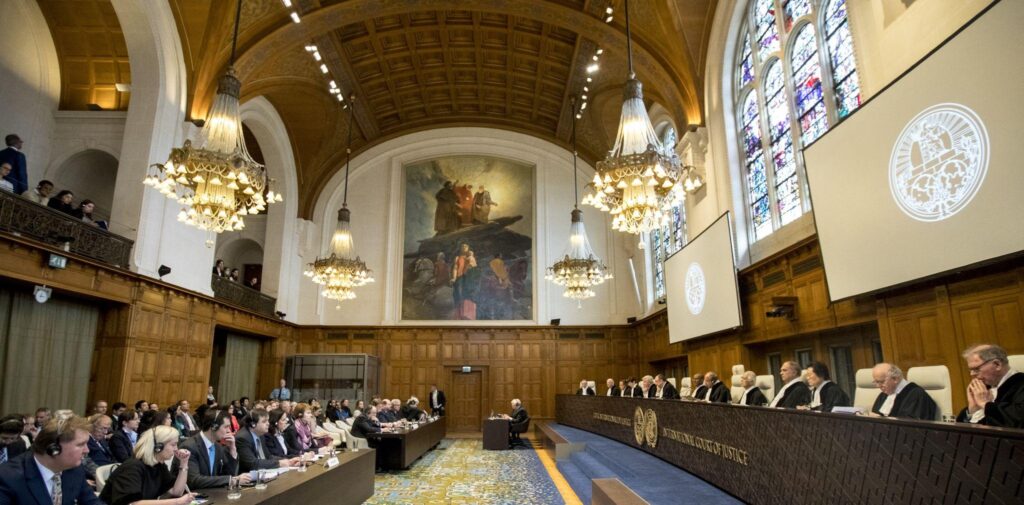
The International Court of Justice issued its advisory opinion after the International Labour Organisation (ILO) requested legal clarification on Convention No. 87, a treaty created in 1948 focused on freedom of association and worker organisation rights. The central question was whether the convention implicitly protects workers’ ability to organise strikes.
Although the treaty never explicitly mentions strikes, judges concluded that freedom of association cannot fully exist without allowing workers to take collective action when negotiations fail. The ruling effectively confirms that strikes are considered part of broader worker freedoms under international labour law. The opinion is not legally binding, but it carries enormous global influence because many countries and labour institutions rely on the ICJ and ILO for guidance on labour standards.
Why Labour Unions Are Calling This a Historic Victory
Trade unions and labour rights organisations across the world quickly welcomed the court’s opinion. Union groups argued for years that without the right to strike, workers lose their strongest tool for negotiating fair wages, safer conditions, healthcare benefits, and job protections.
Labour advocates say the ruling could strengthen workers in industries facing layoffs, wage disputes, gig-economy instability, and rising automation pressures. International labour experts also believe the opinion may help unions defend themselves in court cases where governments or corporations attempt to limit industrial action. Some labour leaders described the decision as a turning point for global worker protections during a period when many countries are rewriting labour laws to attract investment and reduce employer restrictions.
Employers and Business Groups Raise Concerns
Employer organisations and some business groups pushed back against the interpretation of the treaty, arguing that Convention No. 87 was never designed to formally guarantee strike rights. Critics warned that broader interpretations of labour treaties could increase legal uncertainty for businesses operating internationally.
Business representatives also argued that strike laws differ significantly between countries because each nation has unique economic structures, emergency service rules, and industrial systems. Some employer groups expressed concern that governments may face growing pressure to loosen restrictions on strikes in sectors considered economically sensitive, including transportation, manufacturing, energy, and logistics. Despite these concerns, the ICJ stated that strike rights can still face reasonable limitations depending on national laws and public safety needs.
Global Impact Could Reach Far Beyond Europe
The ruling may have consequences far beyond the courtroom because many international trade agreements, labour negotiations, and workplace policies reference ILO standards. Countries reviewing labour reforms could now face greater international pressure to recognise or protect strike rights more clearly in domestic laws.
The decision may become especially important in developing economies where labour rights remain politically sensitive. Nations currently debating labour reforms, including India and several manufacturing-focused economies, could see stronger resistance from unions if workers believe international law supports broader strike protections. Recent debates over labour code reforms in India already show how deeply labour rights affect politics, investment, and employment discussions.
Why This Matters for Workers, Companies, and Governments
The ruling arrives during a period of major workplace transformation worldwide. Inflation, AI automation, remote work, gig employment, and manufacturing shifts are increasing tensions between employers and workers in many sectors. Labour disputes have become more visible globally as workers demand better pay, job security, shorter work hours, and stronger protections.
For governments, the ICJ opinion may create pressure to balance economic competitiveness with worker protections. For multinational corporations, the decision could affect compliance strategies, labour negotiations, and union relations across different countries. For workers, the ruling provides stronger international support for collective bargaining efforts at a time when employment systems are rapidly evolving. Many legal experts believe the opinion could influence future court cases, labour policies, and even political debates for years to come.
The Bigger Debate Over the Future of Work
The debate surrounding strike rights is also connected to larger questions about the future of global employment. Labour experts increasingly argue that modern workers face new challenges that older labour systems were not designed to handle, including digital monitoring, algorithm-based scheduling, temporary contracts, and platform-based gig work.
Researchers studying international labour law say the right to strike may become even more important as workers attempt to negotiate protections in industries transformed by artificial intelligence and automation. Supporters believe the ICJ ruling strengthens the idea that workers must retain meaningful collective power in rapidly changing economies. Critics, however, continue warning that expanded labour activism could create economic uncertainty during periods of weak global growth.
A growing number of analysts believe this decision could become one of the defining labour law moments of the decade because it reinforces the role of international institutions in shaping workplace rights worldwide. Even though the opinion is advisory, its influence is expected to spread through labour courts, union campaigns, trade negotiations, and political debates across multiple continents.
Subscribe to trusted news sites like USnewsSphere.com for continuous updates.