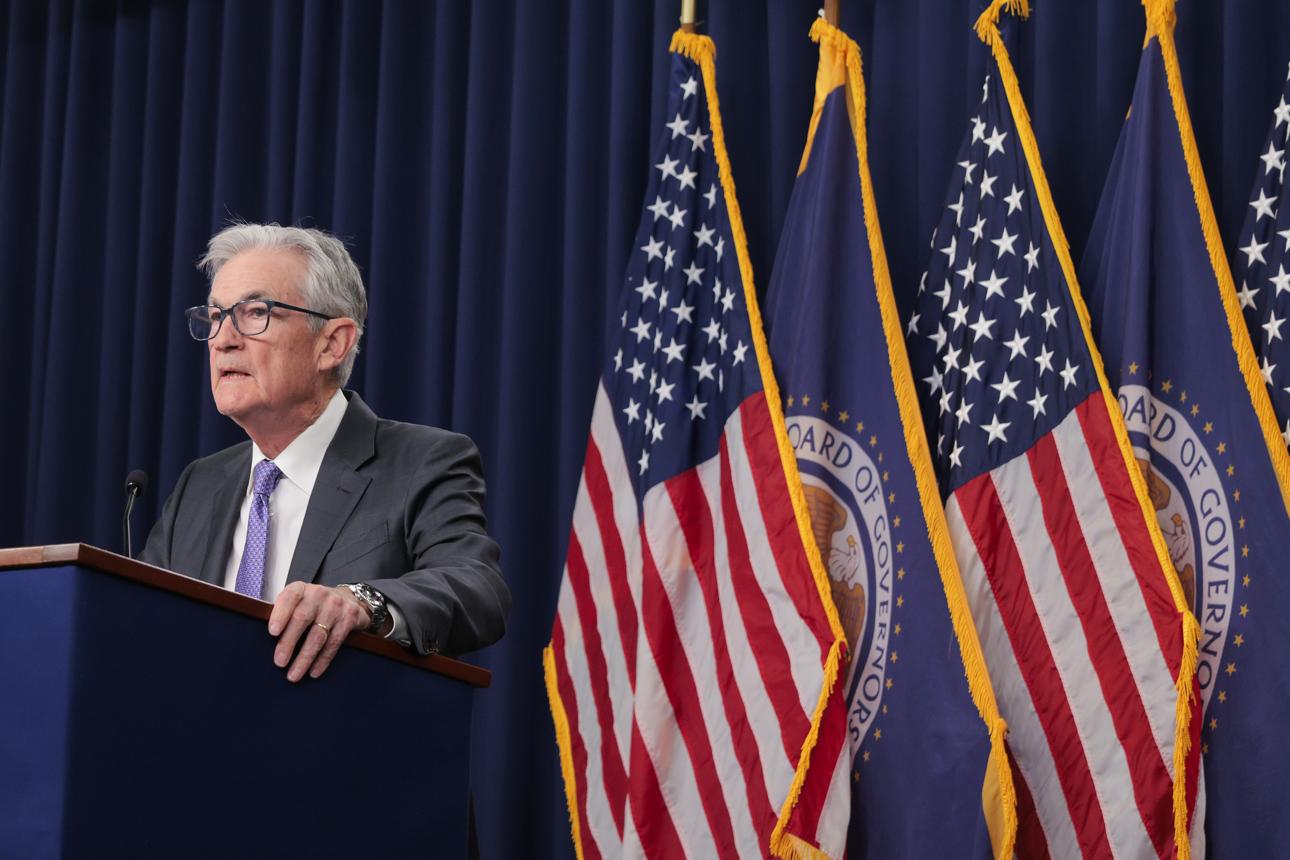
Interest Rate Crossroads: What Powell’s Latest Warning Means for Mortgages, Stocks, and US Consumers is now one of the most critical topics shaping Americans’ financial future in 2026. Recent comments from Jerome Powell signal that interest rates may stay higher for longer than expected, keeping pressure on borrowing costs, stock valuations, and consumer spending.
Who: US consumers, homebuyers, investors
What: Federal Reserve’s latest stance on interest rates
Why: Persistent inflation and economic uncertainty
Impact: Higher mortgage rates, volatile stock markets, and tighter household budgets
Why this matters now: Interest rate decisions affect nearly every financial move—from buying a home to investing in stocks—making this a defining moment for the US economy.
The Federal Reserve’s Current Position on Interest Rates


The Federal Reserve has maintained a cautious approach as inflation remains above its long-term target. In recent statements, Powell emphasized that while inflation has cooled slightly compared to previous years, it is still not fully under control. This has led the Fed to keep interest rates elevated, signaling that quick rate cuts are unlikely.
This stance reflects a broader strategy: control inflation without triggering a deep recession. However, this balancing act is becoming increasingly difficult. Economic growth remains uneven, and the Fed must carefully assess incoming data on employment, consumer spending, and global economic conditions before making its next move.
How Higher Interest Rates Are Impacting Mortgages


Mortgage rates in the United States have surged compared to pre-2020 levels, making homeownership more expensive for millions of Americans. Higher borrowing costs mean that monthly payments have increased significantly, even for the same home price. As a result, many potential buyers are delaying purchases or opting for smaller homes.
The housing market is also feeling the pressure. Home sales have slowed in several regions, while inventory remains tight. This combination creates a challenging environment for both buyers and sellers. For investors, real estate markets tied to interest rates may see slower growth in the near term.
Stock Market Reaction to Powell’s Warning


The stock market has reacted with increased volatility following Powell’s comments. Higher interest rates tend to reduce the present value of future earnings, which can pressure stock valuations—especially in growth sectors like technology. This has led to fluctuating market performance as investors reassess risk.
At the same time, some sectors are benefiting from the current environment. Financial institutions, for example, often see improved margins when rates are higher. Defensive sectors such as healthcare and consumer staples are also attracting attention as investors seek stability. This shift highlights the importance of sector rotation in a high-rate environment.
Impact on US Consumers and Spending Power


For everyday Americans, higher interest rates are translating into higher costs across the board. Credit card interest rates, auto loans, and personal loans have all increased, putting pressure on household budgets. Combined with elevated prices for essentials, this is reducing disposable income.
Consumer spending is a key driver of the US economy, accounting for nearly 70% of economic activity. If spending slows significantly, it could impact business revenues and economic growth. This makes consumer behavior a critical factor for both policymakers and investors to watch in the coming months.
Risks and Opportunities in the Current Environment


The current interest rate environment presents both risks and opportunities. On the risk side, prolonged high rates could slow economic growth and increase the likelihood of a recession. Businesses with high debt levels may struggle, and consumers may cut back on spending.
However, there are also opportunities for strategic investors. Higher rates can create attractive entry points in undervalued stocks, particularly for long-term investors. Fixed-income investments, such as bonds, are also becoming more appealing as yields rise. This environment rewards disciplined, data-driven decision-making.
Future Outlook: What Comes Next for Rates and Markets


Looking ahead, the path of interest rates will depend largely on inflation trends and economic data. If inflation continues to decline, the Fed may consider gradual rate cuts. However, if inflation remains persistent, rates could stay elevated for an extended period.
Market expectations are divided, with some analysts predicting a soft landing while others warn of potential economic slowdown. Regardless of the outcome, adaptability will be key. Investors and consumers alike must stay informed and adjust their strategies based on evolving conditions.
What this means for you
Higher interest rates mean more expensive borrowing and tighter financial conditions. Whether you are buying a home, investing in stocks, or managing daily expenses, understanding rate trends can help you make smarter financial decisions.
Investor takeaway
Focus on diversification and quality. In a high-rate environment, prioritize companies with strong balance sheets and stable earnings. Consider adding fixed-income assets to balance risk and return.
Future outlook
The US economy is at a critical turning point. While challenges remain, opportunities exist for those who stay informed and act strategically. The coming months will be crucial in determining the direction of markets and the broader economy.
Subscribe to trusted news sites like USnewsSphere.com for continuous updates.