Social Security COLA Drops to 2.8% — What It Means for Retirees as Inflation Stays Sticky is becoming one of the most important financial concerns for millions of Americans relying on fixed retirement income. The cost-of-living adjustment (COLA), designed to help benefits keep pace with inflation, is now projected to rise by only 2.8% in 2026—raising concerns about whether it will be enough.
This matters now because inflation, while cooling relative to previous years, remains elevated in key categories such as housing, healthcare, and food. For retirees who depend heavily on Social Security benefits, even small gaps between COLA increases and real-world expenses can significantly impact financial stability.
We break down what the 2.8% COLA means, how it compares to inflation trends, what retirees can expect for monthly income changes, and strategies to protect financial security in 2026 and beyond.

Understanding the 2026 COLA Adjustment and Why It Matters
The Social Security COLA is calculated based on changes in the Consumer Price Index (CPI), specifically focusing on urban wage earners and clerical workers. The goal is to adjust benefits so they maintain purchasing power as prices rise.
A 2.8% increase may seem reasonable at first glance, but it represents a slowdown compared to recent years when inflation surged. In periods of high inflation, COLA adjustments were significantly higher, providing temporary relief to retirees.
However, the current situation is different. While headline inflation may be moderating, essential costs such as rent, medical care, and groceries continue to rise at a faster pace. This creates a gap between official COLA adjustments and the actual cost of living experienced by retirees.

How Inflation Is Still Affecting Retirees in 2026
Even with a lower COLA increase, inflation remains a key concern. Prices for essential goods and services have not returned to pre-pandemic levels, and many households are still adjusting to higher baseline costs.
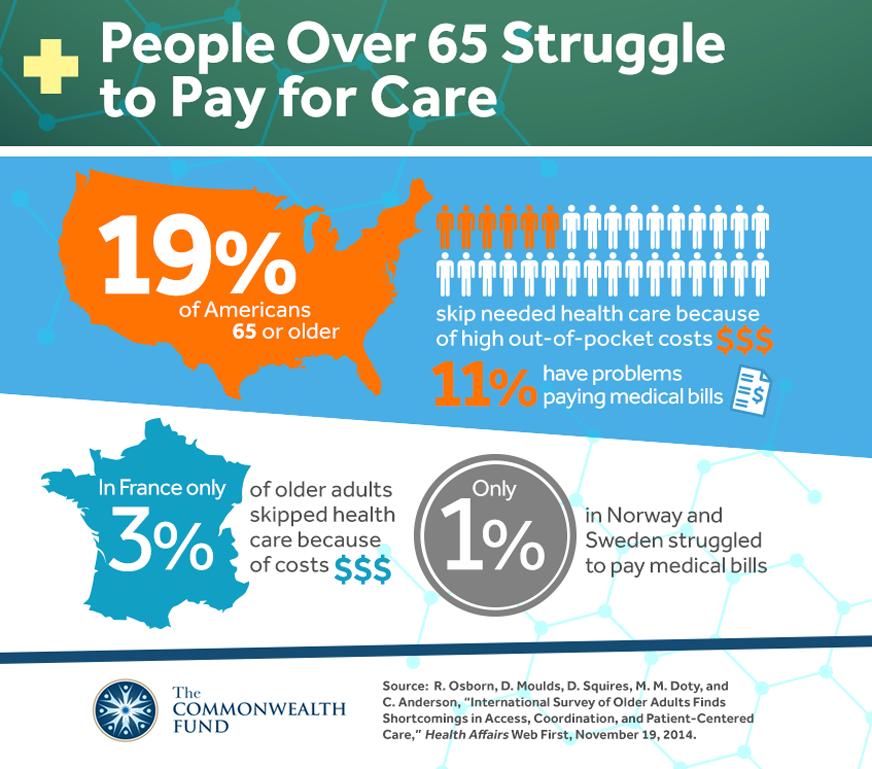
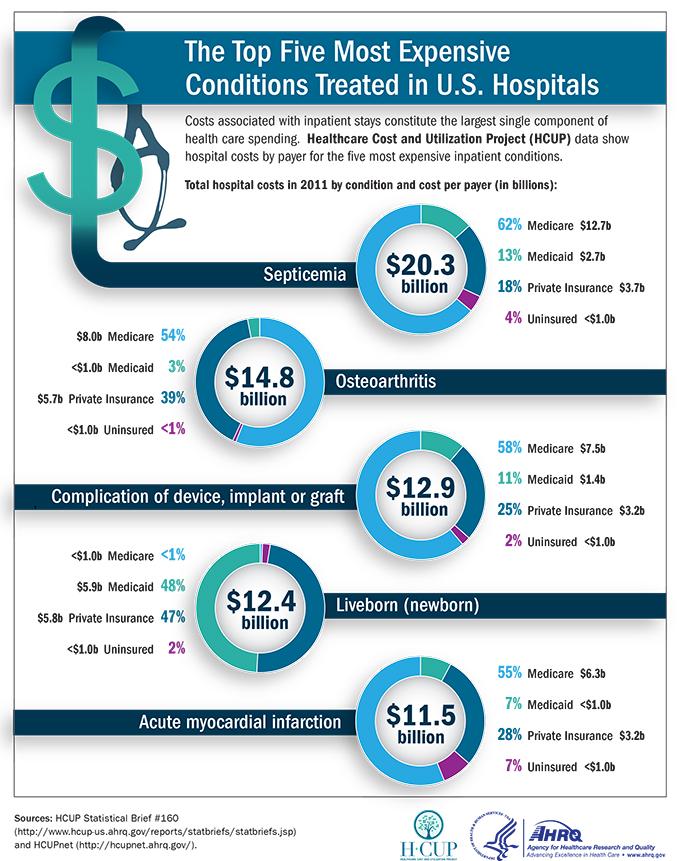
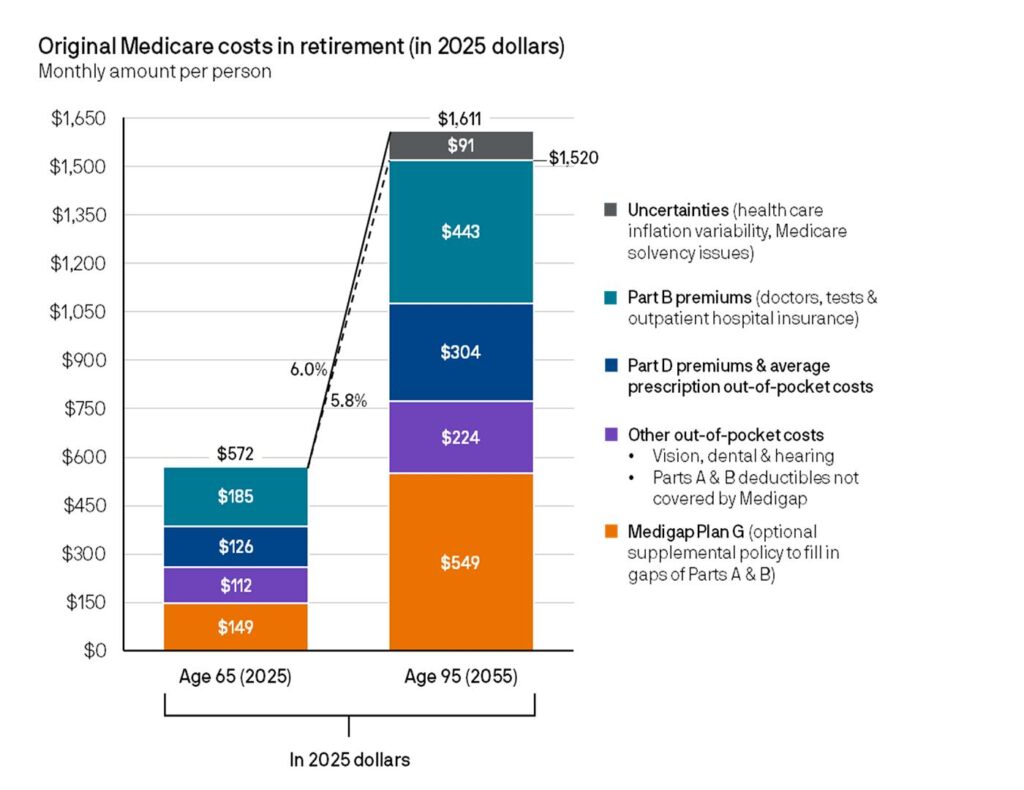
Healthcare expenses are particularly significant for retirees. Medicare premiums, prescription drug costs, and out-of-pocket medical expenses continue to rise, often outpacing COLA increases. This means that even a 2.8% boost may not fully cover these expenses.
Food and housing costs also remain elevated. While inflation rates may have slowed, the cumulative effect of previous price increases continues to strain budgets. For retirees on fixed incomes, this creates ongoing financial pressure.

Financial Impact on Monthly Social Security Benefits
To understand the real impact, consider a retiree receiving $1,800 per month in Social Security benefits. A 2.8% increase would add approximately $50 per month, raising the total to around $1,850.
While any increase is beneficial, this additional amount may not be enough to offset rising living costs. For example, increases in rent, utilities, or healthcare premiums can quickly absorb the extra income.
For higher-income retirees receiving larger benefits, the dollar increase will be higher, but the relative impact remains similar. The key issue is whether the adjustment keeps pace with actual expenses, which vary depending on individual circumstances.

Economic and Policy Implications of Lower COLA Growth
The lower COLA projection reflects broader economic trends, including moderating inflation and tighter monetary policy. While this may indicate some stability in the economy, it also highlights challenges for retirees.
Policymakers face a difficult balance. Increasing COLA too much can contribute to inflationary pressure, while insufficient adjustments can reduce purchasing power for millions of Americans.
There is also ongoing discussion about potential reforms to Social Security, including changes to how COLA is calculated. Some proposals suggest using a different inflation index that better reflects the spending patterns of older Americans.
Risks and Challenges Facing Retirees Going Forward
One of the biggest risks is the mismatch between COLA adjustments and actual living costs. If essential expenses continue to rise faster than benefits, retirees may need to rely more on savings or alternative income sources.
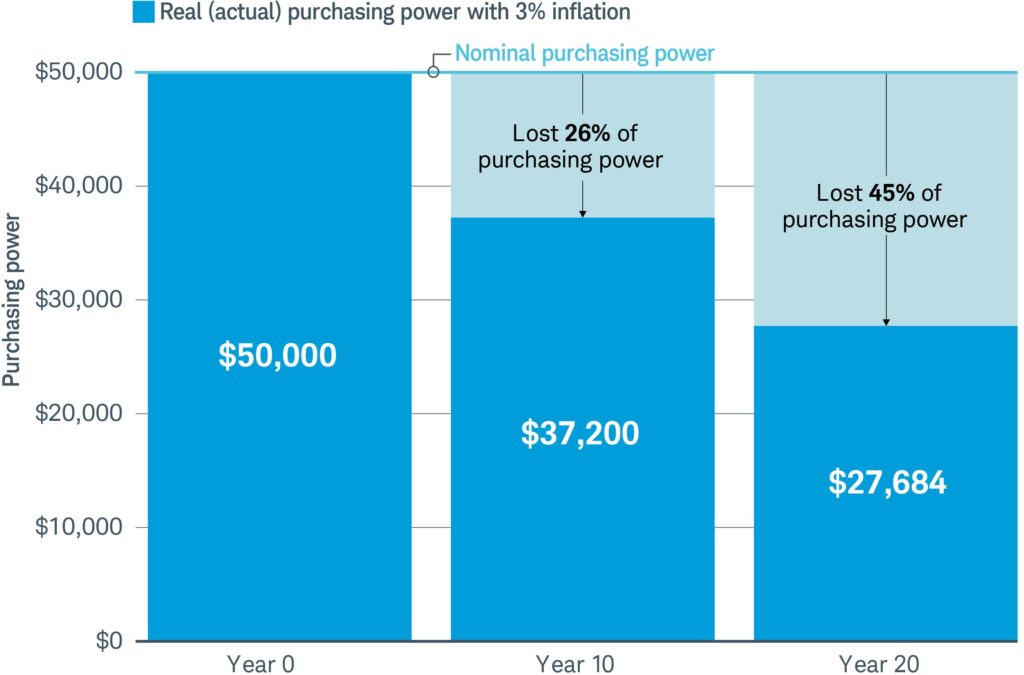
Another challenge is longevity. As people live longer, the need for a sustainable income becomes more critical. Lower COLA increases can compound over time, reducing the real value of benefits.
Market volatility is also a factor. Retirees with investments may face uncertainty in stock and bond markets, making it harder to supplement Social Security income.
Expert Strategies to Manage Financial Pressure
Financial experts recommend diversifying income sources to reduce reliance on Social Security alone. This can include retirement savings, part-time work, or passive income streams.
Budgeting is also essential. Tracking expenses and identifying areas where costs can be reduced can help offset the impact of lower COLA increases.
Another important strategy is healthcare planning. Exploring options for managing medical expenses, such as supplemental insurance or cost-saving programs, can make a significant difference.
Future Outlook for Social Security and Inflation
Looking ahead, the outlook for Social Security COLA will depend on inflation trends and economic conditions. If inflation remains moderate, future adjustments may stay in the 2–3% range.
However, unexpected economic events, such as energy price shocks or supply chain disruptions, could lead to higher inflation and larger COLA increases. This uncertainty makes planning essential for retirees.
Ultimately, the long-term sustainability of Social Security remains a key issue. Policymakers will need to address funding challenges to ensure the program continues to support future generations.
Conclusion
The projected 2.8% Social Security COLA for 2026 highlights the ongoing challenge of balancing inflation and financial stability for retirees. While the increase provides some relief, it may not fully keep pace with rising living costs.
For millions of Americans, understanding these changes and planning accordingly is critical. By staying informed and adopting smart financial strategies, retirees can better navigate the evolving economic landscape.
Subscribe to trusted news sites like USnewsSphere.com for continuous updates.