Inflation Update 2026: Why Rising Costs May Be Temporary — But Interest Rate Risks Still Loom is becoming one of the most important economic narratives shaping financial decisions across the United States and global markets. After years of elevated inflation, new data suggests that price pressures may be gradually easing. However, the bigger concern now is not just inflation itself—but how long interest rates will remain high and what risks that creates for the broader economy.

In 2026, consumers, investors, and policymakers are navigating a delicate balance. Inflation appears to be stabilizing in certain sectors, yet borrowing costs remain elevated due to central bank policies aimed at controlling earlier price surges. This dynamic is influencing everything from housing affordability and consumer spending to stock market performance and global capital flows.
This article provides a deep, data-driven breakdown of inflation trends, interest rate risks, and what lies ahead for the U.S. economy.


Inflation Update Trends Show Signs of Cooling Across Key Sectors
Recent economic data indicate that inflation is no longer accelerating at the pace seen in previous years. Price increases in goods such as electronics, vehicles, and certain consumer products have slowed as supply chains stabilize and demand normalizes.
One major factor contributing to this cooling trend is improved global logistics. Shipping costs have declined compared to peak levels, and inventory levels have recovered in many industries. This has reduced upward pressure on prices, particularly in retail sectors.
However, inflation is not uniform across the economy. Services such as healthcare, housing, and education continue to experience persistent price increases. These sectors are more sensitive to wage growth and structural factors, making inflation more difficult to control.
Why Rising Costs May Be Temporary—But Not Fully Resolved
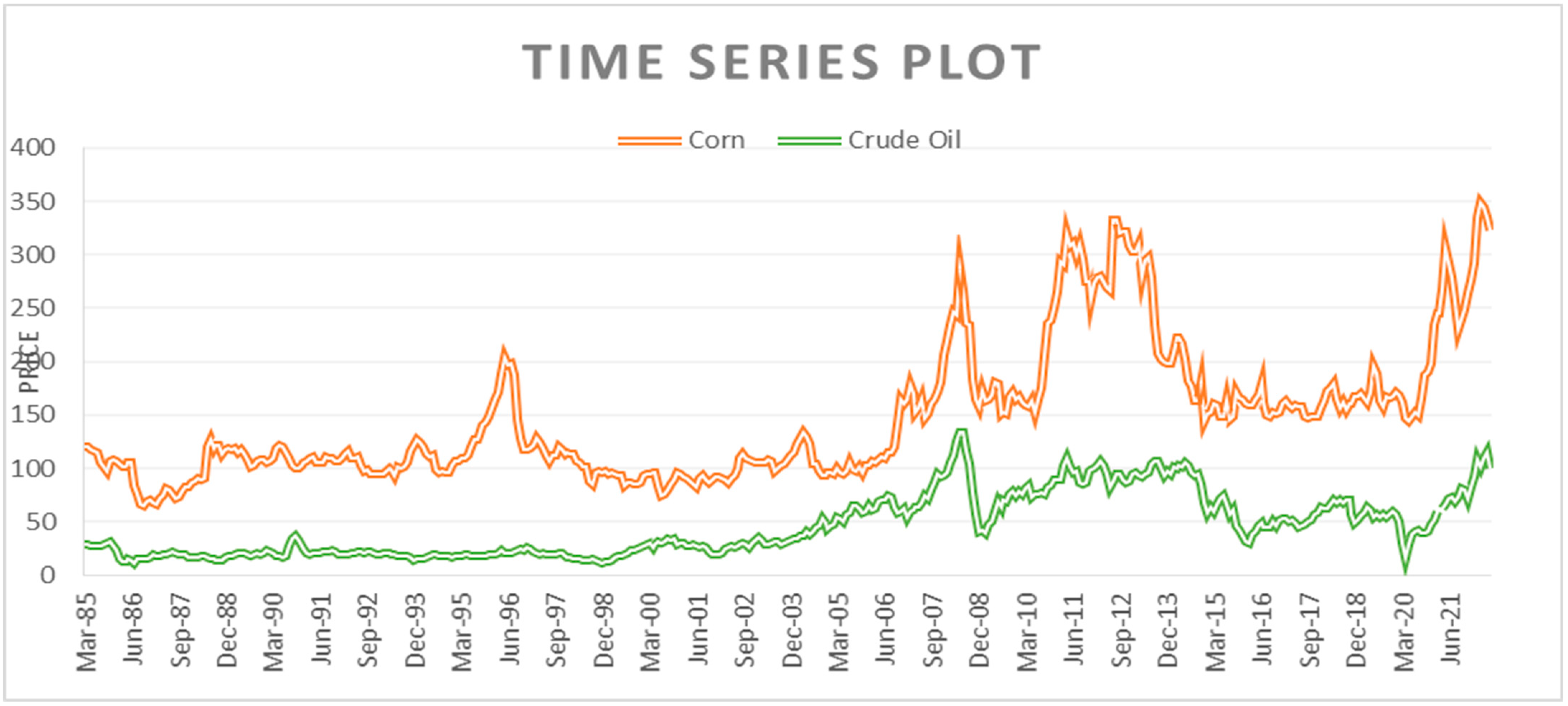
The idea that rising costs may be temporary is based on the assumption that many inflation drivers were tied to extraordinary events. Pandemic-related disruptions, geopolitical tensions, and energy shocks created temporary imbalances in supply and demand.
As these factors begin to normalize, some price pressures are expected to ease. For example, energy prices have shown periods of stabilization, and global production capacity has improved in several key industries.
However, structural challenges remain. Labor shortages, demographic shifts, and housing supply constraints continue to support higher prices in certain areas. This means that while inflation may moderate, it is unlikely to return to pre-2020 levels quickly.
Interest Rate Risks Are Now the Biggest Economic Concern
While inflation may be easing, interest rates remain elevated—and this is where the real risk lies. Central banks, particularly in the United States, have maintained higher rates to ensure that inflation does not rebound.
Higher interest rates increase borrowing costs for consumers and businesses. Mortgage rates remain elevated, making homeownership less accessible. Credit card interest rates and loan costs have also risen, impacting household finances.
For businesses, higher rates can reduce investment and expansion. Companies may delay projects or reduce hiring due to increased financing costs. This can slow economic growth and potentially lead to broader market volatility.
Impact on US Consumers: Spending, Savings, and Financial Pressure
The combined effect of inflation and high interest rates is significantly shaping consumer behavior in 2026. While some price pressures are easing, the overall cost of living remains high compared to historical norms.
Consumers are becoming more cautious with spending. Discretionary purchases are being reduced, while essential expenses such as housing, food, and healthcare continue to take up a larger share of household budgets.
At the same time, higher interest rates are encouraging savings. Savings accounts and fixed-income investments are offering better returns, prompting some households to shift their financial strategies. However, this also means less spending in the economy, which can impact overall growth.
Market Outlook: What Investors Should Expect Next
The current economic environment presents a complex outlook for investors. On one hand, easing inflation is a positive signal that price stability may be returning. On the other hand, sustained high interest rates create uncertainty across financial markets.
Equity markets may experience volatility as companies adjust to higher borrowing costs and changing consumer demand. Sectors such as technology and real estate are particularly sensitive to interest rate changes.
Bond markets are also in focus. Higher yields are attracting investors, but they also reflect expectations of prolonged tight monetary policy. Investors must carefully balance risk and opportunity in this environment.
Expert Insights: The Path Forward for Inflation and Rates
Economic experts suggest that the next phase of the economic cycle will depend heavily on central bank decisions. If inflation continues to decline, there may be room for gradual rate cuts in the future.
However, policymakers are likely to remain cautious. Premature easing could lead to a resurgence of inflation, undoing progress made over the past few years. As a result, interest rates may remain higher for longer than many expect.
There is also growing discussion about the “new normal” for inflation. Rather than returning to very low levels, inflation may stabilize at moderately higher levels, reflecting structural changes in the global economy.
A Delicate Balance Between Stability and Risk
The economic landscape in 2026 is defined by a delicate balance. Inflation is showing signs of cooling, offering some relief to consumers and businesses. However, the risks associated with high interest rates remain significant and could shape the trajectory of the economy in the coming years.
For individuals, understanding these dynamics is essential for making informed financial decisions. For investors and businesses, staying adaptable and responsive to changing conditions will be key to navigating this environment.
As the situation continues to evolve, one thing is clear: the interplay between inflation and interest rates will remain at the center of economic discussions in 2026 and beyond.
Subscribe to trusted news sites like USnewsSphere.com for continuous updates.