US Dollar Hits 10-Month High Amid War Tensions — What Federal Policy Signals for the Global Economy is one of the most important financial developments shaping global markets in 2026. As geopolitical tensions escalate, investors are rapidly shifting toward the US dollar as a safe-haven asset, pushing it to its strongest levels in nearly a year.
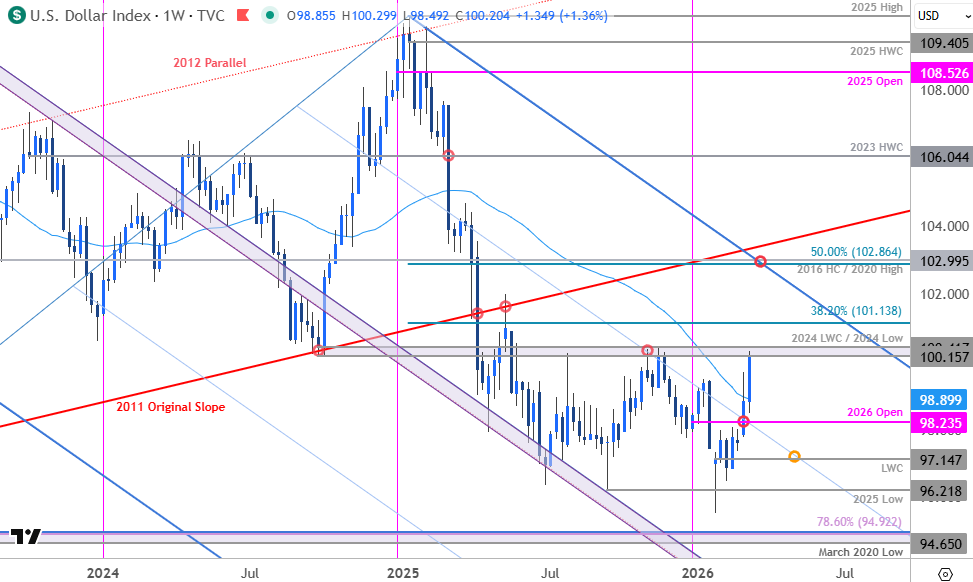
This surge is not just about currency strength—it reflects bigger changes in global risk sentiment, capital flows, and expectations around monetary policy from the Federal Reserve. For investors, businesses, and policymakers, the rising dollar is a signal that the global economic environment is becoming more uncertain and potentially more volatile.
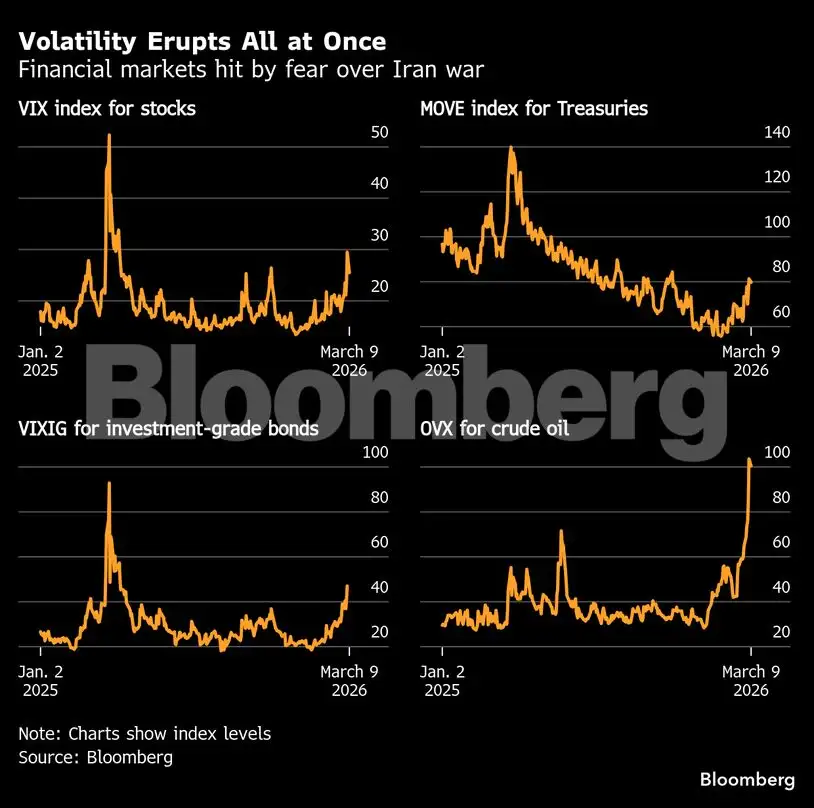
Why the US Dollar Is Surging Right Now
The recent rise in the US dollar is largely driven by increased geopolitical uncertainty. When global risks rise—especially due to war or conflict—investors tend to move capital into assets perceived as safe and stable. The US dollar remains the world’s primary reserve currency, making it the first choice during times of uncertainty.
Another key factor is interest rate expectations. Higher interest rates in the United States attract global capital, as investors seek better returns on dollar-denominated assets. Even the expectation that the Federal Reserve will maintain or delay rate cuts can strengthen the dollar.
Additionally, global economic divergence is playing a role. While some economies are slowing, the US economy has shown relative resilience, further supporting demand for the dollar.
The Role of Federal Policy in Driving Dollar Strength
Monetary policy decisions by the Federal Reserve are central to the dollar’s movement. Interest rates, inflation control measures, and liquidity policies all influence currency strength.

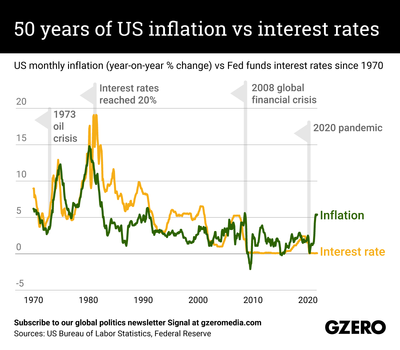
In 2026, the Fed is navigating a complex environment. Inflation pressures remain persistent due to energy costs and supply chain risks, while economic growth shows signs of slowing. This creates a balancing act between maintaining high rates to control inflation and avoiding excessive tightening that could slow the economy further.
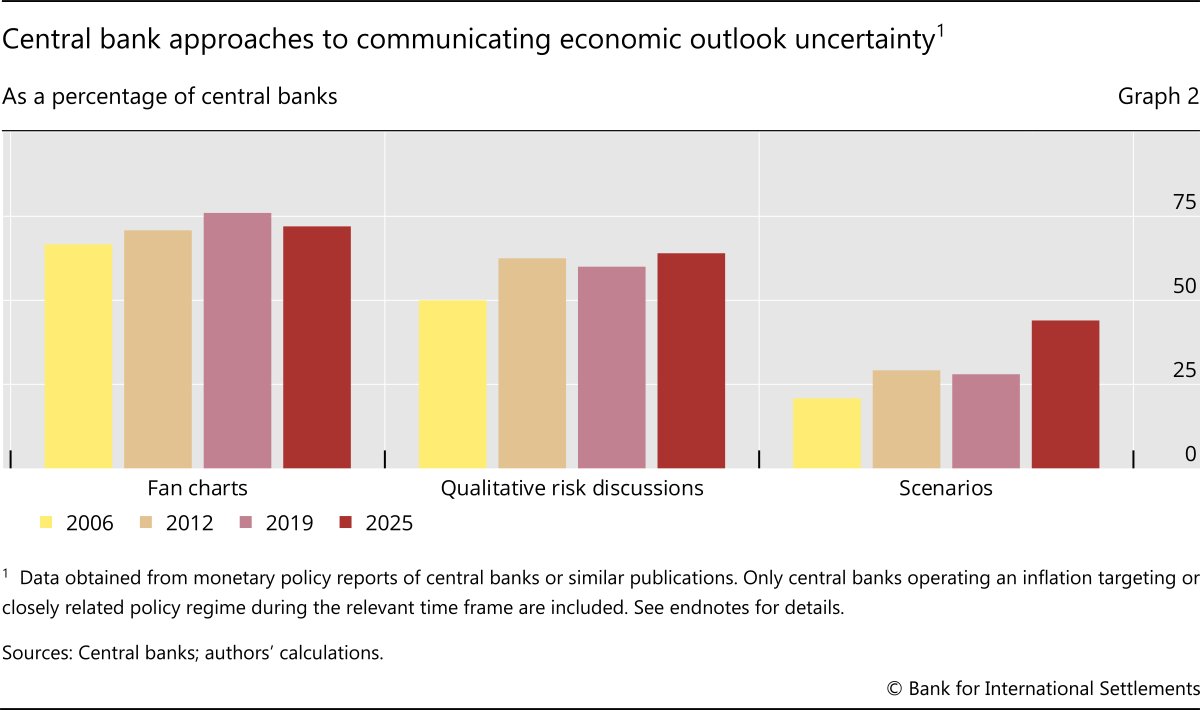
Markets are closely watching every signal from the Fed. Even small changes in policy expectations can lead to significant movements in the dollar and global financial markets.
Global Impact: Winners and Losers of a Strong Dollar
A strong US dollar has far-reaching consequences for the global economy. For emerging markets, a stronger dollar can create significant challenges. Countries with dollar-denominated debt may face higher repayment costs, increasing financial pressure.
On the other hand, US consumers may benefit from a stronger dollar, as it can make imports cheaper. However, American exporters may face challenges, as a stronger dollar makes US goods more expensive in international markets.
Commodity markets are also affected. Since commodities like oil are priced in dollars, a stronger dollar can influence global pricing dynamics and demand patterns.
What This Means for Inflation, Trade, and Supply Chains


The relationship between the dollar and inflation is complex. A stronger dollar can help reduce imported inflation by lowering the cost of goods purchased from abroad. However, global factors such as rising oil prices can offset these benefits.
Trade dynamics are also influenced. A strong dollar can widen trade deficits by making imports more attractive and exports less competitive. This can have long-term implications for economic growth and industrial activity.
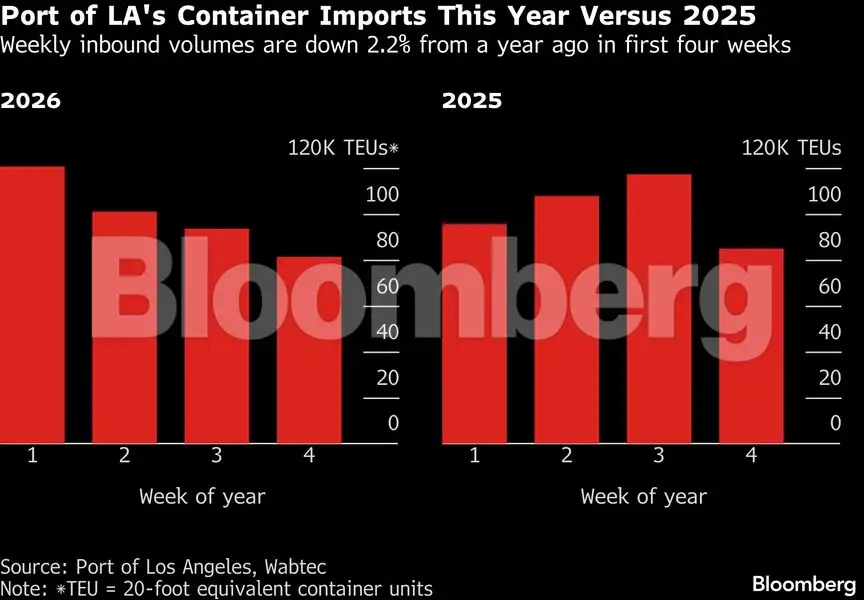
Supply chains, already under pressure from geopolitical tensions, may face additional challenges. Currency fluctuations can affect pricing, contracts, and profitability across global supply networks.
Market Outlook: Risks, Opportunities, and Investment Strategy
From an investment perspective, a strong dollar environment creates both risks and opportunities. Safe-haven assets, including US Treasury bonds, may continue to attract demand. At the same time, sectors exposed to global trade may face headwinds.
Investors are increasingly focusing on diversification and risk management. Currency exposure is becoming a key consideration, particularly for portfolios with international investments.
Opportunities may also emerge in sectors that benefit from dollar strength, such as domestic-focused industries and companies with strong pricing power. Understanding these dynamics is essential for navigating the current market environment.
The Bigger Picture: A Shift in Global Economic Power Dynamics
The rise of the US dollar highlights broader shifts in global economic power. As uncertainty increases, the dominance of the dollar as a global reserve currency is reinforced.
However, this also raises questions about long-term sustainability. Some countries are exploring alternatives to reduce reliance on the dollar, which could reshape the global financial system over time.
For now, the dollar’s strength reflects confidence in the US economy and financial system. But it also underscores the interconnected nature of global markets, where changes in one region can have widespread effects.
Why This Dollar Surge Matters More Than Ever
The US dollar’s climb to a 10-month high is more than just a market movement—it is a reflection of global uncertainty, policy expectations, and shifting economic dynamics. For investors, businesses, and policymakers, understanding these trends is essential.
As geopolitical tensions continue and monetary policy evolves, the dollar will remain a key indicator of global financial health. Staying informed and adapting to these changes can provide a significant advantage in navigating today’s complex economic landscape.
Subscribe to trusted news sites like USnewsSphere.com for continuous updates.