
Global Trade Under Pressure: How War and Energy Supply Risks Could Reshape US Imports in 2026 is rapidly becoming one of the most critical economic stories shaping global markets today. As geopolitical tensions intensify and oil prices surge toward key psychological levels, the structure of global trade is beginning to shift in ways that could have lasting consequences for the United States economy.
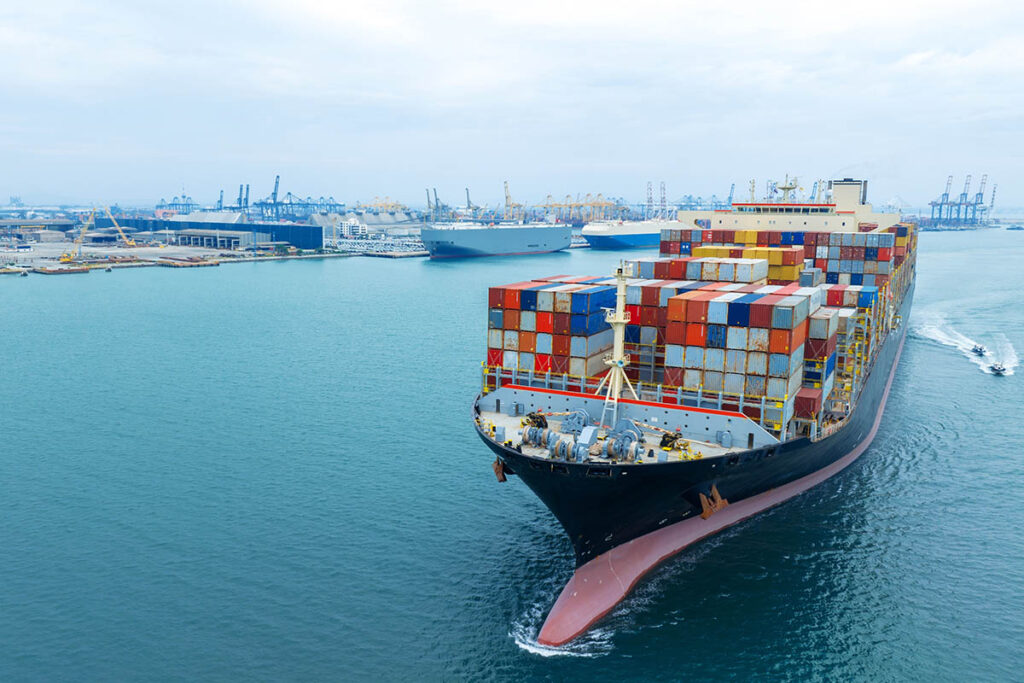
Recent developments show that supply chains are once again facing disruption risks, similar to—but potentially more complex than—those seen during the pandemic era. Energy markets are tightening, shipping costs are fluctuating, and trade routes are becoming increasingly vulnerable to geopolitical instability.
For US businesses, investors, and consumers, this evolving situation is not just a global issue—it directly impacts prices, availability of goods, and economic growth. Understanding these dynamics is essential to navigating the economic landscape of 2026.

Trade Under Pressure: Why Global Trade Is Facing Renewed Pressure in 2026
The global trade system thrives on stability, efficiency, and predictable costs. However, current conditions are disrupting all three pillars. Ongoing geopolitical tensions are affecting critical shipping routes and increasing uncertainty across major trade corridors.
Energy supply risks are another major factor. As oil prices rise due to conflict-related disruptions, transportation and manufacturing costs increase. This directly impacts the cost of importing goods into the United States, from consumer electronics to essential commodities.
Additionally, supply chain vulnerabilities exposed during previous global disruptions have not been fully resolved. Many companies are still heavily reliant on specific regions for production, making them sensitive to any geopolitical or economic shock.
The combination of these factors is creating a fragile trade environment where even minor disruptions can have significant ripple effects.
The Energy Factor: How Oil Prices Are Reshaping Trade Economics


Energy plays a central role in global trade, and the recent surge in oil prices is having a profound impact. When oil prices approach or exceed $100 per barrel, the cost of transporting goods increases significantly.
Shipping companies face higher fuel expenses, which are often passed on to businesses and, ultimately, consumers. This leads to higher prices for imported goods, contributing to inflationary pressures within the US economy.
Industries that rely heavily on global supply chains—such as manufacturing, retail, and technology—are particularly vulnerable. Increased costs can reduce profit margins and lead to pricing adjustments that affect demand.
Moreover, energy volatility creates uncertainty for businesses planning long-term investments. Companies may delay expansion or shift production strategies to mitigate risks, further influencing trade patterns.
How US Imports Could Change in Response to Global Risks
As risks increase, US import strategies are likely to evolve. One major trend is the shift toward supply chain diversification. Companies are exploring alternative sourcing locations to reduce dependence on high-risk regions.
Nearshoring and reshoring are also gaining momentum. By bringing production closer to home or to neighboring countries, businesses aim to reduce transportation costs and improve supply chain resilience.
However, these transitions are not immediate. Building new supply chains requires time, investment, and infrastructure. In the short term, disruptions may continue to affect import volumes and pricing.
Another potential change is the prioritization of essential goods. During periods of uncertainty, governments and businesses may focus on securing critical supplies such as energy resources, food, and medical equipment.
Inflation and Consumer Impact: What This Means for Americans



The impact of global trade disruptions extends directly to American consumers. As import costs rise, prices for everyday goods are likely to increase. This includes everything from groceries and fuel to electronics and household items.
Inflationary pressure can reduce purchasing power, forcing consumers to adjust spending habits. This may lead to decreased demand for non-essential goods, affecting businesses across various sectors.
At the same time, wage growth may not keep pace with rising costs, creating additional financial strain for households. This dynamic can slow overall economic growth and increase the risk of recession.
Understanding these impacts is crucial for both consumers and policymakers as they navigate the challenges of a shifting economic landscape.
Market and Investment Implications of Trade Disruptions
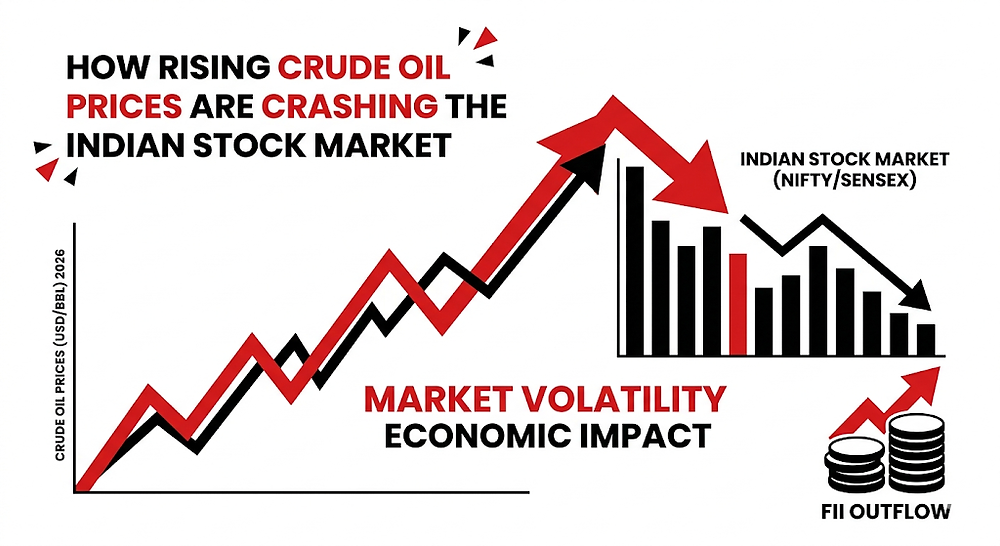

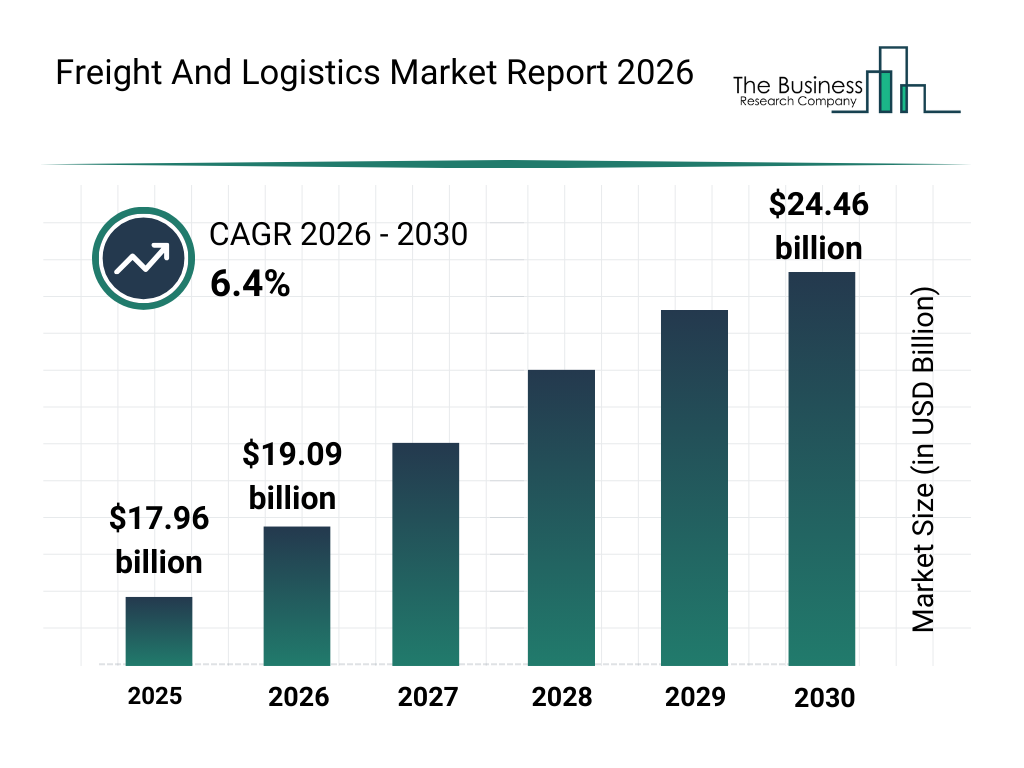
For investors, global trade disruptions present both risks and opportunities. Sectors heavily reliant on imports may face pressure, while others could benefit from changing dynamics.
Energy companies, for example, may see increased profitability due to higher oil prices. Similarly, logistics and shipping firms could experience higher demand, although they must also manage increased costs.
Investors may also look toward commodities as a hedge against inflation and supply chain disruptions. Diversification becomes increasingly important in such an environment.
However, volatility is likely to remain elevated. Investors must be prepared for rapid market movements and focus on long-term strategies rather than short-term fluctuations.
Future Outlook: Will Global Trade Stabilize or Transform Permanently?
The future of global trade will depend on several key factors, including geopolitical developments, energy market stability, and policy responses. While some disruptions may be temporary, others could lead to lasting structural changes.
There is a growing possibility that the global trade system will become more regionalized. Countries may prioritize economic security over efficiency, leading to shifts in trade alliances and supply chain configurations.
Technological advancements, such as automation and digital supply chain management, could also play a role in shaping the future. These innovations may help mitigate some risks but will not eliminate them entirely.
Ultimately, the current environment represents a turning point. Businesses, investors, and governments must adapt to a new reality where uncertainty is a constant factor.
Navigating a New Era of Global Trade Uncertainty
Global trade in 2026 is entering a period of significant transformation. The combined impact of geopolitical tensions, energy supply risks, and economic uncertainty is reshaping how goods move around the world.
For the United States, these changes have direct implications for imports, inflation, and economic growth. While challenges are evident, opportunities also exist for those who can adapt and respond effectively.
Staying informed and understanding the underlying forces driving these changes will be critical for making strategic decisions in this evolving landscape.
Subscribe to trusted news sites like USnewsSphere.com for continuous updates.