Inflation Pressures Are Quietly Returning in 2026 — What It Means for Your Money and Investments is becoming one of the most important financial trends investors and households in the United States are watching right now. After a period of cooling inflation in 2024–2025, new data and market signals suggest that price pressures are beginning to rise again—this time in more subtle but persistent ways. For everyday Americans, this means changes in purchasing power, savings value, and investment strategy. For investors, it signals a potential shift in market cycles that could create both risks and opportunities.
Signs That Inflation Is Rising Again in 2026
While headline inflation numbers may appear stable at first glance, several underlying indicators show that inflationary pressures are quietly building again. Key sectors such as housing, energy, and food continue to experience steady price increases, even if overall inflation metrics remain moderate.


Shelter costs, which make up a large portion of consumer spending, are still rising due to limited housing supply and strong demand. At the same time, energy prices have become more volatile due to global supply constraints and geopolitical factors. These trends are contributing to a gradual increase in the cost of living.

Additionally, wage growth in certain sectors is pushing prices higher as businesses pass increased labor costs onto consumers. This combination of factors is creating a slow but persistent inflation environment.
Why Inflation Matters More Than Ever for U.S. Households

Inflation directly affects purchasing power, meaning that every dollar buys less over time. For U.S. households, this translates into higher costs for essentials such as groceries, rent, healthcare, and transportation.

Even modest increases in inflation can have a significant impact when combined with already elevated prices from previous years. This makes financial planning more challenging, especially for middle-income families trying to manage budgets and save for the future.

The psychological impact of inflation is also important. When consumers expect prices to rise, they may change their spending behavior—either by buying sooner or cutting back—both of which can influence overall economic activity.
The Federal Reserve’s Role and Interest Rate Outlook
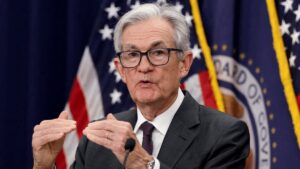
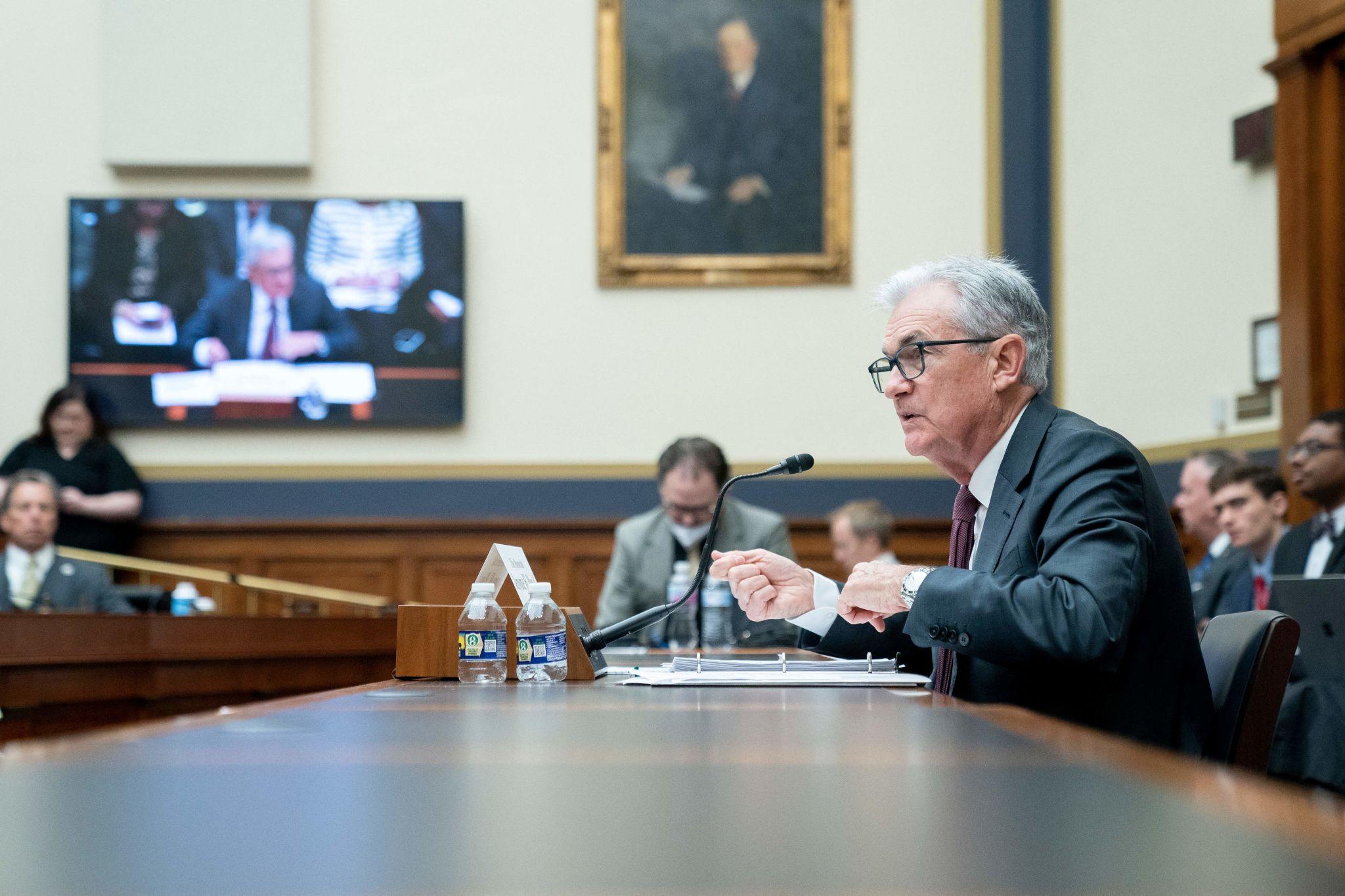
The Federal Reserve plays a central role in managing inflation through monetary policy. By adjusting interest rates, the Fed can influence borrowing costs, consumer spending, and overall economic activity.

In 2026, the Fed faces a delicate balancing act. Raising rates too aggressively could slow economic growth, while keeping rates too low could allow inflation to accelerate further. This uncertainty is creating volatility in financial markets.

Investors are closely watching Fed signals, as interest rate expectations directly impact stock prices, bond yields, and currency movements. Any indication of policy changes can trigger significant market reactions.
How Inflation Is Impacting Investments and Markets
Inflation has a complex relationship with financial markets. Some assets, such as stocks and real estate, can benefit from moderate inflation, while others, like bonds, may lose value as interest rates rise.

In 2026, investors are adjusting their portfolios to account for changing inflation dynamics. Many are increasing exposure to assets that historically perform well during inflationary periods, such as commodities, energy stocks, and real estate.


At the same time, market volatility is increasing as investors react to new economic data and policy signals. This creates both opportunities and risks, requiring careful analysis and strategic decision-making.
Strategies to Protect and Grow Wealth During Inflation
Smart investors are focusing on diversification and risk management to navigate inflationary conditions. This includes spreading investments across different asset classes and sectors to reduce exposure to any single risk.

Assets such as real estate, commodities, and inflation-protected securities are becoming increasingly popular as hedges against rising prices. These investments can help preserve purchasing power and generate stable returns.

Additionally, maintaining a long-term perspective is crucial. While short-term market fluctuations can be unsettling, a disciplined investment approach can help investors achieve consistent growth over time.

What to Expect Next in the Inflation Cycle
Looking ahead, the path of inflation in 2026 will depend on several factors, including energy prices, supply chain stability, and monetary policy decisions. While some analysts expect inflation to remain moderate, others warn of potential upward pressure.

Global economic conditions will also play a role. Changes in trade policies, geopolitical tensions, and energy markets can all influence inflation trends in the United States.


For individuals and investors, staying informed and adaptable will be key. Understanding the drivers of inflation and adjusting strategies accordingly can help mitigate risks and capitalize on opportunities.
Staying Ahead in an Inflation-Driven Economy
Inflation pressures returning in 2026 highlight the importance of proactive financial planning and informed decision-making. Whether you are managing household finances or building an investment portfolio, understanding how inflation impacts your money is essential.
By focusing on diversification, long-term strategies, and market awareness, individuals can protect their wealth and even find growth opportunities. The key is not to fear inflation, but to prepare for it and adapt to changing economic conditions.
Subscribe to trusted news sites like USnewsSphere.com for continuous updates.