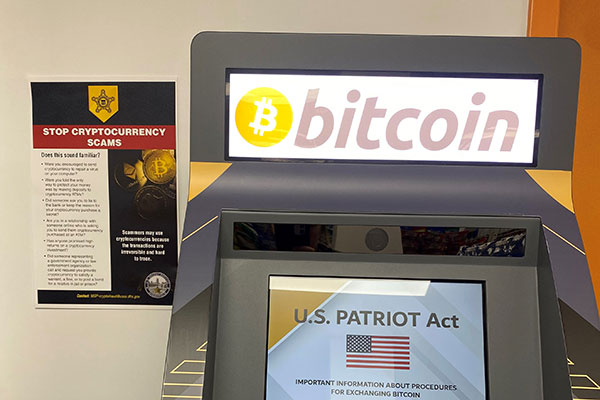
Crypto ATM Scams Surge in the US — How Investors Are Losing Millions and How to Stay Safe is no longer just a trending headline—it’s a fast-growing financial threat affecting thousands of Americans, especially vulnerable groups like retirees and first-time crypto users. In 2026, law enforcement agencies, regulators, and consumer protection bodies across the United States are raising urgent warnings as criminals exploit cryptocurrency ATMs to siphon off millions of dollars with alarming ease.

Unlike traditional scams that involve bank transfers or credit card fraud, crypto ATM scams are far more difficult to trace and reverse. Once funds are sent, they are often gone permanently. With the number of Bitcoin ATMs rising rapidly across the US, scammers are taking advantage of both accessibility and lack of awareness, creating a perfect storm for financial exploitation.
The Rapid Rise of Crypto ATM Fraud Across America
Over the past two years, the number of cryptocurrency ATMs in the United States has expanded significantly, with tens of thousands of machines now installed in gas stations, convenience stores, and shopping centers. While these machines provide easy access to digital assets, they have also become a preferred tool for scammers.
Recent reports indicate that crypto ATM-related scams have resulted in losses exceeding hundreds of millions of dollars annually in the US alone. Authorities have observed a sharp increase in cases where victims are instructed to deposit cash into these machines under false pretenses. The anonymity and irreversible nature of blockchain transactions make recovery nearly impossible.
What makes this trend particularly concerning is the speed at which scams are evolving. Fraudsters are now combining psychological manipulation with sophisticated impersonation tactics, often posing as government officials, tech support agents, or even law enforcement officers.
How These Scams Work: The Step-by-Step Trap
Crypto ATM scams are not random—they follow a calculated pattern designed to create urgency, fear, or trust. Victims are typically contacted via phone calls, emails, or social media messages. The scammer then builds a narrative that pressures the individual into acting quickly.
One of the most common tactics involves impersonating IRS agents or law enforcement officials. Victims are told they owe money or are under investigation and must make an immediate payment to avoid arrest. They are then guided step-by-step to a nearby Bitcoin ATM and instructed on how to deposit funds.
In other cases, scammers pose as customer support representatives from well-known tech companies. They claim that the victim’s bank account or computer has been compromised and that transferring funds into cryptocurrency is the safest way to “protect” their money. By the time victims realize the deception, the funds have already been transferred to anonymous wallets.
Why Crypto ATMs Are the Perfect Tool for Scammers
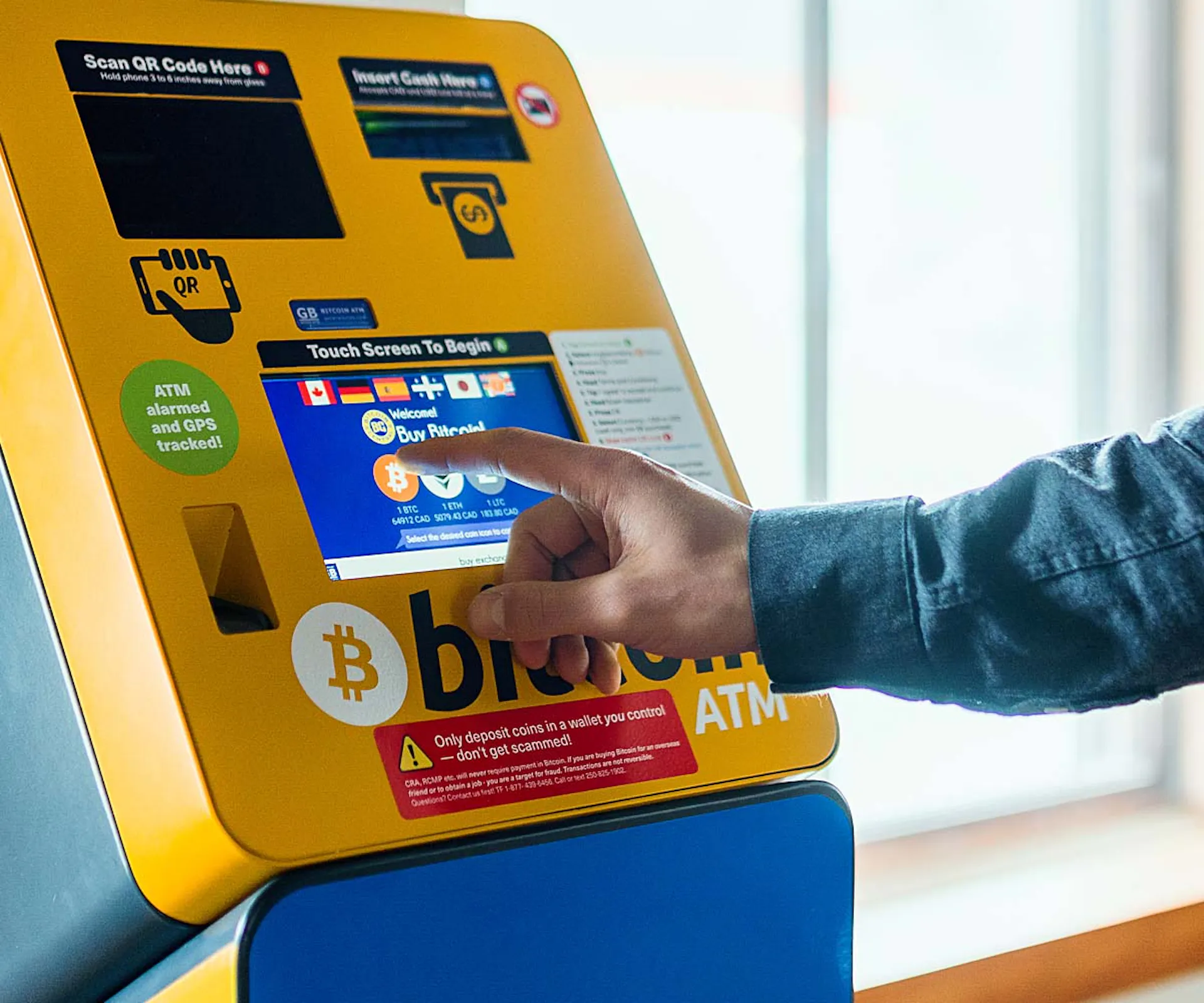

Crypto ATMs offer several features that make them attractive to criminals. First, transactions are typically fast and irreversible. Unlike bank transfers, there is no central authority to reverse a cryptocurrency transaction once it has been confirmed.
Second, these machines often require minimal identification, especially for smaller transactions. This allows scammers to move funds quickly without triggering immediate suspicion. Additionally, many victims are unfamiliar with how cryptocurrency works, making them easier targets for manipulation.
Another critical factor is the emotional pressure applied during the scam. Victims are often kept on the phone while completing the transaction, preventing them from seeking advice or verifying the legitimacy of the request. This combination of urgency and confusion is what makes crypto ATM scams so effective.
Who Is Most at Risk and Why It’s Spreading Fast
While anyone can fall victim to these scams, data shows that older adults are disproportionately affected. Many victims are over the age of 50 and may not fully understand how cryptocurrency systems operate. Scammers exploit this knowledge gap to create convincing and deceptive narratives.
However, younger individuals are not immune. First-time crypto investors, gig workers, and even small business owners are increasingly being targeted through fake investment opportunities and phishing campaigns. Social media platforms and messaging apps have become major entry points for these scams.
The rapid spread of crypto ATM fraud is also linked to the growing popularity of digital currencies. As more Americans enter the crypto market, scammers have a larger pool of potential victims. Combined with the expanding ATM network, this creates a scalable and highly profitable fraud ecosystem.
Government Warnings, Regulations, and Industry Response
US authorities are stepping up efforts to combat crypto ATM scams. Law enforcement agencies, including local police departments and federal regulators, are issuing public advisories and launching awareness campaigns. Some states are considering stricter regulations, such as transaction limits and mandatory warning messages on ATM screens.
Financial institutions and crypto companies are also beginning to take action. New measures include enhanced identity verification, real-time fraud detection systems, and partnerships with law enforcement to track suspicious activity. Despite these efforts, enforcement remains challenging due to the decentralized nature of cryptocurrency.
There is also growing discussion about introducing nationwide standards for crypto ATM operators. These could include licensing requirements, compliance checks, and mandatory reporting of large transactions. While these steps may help reduce fraud, experts warn that education and awareness remain the most effective defenses.
How to Protect Yourself: Practical Safety Strategies
Avoiding crypto ATM scams requires a combination of awareness, skepticism, and basic security practices. The most important rule is simple: no legitimate organization will ever ask you to pay using cryptocurrency via an ATM. If you receive such a request, it is almost certainly a scam.
Always verify any urgent payment request independently. Contact the organization directly using official contact details rather than relying on information provided by the caller. If you feel pressured to act quickly, take a step back—urgency is a common tactic used by scammers.
Additionally, never share personal or financial information with unknown individuals. Be cautious when engaging with unsolicited messages or calls, especially those related to investments or account security. If you are unsure, consult a trusted friend, family member, or financial advisor before taking action.
Market Impact and the Future of Crypto Trust
The rise of crypto ATM scams is not just a consumer issue—it also has broader implications for the cryptocurrency market. Increased fraud can undermine trust in digital assets, potentially slowing adoption among mainstream investors.
At the same time, this crisis may accelerate the development of stronger security frameworks and regulatory oversight. As the industry matures, companies that prioritize transparency and user protection are likely to gain a competitive advantage.
Investors should view this situation as a reminder of the importance of due diligence. While cryptocurrency offers significant opportunities, it also comes with unique risks that must be carefully managed.
Awareness Is Your Strongest Defense
Crypto ATM scams are evolving rapidly, but they are not unstoppable. The key to protection lies in awareness, education, and vigilance. By understanding how these scams operate and recognizing the warning signs, individuals can significantly reduce their risk.
As digital finance continues to expand, staying informed is more important than ever. Whether you are a seasoned investor or a beginner, taking proactive steps to protect your assets can make all the difference.
Subscribe to trusted news sites like USnewsSphere.com for continuous updates.