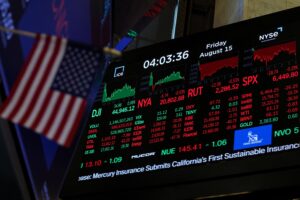
US Markets on Edge: Dow, Nasdaq React as Oil Nears $100 Amid Rising Middle East Tensions is now one of the most urgent stories shaping global financial markets in 2026. Investors across the United States are closely watching how rising geopolitical tensions and surging energy prices are influencing stock market behavior, as uncertainty spreads across major asset classes.
Recent market data shows heightened volatility in both the Dow Jones Industrial Average and the Nasdaq Composite, with sharp intraday swings reflecting investor anxiety. At the same time, oil prices are approaching the psychologically critical $100 level, driven by supply concerns and escalating tensions in key energy-producing regions.
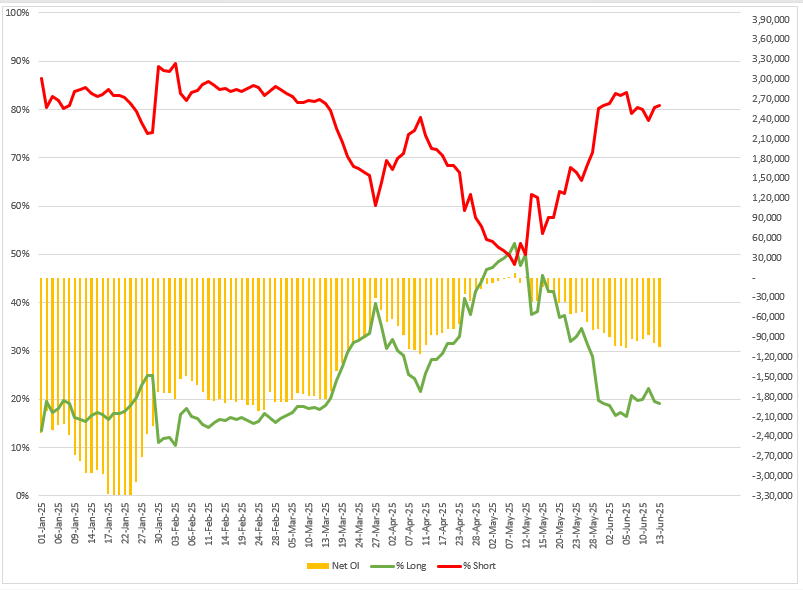
This convergence of factors—geopolitics, energy markets, and monetary policy uncertainty—is creating a fragile environment where market sentiment can shift rapidly. For investors, understanding these dynamics is essential for navigating what could become a defining moment for markets in 2026.
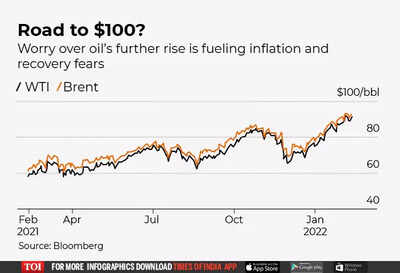
US Markets on Edge: Why Oil Nearing $100 Is a Major Market Trigger
Oil prices play a central role in the global economy, and their recent surge is having immediate effects on financial markets. As prices approach $100 per barrel, the cost of transportation, manufacturing, and energy consumption rises significantly.
This increase feeds directly into inflation, affecting everything from consumer goods to industrial production. Higher costs reduce corporate profit margins and can lead to slower economic growth, both of which are negative for stock markets.
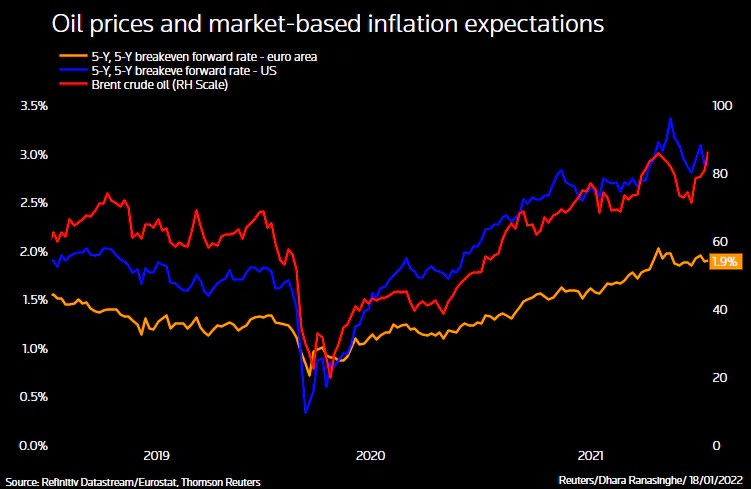
Additionally, rising oil prices often signal supply disruptions or geopolitical risks, which further increase uncertainty. Investors tend to react quickly to these developments, leading to increased market volatility.
The psychological impact of the $100 threshold also cannot be ignored. It represents a level that historically has been associated with economic strain and market instability.
Middle East Tensions and Their Global Market Impact
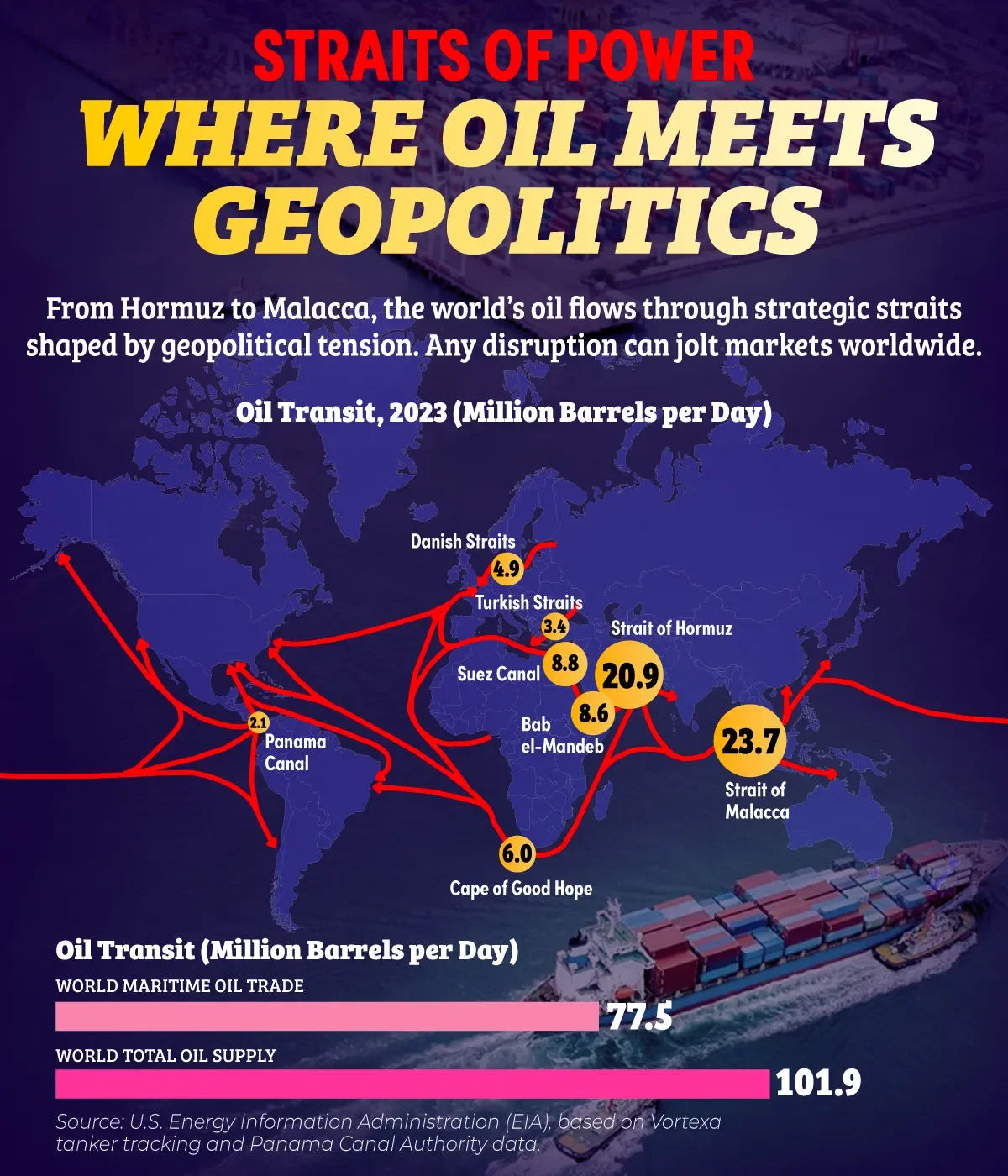
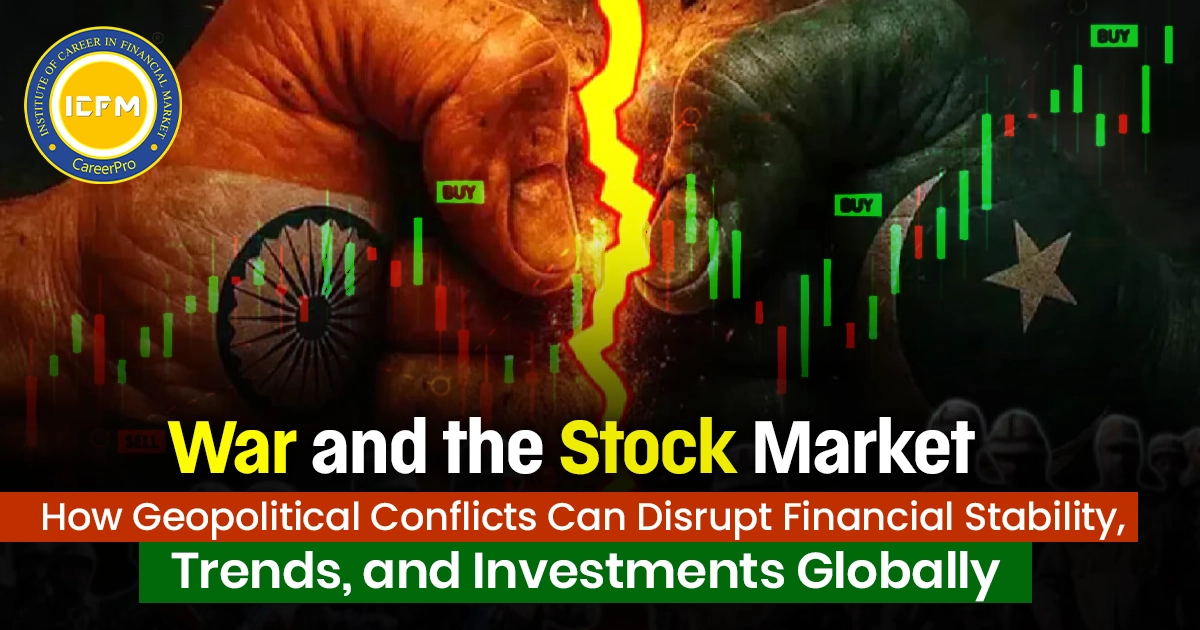
Geopolitical tensions in the Middle East are one of the primary drivers behind rising oil prices and market uncertainty. This region is a critical hub for global energy supply, and any disruption can have immediate and widespread effects.
When tensions escalate, concerns about supply interruptions increase, pushing oil prices higher. This, in turn, impacts global inflation and economic stability.
Markets are highly sensitive to geopolitical developments. Even the possibility of conflict escalation can lead to significant shifts in investor behavior, including increased demand for safe-haven assets.
The interconnected nature of global markets means that events in one region can quickly influence economies and financial systems worldwide.
How Dow and Nasdaq Are Reacting to Market Stress

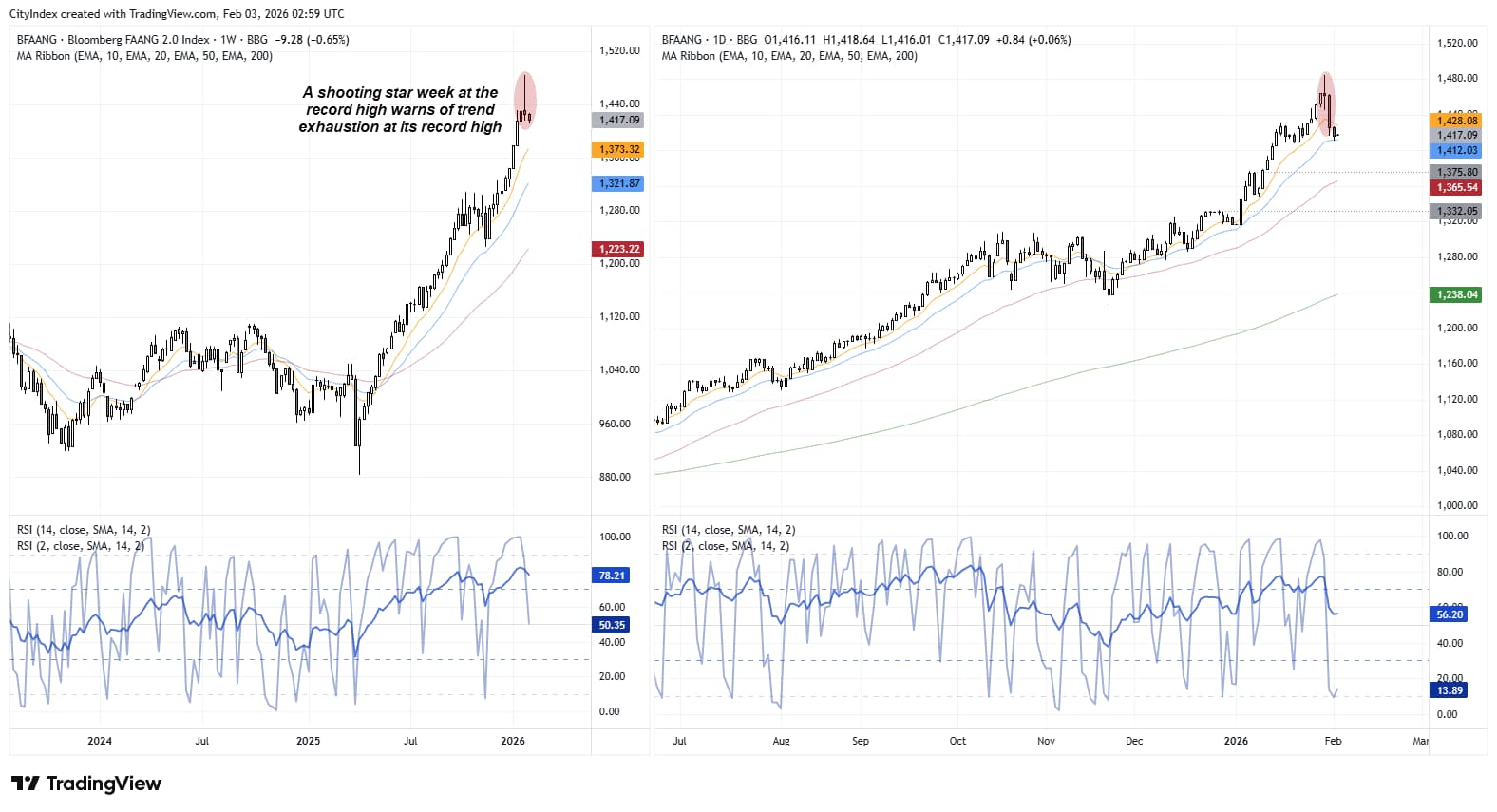
The Dow and Nasdaq are responding differently to current market conditions, reflecting the diverse composition of these indices. The Dow, which includes more traditional and industrial companies, is being affected by rising costs and economic uncertainty.
The Nasdaq, heavily weighted toward technology stocks, is facing additional pressure from rising interest rates. Higher rates reduce the present value of future earnings, making growth stocks less attractive.
As a result, tech stocks are experiencing increased volatility, with some investors rotating out of high-growth sectors and into more stable or defensive investments.
This divergence highlights the importance of sector analysis in understanding overall market behavior.
Inflation, Interest Rates, and Market Expectations


Rising oil prices are contributing to renewed inflation concerns, which are influencing expectations around Federal Reserve policy. If inflation remains elevated, the Fed may delay interest rate cuts or maintain a restrictive stance.
Higher interest rates increase borrowing costs for businesses and consumers, which can slow economic activity. This creates additional pressure on stock markets, particularly in sectors sensitive to interest rates.
Market participants are closely monitoring economic data and central bank communications for signals about future policy direction. These expectations play a crucial role in shaping market trends.
The interaction between inflation, interest rates, and market sentiment is a key driver of current volatility.
Where Smart Money Is Moving During Uncertainty
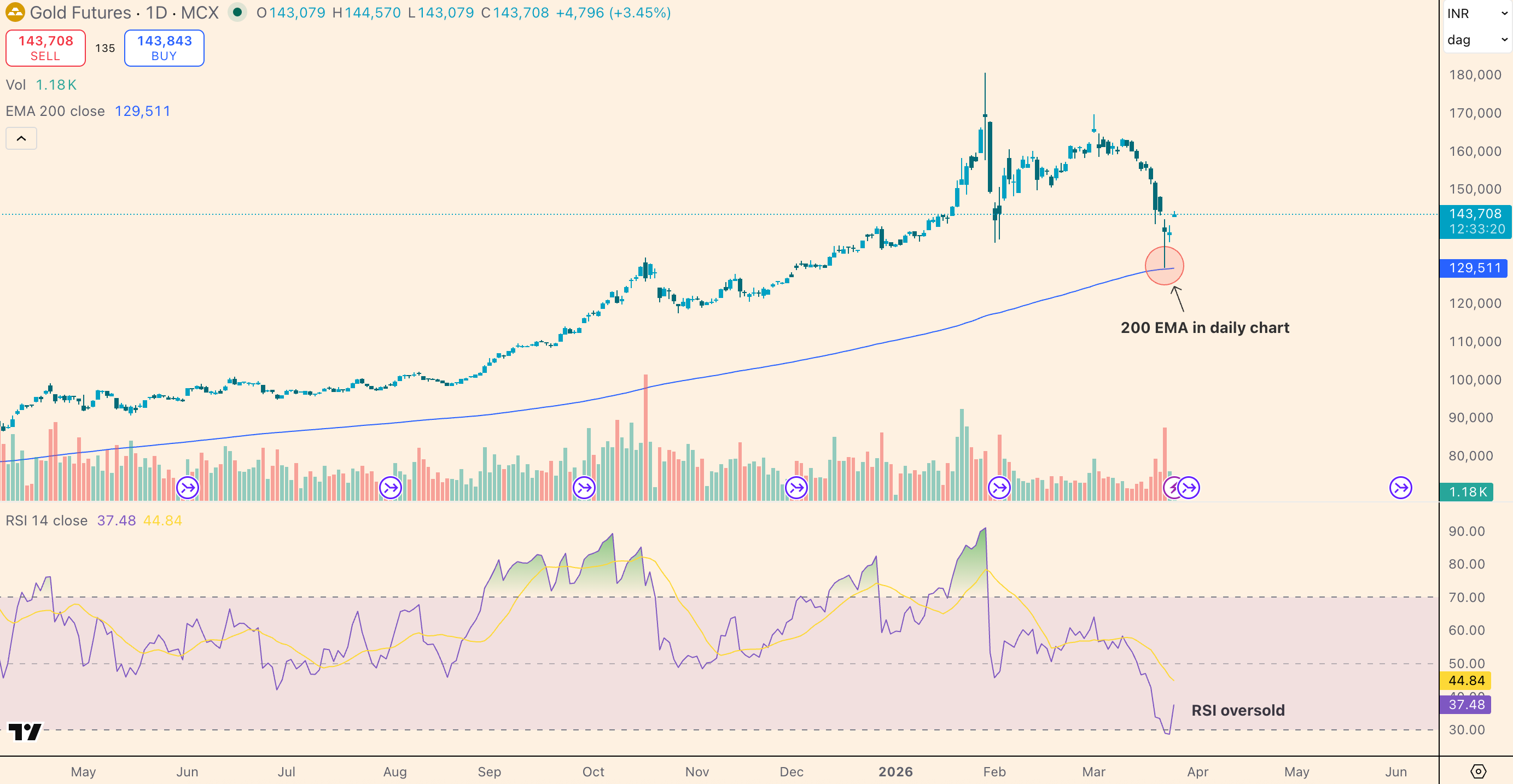
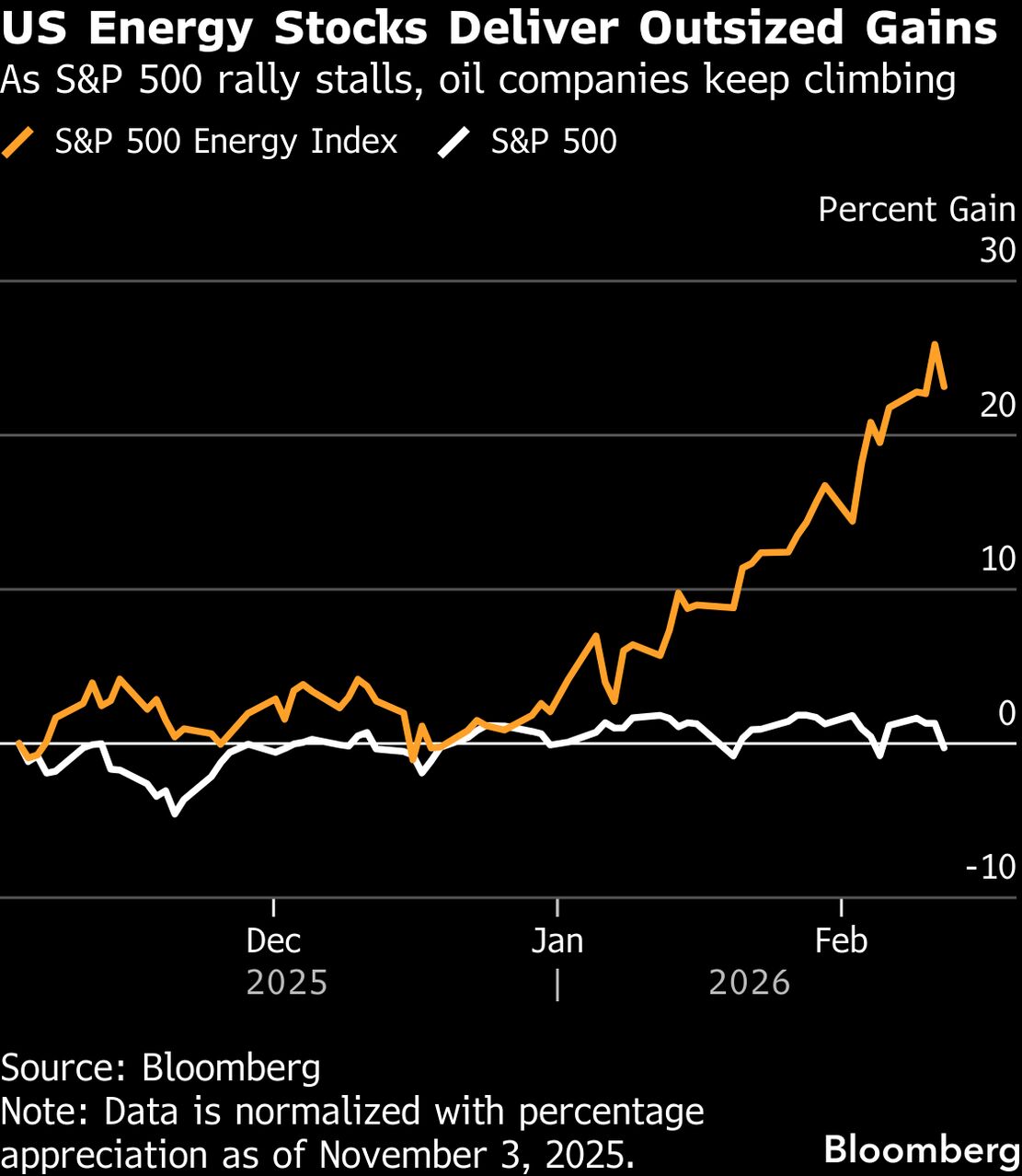
In times of uncertainty, institutional investors often shift their strategies toward capital preservation. This includes increasing allocations to defensive assets such as bonds, gold, and cash.
Energy stocks are also attracting attention due to rising oil prices, offering potential opportunities in an otherwise challenging market.
Defensive sectors like healthcare and utilities are gaining popularity because of their stability and consistent demand.
Understanding these shifts can provide valuable insights for individual investors looking to navigate current market conditions.
Strategic Outlook: What Investors Should Do Next
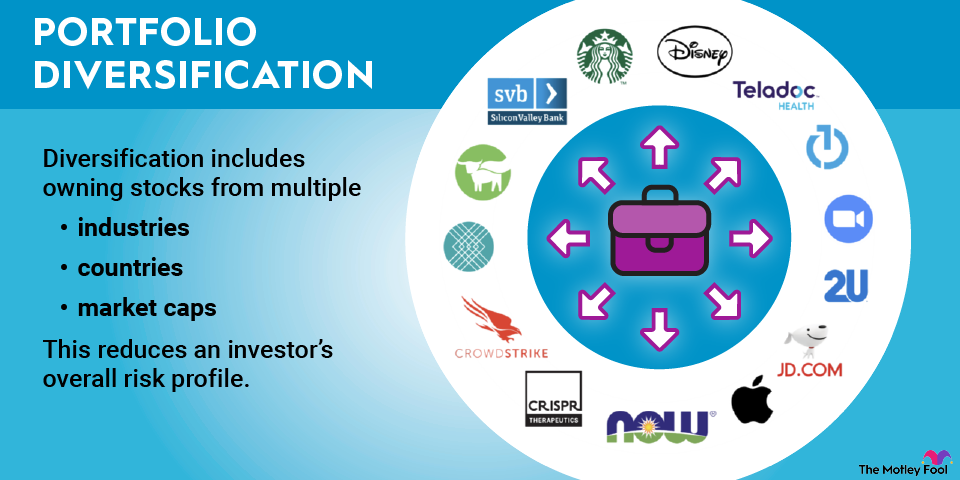
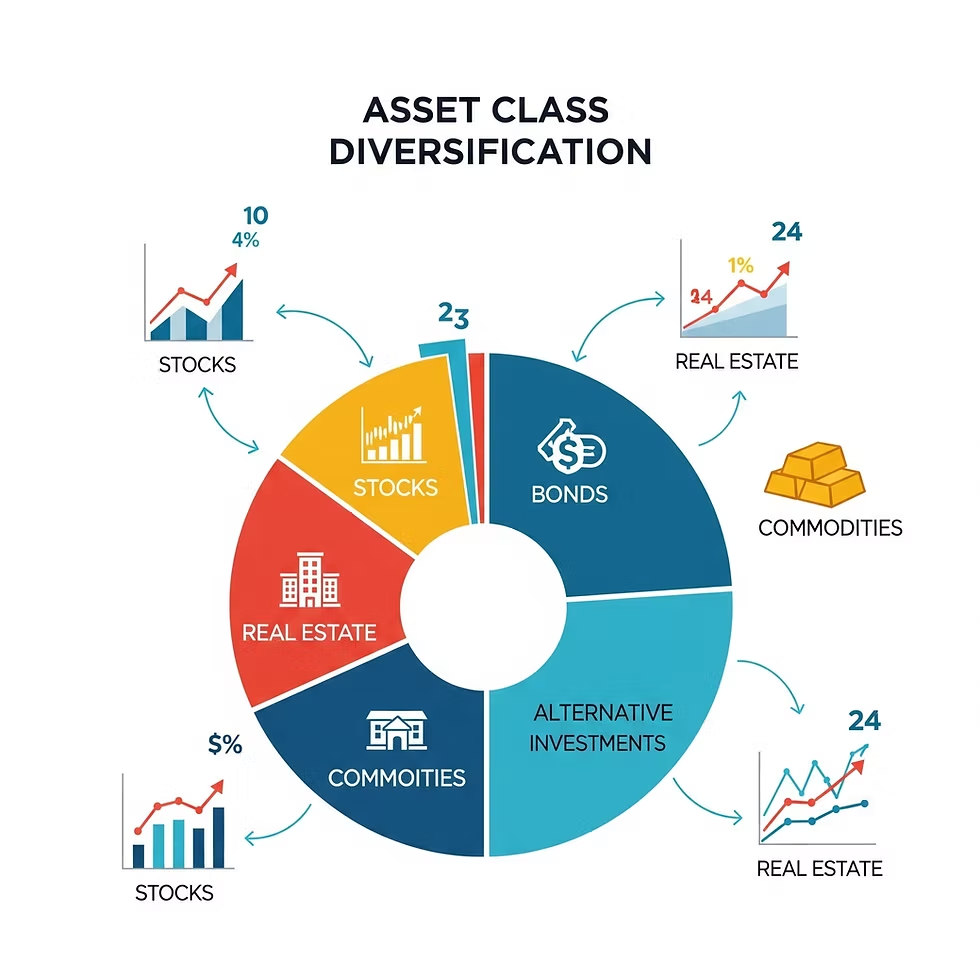
Given the current environment, investors should focus on building resilient portfolios that can withstand volatility and adapt to changing conditions. Diversification across asset classes and sectors remains essential.
Balancing exposure to growth and defensive investments can help manage risk while maintaining potential for returns. It is also important to stay informed about global developments and economic trends.
Risk management should be a priority. Setting clear investment goals and avoiding emotional decision-making can help protect capital during uncertain times.
Ultimately, the key is to remain flexible and prepared for a range of possible outcomes.
A Critical Moment for Markets in 2026
The combination of rising oil prices, geopolitical tensions, and economic uncertainty is creating a challenging environment for US markets. While it is not yet clear how these factors will evolve, their impact is already being felt across major indices.
For investors, this is a time to remain cautious but not reactive. By understanding the underlying dynamics and maintaining a disciplined approach, it is possible to navigate these challenges effectively.
As markets continue to respond to global developments, staying informed and adaptable will be essential for long-term success.
Subscribe to trusted news sites like USnewsSphere.com for continuous updates.