Stock Market Today: Fear Index Surges as War Risks and Energy Prices Shake US Equities is capturing the attention of investors across the United States as markets react to a sharp rise in uncertainty. In 2026, the combination of escalating geopolitical tensions, surging oil prices, and renewed inflation concerns is creating a high-volatility environment that is forcing investors to rethink their strategies.
Recent market activity shows a clear increase in the volatility index (VIX), often referred to as the “fear index,” signaling growing anxiety among investors. At the same time, major US indices are experiencing sharp swings as market participants react to new developments in global conflicts and energy markets.

This environment is not just about short-term price movements—it reflects deeper structural concerns about economic stability, monetary policy, and global supply chains. For investors, understanding these dynamics is essential to navigating today’s complex market conditions.

What the Fear Index Surge Really Means for Investors
The volatility index, or VIX, measures expected market volatility based on options pricing. When the VIX rises sharply, it indicates that investors anticipate increased uncertainty and potential market declines.
In 2026, the surge in the fear index is being driven by multiple factors, including geopolitical risks and economic uncertainty. This suggests that investors are preparing for potential disruptions rather than expecting stable market conditions.
Historically, spikes in the VIX have been associated with market corrections or periods of heightened volatility. However, they can also create opportunities for investors who are prepared to act strategically.
Understanding the signals from the VIX can help investors make more informed decisions and manage risk effectively.
War Risks and Global Tensions Driving Market Instability
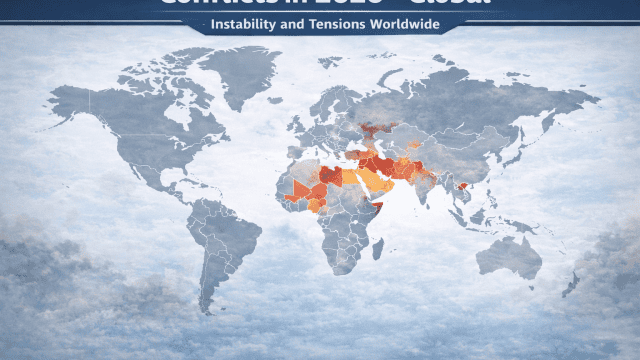

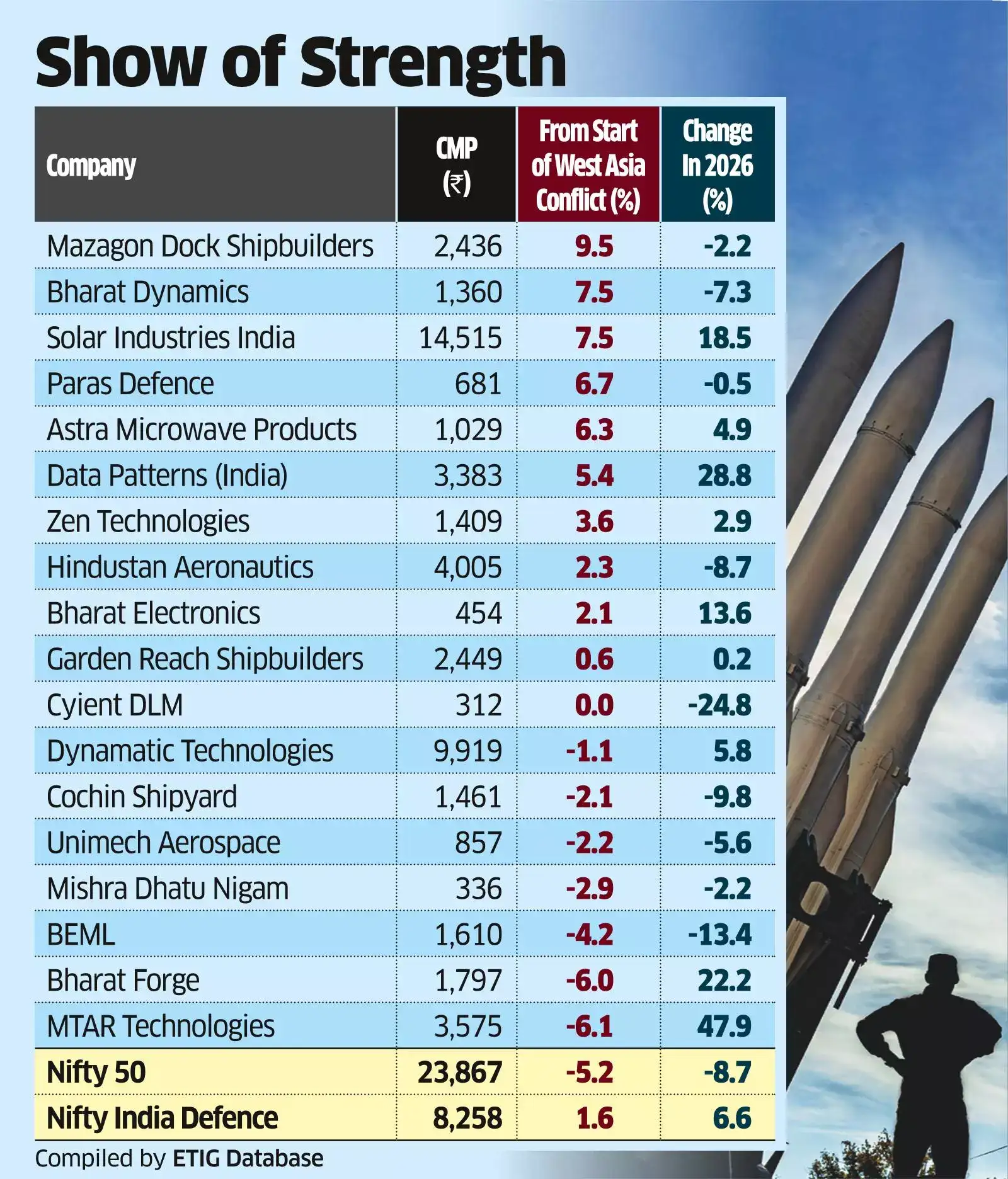
Geopolitical tensions are a major driver of current market volatility. Conflicts in key regions are affecting energy supplies, trade routes, and overall investor sentiment.
When geopolitical risks increase, markets tend to react quickly. Investors often move away from riskier assets and toward safer investments, leading to declines in stock prices.
Energy markets are particularly sensitive to geopolitical developments. Supply disruptions can lead to sharp increases in oil prices, which have broader implications for inflation and economic growth.
This interconnectedness highlights the importance of monitoring global events when making investment decisions.
Rising Energy Prices and Their Impact on US Equities
Energy prices are playing a central role in shaping market dynamics. As oil prices rise, they increase costs for businesses and consumers, contributing to inflationary pressures.
Higher energy costs can reduce corporate profitability, particularly for industries that rely heavily on transportation and manufacturing. This can lead to declines in stock prices and increased market volatility.
At the same time, energy companies may benefit from higher prices, creating opportunities within the sector. This divergence highlights the importance of sector-specific analysis in the current environment.

Investors must consider both the risks and opportunities associated with rising energy prices.
How Inflation and Interest Rates Are Amplifying Volatility

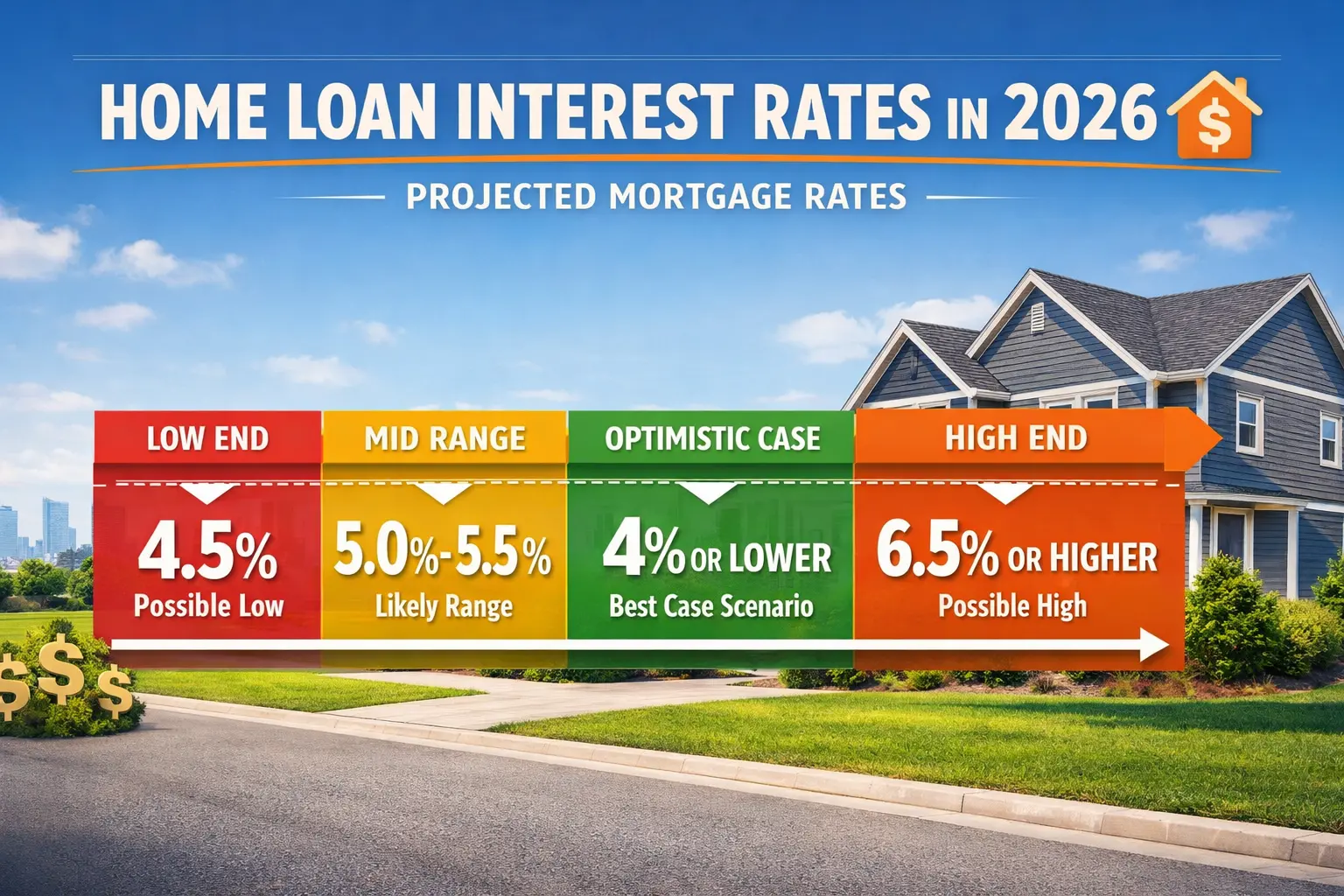
Inflation remains a key concern for markets, and rising energy prices are adding to these pressures. As inflation increases, central banks may maintain higher interest rates for longer periods.
Higher interest rates increase borrowing costs and reduce the present value of future earnings, which can negatively impact stock valuations. This is particularly challenging for growth sectors such as technology.
The combination of inflation and interest rate uncertainty is creating a feedback loop that amplifies market volatility. Investors are constantly reassessing their expectations based on new data and developments.
This dynamic environment requires a flexible and informed approach to investing.
Market Signals: What Smart Investors Are Watching


Several key indicators are providing insights into market conditions. Sector rotation is one of the most important signals, with investors shifting toward defensive sectors such as healthcare and utilities.
Bond yields are also rising, making fixed-income investments more attractive. This is leading to a reallocation of capital away from equities.
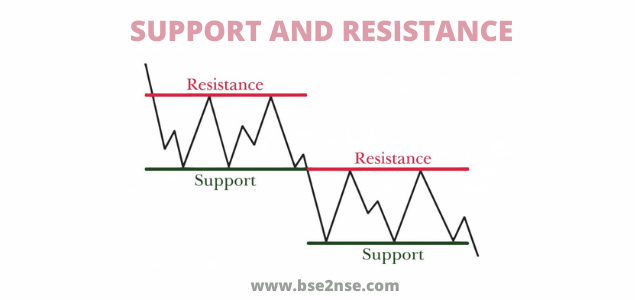
Technical indicators, including support and resistance levels, are being closely monitored by traders. These levels can provide insights into potential market trends and turning points.
By analyzing these signals, investors can better understand market dynamics and make more informed decisions.
Strategic Insights: How to Navigate This Market Environment
In a volatile market, strategy is critical. Investors should focus on building diversified portfolios that can withstand uncertainty and adapt to changing conditions.
This includes balancing exposure to growth and defensive sectors, as well as incorporating assets that can act as hedges against inflation, such as commodities and bonds.
Risk management is also essential. Setting clear investment goals, maintaining appropriate asset allocation, and avoiding emotional decision-making can help protect capital.
Staying informed about economic and geopolitical developments will enable investors to respond effectively to new challenges and opportunities.
Turning Fear Into Opportunity
The surge in the fear index reflects a market environment defined by uncertainty and rapid change. While these conditions can be challenging, they also create opportunities for investors who are prepared and informed.
By understanding the factors driving volatility—such as geopolitical tensions, energy prices, and inflation—investors can make strategic decisions that align with their long-term goals.
The key is to remain disciplined, adaptable, and focused on fundamentals. In a market driven by fear, knowledge and strategy become the most valuable tools.
Subscribe to trusted news sites like USnewsSphere.com for continuous updates.