Federal Reserve Faces Critical Test: Can Policy Stabilize Markets as War and Inflation Risks Rise? This question is now at the center of global financial markets as the US economy enters one of its most complex phases in recent years. With inflation pressures showing signs of resurgence, energy prices climbing, and geopolitical tensions intensifying, the Federal Reserve is being forced into a delicate balancing act that could shape the economic trajectory of 2026 and beyond.
Recent data suggest that while inflation had been moderating, rising oil prices and supply chain disruptions are beginning to push costs higher again. At the same time, financial markets are reacting to uncertainty around future interest rate decisions, with investors reassessing expectations for rate cuts. The Fed now faces a critical challenge: support economic growth without allowing inflation to spiral out of control.
For investors, businesses, and everyday Americans, the outcome of this policy dilemma will directly impact borrowing costs, investment returns, and overall economic stability.

Federal Reserve Faces Critical Test: The Federal Reserve’s Balancing Act in a High-Risk Environment
The Federal Reserve’s primary responsibilities—controlling inflation and supporting employment—are increasingly difficult to achieve simultaneously in the current environment. When inflation rises, the Fed typically increases interest rates to cool demand. However, higher rates can slow economic growth and increase financial stress.
In 2026, this balancing act has become even more complex due to external pressures such as geopolitical conflicts and energy price volatility. These factors are largely beyond the Fed’s control but have a significant impact on inflation and economic conditions.
Policymakers must now carefully evaluate whether tightening monetary policy further would stabilize prices or risk pushing the economy toward a slowdown. This uncertainty is contributing to increased market volatility and cautious investor sentiment.
Rising Inflation Pressures and Energy Market Dynamics

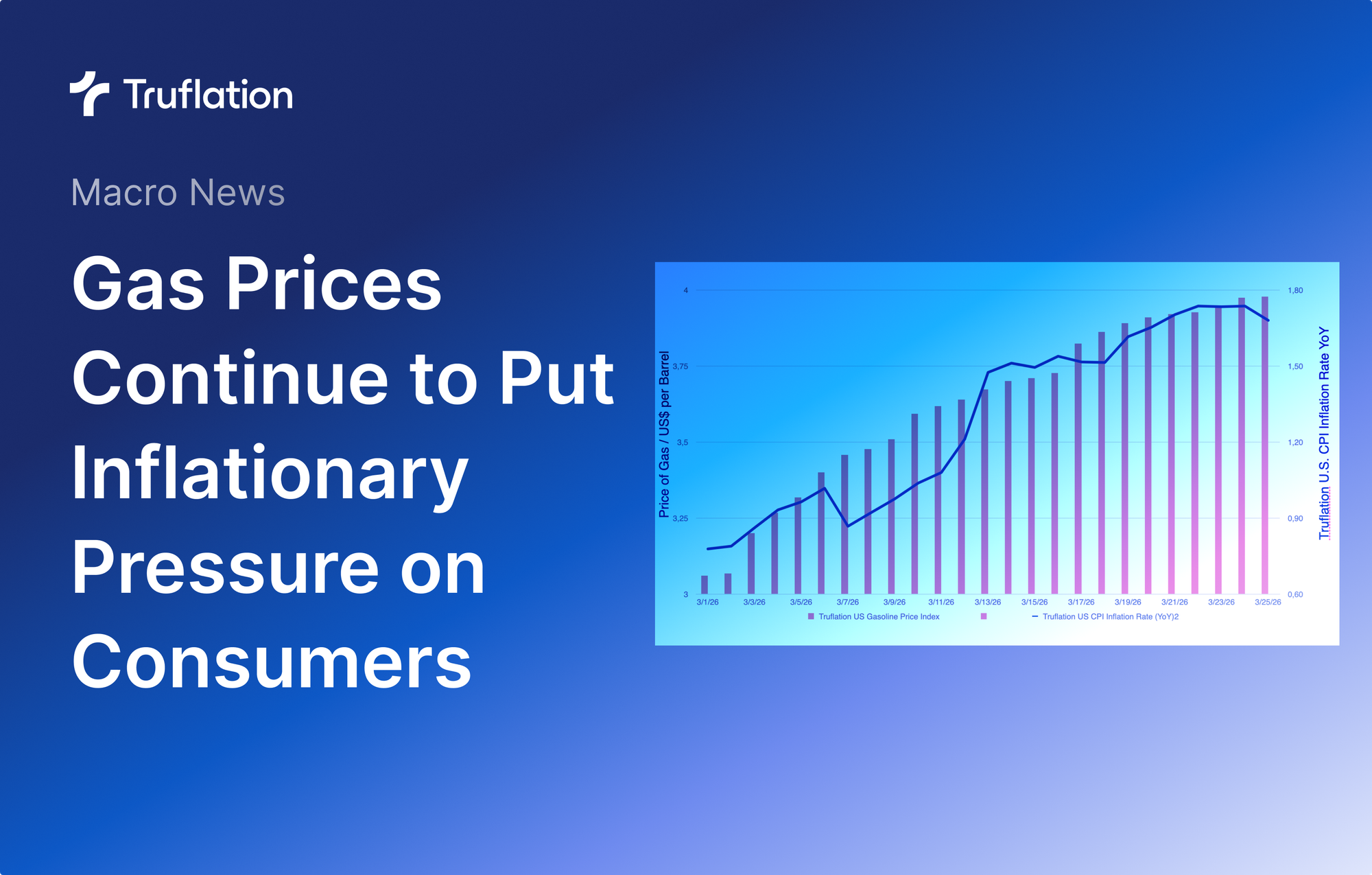
Energy prices are once again emerging as a key driver of inflation. As oil prices approach critical levels, the cost of transportation, production, and logistics increases across the economy.
This has a cascading effect on consumer prices, contributing to higher inflation readings. From groceries to utility bills, rising costs are being felt across households, reducing purchasing power and impacting consumer confidence.
The resurgence of energy-driven inflation is particularly concerning because it can be persistent. Unlike temporary supply shocks, sustained increases in energy prices can keep inflation elevated for longer periods, complicating monetary policy decisions.
Market Reactions: Volatility Returns to Wall Street

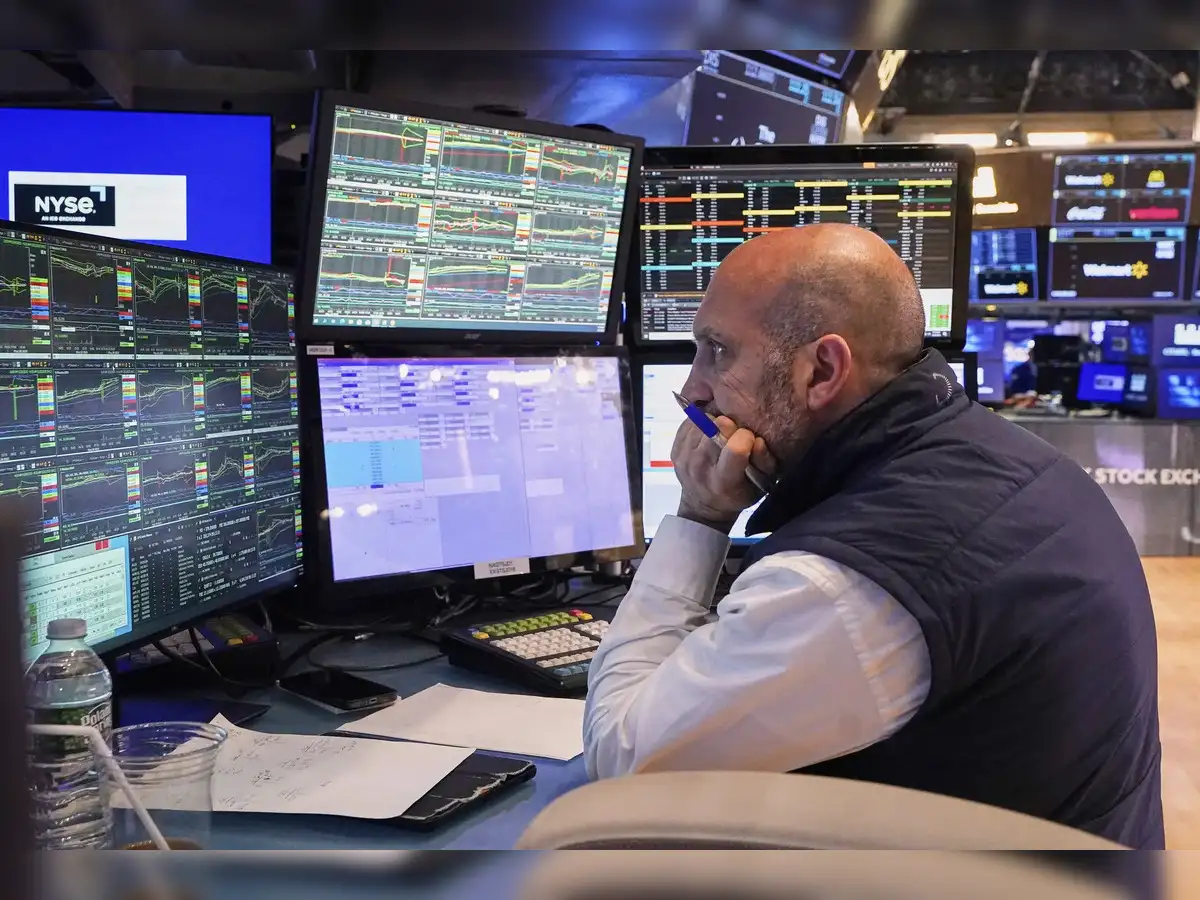
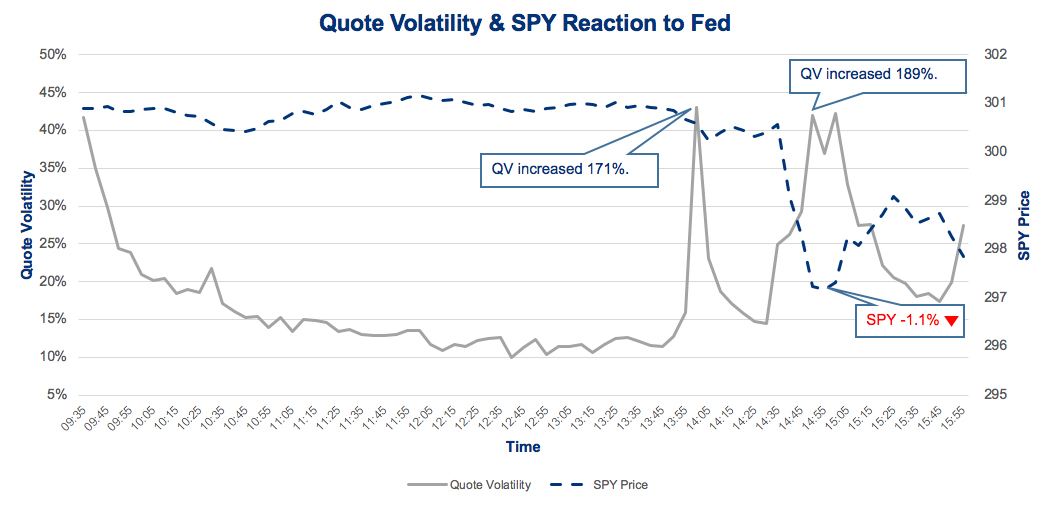
Financial markets are highly sensitive to changes in monetary policy expectations. As uncertainty around the Federal Reserve’s next moves increases, volatility has returned to Wall Street.
Stocks have experienced sharp swings as investors react to new economic data and geopolitical developments. Interest-rate-sensitive sectors, including technology and real estate, are particularly affected by changes in rate expectations.
At the same time, investors are moving toward defensive assets such as bonds, gold, and energy stocks. This shift reflects a broader trend of risk management as market participants prepare for potential economic turbulence.
The return of volatility highlights the importance of staying informed and adapting investment strategies to changing conditions.
Can Policy Stabilize Markets Amid Global Uncertainty?
The effectiveness of Federal Reserve policy depends on multiple factors, including the persistence of inflation, the stability of financial markets, and external economic conditions.
While interest rate adjustments can influence demand and inflation, they cannot directly address supply-side issues such as energy shortages or geopolitical disruptions. This limits the Fed’s ability to fully control the economic environment.
However, clear communication and consistent policy actions can help stabilize market expectations. When investors understand the Fed’s strategy, it reduces uncertainty and can lead to more stable market conditions.
Ultimately, the success of monetary policy will depend on how well it balances short-term challenges with long-term economic goals.
Risks Ahead: What Could Go Wrong in 2026
The current economic environment presents several risks that could impact both markets and the broader economy. One of the biggest concerns is the possibility of prolonged high inflation combined with elevated interest rates.
This scenario, often referred to as stagflation, could create significant challenges for policymakers and investors. Economic growth could slow while prices continue to rise, reducing overall economic stability.
Another risk is the potential for financial market disruptions. Increased volatility and uncertainty can lead to reduced liquidity and increased stress in financial systems.
Additionally, global factors such as trade disruptions, energy supply shocks, and geopolitical conflicts could further complicate the outlook, making it more difficult for the Fed to achieve its objectives.
Strategic Outlook: How Investors Should Respond
In times of uncertainty, investors must focus on resilience and adaptability. Diversification remains one of the most effective strategies for managing risk in volatile markets.
Allocating investments across different asset classes—including equities, bonds, commodities, and cash—can help reduce exposure to specific risks. Sectors that benefit from inflation, such as energy and commodities, may offer opportunities for growth.
It is also important to maintain a long-term perspective. While short-term volatility can be unsettling, long-term trends often provide opportunities for disciplined investors.
Staying informed about economic developments and policy changes will be crucial for making strategic investment decisions in 2026.
A Defining Moment for Monetary Policy
The Federal Reserve is facing a defining moment as it navigates one of the most complex economic environments in recent history. The interplay between inflation, interest rates, and global uncertainty will shape the future of the US economy.
While challenges are significant, they also present opportunities for those who are prepared and informed. Understanding the dynamics of monetary policy and its impact on markets is essential for navigating this period of uncertainty.
As 2026 unfolds, the decisions made by the Federal Reserve will have far-reaching implications for investors, businesses, and consumers alike.
Subscribe to trusted news sites like USnewsSphere.com for continuous updates.