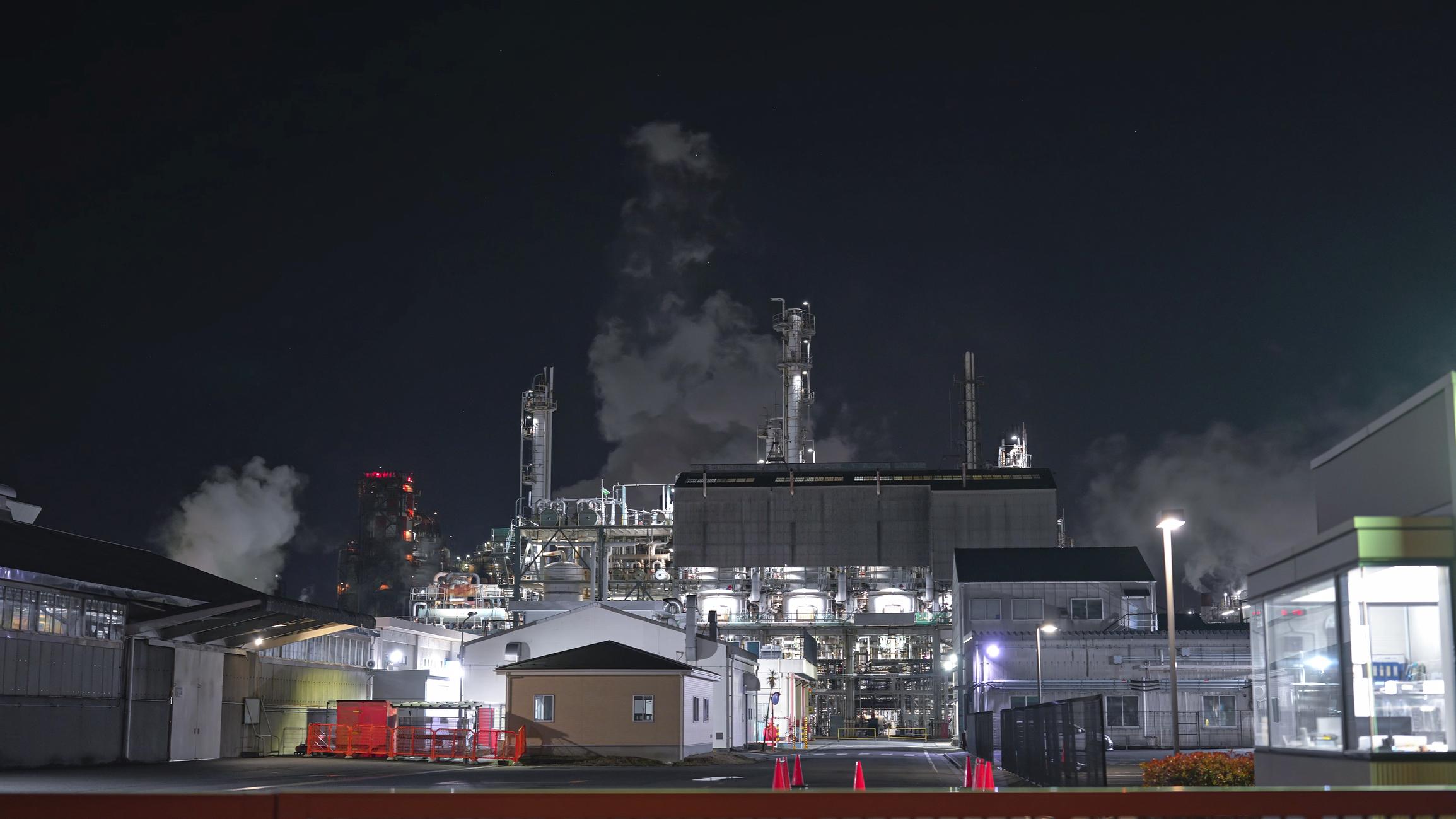
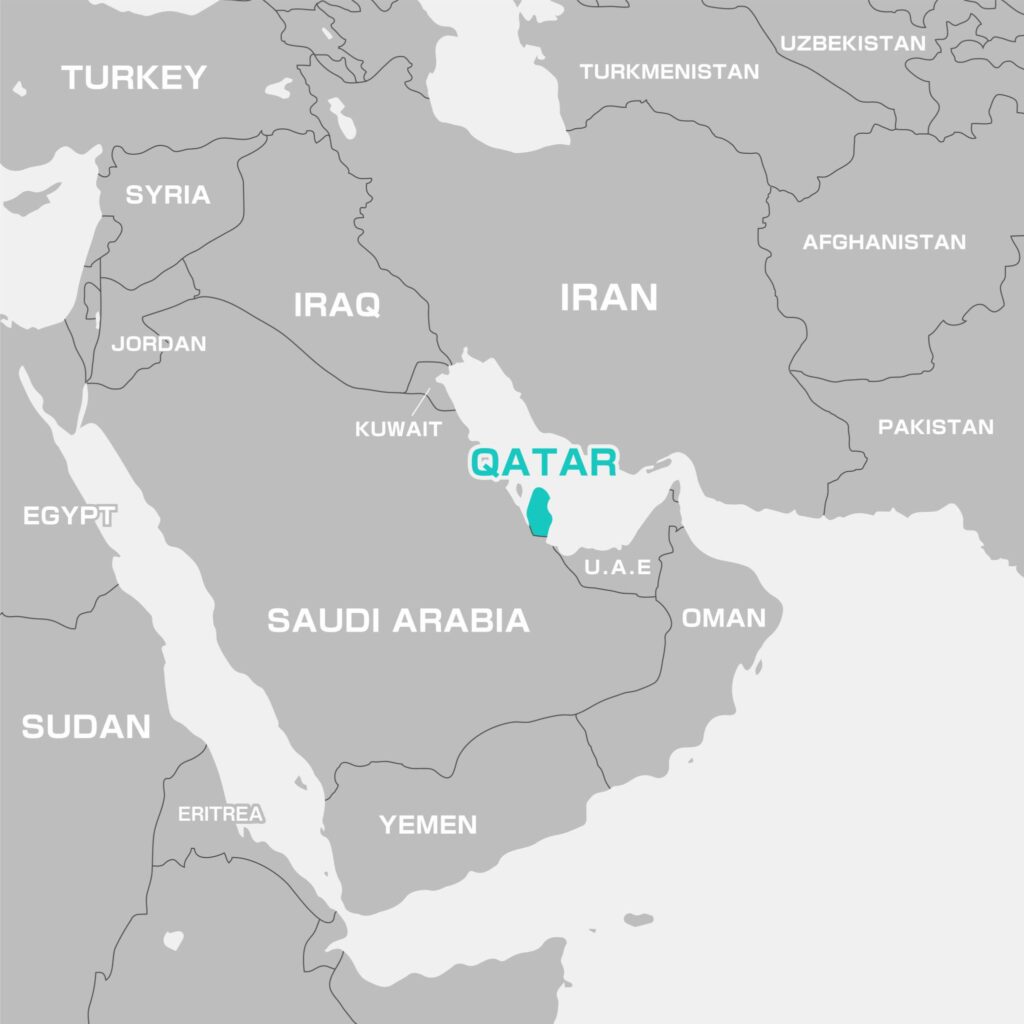
Iran’s attack on Qatar LNG capacity has triggered one of the most significant disruptions in the global energy market in recent years, wiping out nearly 17% of Qatar’s liquefied natural gas output and potentially taking three to five years to fully recover. The incident has raised urgent concerns across the United States, Europe, and Asia, where LNG is critical for energy security. The attack, confirmed by QatarEnergy and widely reported by international outlets, highlights rising geopolitical tensions in the Middle East and their direct impact on global fuel supply chains. Investors, policymakers, and industries are now reassessing risk exposure as energy prices show early signs of volatility.
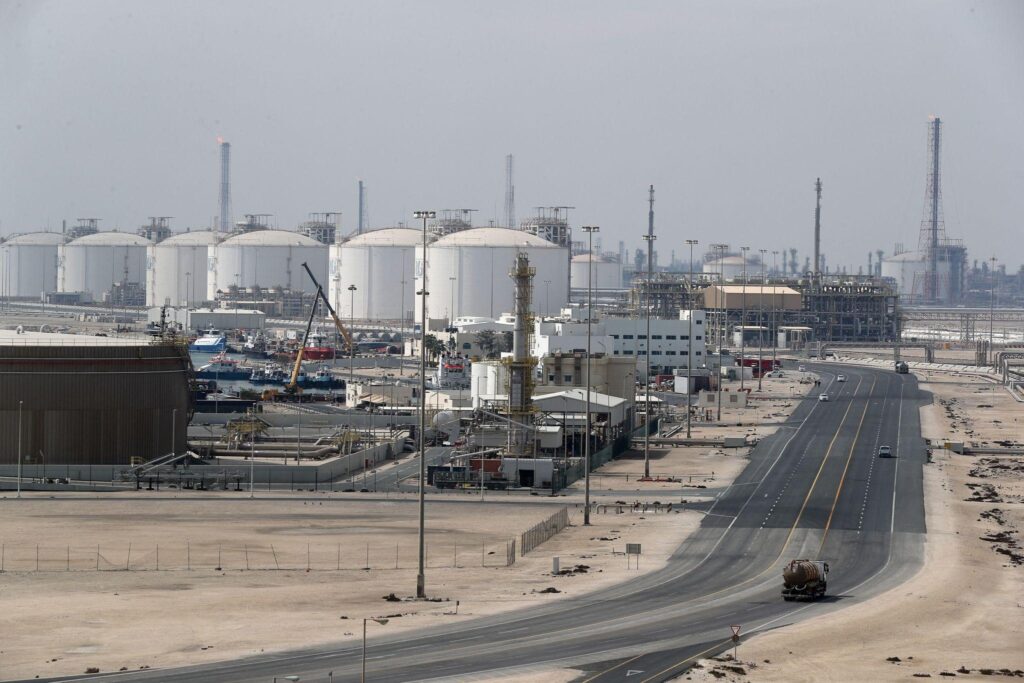
What Exactly Happened to Qatar’s LNG Infrastructure
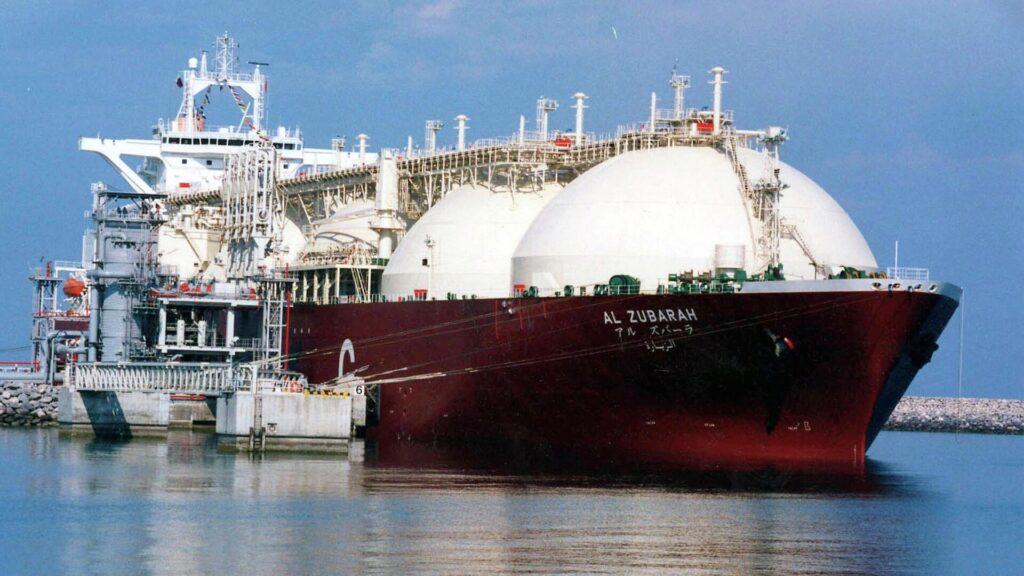
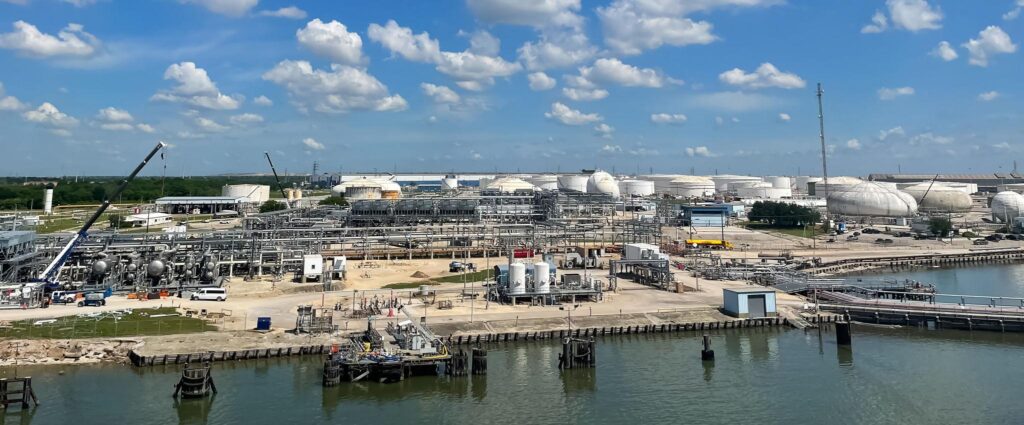
The attack targeted key LNG facilities in Qatar, one of the world’s largest exporters of liquefied natural gas. Early assessments suggest that critical processing and export infrastructure suffered substantial damage, reducing operational capacity by approximately 17%.
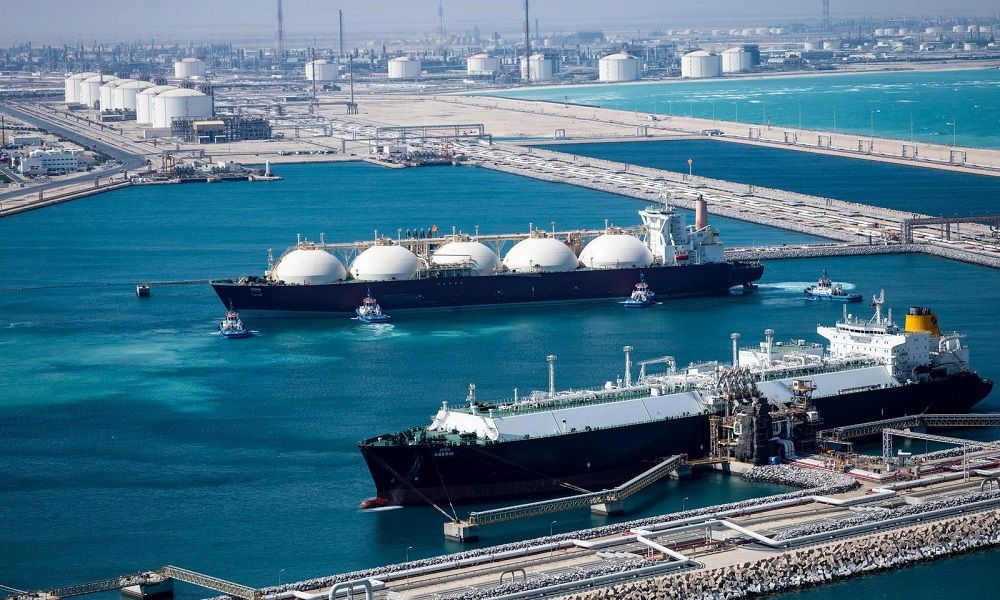
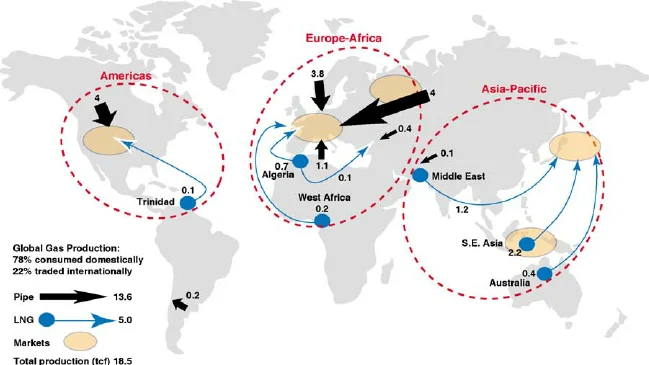
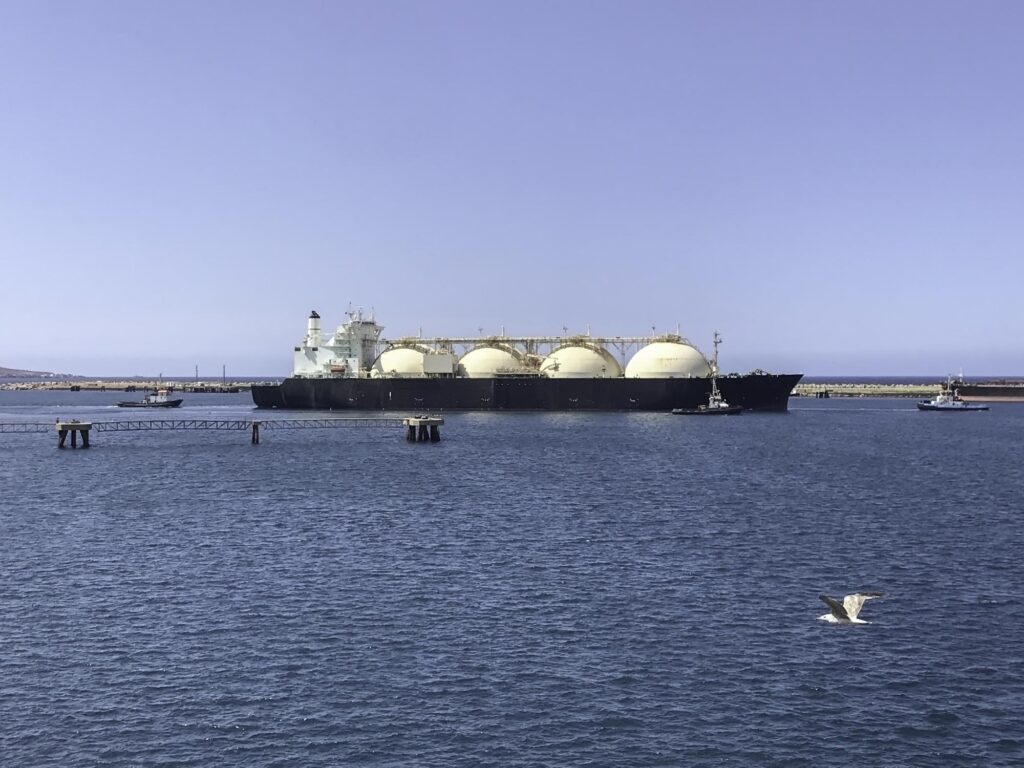
This disruption is not minor. Qatar plays a central role in supplying LNG to Europe and Asia, especially after Europe reduced its dependence on Russian gas. With repairs expected to take years rather than months, the supply gap is likely to persist, putting sustained pressure on global markets.
Why This Matters Now for Global Energy Markets
The timing of this disruption is critical. Global energy markets were already operating under tight supply conditions due to geopolitical conflicts, energy transitions, and fluctuating demand patterns.
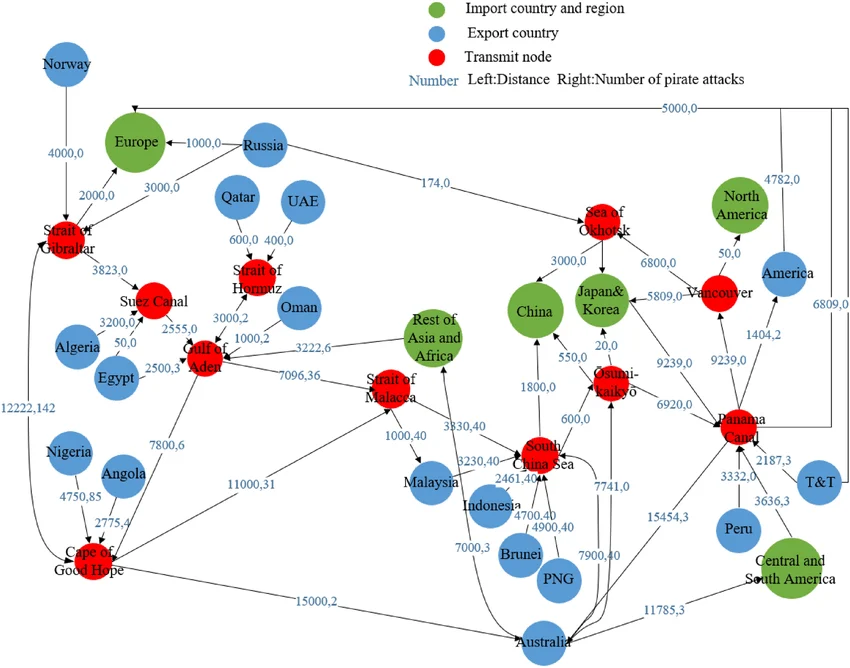
Now, with a major LNG supplier partially offline, countries that depend heavily on imports—especially in Europe—may face rising energy costs. For the United States, this creates both a challenge and an opportunity. While domestic LNG producers could benefit from higher global prices, increased demand may strain export capacity and influence domestic pricing dynamics.
Impact on the United States and European Energy Security
The United States has emerged as a major LNG exporter in recent years, often stepping in to stabilize global markets. With Qatar’s reduced capacity, U.S. LNG shipments could increase significantly, strengthening its position in global energy trade.
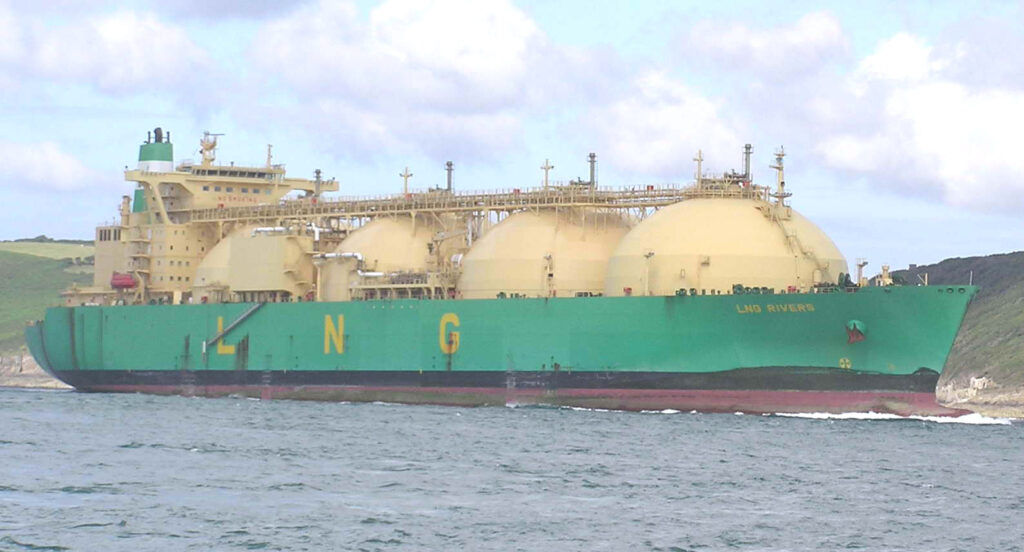
However, Europe remains the most vulnerable. Since the shift away from Russian gas, European nations have relied heavily on LNG imports, including from Qatar. A prolonged supply disruption could lead to higher utility costs, increased inflationary pressure, and renewed concerns over winter energy shortages.
Oil and Gas Prices: What Investors Should Expect
Market reactions have already begun to reflect the potential long-term impact of the disruption. LNG prices are expected to rise steadily if supply constraints persist, while oil markets may also experience indirect effects due to shifting energy demand.
Historically, even small disruptions in major energy-producing regions can lead to significant price swings. A 17% capacity loss from Qatar is substantial, and if geopolitical tensions escalate further, investors could see sustained volatility in both oil and gas markets.
For high-CPC sectors like energy trading, commodities investing, and financial services, this development could drive increased search demand and advertising value in the coming months.
Why Recovery Could Take 3 to 5 Years
Unlike smaller energy facilities, LNG infrastructure is highly complex and capital-intensive. Repairing damaged liquefaction plants involves advanced engineering, regulatory approvals, and significant financial investment.
Industry experts suggest that restoring full capacity could take between three and five years due to the scale of the damage and the technical challenges involved. This long recovery timeline means the global energy market must adapt to a prolonged supply imbalance rather than a short-term disruption.
The Bigger Geopolitical Picture Behind the Attack
This incident is not just about energy—it reflects deeper geopolitical tensions in the Middle East. Any escalation involving Iran has historically influenced global markets, and this situation is no exception.
The attack raises questions about the security of critical energy infrastructure worldwide. Governments and companies may now increase investments in defense and resilience measures to protect supply chains from similar disruptions.
In the broader context, this event reinforces the importance of energy diversification. Countries are likely to accelerate investments in renewable energy, alternative suppliers, and strategic reserves to reduce dependence on single regions.
This evolving situation will continue to shape global energy markets, investment strategies, and geopolitical policies in the months ahead. As more details emerge, staying informed will be critical for understanding both risks and opportunities.
Subscribe to trusted news sites like USnewsSphere.com for continuous updates.