
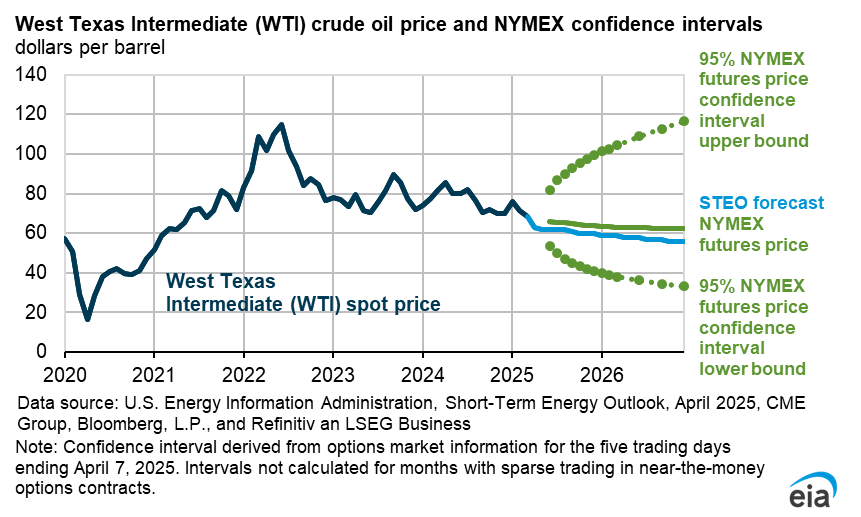
How to Invest in a Volatile Market: Proven Strategies to Protect and Grow Wealth in Any Economy is no longer just a theoretical question—it’s the reality investors are facing right now in 2026. With oil prices approaching $100, rising geopolitical tensions, fluctuating mortgage rates, and uncertain Federal Reserve policy signals, markets are experiencing sharp swings that are testing even experienced investors.
Recent data shows increased volatility across US equities, with the fear index (VIX) spiking as investors react to global conflict risks and inflation concerns. Mortgage rates have also surged to multi-month highs, reducing buyer confidence and impacting broader economic sentiment. At the same time, massive investments in AI infrastructure and data centers are creating pockets of opportunity within an otherwise uncertain environment.

This article breaks down exactly how to navigate these conditions, protect your capital, and position yourself for long-term growth—even when markets feel unpredictable.
Understanding What Drives Market Volatility in 2026
Market volatility doesn’t happen randomly—it’s driven by powerful macroeconomic forces. In 2026, three major factors are dominating market behavior: geopolitical conflict, inflation uncertainty, and interest rate policy.
The recent rise in oil prices due to tensions in the Middle East is one of the biggest triggers. When energy costs spike, it impacts everything from transportation to manufacturing, which in turn pressures corporate profits. Investors react quickly, leading to sharp market movements.
Another major factor is inflation. Even though inflation cooled in previous months, rising energy prices threaten to reverse that trend. This puts the Federal Reserve in a difficult position—cut rates to support growth or keep them high to control inflation.
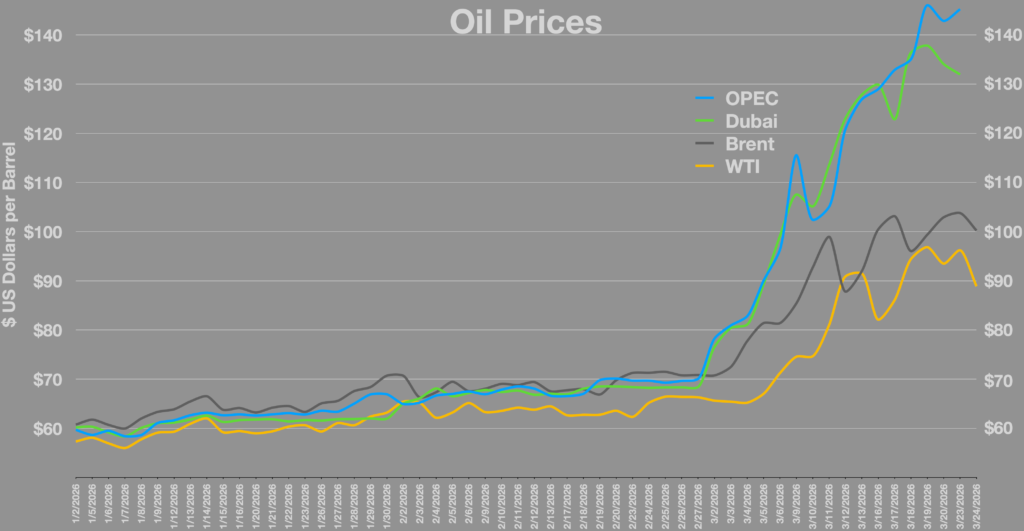
Finally, interest rates remain elevated, which directly impacts borrowing costs, housing markets, and business expansion. These combined forces create a perfect storm of uncertainty, leading to increased volatility across stocks, commodities, and currencies.
Why Most Investors Lose Money During Volatile Markets
One of the biggest mistakes investors make during volatile periods is reacting emotionally rather than strategically. Panic selling during market dips and chasing rallies often leads to significant losses.
Data from past market cycles shows that investors who exit during downturns often miss the strongest recovery days. For example, missing just a few of the best-performing days in the market can dramatically reduce long-term returns.
Another common mistake is overexposure to a single sector. In today’s market, sectors like technology, energy, and real estate are reacting differently to macroeconomic changes. Without diversification, investors risk heavy losses when a specific sector declines.
Leverage is also a major risk factor. Many traders use borrowed money to amplify returns, but in volatile conditions, this can quickly lead to large losses. Managing risk becomes more important than chasing profits.
Proven Strategies to Protect Your Wealth in Any Market Condition


The key to surviving and thriving in volatile markets is having a solid strategy. One of the most effective approaches is diversification. By spreading investments across multiple asset classes—stocks, bonds, commodities, and even cash—you reduce overall risk.
Safe-haven assets like gold and US Treasury bonds tend to perform well during periods of uncertainty. With geopolitical risks rising, many institutional investors are increasing their allocation to these assets.
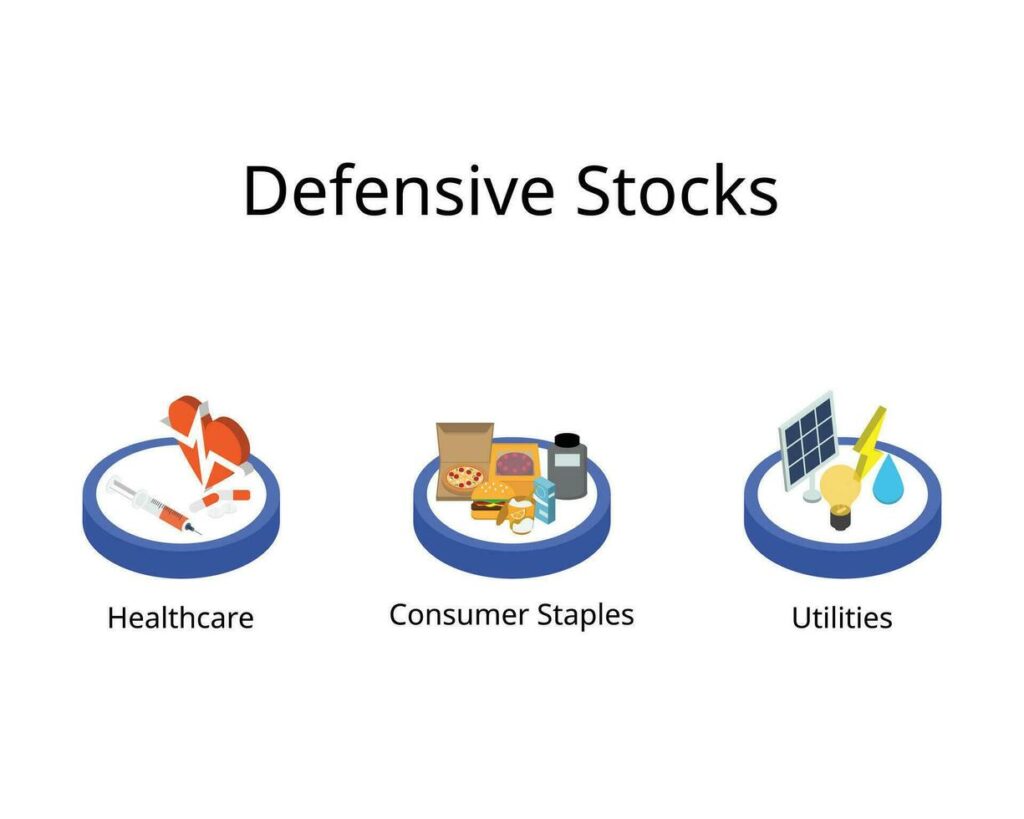
Another important strategy is focusing on defensive stocks. Companies in sectors like healthcare, utilities, and consumer staples tend to remain stable even during economic downturns because demand for their products remains consistent.
Maintaining a cash reserve is also critical. Cash provides flexibility, allowing investors to take advantage of opportunities when markets drop. In volatile markets, liquidity can be a powerful advantage.
Where Smart Money Is Moving Right Now
Recent trends show that institutional investors are not exiting the market—they are reallocating capital. One of the biggest areas of investment is artificial intelligence and data infrastructure.
A European AI company recently raised over $800 million to expand data center capacity, highlighting the continued demand for AI-driven technologies. This indicates that while some sectors face pressure, others are experiencing rapid growth.
Energy stocks are also gaining attention due to rising oil prices. As energy demand increases, companies in this sector are seeing improved profitability, making them attractive to investors.
At the same time, some investors are becoming cautious about real estate due to rising mortgage rates. Higher borrowing costs are reducing demand, which could lead to slower price growth or even corrections in certain markets.
This shift in capital highlights an important lesson: volatility creates both risks and opportunities. The key is identifying where money is flowing and aligning your strategy accordingly.
Tactical Investment Moves for 2026 and Beyond
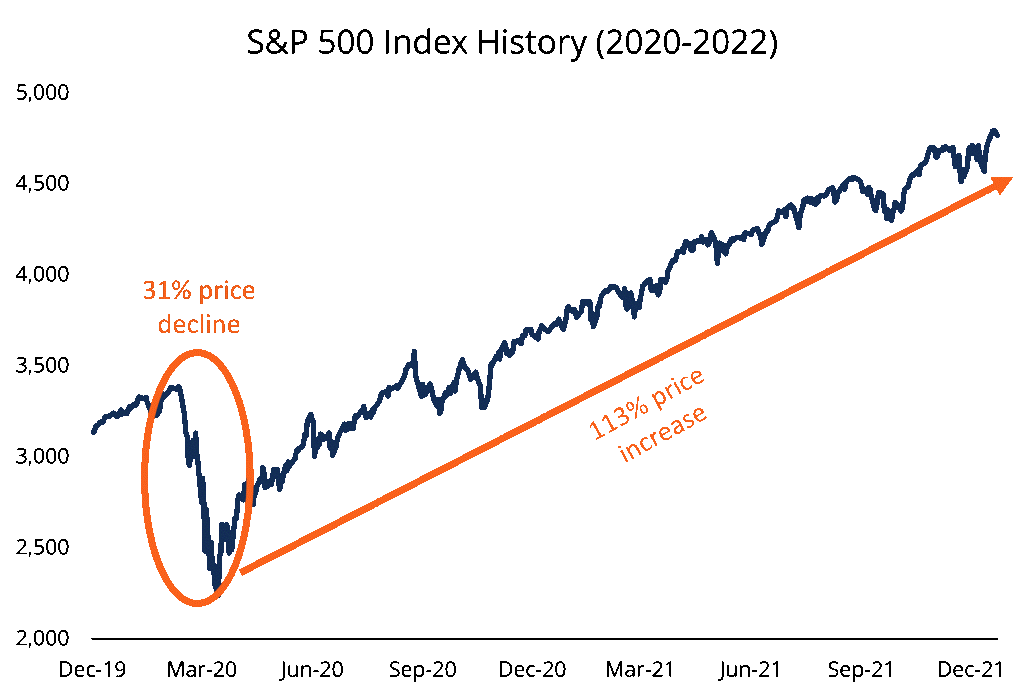

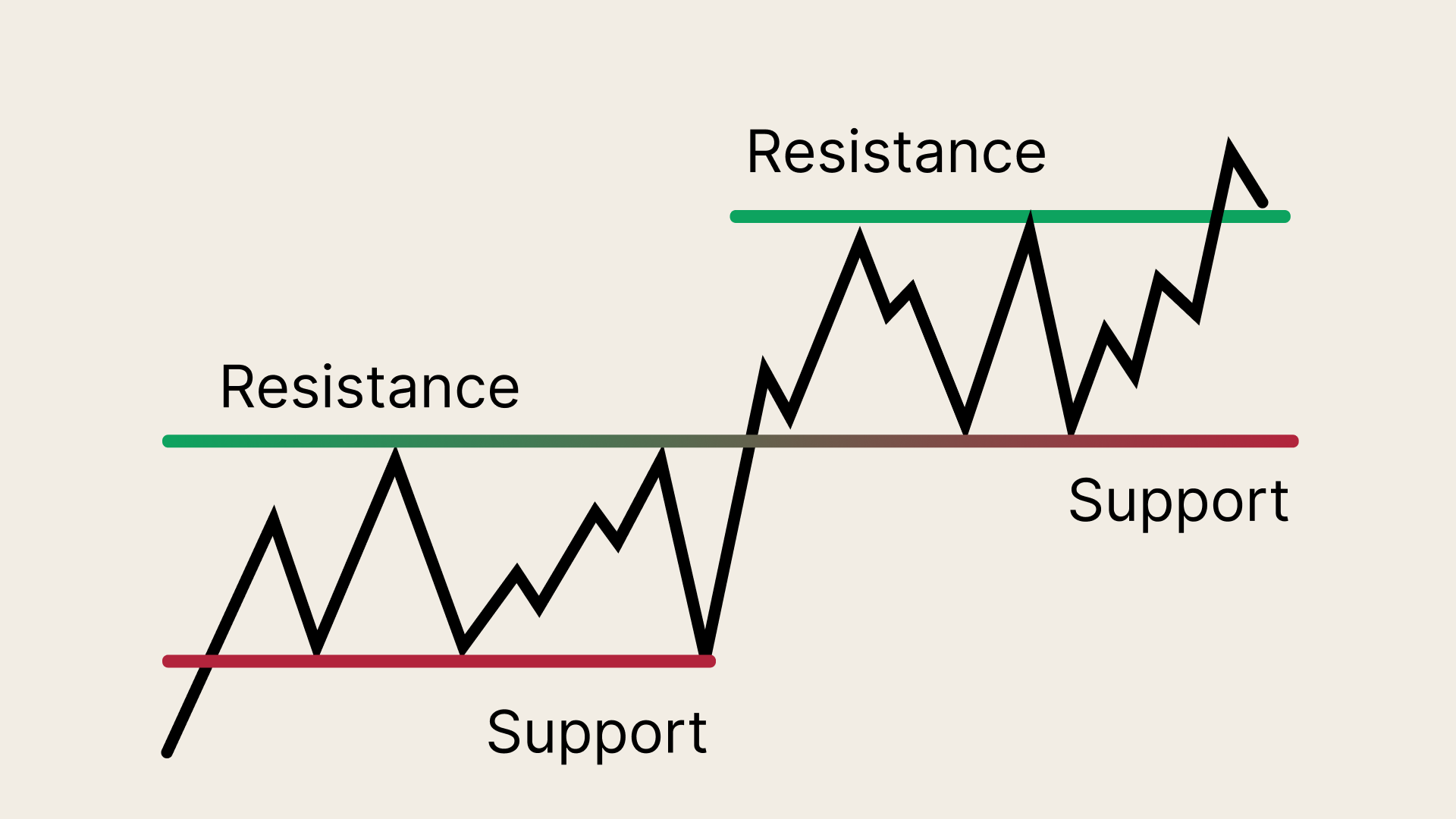
To navigate today’s market, investors need to adopt tactical approaches rather than relying on outdated strategies. One effective method is dollar-cost averaging, where you invest a fixed amount regularly regardless of market conditions. This reduces the impact of volatility over time.
Another key strategy is buying quality assets during dips. Market corrections often provide opportunities to acquire strong companies at discounted prices. However, it’s important to focus on fundamentals rather than short-term price movements.
Risk management is essential. Setting stop-loss levels and limiting position sizes can help protect against large losses. In volatile markets, preserving capital should be the top priority.
Technical analysis can also provide insights into market trends. Identifying support and resistance levels helps investors make more informed entry and exit decisions.
Market Outlook: What Investors Should Expect Next
Looking ahead, volatility is likely to remain elevated. Ongoing geopolitical tensions, uncertain inflation trends, and central bank decisions will continue to influence market behavior.
However, it’s important to remember that volatility is not inherently negative. It creates opportunities for disciplined investors to generate returns. Historically, some of the best investment opportunities have emerged during periods of uncertainty.
Experts suggest that investors should focus on long-term trends rather than short-term noise. The continued growth of AI, energy demand, and technological innovation is expected to drive future market performance.
At the same time, risks remain. A prolonged conflict or unexpected economic slowdown could lead to further market declines. Staying informed and adaptable is crucial.
Building a Long-Term Wealth Strategy That Works in Any Economy
Successful investing is not about predicting the market—it’s about preparing for different scenarios. A well-balanced portfolio, combined with disciplined execution, can help investors navigate even the most challenging environments.
Consistency is key. Regular investing, combined with strategic adjustments, can lead to significant long-term gains. Avoiding emotional decisions and focusing on data-driven strategies will improve outcomes.
It’s also important to continuously learn and adapt. Markets evolve, and strategies that worked in the past may not be effective in the future. Staying updated with current trends and insights gives investors a competitive edge.
Ultimately, the goal is not just to survive volatility—but to use it as an opportunity to build wealth.
Turning Market Uncertainty Into Opportunity
Volatile markets can feel overwhelming, but they also present some of the best growth opportunities. By understanding the factors driving volatility, avoiding common mistakes, and implementing proven strategies, investors can protect their wealth and position themselves for long-term success.
The current market environment in 2026 is shaped by powerful forces—rising energy prices, geopolitical risks, and shifting economic policies. While these factors create uncertainty, they also open the door to new opportunities.
Investors who remain disciplined, diversified, and informed will be better equipped to navigate these challenges and achieve their financial goals.
Subscribe to trusted news sites like USnewsSphere.com for continuous updates.