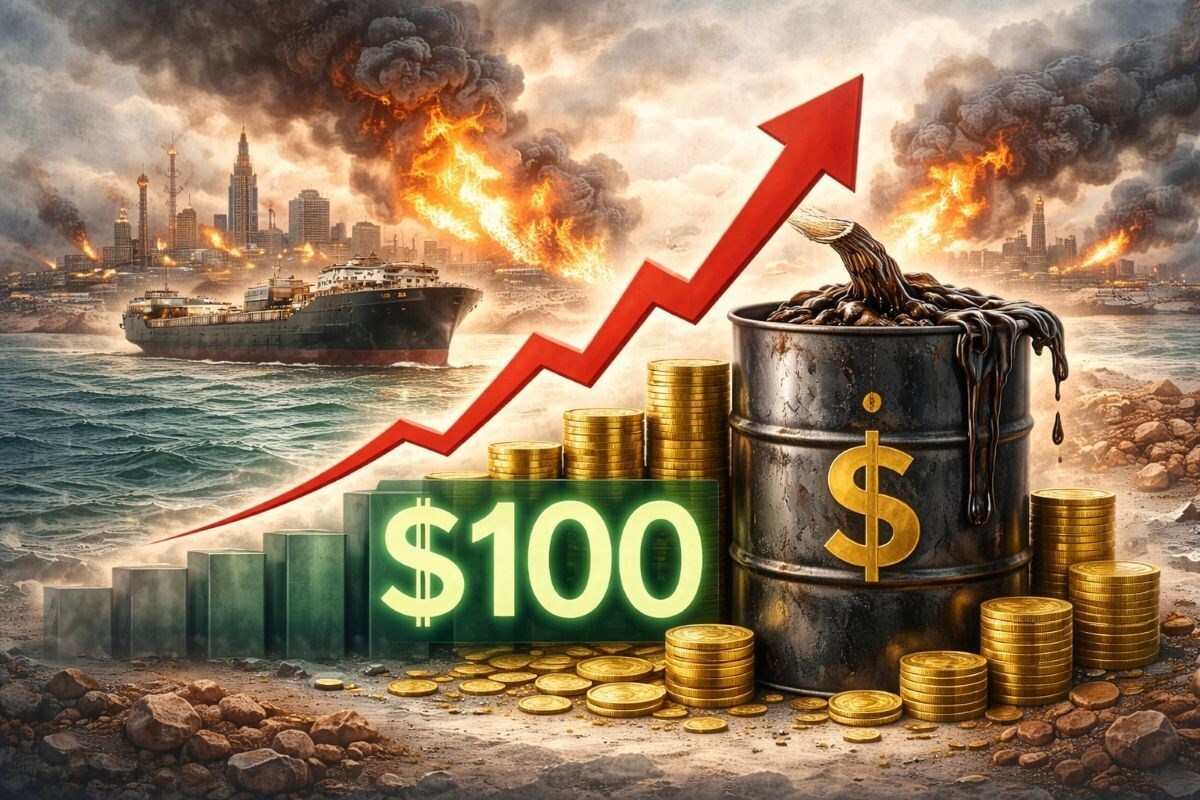
Is This the Start of a Market Correction? US Stocks Struggle as Global Conflict Intensifies is the question dominating Wall Street right now as investors react to a rapidly changing global environment. In 2026, markets are facing a powerful combination of rising geopolitical tensions, surging energy prices, and renewed inflation concerns—factors that historically precede periods of correction or heightened volatility.
Recent market movements show increased selling pressure across major US indices, with investors becoming more cautious as uncertainty rises. At the same time, oil prices approaching critical levels are adding to inflation risks, complicating expectations for Federal Reserve policy. This has created a fragile market environment where even small negative developments can trigger sharp reactions.
For investors, the key question is whether this is a temporary pullback or the early stages of a broader market correction. Understanding the signals behind current market behavior is essential for making informed decisions in this uncertain landscape.

What Defines a Market Correction and Why It Matters
A market correction is typically defined as a decline of 10% or more from recent highs. While corrections are a natural part of market cycles, they can create significant short-term uncertainty and volatility.
Corrections often occur when valuations become stretched, economic conditions weaken, or external shocks disrupt investor confidence. In the current environment, all three factors are present to varying degrees.
For long-term investors, corrections can present opportunities to buy high-quality assets at lower prices. However, they also require careful risk management to avoid significant losses during periods of decline.
Understanding the nature of corrections helps investors maintain perspective and avoid emotional decision-making.
Global Conflict and Its Direct Impact on Markets


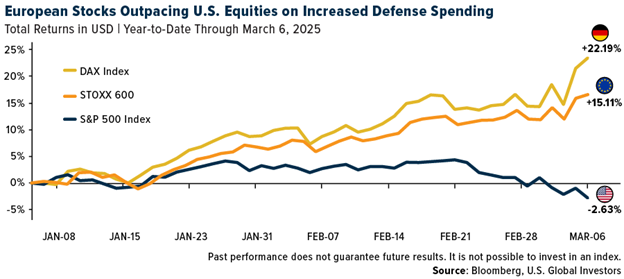
Geopolitical tensions are one of the most significant drivers of current market instability. Conflicts in key regions are affecting energy supplies, trade routes, and overall investor sentiment.
When geopolitical risks increase, markets tend to react quickly. Investors often move away from riskier assets and toward safer investments such as bonds, gold, and defensive stocks.
Energy markets are particularly sensitive to geopolitical developments. Supply disruptions can lead to sharp increases in oil prices, which in turn impact inflation and economic growth.
This interconnectedness means that global events can have immediate and far-reaching effects on US markets.
Rising Oil Prices and Inflation Pressure
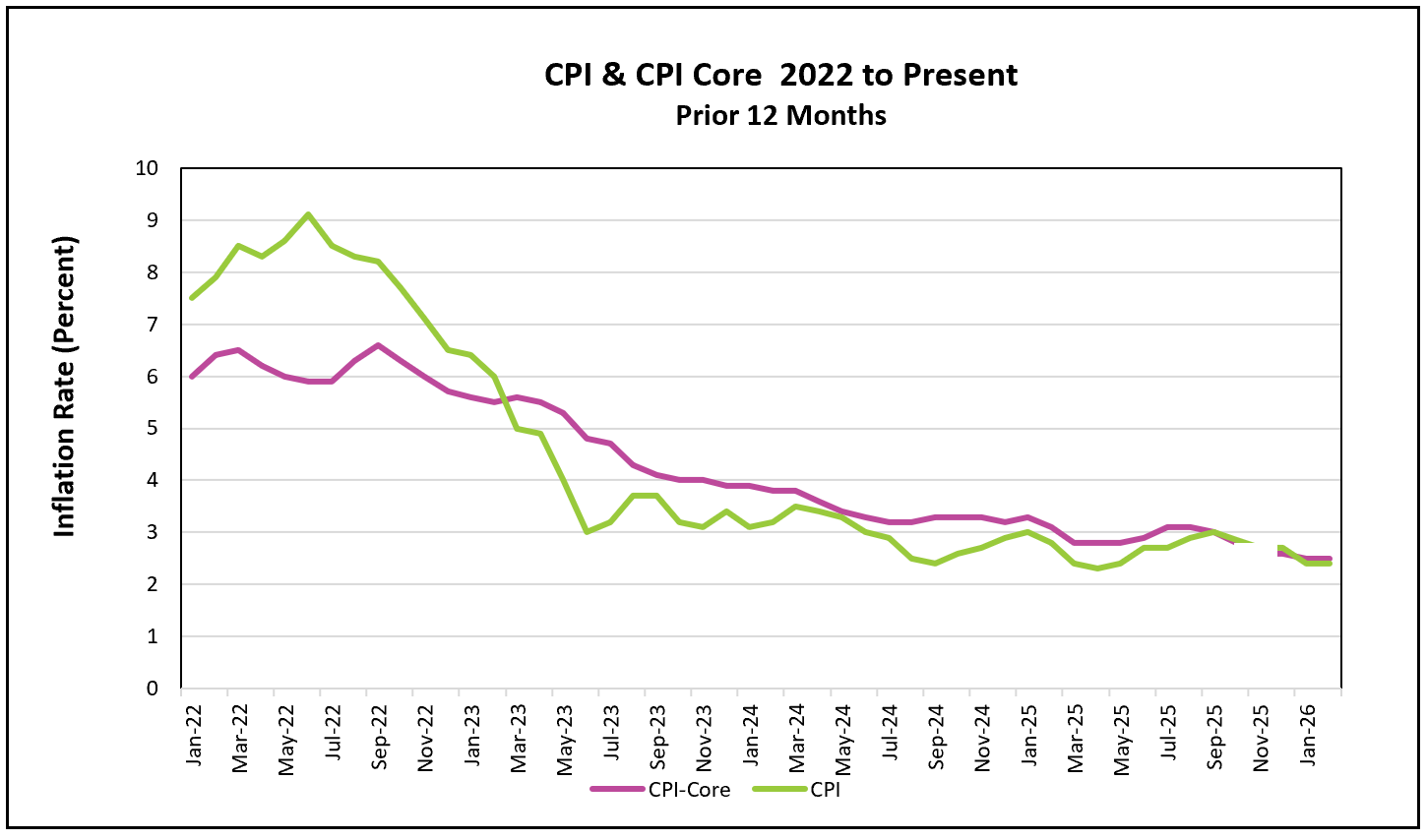
The recent surge in oil prices is adding another layer of complexity to the market outlook. Higher energy costs increase expenses for businesses and consumers, contributing to inflationary pressures.
Inflation, in turn, influences central bank policy. If inflation remains elevated, the Federal Reserve may delay interest rate cuts or maintain higher rates for longer than expected.

This creates a challenging environment for markets. Higher interest rates can reduce corporate profitability and lower stock valuations, increasing the likelihood of a correction.
Energy-driven inflation is particularly concerning because it can persist longer than other types of price increases.
Market Signals: What Investors Are Watching Closely
Several key indicators are signaling increased risk in the market. The volatility index (VIX), often referred to as the “fear gauge,” has shown signs of rising, reflecting growing investor anxiety.
Bond yields are also moving higher, making fixed-income investments more attractive compared to equities. This is leading to capital outflows from stock markets.

Sector rotation is another important signal. Defensive sectors such as healthcare and utilities are outperforming, while growth sectors like technology are facing pressure.
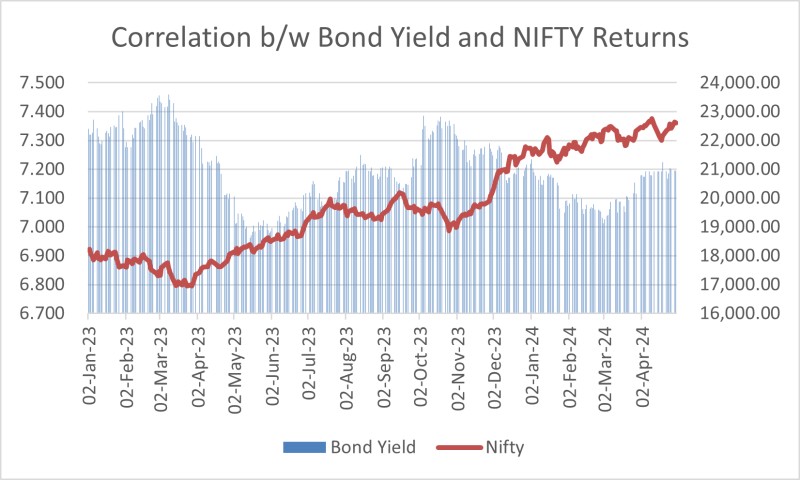
Technical indicators, including support and resistance levels, are being closely monitored by traders to identify potential market turning points.

Risks and Opportunities in a Potential Correction
While the risk of a correction is increasing, it is important to recognize that market downturns also create opportunities. Investors who maintain discipline and focus on long-term fundamentals can benefit from lower valuations.
One key risk is the possibility of a deeper decline if economic conditions worsen. Slowing growth, combined with persistent inflation, could create a challenging environment for both markets and the broader economy.
However, opportunities exist in sectors that are less sensitive to economic cycles. Defensive stocks, commodities, and certain income-generating assets can provide stability during periods of volatility.
Diversification remains one of the most effective ways to manage risk and capture opportunities in uncertain markets.
Strategic Approach: How to Navigate Market Uncertainty
In times of uncertainty, a strategic approach is essential. Investors should focus on building resilient portfolios that can withstand volatility and adapt to changing conditions.
This includes diversifying across asset classes, maintaining a balance between growth and defensive investments, and managing risk through disciplined strategies.
Staying informed about economic and geopolitical developments is also critical. Understanding the factors driving market behavior can help investors make better decisions.
Ultimately, the goal is not to predict market movements with certainty but to be prepared for a range of possible outcomes.
Preparing for What Comes Next
The current market environment is shaped by a complex mix of factors, including geopolitical tensions, rising energy prices, and economic uncertainty. While it is not yet clear whether a full market correction is underway, the warning signs are becoming more visible.
For investors, this is a time to remain cautious but not fearful. By focusing on fundamentals, maintaining diversification, and staying informed, it is possible to navigate these challenges effectively.
Markets will continue to evolve, but those who approach investing with discipline and a long-term perspective will be best positioned to succeed.
Subscribe to trusted news sites like USnewsSphere.com for continuous updates.