
Spain’s Airspace Ban on US War Flights: Why Global Markets Are on Edge Right Now is quickly becoming one of the most discussed geopolitical developments impacting global financial markets, oil prices, and investor sentiment in 2026. What initially appeared to be a military logistics decision is now sending ripple effects across stock markets, commodities, and global trade expectations.
Recent developments show that Spain has restricted access to its airspace for certain US military aircraft linked to Middle East operations. This move comes at a time when tensions surrounding Iran are escalating, creating a complex geopolitical situation that investors cannot ignore. Markets historically react strongly to such developments, and early signals suggest that volatility is already rising.
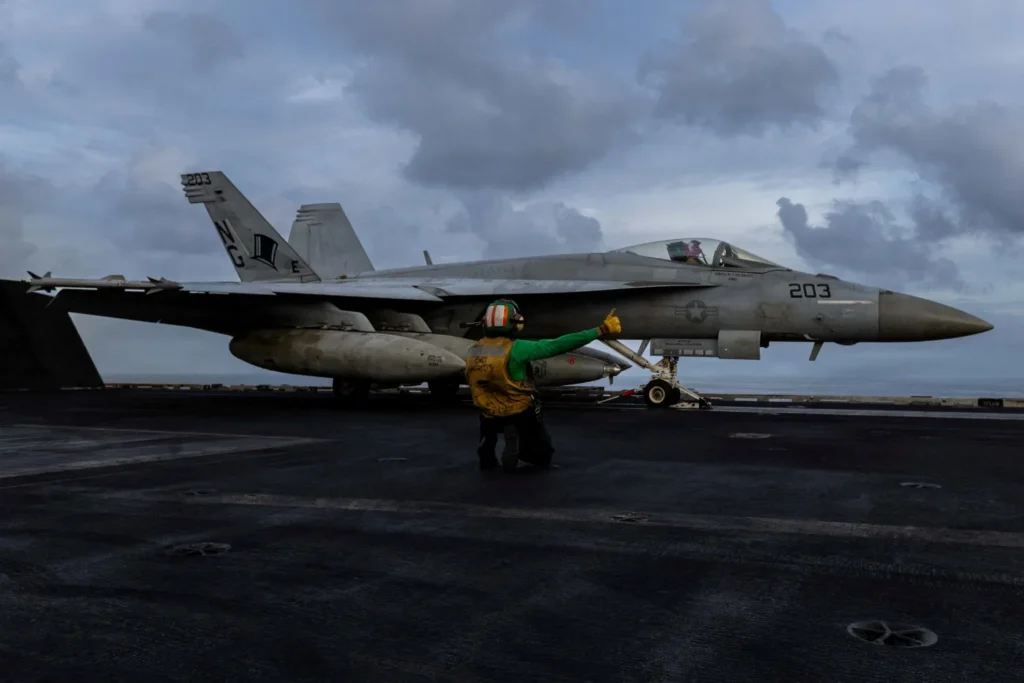
A US Navy sailor prepares to launch an F/A-18E Super Hornet from the flight deck of the Nimitz-class aircraft carrier USS Abraham Lincoln in support of the Operation Epic Fury attack on Iran at an undisclosed location, March 22, 2026.
Spain’s Airspace Ban on US: Geopolitical Tension Is Translating Directly Into Market Volatility
Global markets do not operate in isolation from political events, and this situation is a perfect example of how quickly geopolitical risk can translate into financial instability. When a NATO-aligned country like Spain restricts US military movement, it signals deeper diplomatic friction that investors interpret as risk.
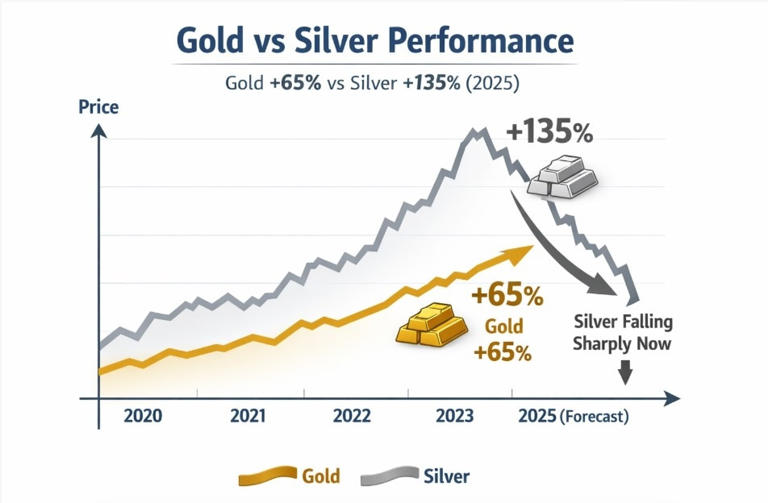
Historically, similar geopolitical tensions—especially those involving the Middle East—have triggered sharp movements in oil, gold, and equities. Investors tend to shift capital toward safe-haven assets like gold and US Treasury bonds while reducing exposure to riskier equities.
Early reactions indicate increased volatility in major indices such as the S&P 500 and NASDAQ futures. Traders are pricing in uncertainty, which often leads to wider price swings and short-term corrections. This is not necessarily a long-term bearish signal, but it reflects heightened caution across institutional investors.
Oil Prices Surge as Supply Risk Fears Grow
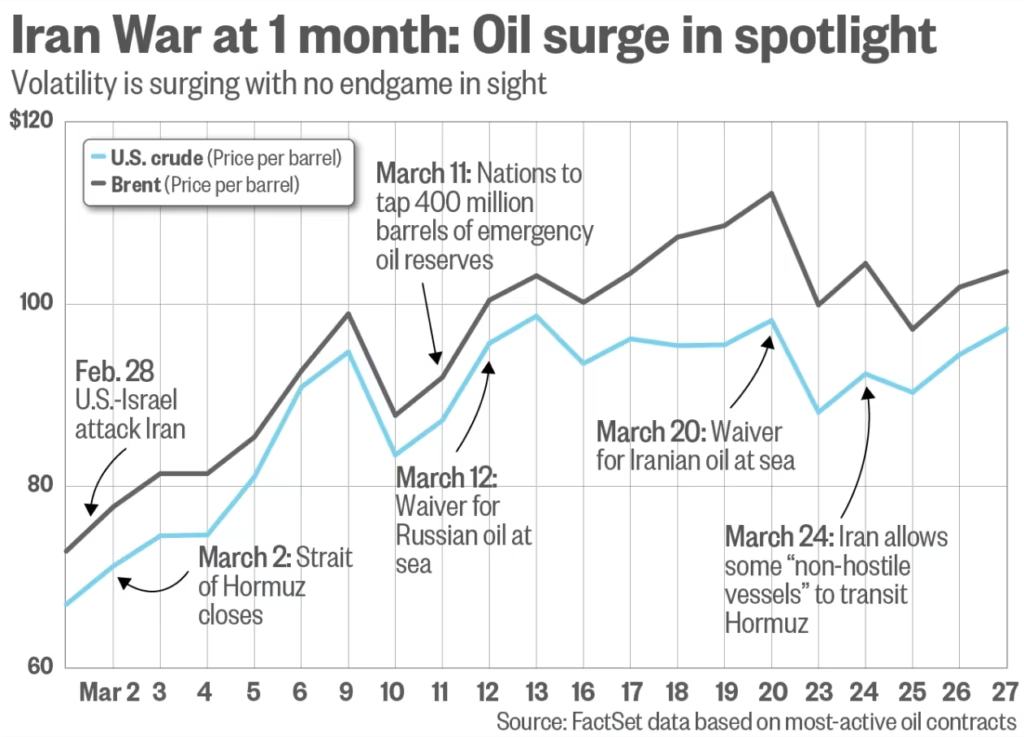
One of the most immediate financial impacts of this situation is visible in the oil market. Any escalation involving Iran automatically raises concerns about supply disruptions, especially in key shipping routes such as the Strait of Hormuz.
Oil prices have already shown upward momentum as traders anticipate potential supply constraints. Even the perception of risk—without actual disruption—can push prices higher due to speculative buying and hedging activity.
Higher oil prices have a cascading effect on the global economy:
- Increased transportation and manufacturing costs
- Rising inflationary pressure
- Reduced consumer spending power
- Pressure on central banks to adjust interest rates
For investors, this creates both risk and opportunity. Energy stocks often benefit during such periods, while sectors like airlines and logistics face cost pressures.
Stock Market Reaction: Fear, Opportunity, and Sector Rotation
Stock markets are currently experiencing a classic pattern of fear-driven rotation. When geopolitical tensions rise, investors move capital from growth stocks into defensive sectors.
Key sectors reacting to this situation include:
- Energy stocks are gaining momentum due to rising oil prices
- Defense stocks are seeing increased interest amid military escalation
- Technology stocks are experiencing short-term pressure due to risk-off sentiment
- Airline and travel stocks are facing potential downside due to operational disruptions
This rotation is not random—it reflects institutional strategy. Large funds are repositioning portfolios to hedge against uncertainty while maintaining exposure to sectors likely to benefit.
For traders, this is a critical phase where understanding market psychology can lead to high-probability opportunities.
Global Trade and Economic Stability at Risk
Spain’s decision is not just a military or political issue—it has broader implications for global trade. Airspace restrictions can disrupt logistics, delay shipments, and increase transportation costs.
If tensions escalate further, we could see:
- Disruptions in European trade routes
- Increased shipping and insurance costs
- Slower global supply chains
- Reduced economic growth forecasts
The global economy is still recovering from previous disruptions, and any additional strain could impact GDP growth across major economies. Investors are closely monitoring whether this situation escalates into a wider diplomatic conflict.
Investor Strategy: How Smart Money Is Positioning Right Now
In times of geopolitical uncertainty, smart investors focus on risk management and strategic positioning rather than emotional decision-making.
Current strategies being observed include:
- Increasing exposure to commodities like oil and gold
- Allocating funds to defensive sectors such as healthcare and utilities
- Reducing leverage to manage downside risk
- Holding higher cash reserves to capitalize on market dips
Short-term traders are also focusing on volatility itself as an opportunity. Markets driven by news events often create sharp intraday movements, which can be profitable for experienced traders.
However, the key is discipline. Markets can reverse quickly if tensions ease, so risk management remains essential.
Market Outlook: What Could Happen Next
The future direction of markets will depend heavily on how this geopolitical situation evolves. There are three primary scenarios investors are considering:
Scenario One: De-escalation
If diplomatic efforts succeed, markets could stabilize quickly. Oil prices may retrace, and equities could resume upward momentum.
Scenario Two: Continued Tension Without Conflict
Markets remain volatile but range-bound. Investors continue rotating between sectors, and uncertainty persists.
Scenario Three: Escalation Into Broader Conflict
This is the most impactful scenario. Oil prices could surge significantly, global markets could decline sharply, and safe-haven assets would dominate.
At this stage, markets appear to be pricing in the second scenario—continued tension without immediate escalation.
Why This Story Matters for Everyday Investors
This is not just a headline—it is a signal. Events like Spain’s airspace restriction highlight how interconnected global systems are. A decision made in Europe, related to a conflict in the Middle East, can directly impact portfolios in the United States.
For everyday investors, the key takeaway is awareness. Understanding how geopolitical events influence markets allows for better decision-making and improved long-term results.
Ignoring such developments can lead to missed opportunities or unnecessary losses. Staying informed is no longer optional—it is essential.
A Defining Moment for Global Markets
Spain’s Airspace Ban on US War Flights: Why Global Markets Are on Edge Right Now represents more than just a geopolitical headline—it is a catalyst for financial movement across multiple sectors.
From rising oil prices to shifting stock market dynamics, this situation is shaping investor behavior worldwide. While uncertainty remains high, it also creates opportunities for those who understand how to navigate market reactions.
The coming days will be critical. Whether this situation escalates or stabilizes, one thing is clear: global markets are watching closely, and every new development has the potential to move billions of dollars.
For investors, traders, and market observers, this is a moment to stay alert, think strategically, and adapt quickly to changing conditions.
Subscribe to trusted news sites like USnewsSphere.com for continuous updates.