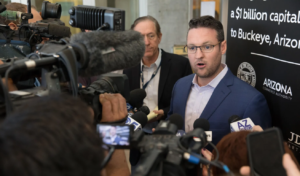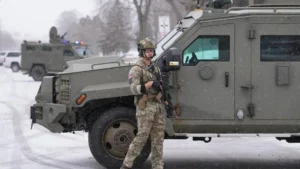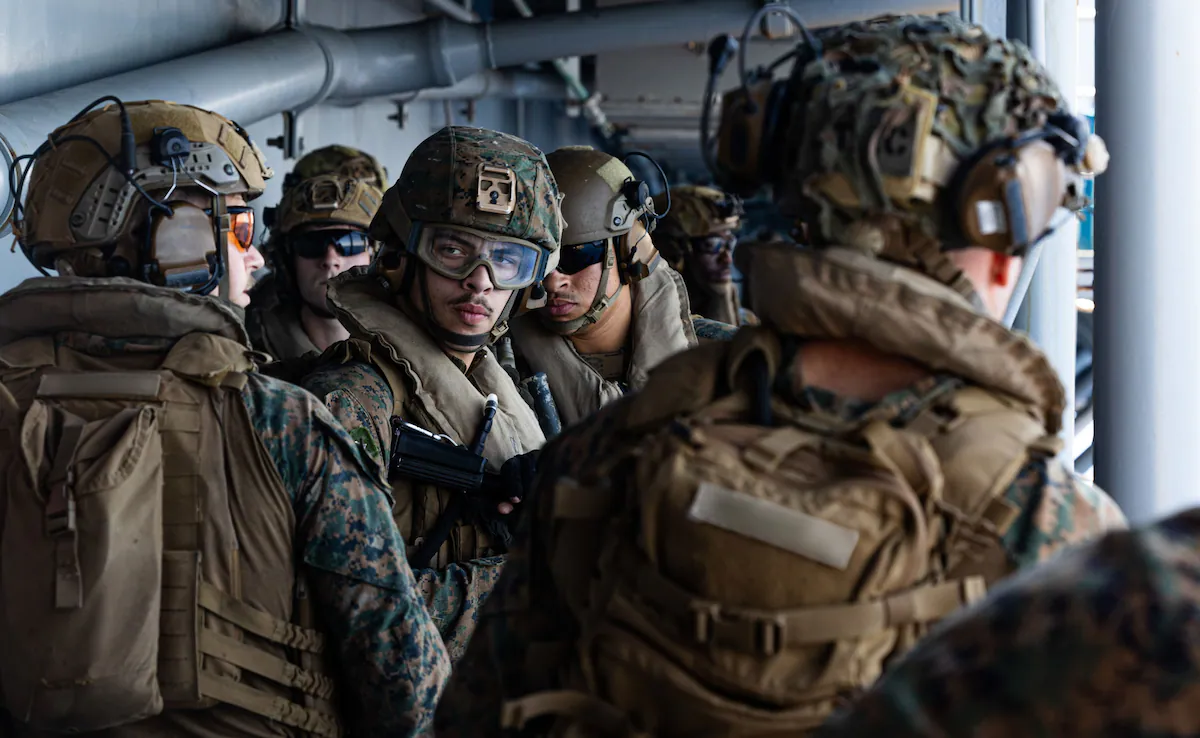
Trump’s plan for Iran ground troops is quickly becoming one of the most discussed national security developments in 2026, raising urgent questions about U.S. military strategy, global stability, and the risk of a wider conflict. Reports suggest that former President Donald Trump has considered the possibility of deploying U.S. Marines or ground forces in response to escalating tensions with Iran. This development comes amid rising instability in the Middle East, ongoing proxy conflicts, and increasing pressure on U.S. leadership to respond decisively.
Who: Donald Trump and U.S. military leadership
What: Possible deployment of U.S. ground troops to Iran-related conflict zones
Why: Rising tensions, security threats, and strategic positioning
Impact: Potential escalation into a broader regional or global conflict
This is not just another geopolitical headline—it signals a possible shift in U.S. military doctrine and could reshape global alliances.
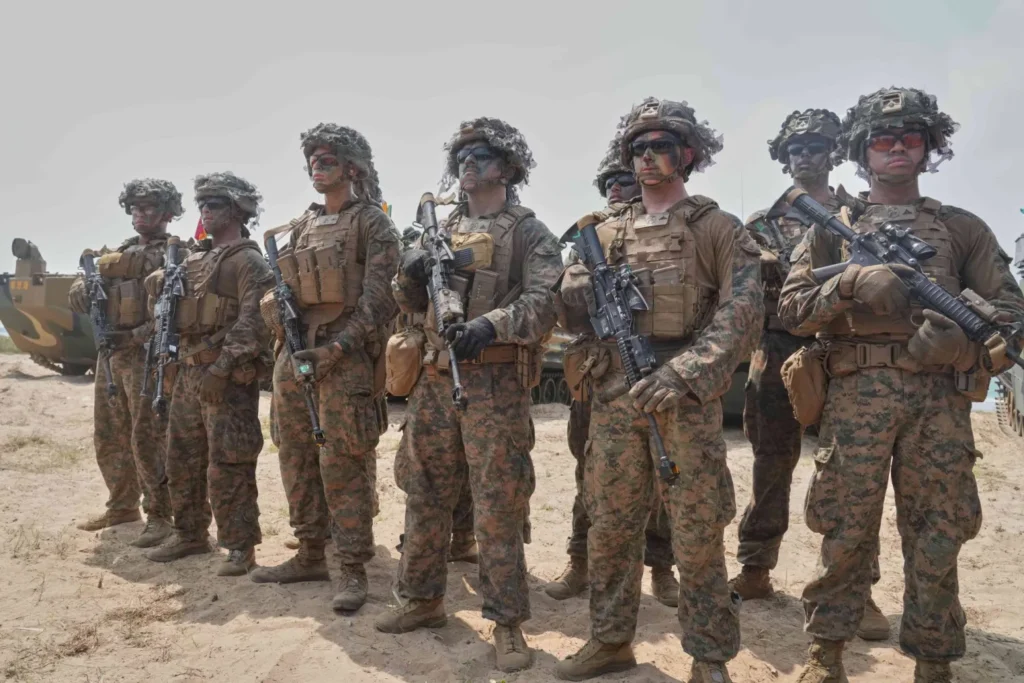
Rising Tensions Between the U.S. and Iran
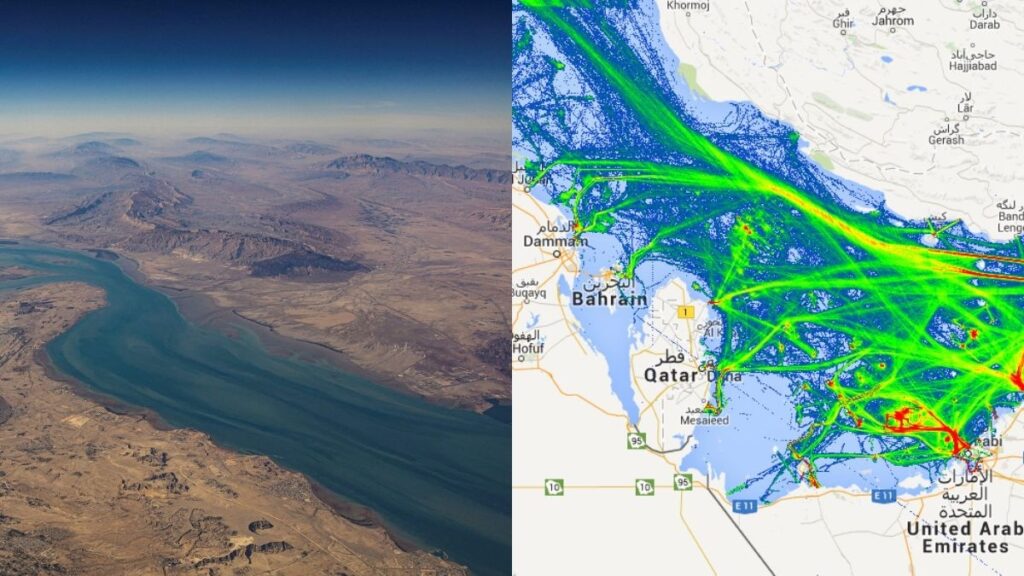
The relationship between the United States and Iran has been strained for decades, but recent developments have intensified concerns. Reports indicate growing military activity in key regions, including the Persian Gulf and surrounding strategic zones. These movements suggest that both sides are preparing for potential escalation rather than de-escalation.
What makes this situation more critical now is the combination of political rhetoric and military readiness. Discussions about deploying ground troops represent a major escalation compared to previous strategies, which relied more heavily on sanctions, cyber operations, and limited airstrikes. Ground forces signal a willingness to engage directly, which could dramatically alter the balance of power in the region.
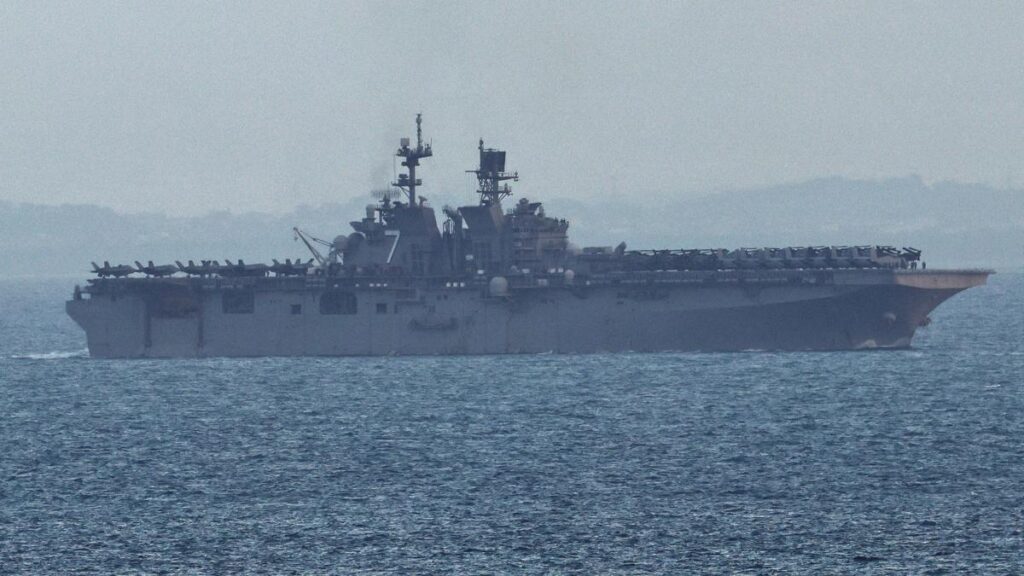
What Trump’s Ground Troop Consideration Really Means
The idea of sending U.S. Marines or ground troops into a conflict involving Iran is not a minor decision. It represents one of the most serious military commitments a country can make. Ground operations involve higher risks, including troop casualties, long-term engagement, and increased financial costs.
From a strategic perspective, such a move could aim to deter Iranian aggression or secure key assets in the region. However, it also opens the door to unintended consequences, including retaliation from Iran or its allied groups. Military experts warn that once ground troops are deployed, disengagement becomes significantly more difficult, potentially leading to prolonged conflict.
Why This Matters Now
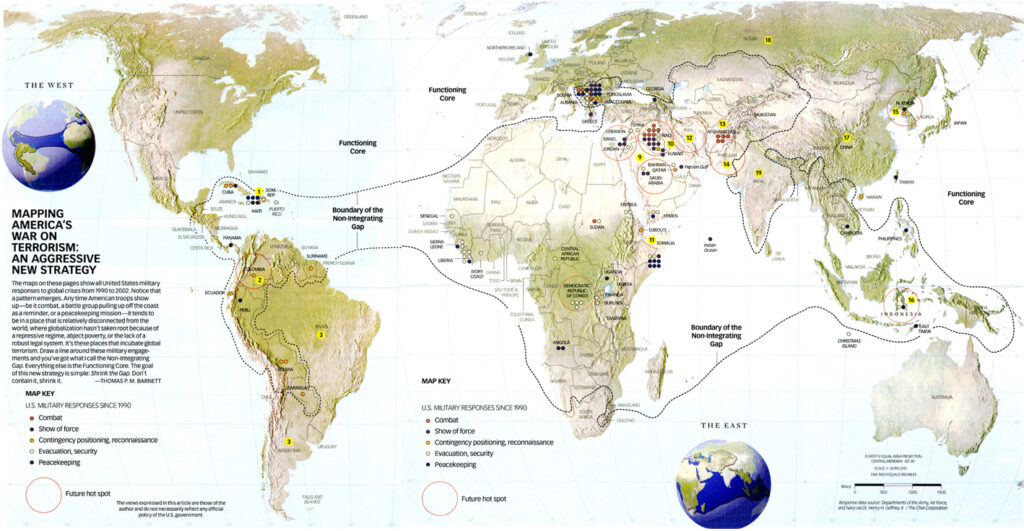
This moment is particularly sensitive because of the current global geopolitical environment. Multiple conflicts and tensions are already ongoing, from Eastern Europe to Asia. Adding another major military engagement could stretch resources and increase instability worldwide.
For the United States, this decision could redefine its role on the global stage. It raises questions about whether the country is moving toward a more aggressive military stance or attempting to reassert dominance in key regions. For allies, it creates uncertainty about their involvement, while for adversaries, it may signal a shift in strategy that requires immediate response.
The timing also matters because global markets, especially oil and energy sectors, are highly sensitive to Middle East developments. Even the possibility of conflict can cause price spikes and economic ripple effects.
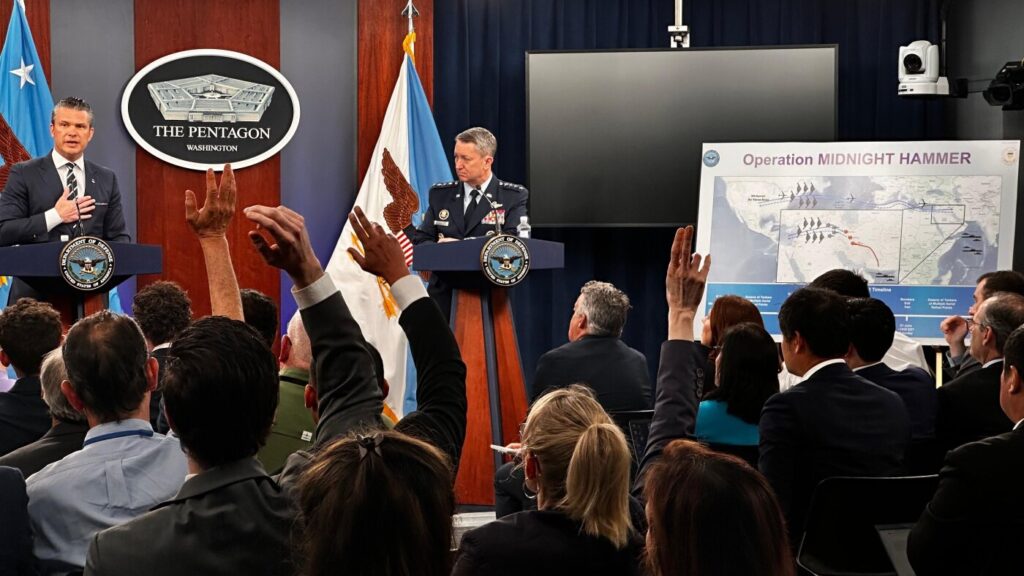
Potential Global Impact and Economic Consequences
If the U.S. were to deploy ground troops, the impact would extend far beyond the battlefield. One of the most immediate effects would likely be seen in global energy markets. The Middle East remains a critical hub for oil production, and any disruption could lead to sharp increases in fuel prices.
Financial markets would also react strongly. Historically, geopolitical tensions involving major powers have led to increased volatility, with investors moving toward safer assets. This could impact everything from stock markets to currency values, particularly the U.S. dollar.
Additionally, there is the risk of broader regional involvement. Iran has connections with various groups and allies across the Middle East. A direct conflict could trigger responses from multiple fronts, turning a localized issue into a larger regional crisis.
Military Strategy vs Political Messaging
Another important aspect of this situation is the balance between military planning and political communication. Statements about deploying troops can serve multiple purposes—not just operational planning but also signaling strength to both domestic and international audiences.
In some cases, such messaging is intended to deter adversaries without actual deployment. However, when combined with real military preparations, it becomes harder to distinguish between strategy and action. This uncertainty can increase tension, as other nations may respond based on worst-case scenarios rather than intentions.
For policymakers, the challenge lies in maintaining credibility while avoiding unnecessary escalation. For the public, it creates a complex situation where understanding the true risk becomes difficult.
What Happens Next: Possible Scenarios
Looking ahead, several outcomes are possible. One scenario is de-escalation, where diplomatic efforts reduce tensions and prevent any military action. This would likely involve negotiations, international mediation, and strategic compromises.
Another possibility is limited engagement, where the U.S. increases its military presence without committing to full-scale ground operations. This approach aims to maintain pressure while avoiding the risks of direct conflict.
The most serious scenario involves the actual deployment of ground troops, leading to direct confrontation. This would mark a significant turning point and could have long-term consequences for global security and U.S. foreign policy.
Final Thoughts: A Turning Point in Global Security
The discussion around Trump’s potential ground troop deployment highlights a critical moment in global politics. It reflects not only the ongoing tensions between the U.S. and Iran but also broader shifts in how military power is used in today’s world.
It is a developing story that could shape the future of international relations. Understanding the risks, motivations, and possible outcomes is essential as the situation continues to evolve.
Subscribe to trusted news sites like USnewsSphere.com for continuous updates.