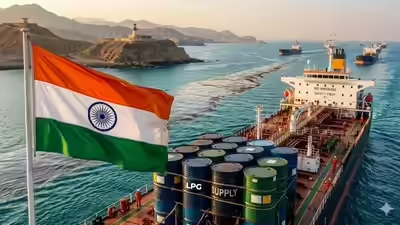
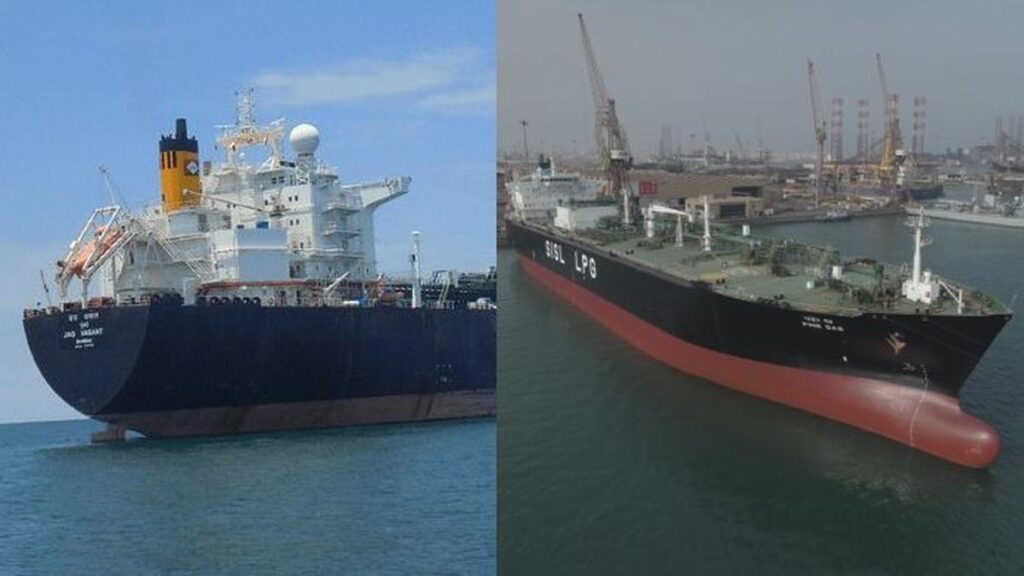
India’s ₹24,000 crore shipping plan is emerging as one of the most strategic energy and logistics moves in recent years, signaling a powerful shift toward energy security, global trade dominance, and maritime independence. The plan to acquire 59 ships, including 8 massive LPG carriers, is not just about fleet expansion—it’s a calculated step to reduce reliance on foreign shipping, cut transportation costs, and strengthen India’s position in the global energy supply chain.
This development comes at a time when global energy markets are highly volatile, shipping costs are fluctuating, and geopolitical tensions are reshaping trade routes. India, as one of the world’s fastest-growing economies and largest energy importers, is taking proactive steps to control its supply chain rather than depend on external players.
India’s Strategic Push Toward Energy Independence
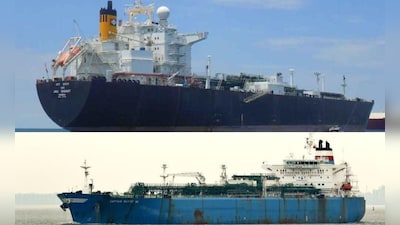

India imports over 85% of its crude oil and a significant portion of its LPG needs, making it highly vulnerable to global disruptions. This massive investment in shipping infrastructure is aimed at reducing that vulnerability and creating a more self-reliant energy ecosystem.
By owning more ships, especially LPG carriers, India can directly control how its fuel is transported. This eliminates the dependency on foreign shipping companies, which often charge premium rates during crises. In recent years, global freight rates have surged due to supply chain disruptions, making imports significantly more expensive.
The new fleet will allow Indian companies to lock in long-term transportation capacity at predictable costs. This is especially important for LPG, which is widely used for household cooking across India and is a politically sensitive commodity. Stable LPG supply ensures price stability for millions of households.
Additionally, this move aligns with India’s broader “Atmanirbhar Bharat” (self-reliant India) vision, where the government is encouraging domestic capabilities in critical sectors, including energy and logistics.
Breaking Down the ₹24,000 Crore Investment Plan
The ₹24,000 crore investment is expected to be deployed over several years, with a strong focus on acquiring both crude oil tankers and LPG carriers. Out of the 59 ships planned, 8 will be very large LPG carriers (VLGCs), which are essential for transporting liquefied petroleum gas across long distances efficiently.
These LPG carriers are particularly important because India’s LPG demand has been rising steadily due to government schemes promoting clean cooking fuel. The Pradhan Mantri Ujjwala Yojana, for example, has significantly increased LPG consumption in rural areas.
The remaining ships will include crude oil tankers and possibly product tankers, ensuring that India can transport not just raw energy resources but also refined products. This diversified fleet approach strengthens India’s entire energy logistics chain.
From a financial perspective, this investment is also expected to generate long-term returns. Instead of paying billions annually to foreign shipping companies, Indian firms will retain that revenue domestically. Over time, this can significantly improve the country’s trade balance.
Why LPG Carriers Are the Game Changer
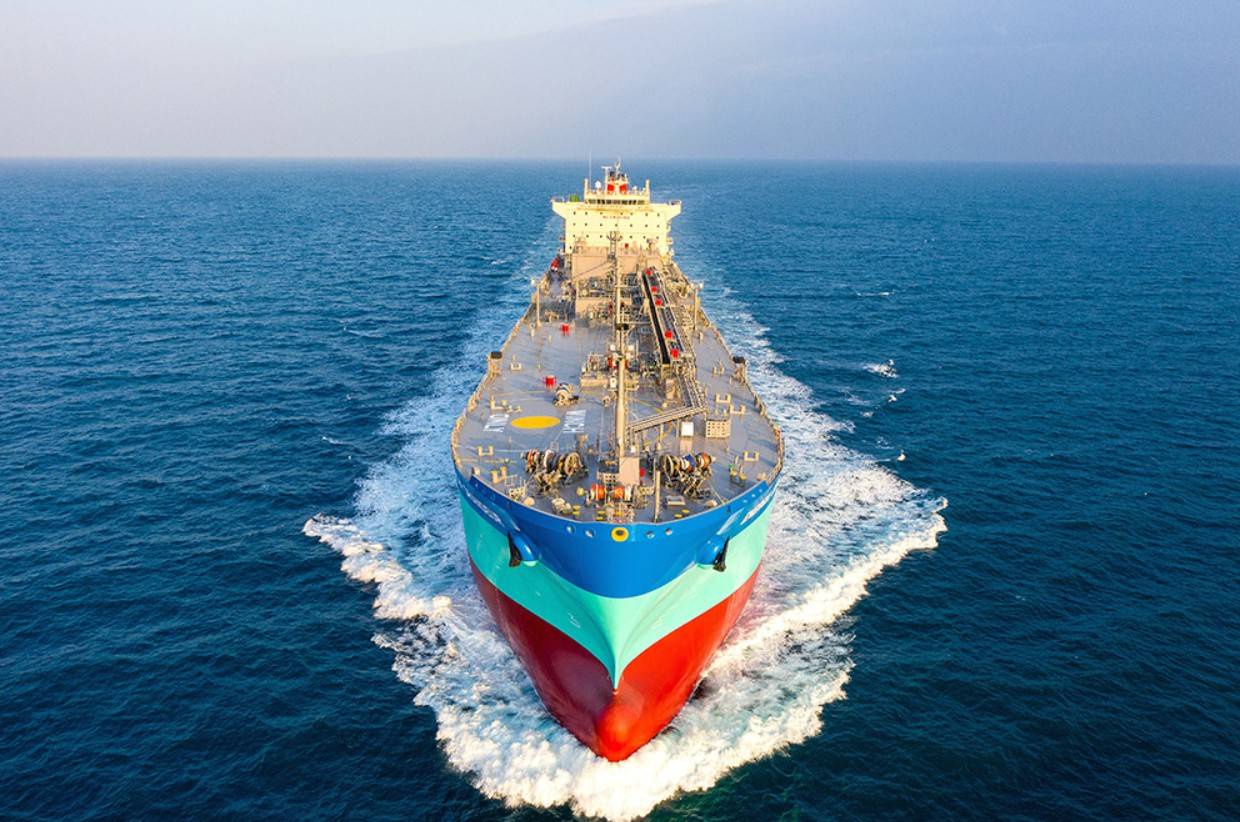

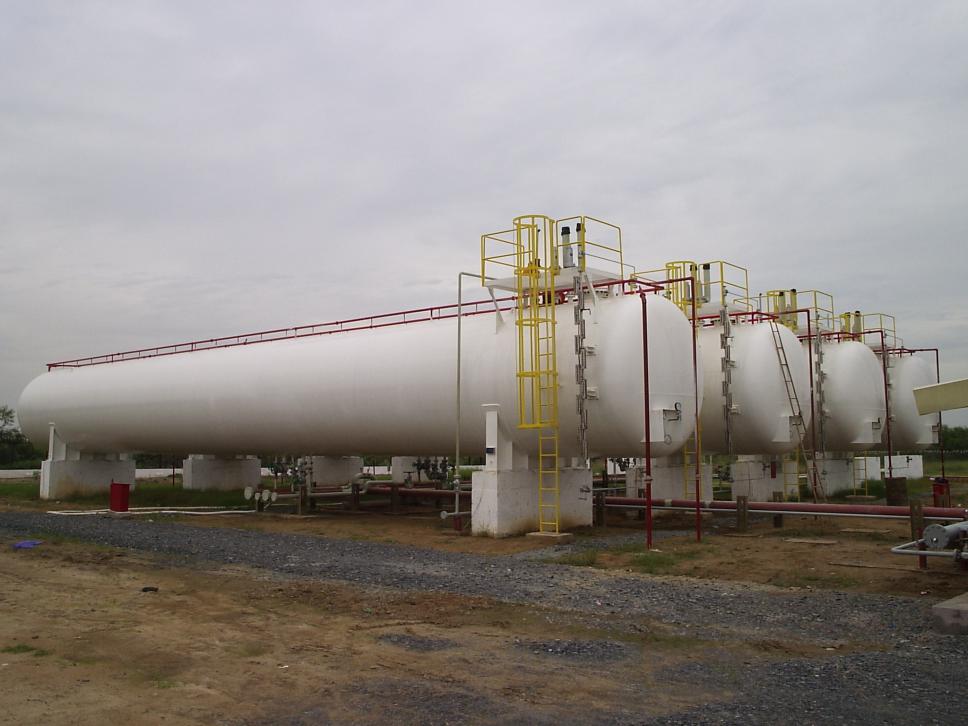
Among all components of the plan, the inclusion of 8 giant LPG carriers stands out as the most impactful. LPG is a critical fuel in India, used by over 300 million people for cooking and other domestic purposes.
Currently, a large portion of LPG transportation is handled by foreign vessels. This not only increases costs but also exposes India to supply disruptions during global crises. By owning its LPG carriers, India can ensure an uninterrupted supply even during emergencies.
These carriers are technologically advanced ships capable of transporting massive volumes of liquefied gas under controlled conditions. Investing in such vessels also pushes India toward adopting modern maritime technologies, improving efficiency and safety standards.
Moreover, LPG demand is not just growing in India but globally. This means these ships could also be used for international trade, opening new revenue streams for Indian shipping companies. It’s a move that combines domestic security with global opportunity.
Economic Impact: Jobs, Trade, and Revenue Growth
This shipping expansion is expected to have a ripple effect across multiple sectors of the economy. First, it will create thousands of jobs in shipbuilding, operations, maintenance, and logistics. Indian shipyards could see increased activity if part of the fleet is built domestically.
Second, the plan will strengthen India’s trade infrastructure. With more ships under its control, India can optimize shipping routes, reduce delays, and improve supply chain efficiency. This is particularly important for a country that is rapidly expanding its manufacturing and export capabilities.
Third, the financial benefits are substantial. Shipping costs are a major component of energy imports. By owning vessels, India can save billions in freight charges over time. These savings can be redirected toward infrastructure, renewable energy, or other strategic investments.
Additionally, Indian shipping companies could emerge as global players, competing with established international firms. This would elevate India’s status in the maritime industry and create new business opportunities.
Global Context: Why This Move Matters Now

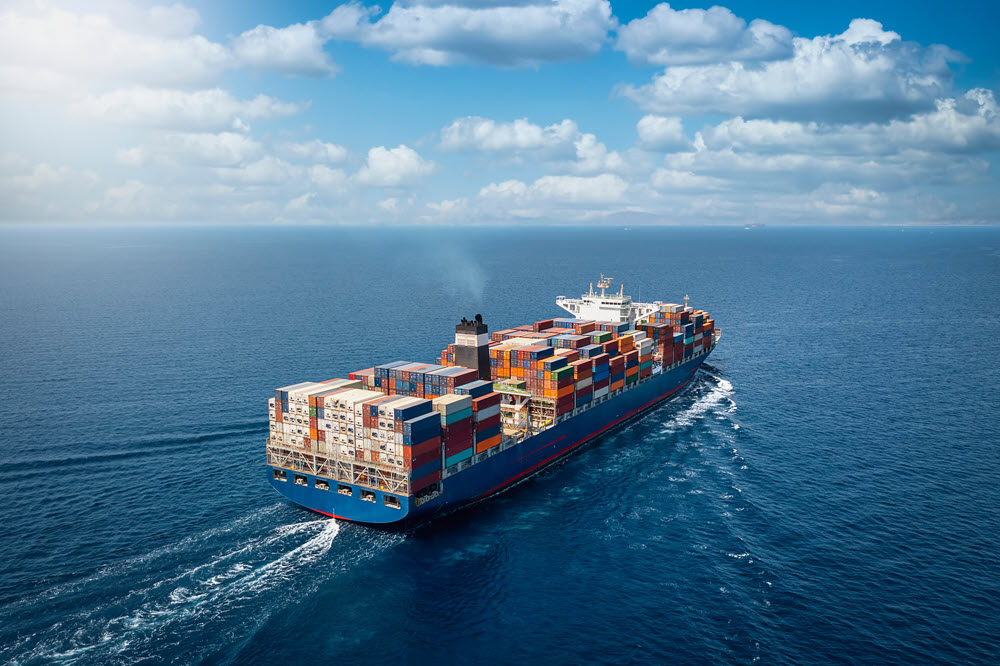
The timing of this initiative is crucial. Global energy markets are undergoing significant changes due to geopolitical tensions, shifting alliances, and evolving trade routes. Events like conflicts in key oil-producing regions and disruptions in major shipping lanes have highlighted the risks of overdependence on external logistics.
Countries around the world are increasingly focusing on securing their supply chains. India’s move is part of this broader trend, where nations are investing in strategic assets to ensure resilience.
Moreover, as energy demand continues to grow globally, competition for shipping capacity is intensifying. By acting now, India is positioning itself ahead of potential future shortages in shipping availability.
This initiative also complements India’s growing influence in global trade. As the country aims to become a $5 trillion economy, efficient and reliable logistics will be essential. A strong shipping fleet is a key component of that vision.
Challenges and Risks to Watch
While the plan is ambitious and promising, it is not without challenges. One of the biggest risks is the high capital investment required. Shipping is a capital-intensive industry, and returns can take years to materialize.
Market volatility is another concern. Freight rates can fluctuate significantly based on global demand and supply conditions. If rates fall, the financial returns on these ships could be lower than expected.
There are also operational challenges, including crew training, maintenance, and compliance with international maritime regulations. Managing a large fleet requires expertise and robust systems.
Environmental regulations are becoming stricter as well. Shipping companies are under pressure to reduce emissions and adopt cleaner technologies. India will need to ensure that its new fleet complies with these standards to avoid penalties and remain competitive.
Despite these challenges, the long-term benefits of the plan appear to outweigh the risks, especially given India’s growing energy needs and economic ambitions.
The Bigger Picture: India’s Maritime Future
This ₹24,000 crore investment is more than just a shipping plan—it’s a statement of intent. India is signaling that it wants to play a bigger role in global trade and energy logistics.
The move could pave the way for further investments in ports, shipbuilding, and maritime infrastructure. It also opens the door for technological innovation, including the adoption of digital systems and green shipping solutions.
In the coming years, we may see India not just as a major importer of energy but as a key player in global shipping. This transformation could have far-reaching implications for the country’s economy, geopolitics, and global standing.
For investors, policymakers, and industry leaders, this development is worth watching closely. It represents a convergence of energy strategy, economic growth, and global ambition.
A Defining Move for India’s Energy and Trade Landscape
India’s ₹24,000 crore shipping plan to acquire 59 ships, including 8 giant LPG carriers, marks a turning point in the country’s journey toward energy security and global trade leadership. By taking control of its logistics, India is reducing risks, cutting costs, and positioning itself for long-term growth.
This initiative reflects a forward-thinking approach in a world where supply chain control is becoming increasingly important. While challenges remain, the strategic advantages are clear.
As global competition intensifies and energy demand rises, India’s bold move could set a benchmark for other nations. It’s not just about ships—it’s about shaping the future of a nation’s economy and its place in the world.
Subscribe to trusted news sites like USnewsSphere.com for continuous updates.