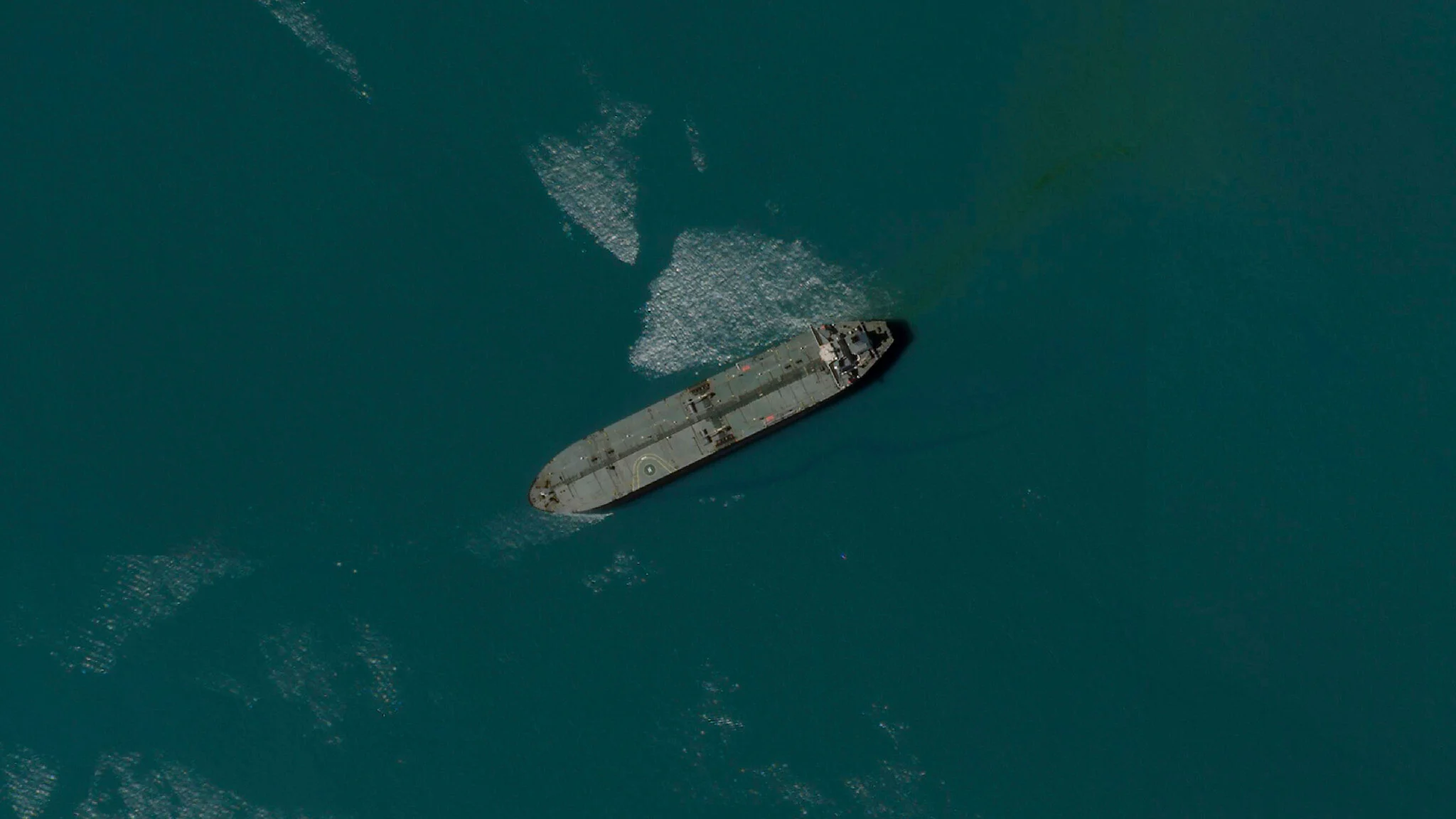
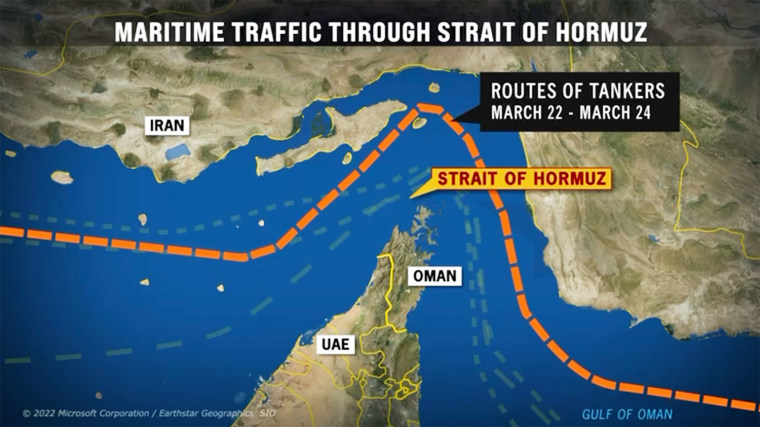
Iran Hormuz shipping tolls are becoming a major global concern as new proposals could change how ships pass through one of the world’s most critical oil routes. Reports indicate that Iran is considering charging vessels for using the Strait of Hormuz, a move that could impact global oil prices, shipping costs, and geopolitical stability. This development involves key players including Iran, China, and global energy markets, making it a high-stakes issue for international trade.
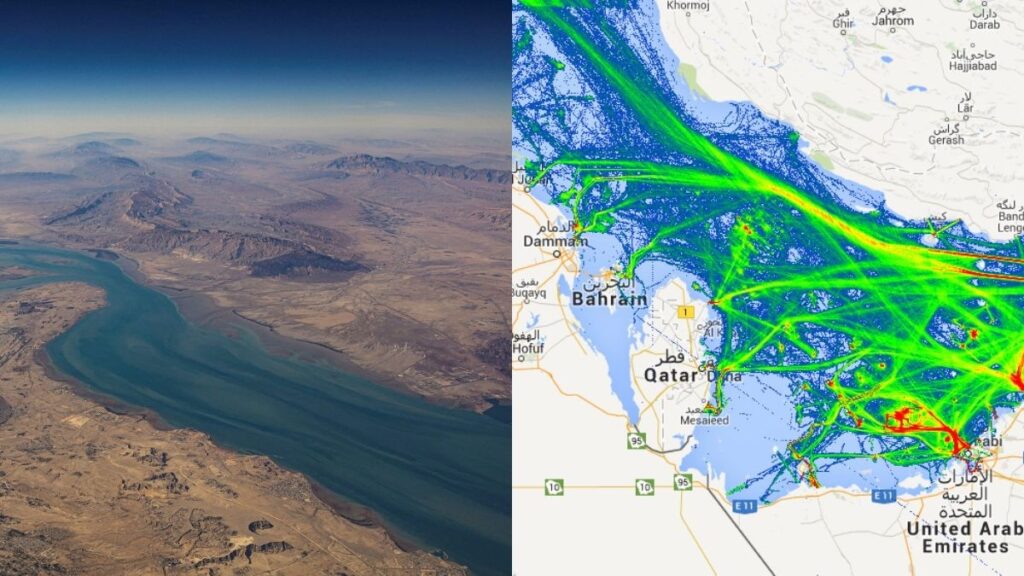
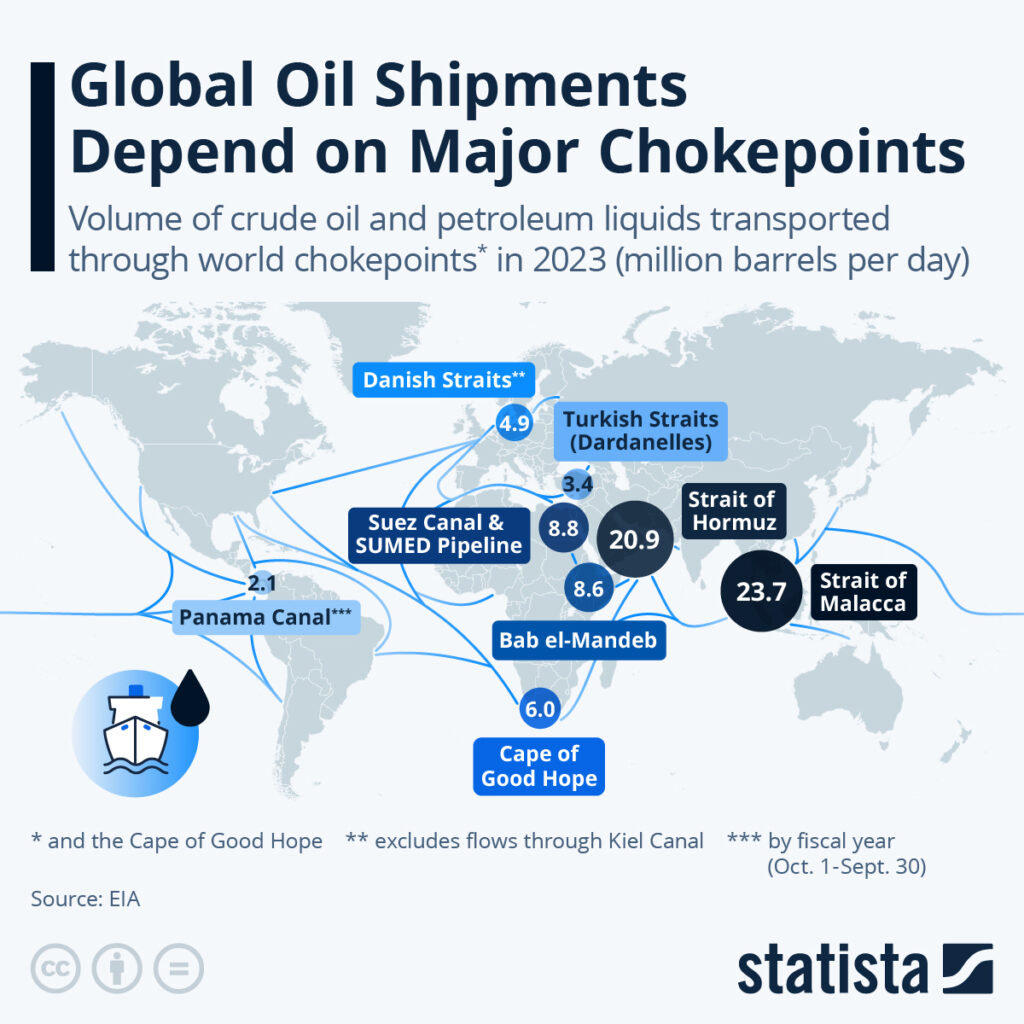
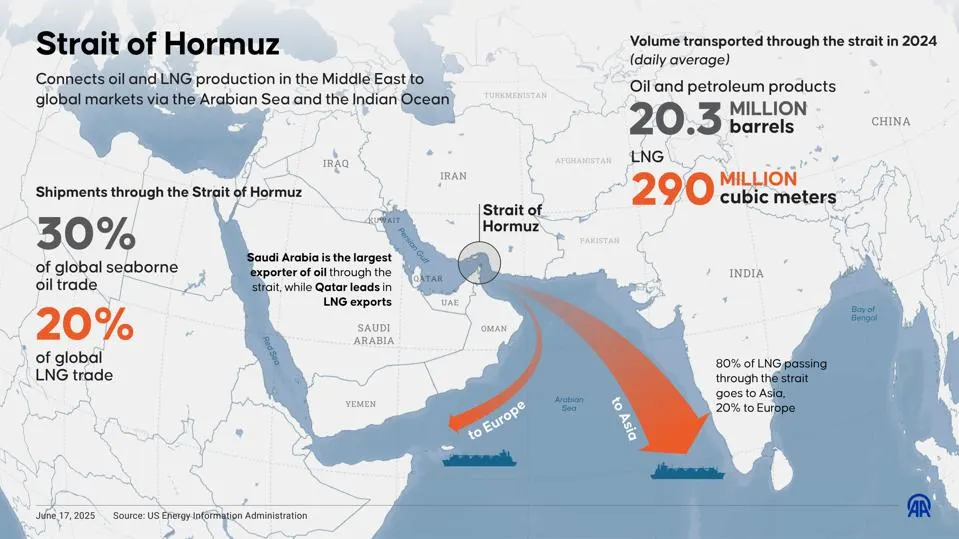
The Strait of Hormuz handles nearly 20% of the world’s oil supply, making it one of the most important chokepoints in global commerce. Any disruption or added cost here immediately affects fuel prices, shipping rates, and inflation worldwide. This is why investors, governments, and businesses are closely watching the situation.
Why Iran is Considering Shipping Tolls in the Strait of Hormuz
Iran’s interest in imposing shipping tolls is largely driven by economic pressure and geopolitical strategy. Facing sanctions and limited revenue sources, Iran is exploring alternative ways to generate income. Charging international vessels could provide a new stream of revenue without directly violating sanctions.
At the same time, this move can be seen as a strategic signal to global powers. By asserting more control over the Strait of Hormuz, Iran strengthens its influence in global trade discussions. It also increases its leverage in negotiations with countries like China, which relies heavily on Middle Eastern oil.
The Role of China in This Emerging Situation
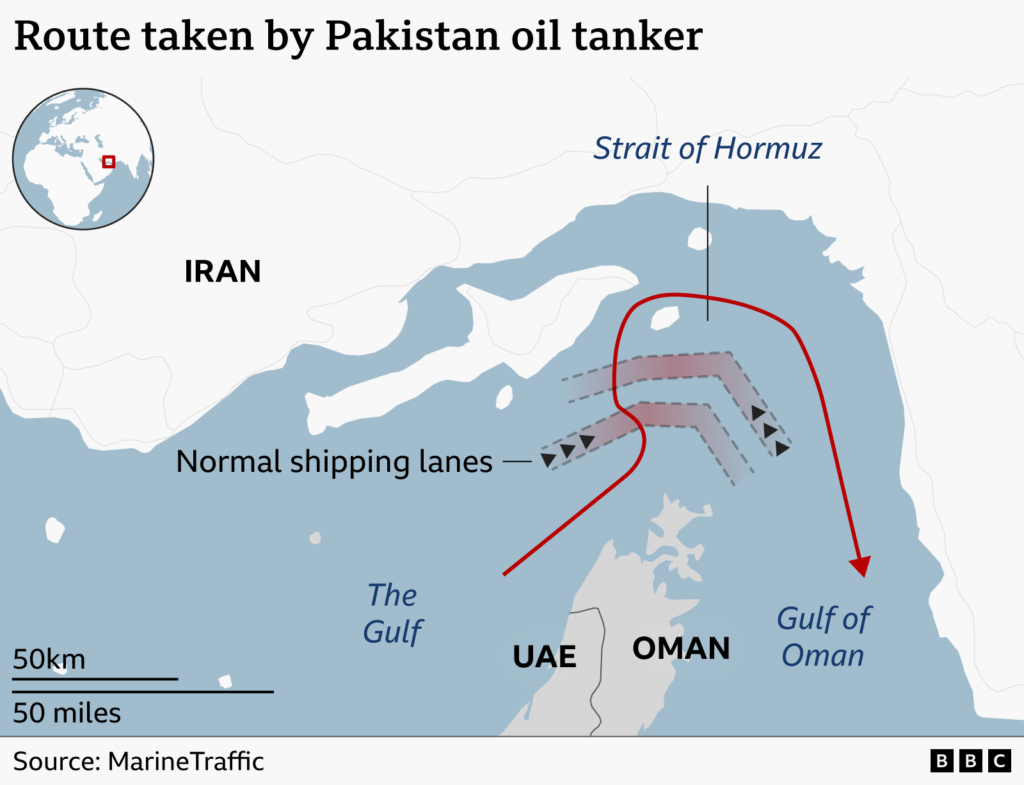
China plays a crucial role in this developing story. As one of the largest importers of oil passing through the Strait of Hormuz, China has a strong interest in maintaining stable and affordable shipping routes. Any tolls imposed by Iran could increase costs for Chinese industries and energy supply chains.
However, China also maintains diplomatic and economic ties with Iran. This creates a complex situation where China may negotiate favorable terms or agreements to offset potential costs. Analysts believe that China’s response could shape how other countries react to Iran’s proposal, making it a key player in the outcome.
How This Could Impact Global Oil Prices and Inflation
One of the biggest concerns surrounding Iran Hormuz shipping tolls is the potential impact on oil prices. Even a small increase in shipping costs can lead to higher fuel prices globally. Since oil is a foundational resource for transportation and manufacturing, this could trigger a chain reaction affecting multiple industries.
Higher oil prices often lead to increased inflation, especially in countries like the United States and across Europe. Consumers may experience rising costs for gasoline, food, and everyday goods. This is why financial markets are reacting cautiously, with energy stocks and shipping companies closely monitoring developments.
What This Means for Global Shipping and Supply Chains
The global shipping industry could face significant changes if these tolls are implemented. Shipping companies may need to adjust routes, renegotiate contracts, or pass additional costs to customers. This could lead to delays and increased expenses across supply chains.
Supply chains are already sensitive due to past disruptions like the pandemic and geopolitical conflicts. Adding new costs in a critical route like the Strait of Hormuz could further strain global logistics. Businesses may need to rethink sourcing strategies or diversify supply routes to reduce risk.
Why This Matters Now for Investors and Global Markets
This situation matters now because it comes at a time when global markets are already dealing with uncertainty. Rising interest rates, geopolitical tensions, and economic slowdowns have made investors cautious. The introduction of new shipping tolls in a key oil route adds another layer of risk.
For investors, this could create both challenges and opportunities. Energy companies may benefit from higher oil prices, while transportation and manufacturing sectors could face pressure. Understanding these dynamics is essential for making informed investment decisions in the current environment.
The Bigger Picture: Geopolitics, Trade, and Future Risks
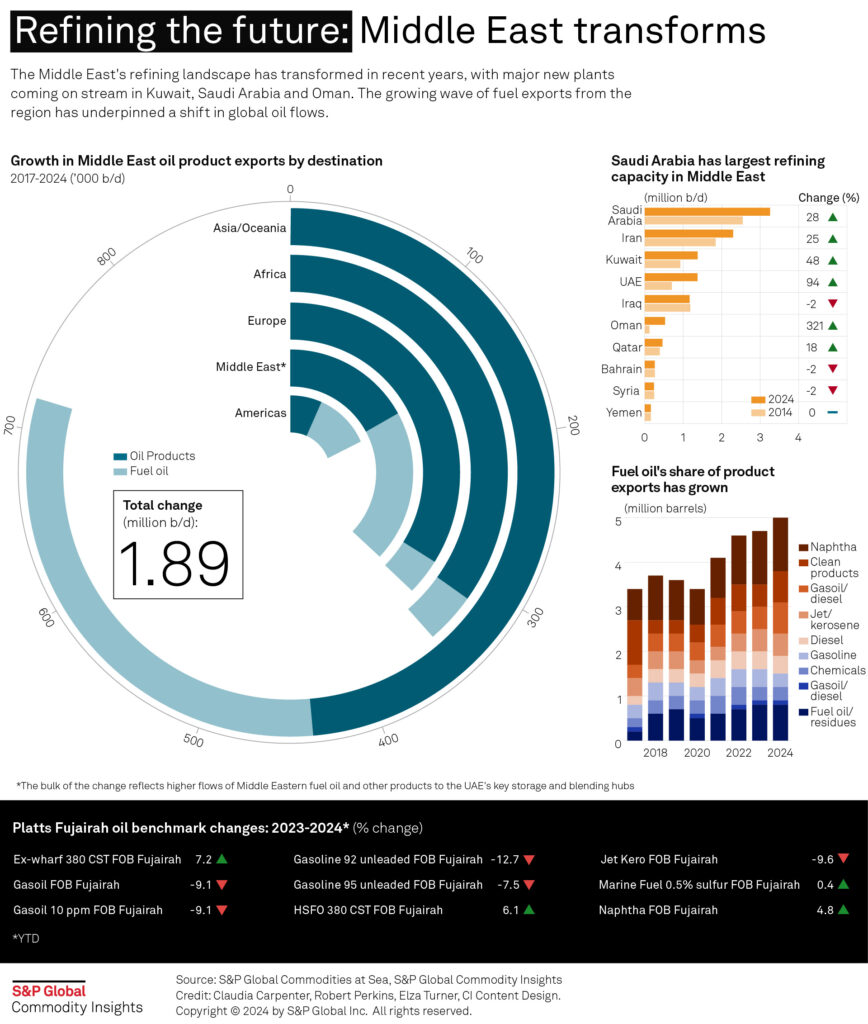
Beyond immediate economic impacts, Iran’s move highlights broader geopolitical tensions. Control over strategic waterways has always been a powerful tool in global politics. By considering shipping tolls, Iran is signaling its willingness to use this leverage more actively.
Looking ahead, the situation could evolve in multiple ways. Diplomatic negotiations may ease tensions, or conflicts could escalate if other nations push back. The outcome will likely influence not just oil markets but also global trade policies and alliances in the coming years.
Final Thoughts: A Critical Moment for Global Trade Stability
Iran Hormuz shipping tolls represent more than just a policy proposal—they are a potential turning point in global trade dynamics. With major economies like China involved and global oil supply at stake, the situation demands close attention.
For readers and investors, staying informed is key. Developments in the Strait of Hormuz can quickly impact markets, prices, and economic stability worldwide. As this story unfolds, it will remain one of the most important issues shaping global trade and energy markets.
Subscribe to trusted news sites like USnewsSphere.com for continuous updates.