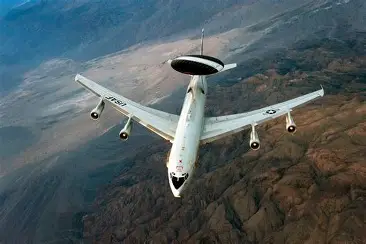
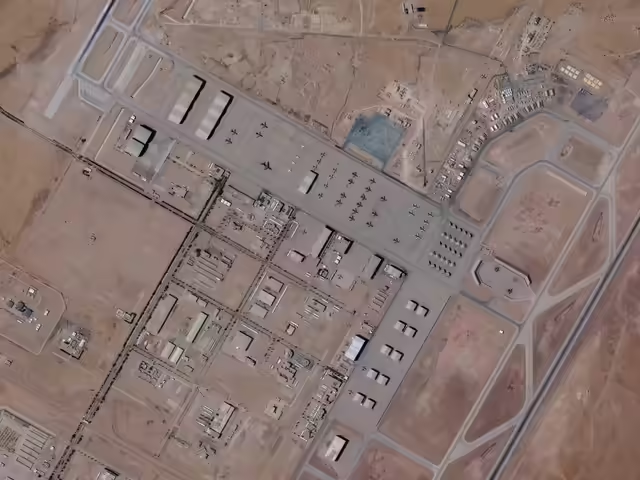
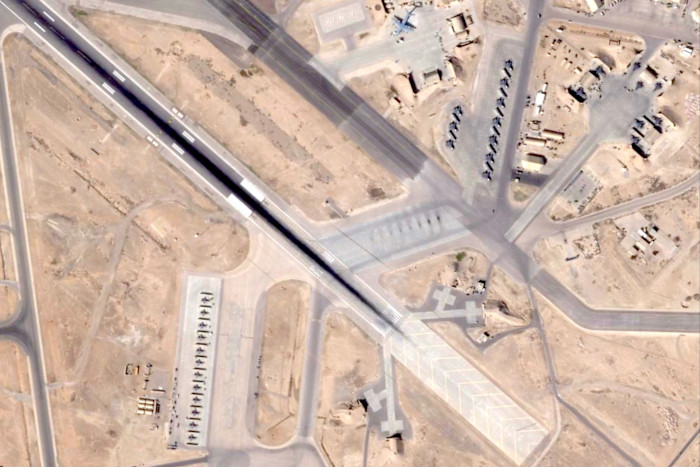
Iran Attack Damages 6+ US Military Aircraft, Including Key AWACS — What This Means for Global Markets and Oil Prices is quickly becoming one of the most discussed geopolitical developments, not just in defense circles but across financial markets worldwide. Recent reports confirm that multiple U.S. military assets, including a highly valuable E-3 AWACS surveillance aircraft and several refueling tankers, were damaged during an Iranian strike on a strategic air base in Saudi Arabia.
This development is not just a military headline—it carries significant implications for global investors, oil traders, and financial markets. Whenever high-value military assets are targeted, it signals rising geopolitical tension, which historically leads to volatility in oil prices, safe-haven assets like gold, and defense sector stocks. For investors and traders, this is not just news—it is a signal.
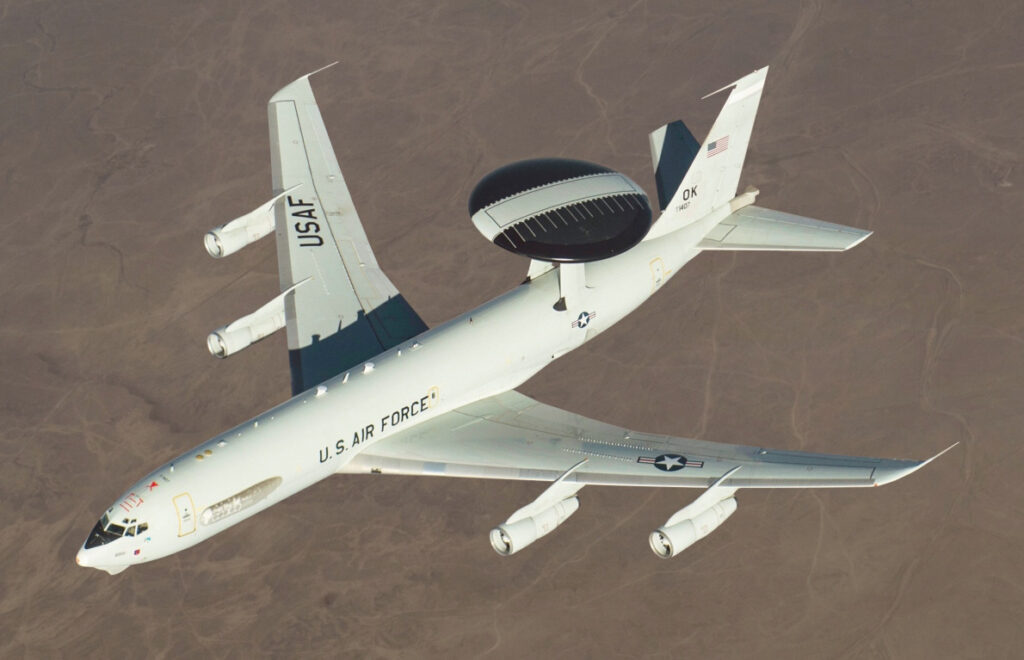
US Military Aircraft: Understanding the Strategic Importance of the Damaged Aircraft
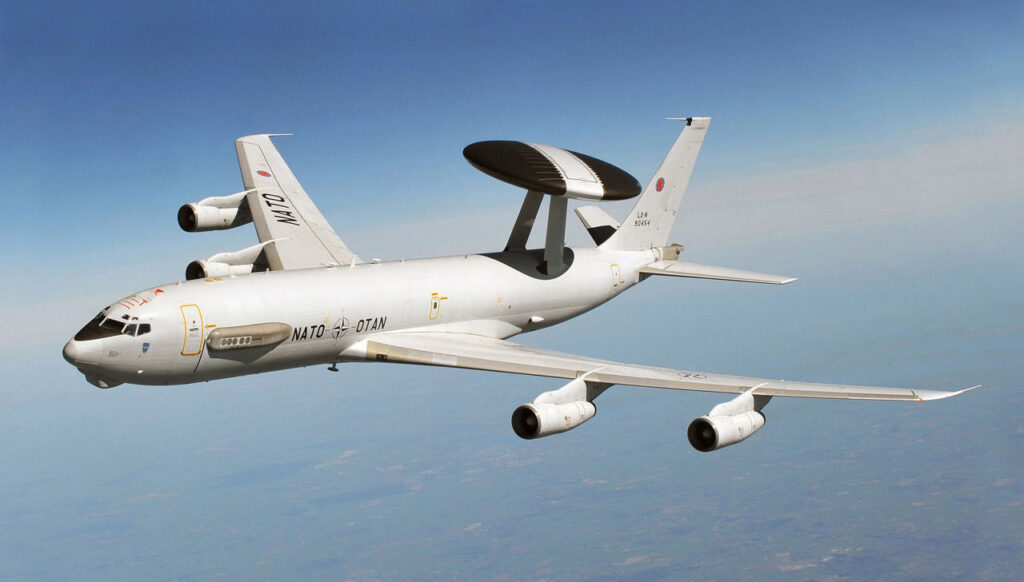
The aircraft involved in this incident is not ordinary military equipment. The E-3 AWACS (Airborne Warning and Control System) plays a critical role in surveillance, radar detection, and battlefield coordination. Losing or damaging such an asset can temporarily impact operational capabilities and increase regional tension.
Alongside the AWACS, reports suggest that multiple KC-135 refueling aircraft were also affected. These tankers are essential for extending the range and endurance of combat aircraft. Damage to such assets indicates a targeted attempt to disrupt logistical and surveillance capabilities rather than just symbolic aggression.
From a financial perspective, this raises concerns about increased defense spending and potential escalation. Historically, when such high-value military systems are hit, governments respond with increased budgets for defense upgrades and replacements, which directly benefits defense contractors and related industries.
Why Global Markets React Immediately to Such Events
Financial markets are highly sensitive to geopolitical instability. The moment news like this breaks, traders begin pricing in risk. The uncertainty surrounding potential retaliation, escalation, or prolonged conflict leads to immediate market reactions.
One of the first sectors to respond is the energy market. Oil prices tend to rise because the Middle East remains a critical region for global oil supply. Any threat to stability in this region increases fears of supply disruptions, even if actual production is not immediately affected.
At the same time, equity markets may experience short-term volatility. Investors often shift funds from riskier assets like growth stocks to safer investments such as gold, U.S. Treasury bonds, and defensive sectors. This shift is not random—it is a calculated move based on historical patterns observed during previous geopolitical conflicts.
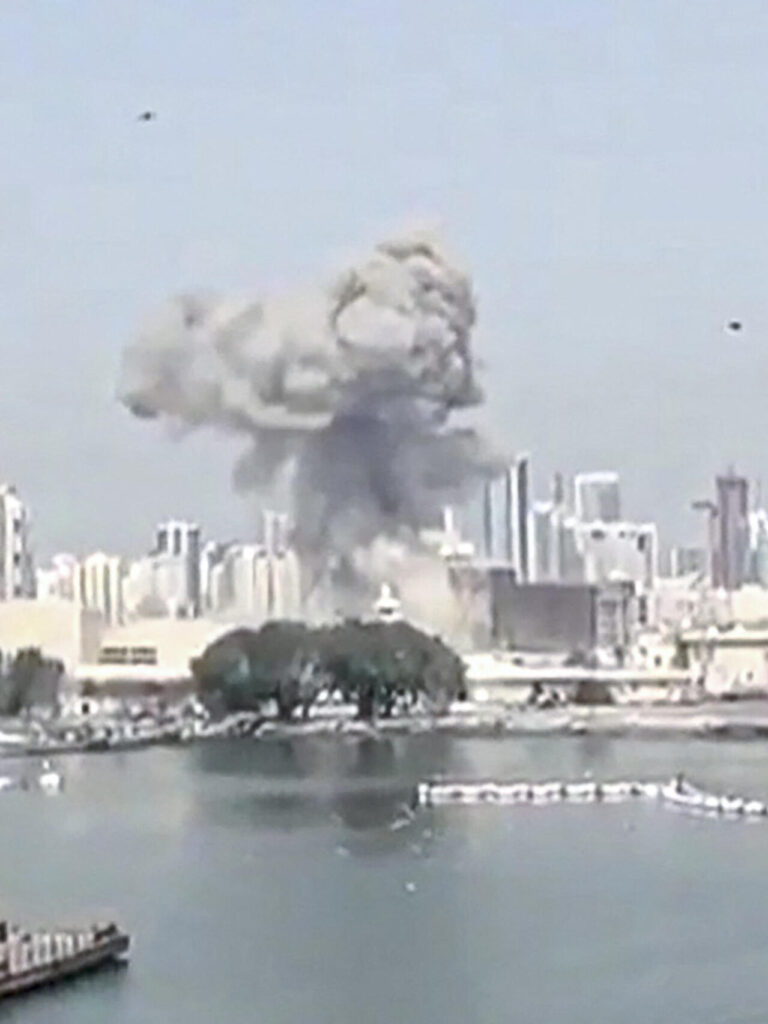
Oil Prices: The Immediate and Long-Term Impact
Oil is the most sensitive asset when it comes to Middle East tensions. Even a small disruption or perceived threat can cause significant price movements. Following this incident, traders are closely watching key oil benchmarks such as Brent crude and WTI.
In the short term, oil prices typically spike due to uncertainty and speculative trading. Traders anticipate possible disruptions in supply routes or production facilities. Even if no actual disruption occurs, the fear itself is enough to drive prices higher.
In the longer term, the impact depends on whether tensions escalate or stabilize. If the situation leads to prolonged conflict or military escalation, oil prices could remain elevated. On the other hand, if diplomatic efforts succeed in reducing tensions, prices may stabilize but remain volatile.
For investors, this creates both risk and opportunity. Energy stocks, oil ETFs, and commodities trading become key areas of focus during such periods.
Defense Stocks and Investment Opportunities Emerging from the Crisis
One of the most consistent patterns in geopolitical conflicts is the rise of defense stocks. When military assets are damaged or conflicts escalate, governments increase spending on defense systems, technology, and infrastructure.
Companies involved in aircraft manufacturing, surveillance systems, missile defense, and logistics often see increased demand. This leads to higher revenues and, in many cases, rising stock prices.
Investors who understand this pattern often position themselves early. Instead of reacting after markets move, they anticipate which sectors will benefit from increased spending. This includes defense contractors, cybersecurity firms, and even satellite technology companies.
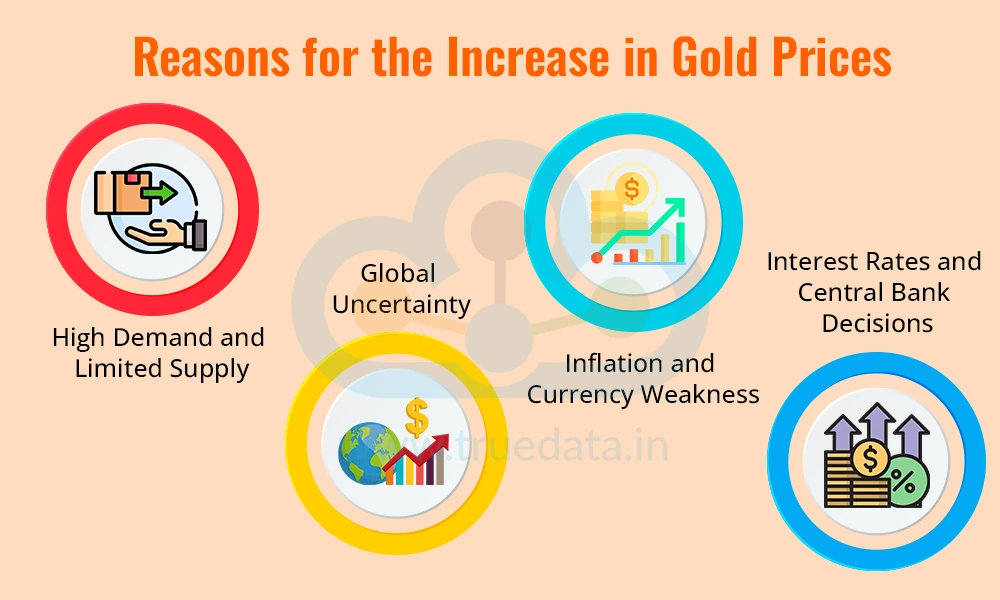
Additionally, commodities like gold often act as safe-haven assets. During times of uncertainty, investors move capital into gold to preserve value, leading to price increases.
Risks, Uncertainty, and What Could Happen Next
While there are opportunities, there are also significant risks. Geopolitical events are unpredictable, and market reactions can change rapidly based on new developments. A single diplomatic statement or military response can shift market sentiment within hours.
One of the key risks is escalation. If the situation intensifies into a broader conflict, global markets could experience sustained volatility. This would impact not only the oil and defense sectors but also global trade, currency markets, and investor confidence.
Another risk is misinformation or evolving reports. Early data in such incidents is often incomplete or subject to change. Investors must rely on verified information and avoid making decisions based solely on speculation.
At the same time, central banks and governments may intervene to stabilize markets if volatility increases significantly. This adds another layer of complexity to how markets respond over time.
Market Outlook: What Smart Investors Are Watching Now
Smart investors are not just reacting—they are analyzing patterns. They are watching oil price trends, defense sector movements, and safe-haven asset flows. They are also monitoring geopolitical developments closely to anticipate the next move.
Key indicators include:
- Oil price resistance levels and breakout patterns
- Defense stock performance relative to the broader market
- Gold price movements as a measure of market fear
- Currency fluctuations, especially in oil-dependent economies
The current situation presents a classic example of how geopolitics and financial markets are deeply interconnected. Investors who understand this relationship are better positioned to navigate uncertainty and identify opportunities.

Why This Event Matters Beyond Headlines
The damage to 6+ US military aircraft, including a critical AWACS system, is more than just a military development—it is a signal that global markets cannot ignore. It highlights how quickly geopolitical tensions can influence financial systems, from oil prices to stock markets.
For investors, the key takeaway is awareness and preparation. Events like this do not just create risk—they create opportunity for those who understand market behavior. By staying informed and analyzing trends, investors can make smarter decisions even in uncertain times.
Subscribe to trusted news sites like USnewsSphere.com for continuous updates.