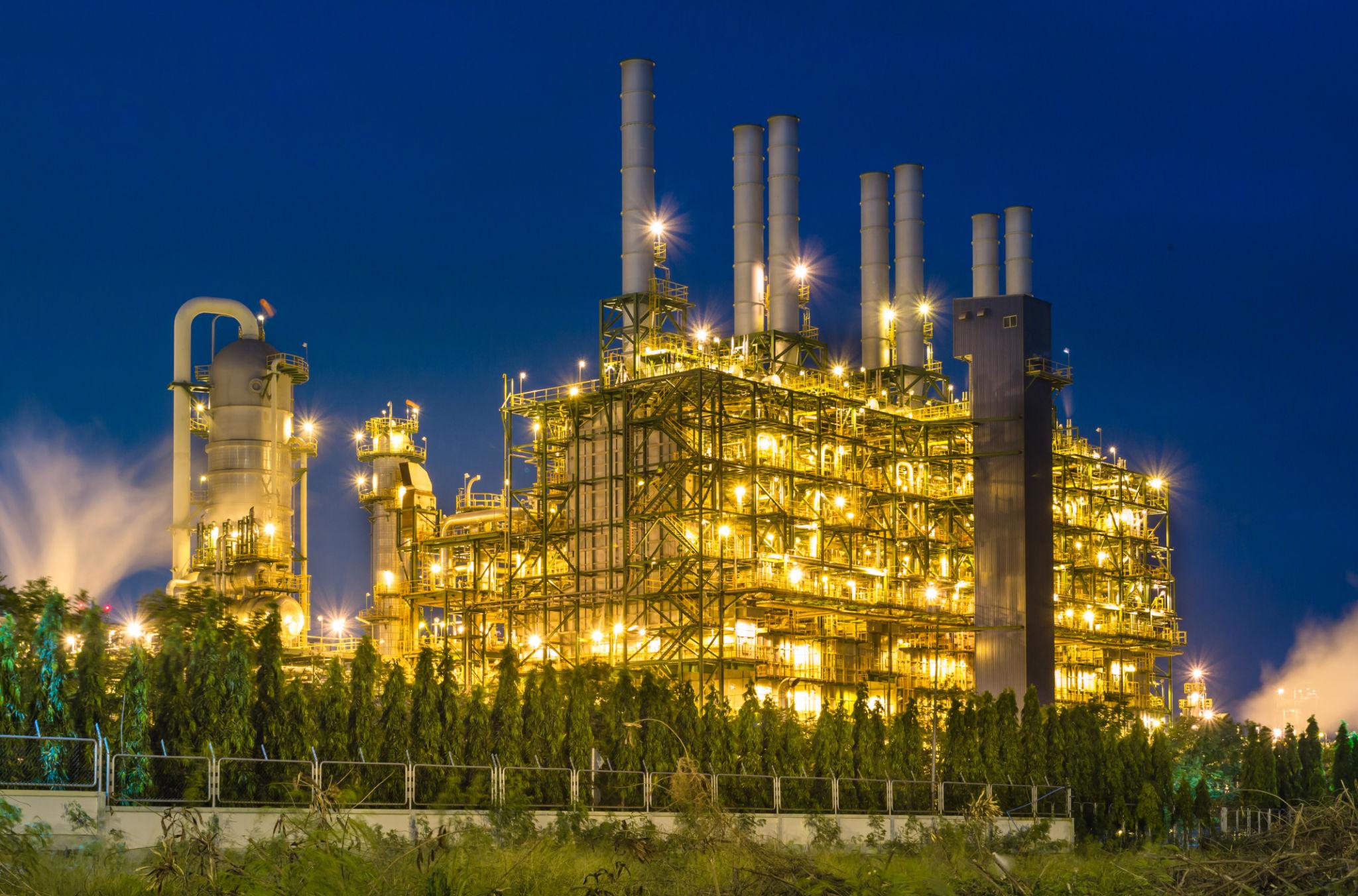
Hidden Costs of Global Conflicts: How Rising Plastic Prices Could Hit US Consumers Next is quickly becoming one of the most important yet overlooked economic stories of 2026. While headlines often focus on oil prices and stock market swings, a quieter but equally powerful trend is unfolding—plastic prices are rising sharply due to global conflicts, supply disruptions, and energy market volatility.
From food packaging to electronics, automobiles, and healthcare products, plastics are embedded in nearly every part of modern life. As the cost of producing these materials increases, US consumers may soon feel the impact through higher prices on everyday goods. What makes this situation even more significant is that it’s happening behind the scenes, making it less visible—but potentially more widespread—than traditional inflation signals.

Why Global Conflicts Are Driving Plastic Prices Higher
Plastic production is deeply tied to the oil and gas industry. Most plastics are made from petrochemicals, meaning that any disruption in energy markets directly affects production costs. In 2026, geopolitical tensions and supply chain disruptions have pushed oil prices into a volatile range, increasing uncertainty for manufacturers.
Recent developments have shown that even temporary disruptions in major oil supply routes can trigger a ripple effect across industries. When oil prices rise, the cost of raw materials used to produce plastics also increases. Manufacturers then face higher input costs, which they often pass on to businesses and, ultimately, consumers.

Additionally, production challenges such as force majeure declarations by major chemical companies have tightened supply further. This combination of rising costs and limited availability is creating upward pressure on plastic prices globally.
How Rising Plastic Costs Affect Everyday Products in the US
For US consumers, the impact of rising plastic prices may not be immediately obvious, but it is widespread. Plastic is used in packaging for food, beverages, and household goods. As production costs increase, companies are forced to adjust pricing strategies to maintain margins.

This means that everyday items—from grocery products to personal care goods—could become more expensive. Even industries like healthcare and electronics, which rely heavily on plastic components, may pass increased costs down the supply chain.

Another factor is packaging. Companies that depend on plastic for packaging materials are facing higher costs, which can lead to price increases or reduced product sizes—a trend often referred to as “shrinkflation.”

The Connection Between Oil Markets and Plastic Inflation
The relationship between oil prices and plastic costs is direct and significant. When oil prices rise due to global conflicts, the cost of producing petrochemicals increases. This creates a chain reaction that affects multiple industries.

In 2026, oil markets experienced sharp fluctuations due to geopolitical tensions. These movements are not just impacting fuel prices—they are influencing the cost structure of manufacturing across the economy.

For inflation, this creates a secondary wave of price increases. While energy costs are often the first to rise, materials like plastics follow closely behind, contributing to broader inflation pressures.

Market Impact: Industries Most Affected by Plastic Price Surges
Several industries are particularly vulnerable to rising plastic prices. The automotive sector relies heavily on plastic components for lightweight construction and fuel efficiency. Higher material costs can increase production expenses and vehicle prices.

The electronics industry is another major user of plastics, from device casings to internal components. As costs rise, manufacturers may adjust pricing or delay product launches.

Packaging and consumer goods companies are also significantly affected. Since plastic is a core material for packaging, any price increase directly impacts operating costs. This sector is likely to pass those costs on to consumers more quickly than others.

Risks, Supply Chain Challenges, and Business Response
The biggest risk associated with rising plastic prices is supply chain instability. When costs fluctuate rapidly, businesses struggle to plan production and pricing strategies effectively. This uncertainty can lead to delays, reduced output, and increased costs.
To address these challenges, many companies are exploring alternatives such as recycled materials or biodegradable options. While these solutions offer long-term benefits, they often require significant investment and are not yet scalable across all industries.
Another response is supply chain diversification. Companies are seeking to source materials from multiple regions to reduce dependence on any single supplier. This strategy helps mitigate risk but can increase logistical complexity.
Future Outlook: Will Plastic Prices Continue to Rise?
Looking ahead, the trajectory of plastic prices will largely depend on global energy markets and geopolitical stability. If oil prices remain volatile, plastic costs are likely to stay elevated.
However, there are also long-term trends that could reshape the market. Increased focus on sustainability and regulatory changes may accelerate the shift toward alternative materials. Technological advancements could also improve production efficiency, helping to offset some cost pressures.
For consumers, the key takeaway is that price fluctuations in everyday goods may continue. Understanding the underlying causes can help individuals make more informed purchasing decisions.
Conclusion: The Hidden Inflation Consumers Can’t Ignore
The rise in plastic prices is a clear example of how global conflicts can create hidden economic impacts that extend far beyond headlines. While oil prices and stock markets capture immediate attention, the cost of materials like plastics quietly influences nearly every aspect of daily life.
For US consumers, this means preparing for potential price increases across a wide range of products. For businesses, it highlights the importance of adaptability and innovation in navigating uncertain markets.
As the global economy continues to evolve, staying informed about these hidden trends will be essential. Those who understand the connections between energy, materials, and consumer prices will be better equipped to manage the challenges ahead.
Subscribe to trusted news sites like USnewsSphere.com for continuous updates.