
Allbirds Sold for Just $39 Million — What This Collapse Teaches Investors About Startup Valuations is one of the most shocking business stories of 2026, highlighting how quickly a once high-flying startup can lose nearly all of its value. Once valued at over $1 billion and celebrated as a leader in sustainable fashion, Allbirds has now been acquired for a fraction of its former worth—sending a strong warning across the global startup ecosystem.

This dramatic fall is not just about one company. It reflects bigger changes in how investors evaluate startups, especially in a post-zero-interest-rate world where profitability, cash flow, and efficiency matter more than hype and rapid growth. For investors in the US and globally, this is a defining moment that could reshape how future unicorns are built and valued.

The Rise and Fall of Allbirds: From Billion-Dollar Darling to Fire Sale
Allbirds began as a Silicon Valley success story, gaining massive popularity for its eco-friendly sneakers made from natural materials like wool and eucalyptus fibers. The brand positioned itself at the intersection of sustainability and premium lifestyle, attracting both consumers and investors.
At its peak, Allbirds achieved a valuation exceeding $1 billion and went public with strong expectations of long-term growth. Early investors believed the company could disrupt the global footwear market, competing with industry giants by appealing to environmentally conscious consumers.
However, the reality turned out differently. Slowing sales growth, rising costs, and increasing competition began to erode margins. Over time, investor confidence weakened, and the company struggled to justify its high valuation. The eventual sale for around $39 million marks a staggering decline and underscores how quickly market sentiment can change.
Why Allbirds Collapsed: Key Business and Market Failures
The collapse of Allbirds cannot be attributed to a single factor—it was the result of multiple structural challenges that compounded over time. One major issue was overexpansion without sustainable profitability. The company invested heavily in retail stores, marketing, and product diversification, but failed to generate consistent profits.
Another critical factor was intensifying competition. Major brands like Nike and Adidas quickly introduced their own sustainable product lines, leveraging their scale, distribution networks, and brand recognition. This made it difficult for Allbirds to maintain its unique positioning.
Additionally, shifting consumer behavior played a role. As inflation rose and economic uncertainty increased, many consumers prioritized affordability over premium sustainable products. This shift directly impacted Allbirds’ core customer base, leading to declining demand.
The Bigger Lesson: How Startup Valuations Became Overinflated
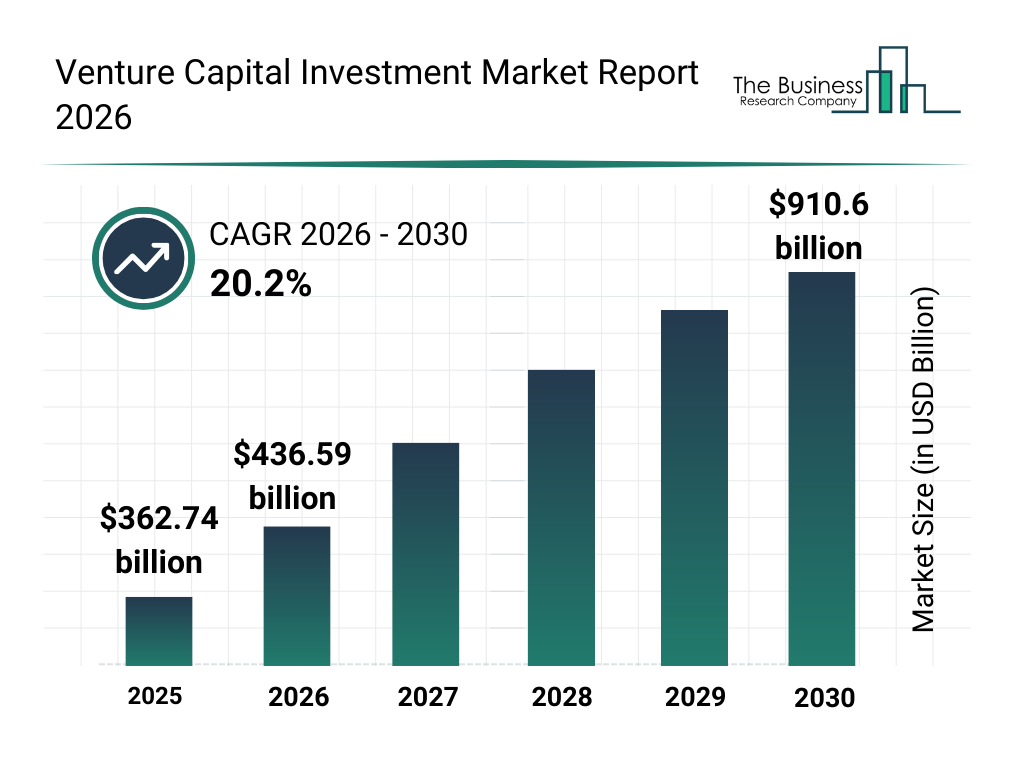
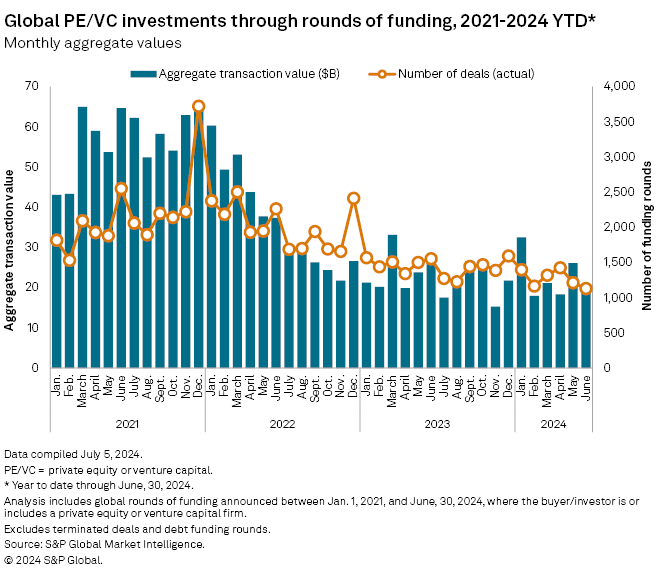
The Allbirds story reflects a broader trend that dominated the startup world over the past decade: valuation inflation driven by cheap capital. During periods of low interest rates, investors were willing to fund growth at any cost, prioritizing market share over profitability.
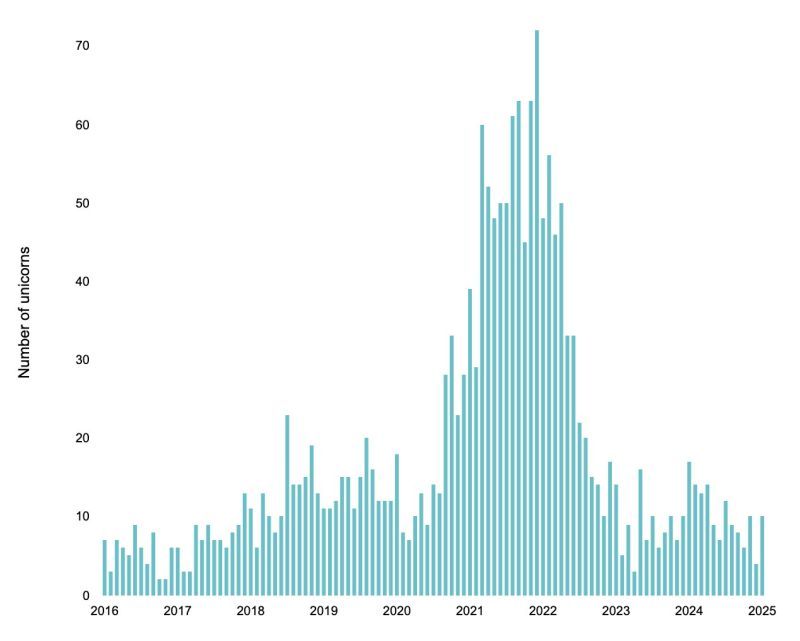
Startups were rewarded for scaling quickly, even if it meant burning cash. Metrics like user growth and revenue expansion often overshadow fundamentals such as margins and cash flow. This environment created a wave of “unicorns” with valuations that were not always supported by sustainable business models.
As interest rates rose and capital became more expensive, investors began to reassess these valuations. Companies that failed to demonstrate clear paths to profitability saw sharp corrections. Allbirds is one of the most visible examples of this shift.
What This Means for Investors in 2026 and Beyond
For investors, the Allbirds collapse serves as a powerful reminder to focus on fundamentals rather than hype. Valuation alone is not a guarantee of long-term success. Instead, factors like profitability, unit economics, and competitive advantage should be at the center of any investment decision.
This shift is already influencing how venture capital firms allocate funding. There is a growing emphasis on sustainable growth, disciplined spending, and clear monetization strategies. Startups that cannot demonstrate these qualities are finding it increasingly difficult to raise capital.
Public market investors are also becoming more selective. Companies with strong balance sheets and predictable cash flows are being rewarded, while those with uncertain growth prospects are facing increased scrutiny.
Industry Impact: The Future of Consumer Brands and DTC Startups
The decline of Allbirds has broader implications for direct-to-consumer (DTC) brands and the retail industry. Many startups that relied heavily on online marketing and premium branding are now facing similar challenges, including rising customer acquisition costs and lower margins.
At the same time, established companies are adapting quickly, incorporating sustainability into their product lines while maintaining cost efficiency. This creates a more competitive environment where smaller brands must work harder to differentiate themselves.
Looking ahead, the future of consumer startups will likely depend on their ability to balance innovation with operational efficiency. Brands that can deliver value while maintaining strong financial discipline are more likely to succeed in this new landscape.
Market Outlook, Risks, and Opportunities Ahead
The correction in startup valuations is not necessarily a negative development—it can lead to a healthier and more sustainable ecosystem. Lower valuations may create opportunities for investors to enter high-quality companies at more reasonable prices.
However, risks remain. Economic uncertainty, changing consumer preferences, and evolving competitive dynamics could continue to impact the performance of both startups and established companies. Investors must remain cautious and conduct thorough due diligence.
Opportunities will exist in sectors that combine innovation with strong fundamentals, such as technology, healthcare, and energy. Companies that can demonstrate resilience and adaptability are likely to attract long-term investment.
A Wake-Up Call for the Startup Economy
The sale of Allbirds for just $39 million is more than a headline—it is a wake-up call for the entire startup ecosystem. It highlights the dangers of overvaluation, the importance of financial discipline, and the need for realistic growth expectations.
For investors, entrepreneurs, and market participants, this moment offers valuable lessons that will shape the future of business and investment strategies. Understanding these lessons can help avoid similar pitfalls and identify opportunities in a rapidly changing economic environment.
As the market continues to evolve, staying informed and adapting to new realities will be essential for success.
Subscribe to trusted news sites like USnewsSphere.com for continuous updates.