
Interest Rate Uncertainty Is Back—Here’s How It Could Impact Your Investments This Year is becoming one of the most critical financial topics in 2026 as investors across the United States face a rapidly shifting economic environment. With central banks adjusting policies in response to inflation trends, economic growth concerns, and global pressures, interest rates are no longer predictable—and that uncertainty is directly impacting stocks, bonds, real estate, and everyday financial decisions.
For investors, this is not just a macroeconomic headline. Interest rate movements influence borrowing costs, asset valuations, and overall market sentiment. Understanding how these changes affect your investments is essential for protecting capital and identifying new opportunities.
Why Interest Rate Uncertainty Has Returned in 2026
After a period of aggressive rate hikes and stabilization efforts, uncertainty has returned due to mixed economic signals. Inflation has not fully stabilized, and economic growth remains uneven, forcing policymakers to reassess their strategies.
Central banks are now navigating a delicate balance between controlling inflation and supporting economic growth. If rates are kept too high, economic activity may slow down. If they are reduced too quickly, inflation could rise again. This uncertainty creates volatility in financial markets.
For investors, this means that traditional expectations around rate cycles may no longer apply. Instead, markets are reacting more quickly to economic data and policy signals, making it essential to stay informed and adaptable.
How Interest Rates Impact Stocks and Market Valuations
Interest rates play a direct role in determining stock market valuations. When rates rise, borrowing becomes more expensive for companies, which can reduce profitability and slow expansion.
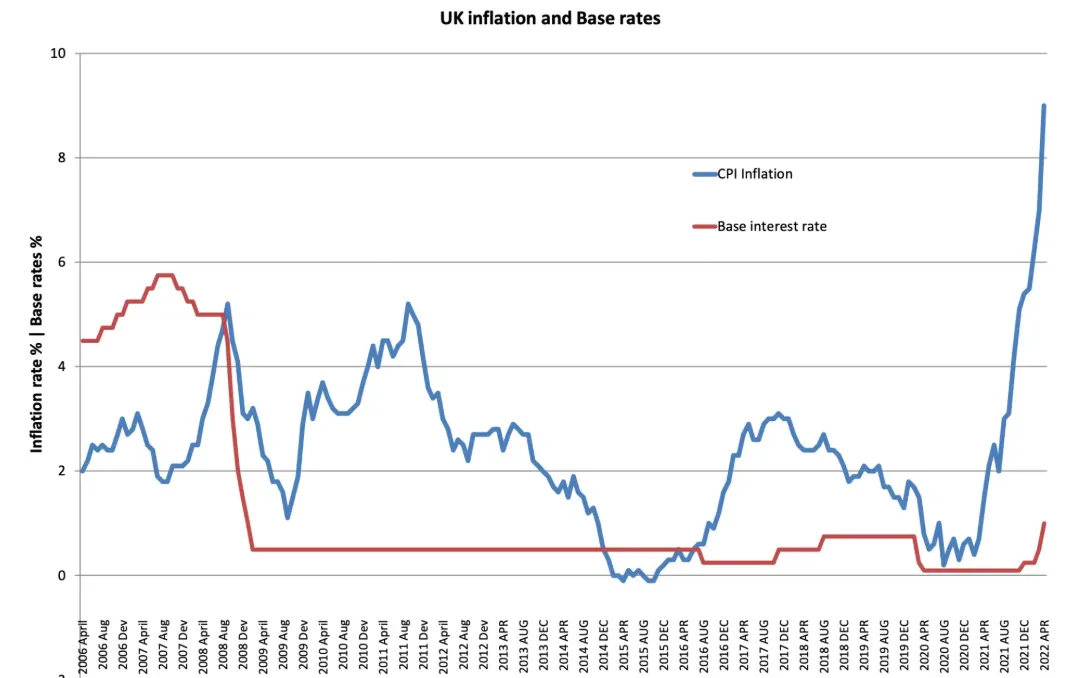
Higher interest rates also affect how investors value future earnings. Growth stocks, particularly in technology sectors, are more sensitive to rate increases because their valuations are based on future cash flows.
Conversely, when rates stabilize or decline, stocks often benefit as borrowing costs decrease and investor confidence improves. Understanding this relationship helps investors anticipate market movements and adjust their strategies accordingly.
The Bond Market and Fixed Income Opportunities
Interest rate uncertainty has a significant impact on bonds and fixed-income investments.

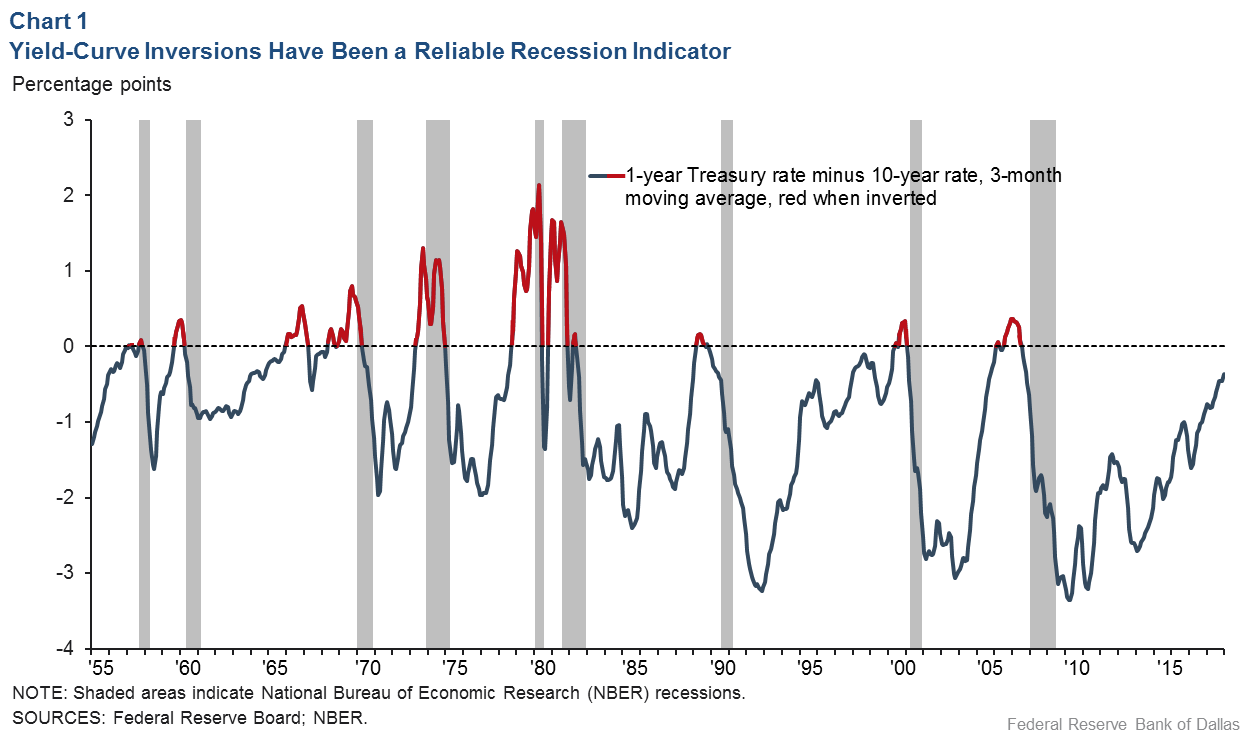
When interest rates rise, existing bond prices typically fall, as newer bonds offer higher yields. This creates challenges for investors holding long-term bonds. However, it also presents opportunities to invest in higher-yielding securities.
In 2026, many investors are shifting toward shorter-duration bonds and diversified fixed-income strategies to manage risk. These approaches provide more flexibility in a changing rate environment.
Fixed-income investments remain an important part of a balanced portfolio, offering stability and predictable income even during periods of market volatility.
Real Estate, Loans, and Consumer Impact
Interest rates have a direct impact on real estate markets and consumer finances.


Higher mortgage rates make home loans more expensive, reducing affordability for buyers and slowing down housing demand. This can lead to price stabilization or declines in certain markets.
For consumers, higher interest rates also affect credit card debt, personal loans, and other forms of borrowing. Increased borrowing costs can reduce disposable income and impact spending patterns.
For investors, real estate strategies may need to adapt. Rental properties, REITs, and alternative real estate investments may offer better opportunities compared to traditional home buying in a high-rate environment.
Investment Strategies for Navigating Rate Uncertainty
In a period of interest rate uncertainty, having a clear investment strategy is essential.


Diversification remains one of the most effective strategies. By spreading investments across different asset classes, investors can reduce risk and maintain stability.
Sector rotation is another important approach. Certain sectors, such as financials and energy, may perform better in rising-rate environments, while others may face challenges.
Investors are also focusing on income-generating assets, such as dividend stocks and bonds, to provide consistent returns regardless of market conditions.
Market Outlook and Risks Investors Should Watch
The outlook for interest rates in 2026 remains uncertain, with multiple factors influencing future decisions.
Economic data, including inflation reports, employment figures, and GDP growth, will continue to guide policy decisions. Global events and geopolitical tensions also shape market expectations.
One of the key risks is increased market volatility. Sudden changes in rate expectations can lead to sharp movements in stocks, bonds, and currencies. Investors must be prepared for these fluctuations.
Despite these challenges, opportunities remain. Investors who stay informed and adapt their strategies can benefit from market shifts and position themselves for long-term growth.
Turning Uncertainty into Opportunity
Interest rate uncertainty in 2026 presents both challenges and opportunities for investors. While changing rates can create volatility, they also open the door to new investment strategies and potential returns.
By understanding how interest rates impact different asset classes, diversifying portfolios, and staying informed about economic trends, investors can navigate uncertainty with confidence.
The key is to remain flexible, disciplined, and focused on long-term goals. In a rapidly changing financial landscape, those who adapt will be best positioned to succeed.
Subscribe to trusted news sites like USnewsSphere.com for continuous updates.