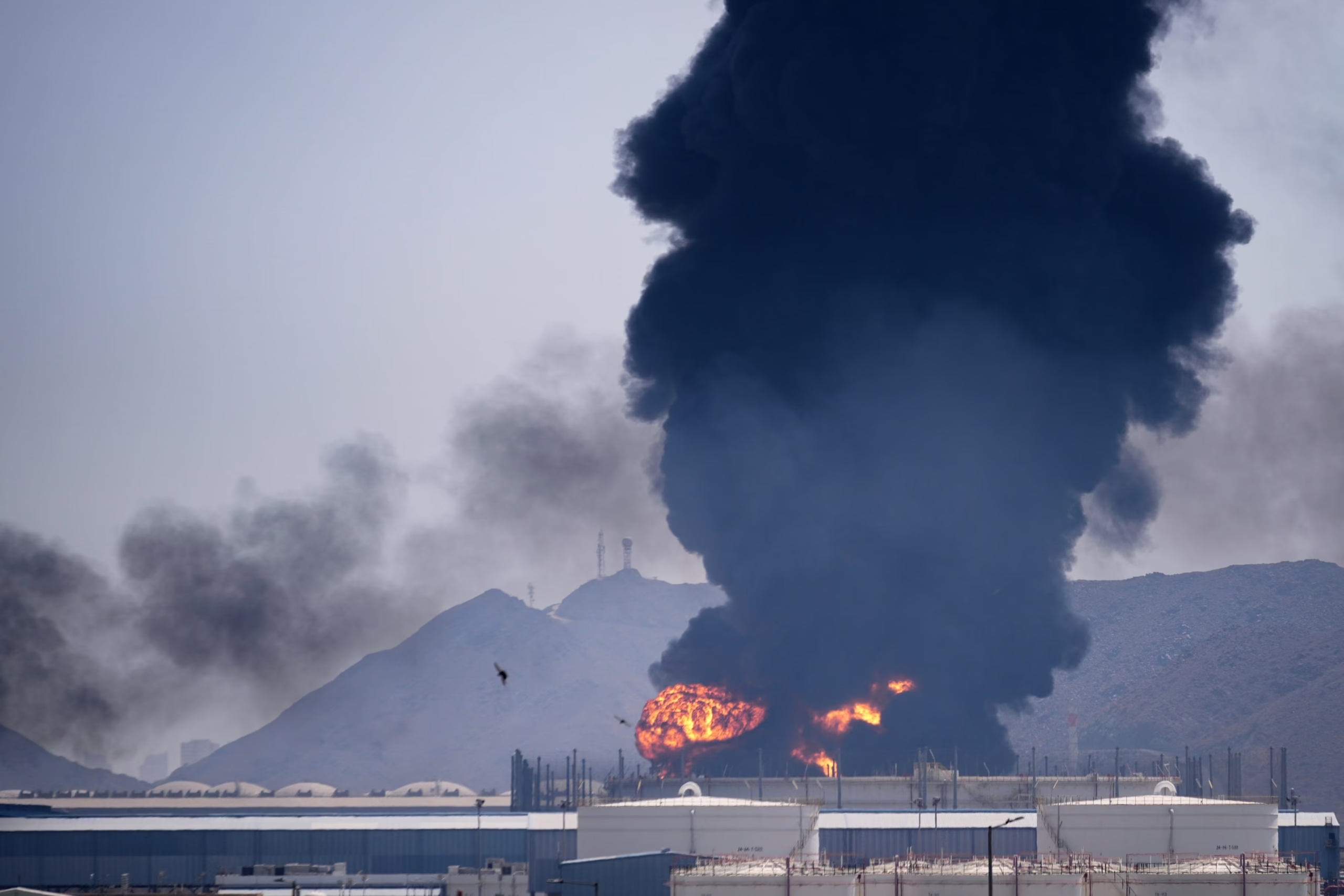
Iran war tensions escalated dramatically this weekend as former U.S. President Donald Trump urged global allies to send naval forces to secure the vital Strait of Hormuz, a strategic oil route threatened by the growing conflict between Iran, Israel, and the United States. The conflict, now entering its third week, has already disrupted global energy markets, triggered missile exchanges across the Middle East, and increased fears of a wider regional war.
The situation intensified after U.S. and Israeli forces struck military targets on Kharg Island, Iran’s primary oil export hub. Iran responded with threats to restrict access to the Strait of Hormuz and warned that further attacks on its energy infrastructure could trigger retaliation across the region. Because nearly 20% of the world’s oil supply flows through this narrow waterway, the crisis is not just regional—it has global economic consequences.
Why this matters now is simple: disruptions in the Strait of Hormuz could push global oil prices higher, threaten shipping routes, and potentially pull more countries into the conflict.
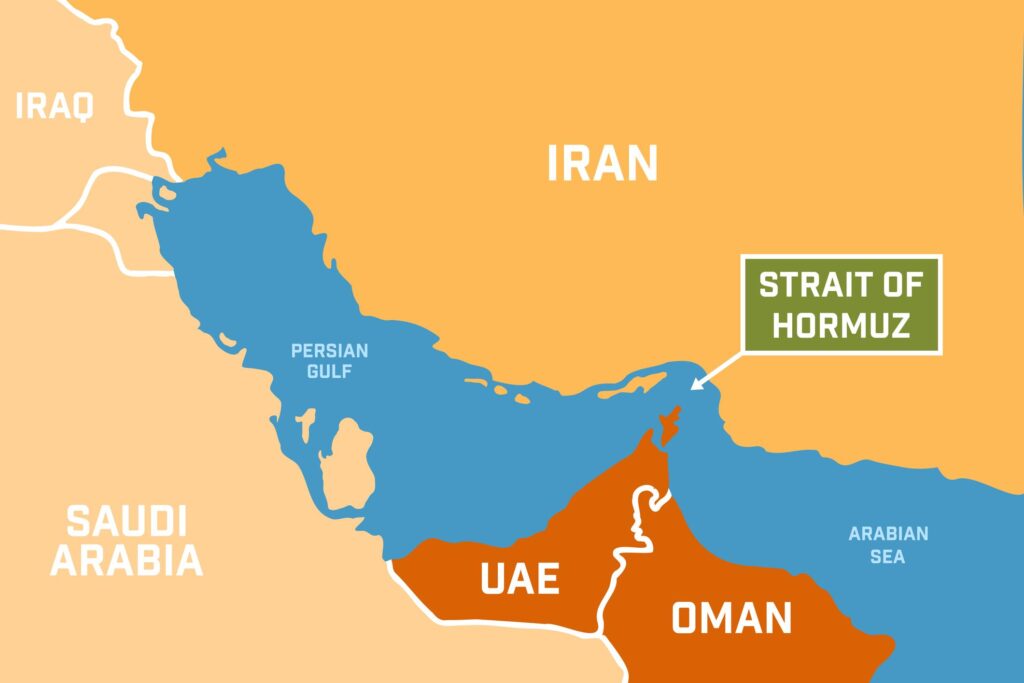
Growing Military Escalation in the Middle East
The current crisis traces back to late February, when coordinated military strikes by the United States and Israel targeted Iranian military infrastructure. These attacks were intended to weaken Iran’s military capabilities and stop missile and drone operations directed toward Israel and U.S. bases in the region.
Since then, the war has intensified rapidly. Reports indicate that missile strikes, drone attacks, and air raids have spread across multiple countries in the Middle East. Iran has launched retaliatory strikes against Israeli targets and has warned Gulf nations that their ports and military bases could become targets if they support Western military operations.
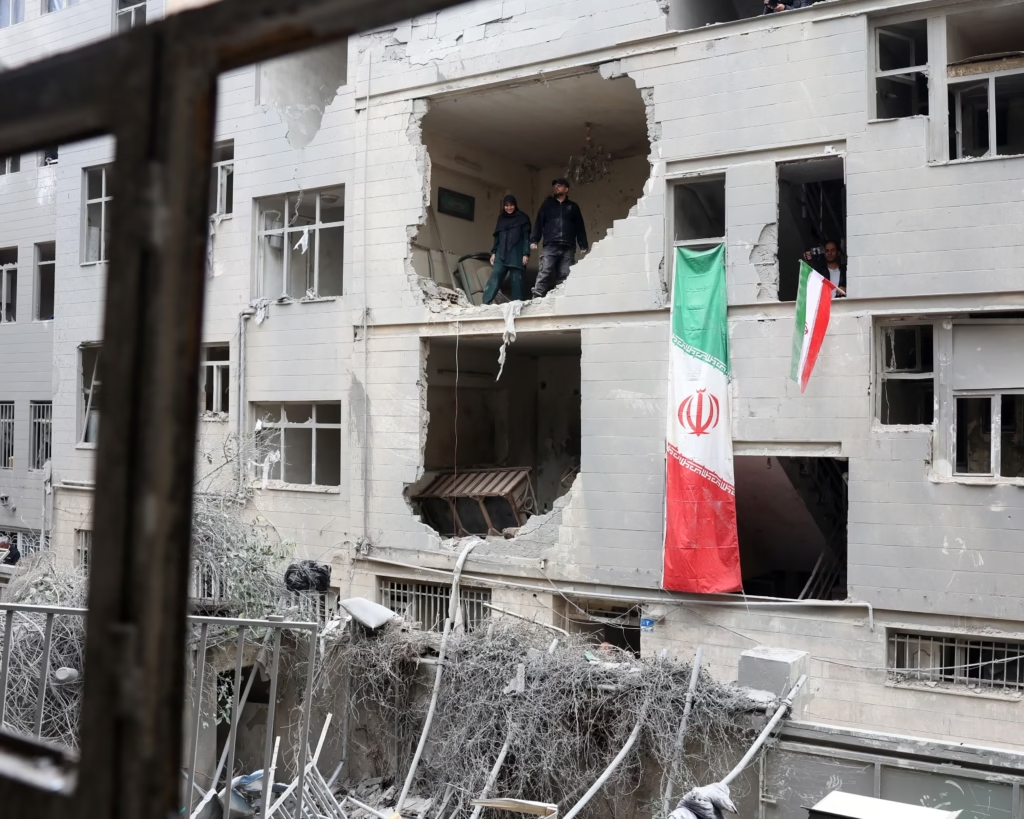
The humanitarian impact is already severe. More than 2,000 people have reportedly been killed since the conflict began, with casualties reported in Iran, Israel, Lebanon, and neighboring states. Cities across the region have experienced air raid sirens, missile interceptions, and damage to civilian infrastructure, demonstrating how quickly the war has expanded beyond its initial targets.
The growing scale of the conflict has also forced several governments to evacuate citizens from the region and raise security alerts for shipping companies operating in Gulf waters.
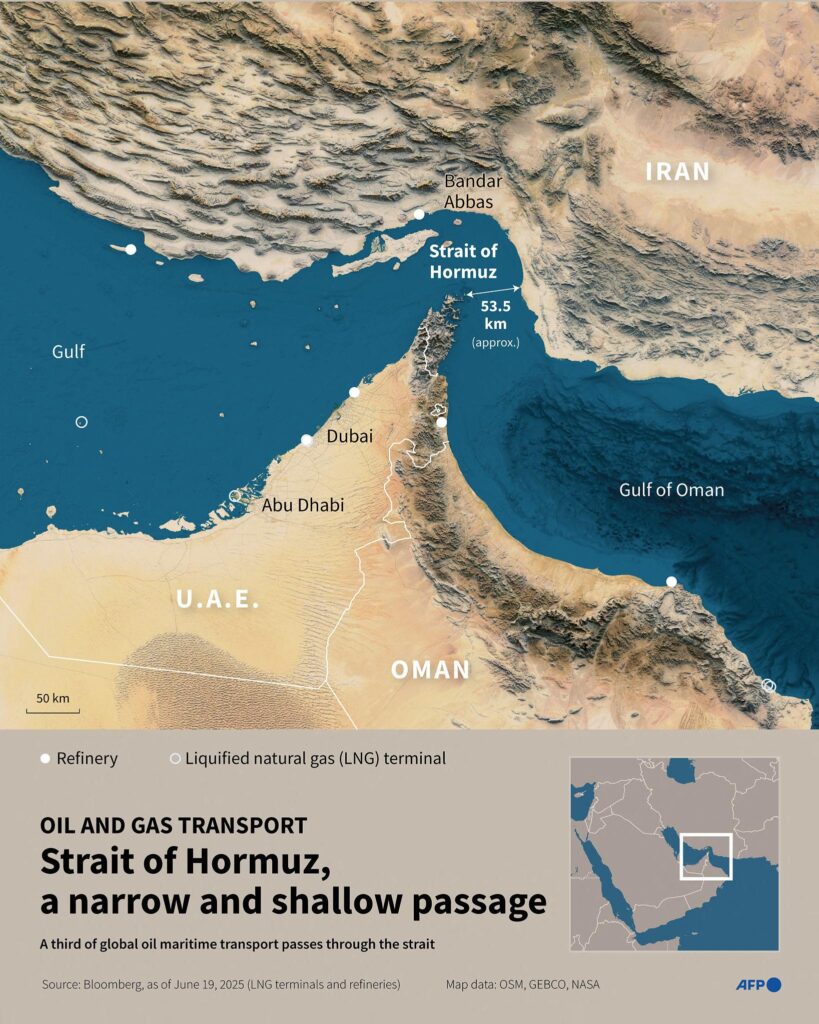
Why the Strait of Hormuz Is the World’s Most Critical Oil Route
The Strait of Hormuz is a narrow waterway located between Iran and Oman that connects the Persian Gulf to the global shipping lanes of the Arabian Sea. Despite being only about 33 kilometers (21 miles) wide at its narrowest point, it serves as one of the most important chokepoints in global energy trade.
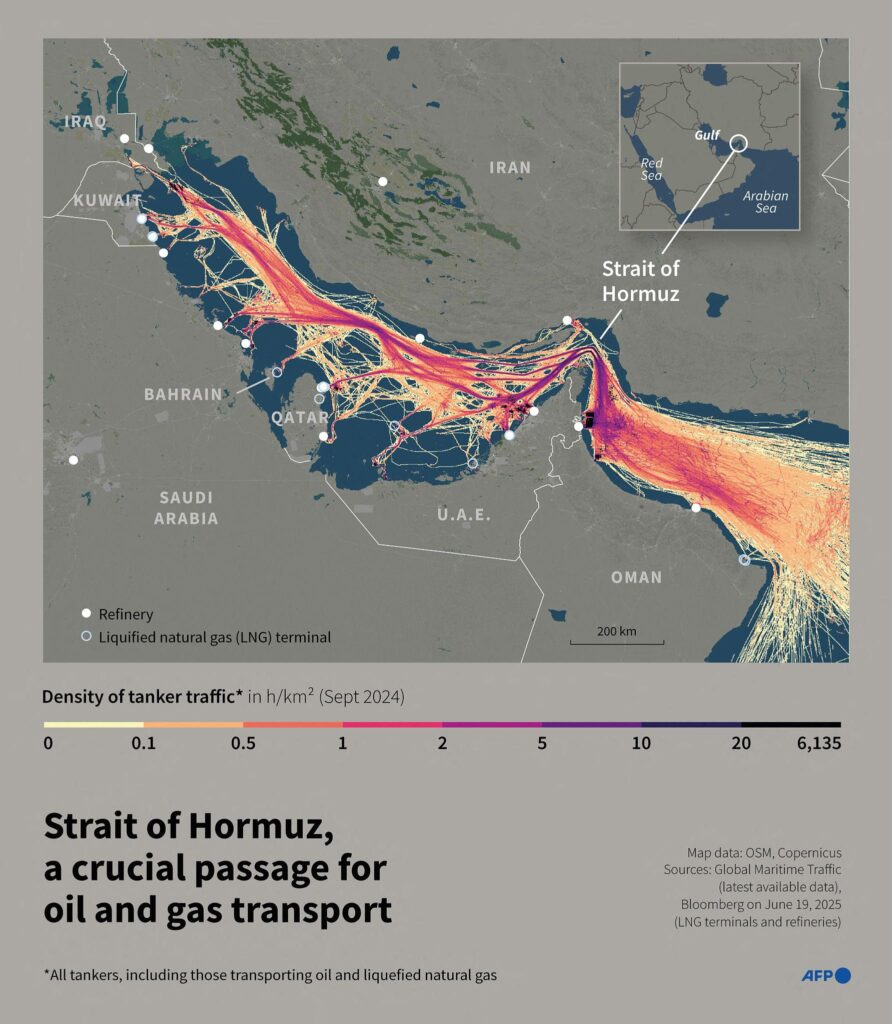
Every day, approximately 20 million barrels of oil and petroleum products pass through this corridor, supplying major economies including the United States, China, Japan, and countries across Europe. If shipping through the strait is blocked or even partially restricted, the global energy market could face severe supply disruptions.
In recent days, several shipping companies have already rerouted vessels away from the Gulf due to security risks. Insurance costs for tankers traveling through the region have surged, and oil prices briefly climbed above $100 per barrel, reflecting growing concerns among investors and governments worldwide.
Because of this economic importance, any military escalation near the Strait of Hormuz immediately sends shockwaves through global markets.
Trump Calls for International Naval Coalition
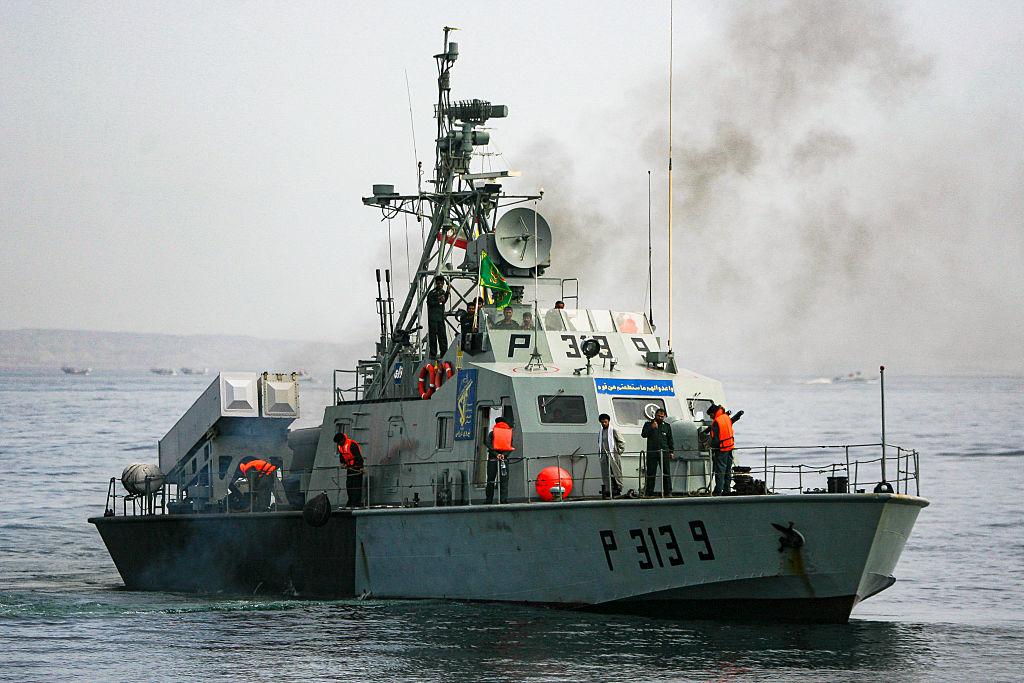
Amid rising tensions, Donald Trump called on several countries—including the United Kingdom, China, Japan, France, and South Korea—to deploy naval forces to protect the shipping lanes near the Strait of Hormuz.
According to U.S. officials, the goal of this proposed coalition is to ensure that oil tankers and commercial ships can continue passing through the region safely. Trump argued that nations dependent on Gulf oil should contribute military resources to protect the route, emphasizing that the stability of the global energy market depends on keeping the waterway open.
However, international responses have been cautious. Some governments are still evaluating the risks of sending warships into an active conflict zone, and no firm commitments have been announced yet.
Diplomatic discussions are ongoing in Europe and Asia as leaders consider how to respond without escalating the situation further.
Kharg Island Strike Raises the Stakes of the Conflict
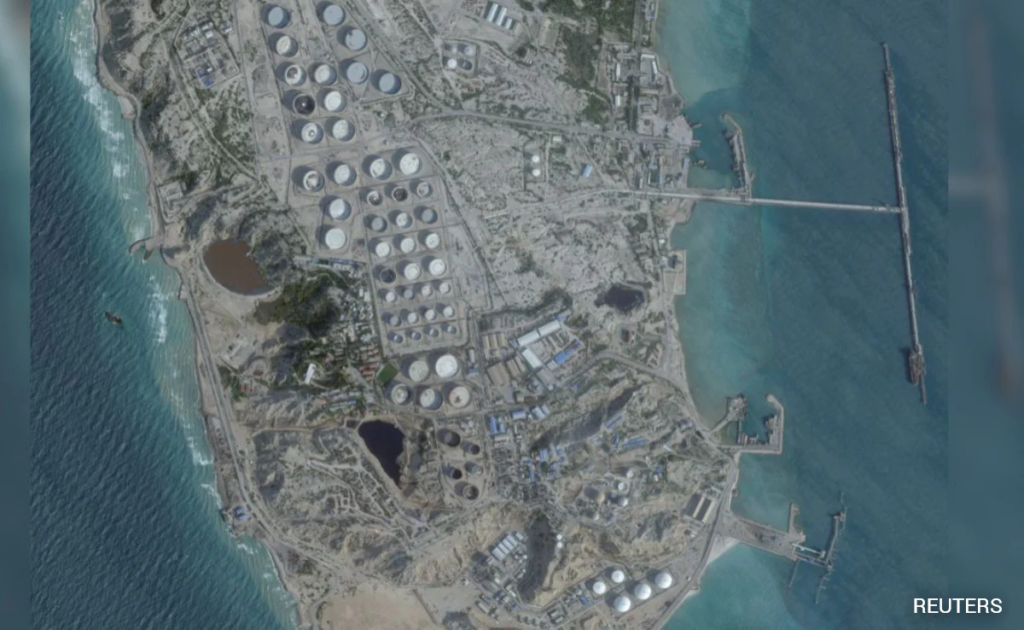
A key turning point in the conflict came when U.S. forces targeted Kharg Island, the center of Iran’s oil export operations. The island handles a large portion of Iran’s petroleum shipments, making it one of the most strategically important energy facilities in the Middle East.
U.S. officials said the strike focused on military infrastructure on the island, but Iran warned that any attack on its energy sector could trigger a broader retaliation. Iranian leaders have suggested that oil facilities belonging to American companies or allies in the region could become targets if the attacks continue.
The strike also intensified concerns about the stability of global energy supplies. Analysts say that prolonged damage to Iran’s oil infrastructure—or additional attacks on regional oil facilities—could create a prolonged shock to global energy markets.
For this reason, energy agencies and governments are preparing contingency plans, including the potential release of emergency oil reserves to stabilize markets if shipping disruptions worsen.
Global Economic and Security Impact
Beyond the military confrontation, the Iran war is already reshaping global economic and security dynamics.
Oil markets have been highly volatile as traders react to the possibility of supply disruptions. Some analysts warn that if the Strait of Hormuz were fully blocked—even temporarily—oil prices could spike dramatically, potentially reaching levels not seen since previous Middle East crises.
The war is also affecting international diplomacy. Several countries are attempting to mediate between Iran and Western powers, while others are strengthening military cooperation to protect shipping routes and regional allies.
Meanwhile, the humanitarian toll continues to rise. Civilian casualties, damaged infrastructure, and mass displacement across parts of the Middle East are raising fears of a long-term regional crisis that could last months or even years if diplomacy fails.
What Could Happen Next in the Iran War
Experts say the coming weeks will be critical in determining whether the conflict escalates into a wider regional war or begins moving toward negotiations.
Several key factors will shape the next phase of the crisis:
- Whether international naval forces are deployed to protect shipping routes
- Whether Iran continues restricting access to the Strait of Hormuz
- The possibility of additional U.S. or Israeli strikes on Iranian infrastructure
- Diplomatic efforts by global powers to push both sides toward negotiations
Energy markets, international diplomacy, and global security are all closely tied to how these events unfold. As tensions remain high, governments around the world are watching the situation closely, aware that any further escalation could have consequences far beyond the Middle East.
Subscribe to trusted news sites like USnewsSphere.com for continuous updates.