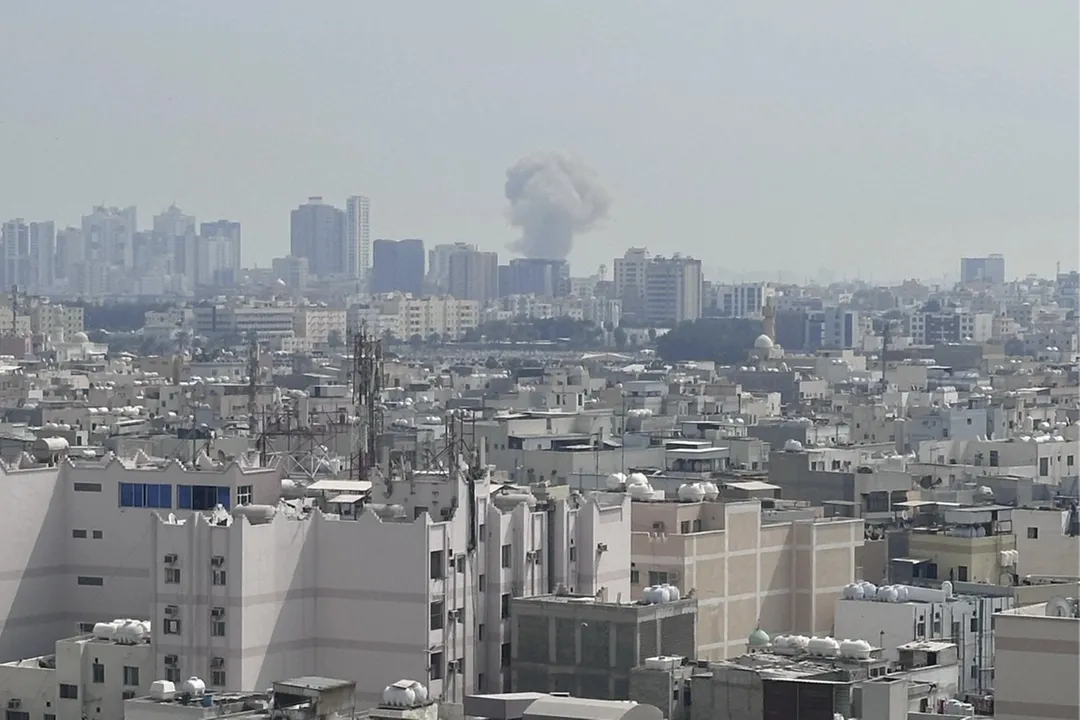
In a stunning and unprecedented escalation of violence, Iran launched a coordinated missile attack against multiple United States military installations in the Gulf region, striking bases in Qatar, Kuwait, the United Arab Emirates and near Bahrain’s Fifth Fleet headquarters, just hours after a combined US-Israeli assault on Iranian territory — an event that signals one of the most serious military confrontations in the region in decades.
This retaliatory campaign — confirmed by both regional governments and independent witnesses — underscores how swiftly tensions between Tehran and Washington have spiraled into outright warfare. Unlike past proxy or militia-led attacks, this operation involved long-range missiles launched by Iran’s Revolutionary Guard directly at U.S. assets, challenging decades of strategic assumptions about deterrence in the Middle East.
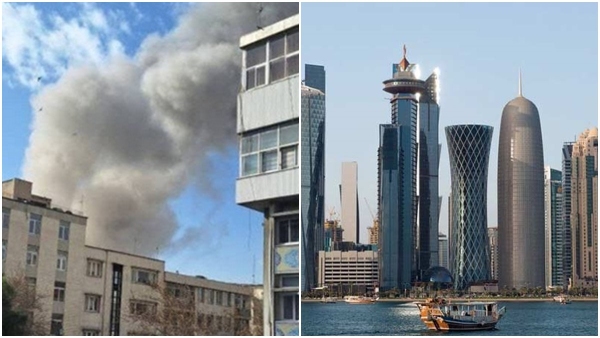
Military experts already believe that this new phase of confrontation will be one of the defining geopolitical crises of 2026, reshaping security policies not just in the Gulf but in Washington, Brussels, and beyond.
The Retaliation That Changed the Middle Eastern Battlefield
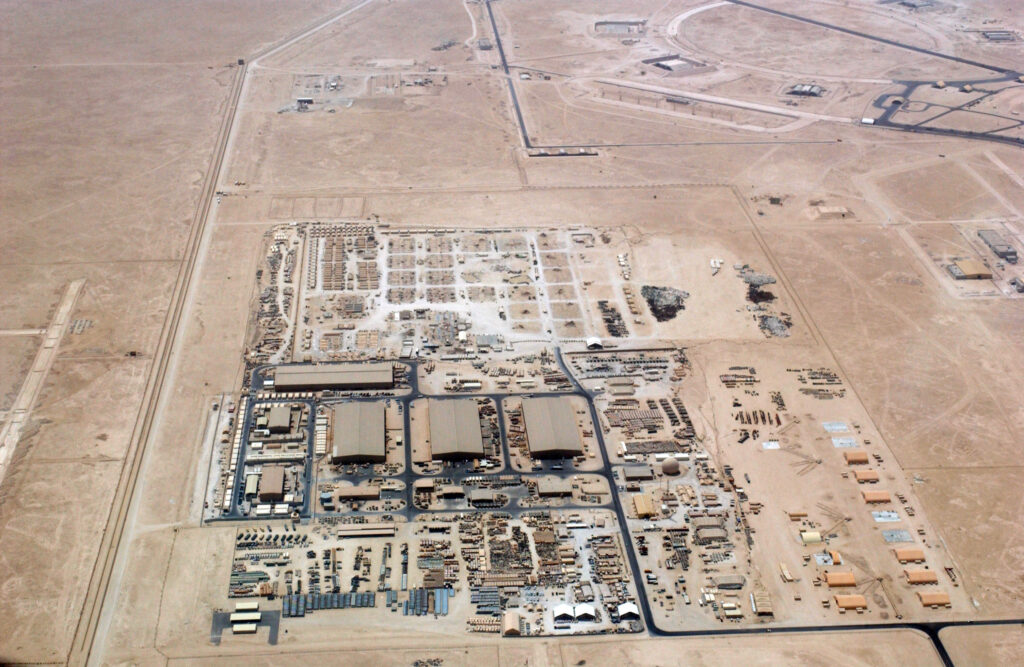
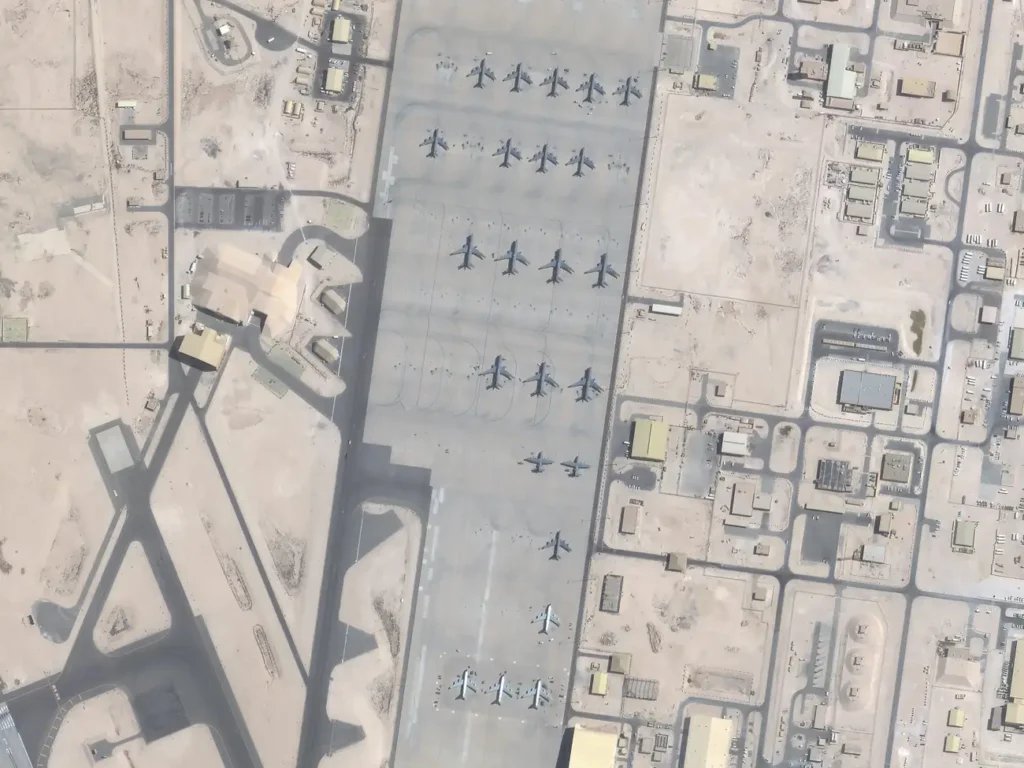
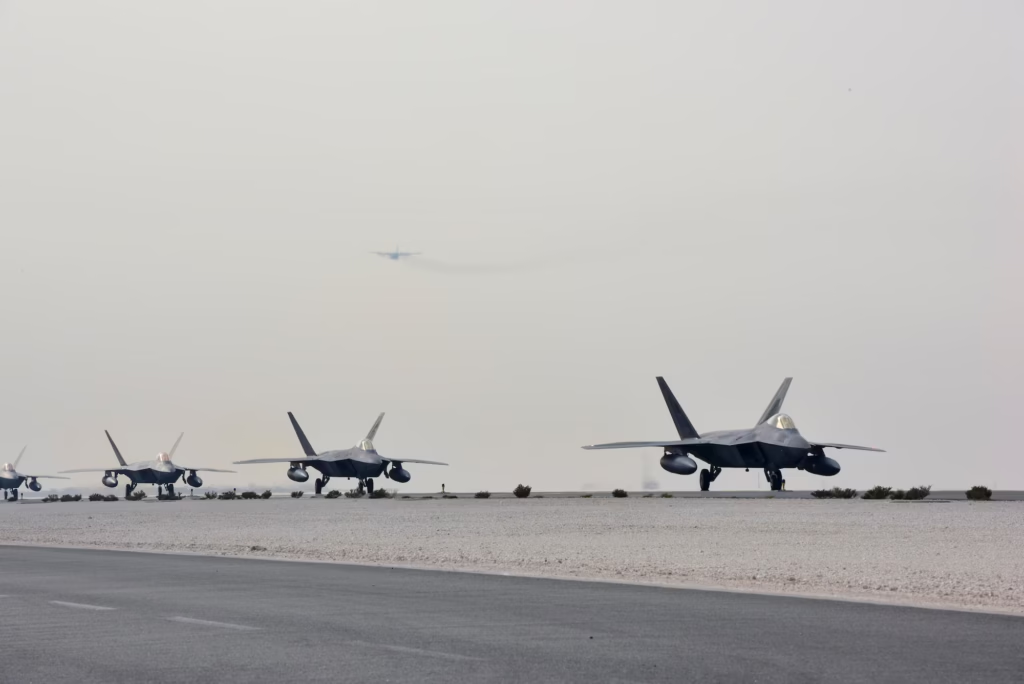
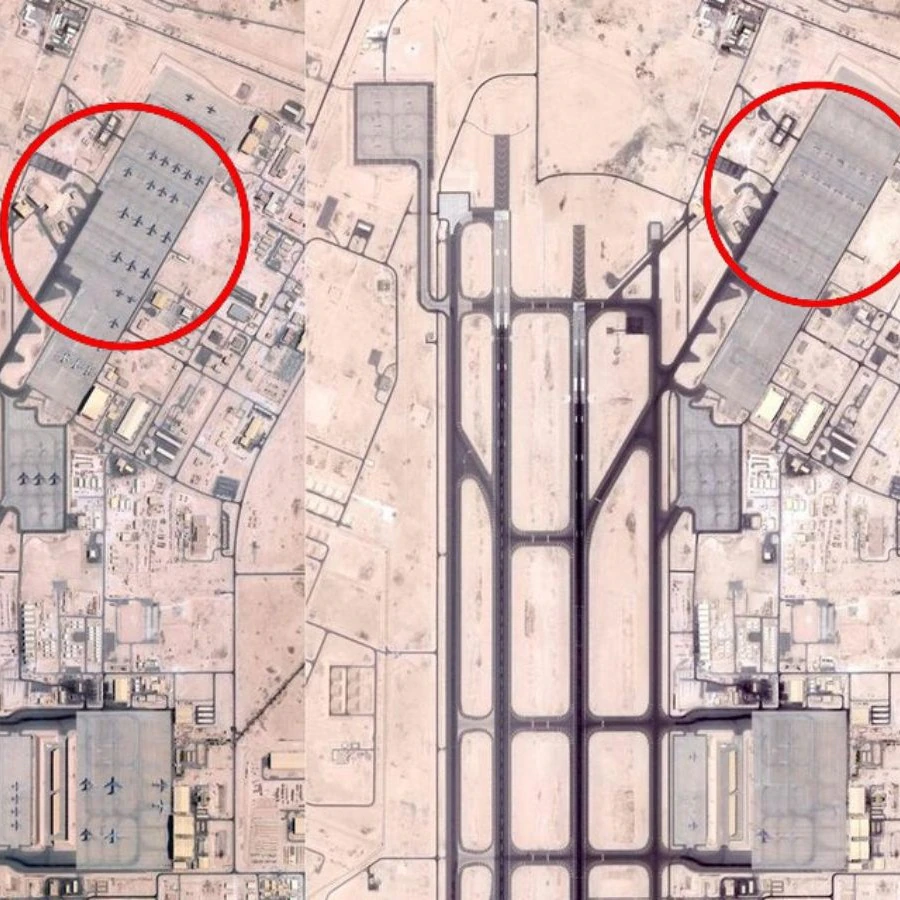
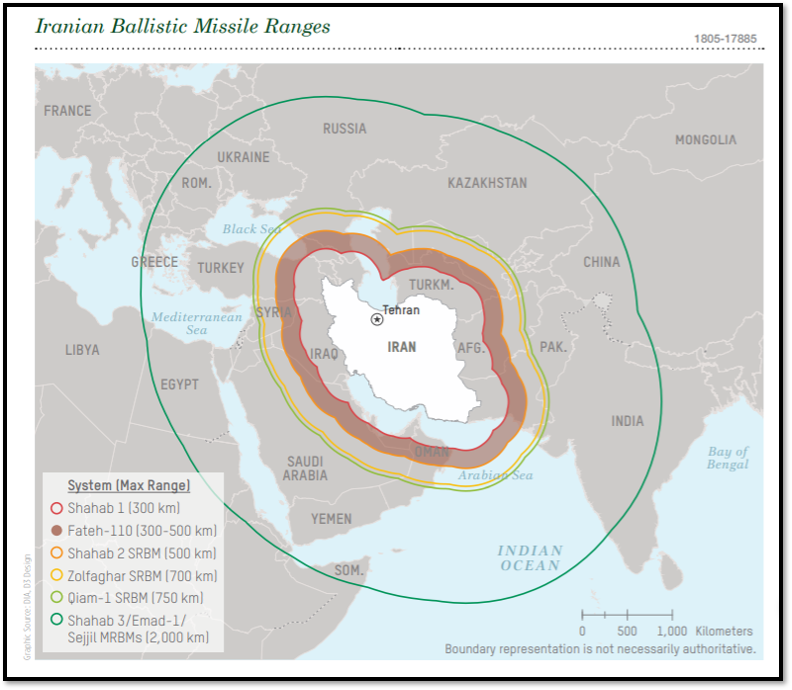
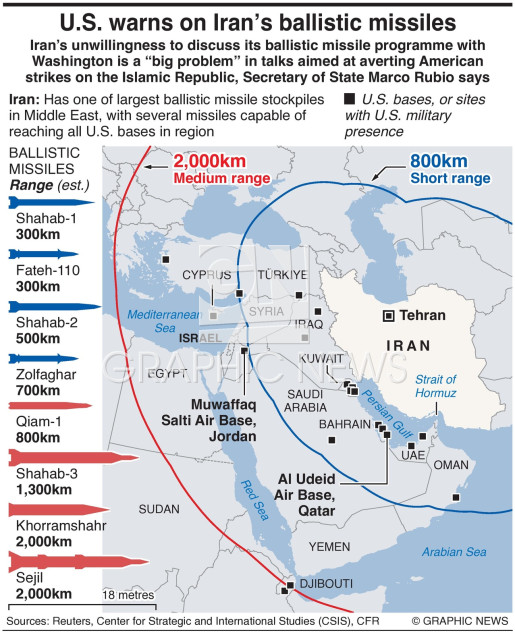
Iran’s missile and drone barrage marked a sharp escalation in open hostilities, dropping decades of proxy warfare and indirect conflict in favor of direct, state-to-state kinetic action. According to reports corroborated by international media outlets, Al-Udeid Air Base in Qatar, Al-Salem Air Base in Kuwait, and Al-Dhafra Air Base in the UAE were among the U.S. sites targeted by ballistic missiles fired from Iranian territory early Saturday.
In addition, Bahrain — the host of the United States Navy’s Fifth Fleet — reported explosions near the naval complex, suggesting that at least some Iranian missiles succeeded in penetrating regional air defenses. Video footage circulating online showed plumes of thick black smoke rising over Bahrain’s coast, alarms blaring and civilians scrambling for cover.
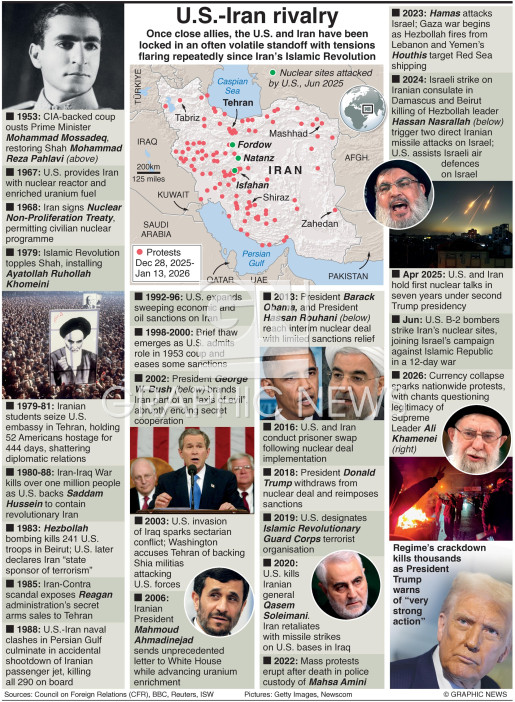
The operation, reportedly dubbed “Truthful Promise 4,” was described by Iranian state media as a direct response to a major U.S. and Israeli strike earlier in the day, which targeted senior Iranian leadership and key military installations inside Iran’s borders — an assault that Tehran termed an act of aggression.
How the U.S. and Israel Triggered This Response
Prior to Iran’s retaliation, the United States and Israel conducted a coordinated military operation against key Iranian targets, marking what officials labeled a “preventive” strike aimed at degrading Tehran’s strategic capabilities. Explosions were reported across major Iranian cities, including Tehran, prompting Iran to shut down its airspace and place its armed forces on full alert.
President Trump, in a televised address, directly framed the offensive as a turning point, declaring “major combat operations” had begun and encouraging the Iranian people to rise up against their leadership — language that analysts say reflects a strategic pivot from containment to regime destabilization.
Following the joint U.S.-Israeli assault, Iran vowed a decisive and crushing retaliation. Leaders in Tehran warned that any attack on Iranian soil would not go unanswered, explicitly naming U.S. and Israeli military assets in the broader Middle East as legitimate targets.
The Human and Strategic Cost of Escalation
The impact of these strikes extends far beyond military bases. Explosions in the rich urban centers of Gulf capitals triggered civilian alarms, airspace closures, and mass panic. In the United Arab Emirates, at least one civilian was reported killed near Abu Dhabi amid missile interception operations — a rare example of collateral damage in a conflict where both sides have sought to limit civilian casualties.
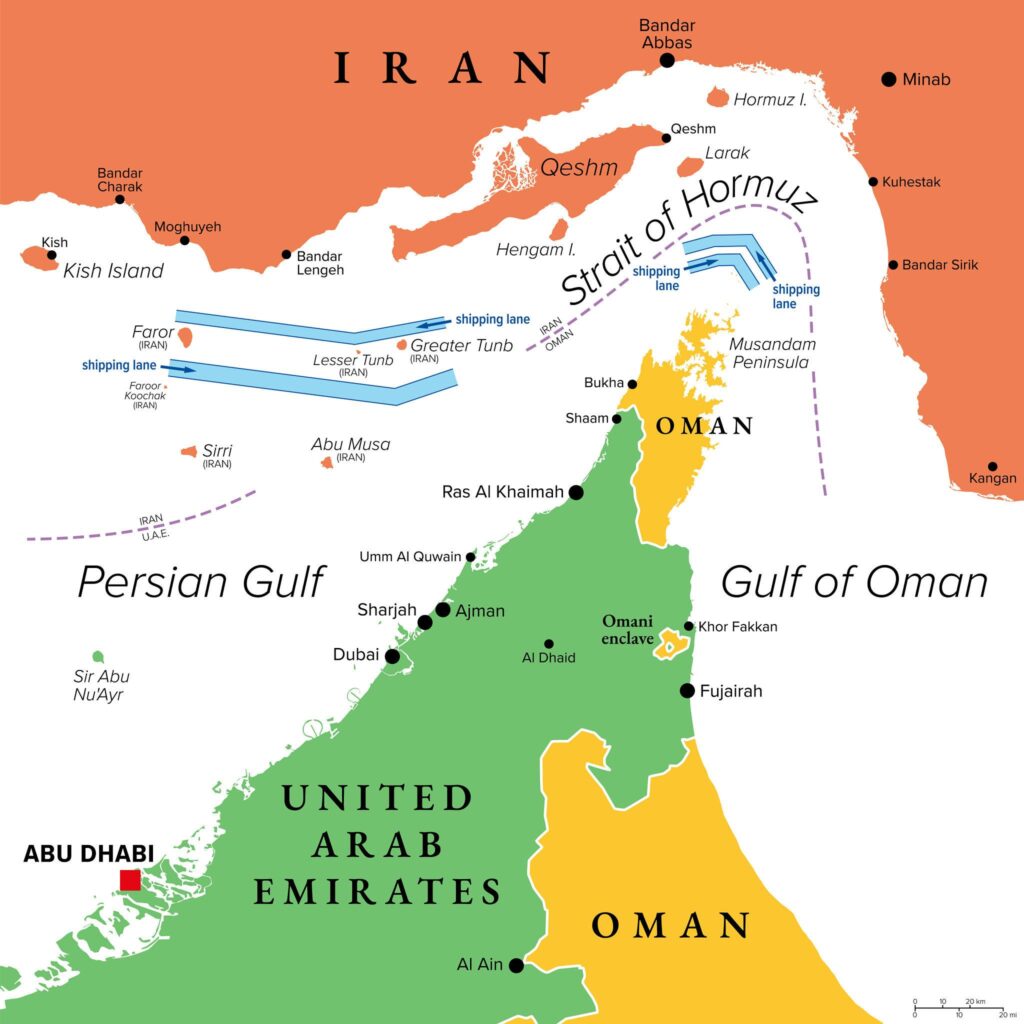
Beyond the immediate human toll, global aviation, oil markets, and diplomatic relations have suffered shockwaves. Major airlines have rerouted flights to avoid Middle Eastern airspace, and energy markets saw sudden volatility as traders reacted to the heightened risk in a region that supplies a significant proportion of the world’s oil. Analysts warn that continued escalation could disrupt shipping through the Strait of Hormuz, a critical corridor for global energy supply.
Strategically, the involvement of key U.S. allies in the Gulf — including Kuwait, Qatar, and Bahrain — complicates any simple narrative of bilateral conflict. These countries host U.S. troops and hardware as part of long-standing defense agreements, and Iranian strikes in their territories raise complex legal and diplomatic questions about sovereignty and collective defense obligations.
Global Reactions: Condemnation, Fear, and Calls for Diplomacy
World leaders reacted swiftly to the crisis, with responses ranging from condemnation to calls for immediate negotiation. Russia’s Foreign Ministry publicly denounced the U.S. and Israel’s initial strikes on Iran, labeling them an “unprovoked act of armed aggression” and urging both sides to de-escalate through diplomacy.
European Union officials stressed the urgent need to protect civilian populations and prevent further escalation, calling for restraint and an immediate return to diplomatic channels. Meanwhile, governments in Asia and Africa expressed growing concern that the conflict could drag other nations into a broader regional war.
Despite these diplomatic appeals, both Tehran and Washington appear determined to demonstrate strength. Iran’s leadership has framed its retaliatory strikes as a defense of sovereignty and deterrence against future attacks, while U.S. officials emphasize that stopping Iran’s nuclear ambitions and military posture remains a strategic priority.
What Comes Next: What Experts Are Watching
Conflict analysts caution that the situation remains highly volatile, with several possible trajectories emerging:
- Extended military engagement: Both Iran and the U.S.-led coalition could continue offensive operations, potentially drawing in regional allies and non-state actors.
- Diplomatic pressure and ceasefire negotiations: Backchannels might open as global powers seek to avert a widening war, focusing on de-escalation and nuclear negotiations.
- Economic and cybersecurity warfare: Beyond missiles, experts warn that digital and economic fronts could become active theaters of confrontation, with sanctions, cyberattacks, and electronic warfare shaping the conflict’s contours.
For now, the Middle East stands on edge. Defense and security analysts will closely monitor missile counts, air defense effectiveness, and diplomatic communications from all involved capitals in the hours and days ahead.
A Turning Point in Middle Eastern Conflict
Iran’s direct missile strikes on U.S. military installations mark a dramatic and dangerous escalation in a long-standing confrontation. This conflict — catalyzed by a major U.S.-Israeli offensive and answered by Tehran with unprecedented retaliation — represents one of the most serious military crises in the region in decades.
From capitals in Washington and Tehran to civilian neighborhoods in Gulf cities, the impact of these events will be felt far beyond the battlefields. As the world watches, diplomatic channels will be strained, military postures hardened, and the global community will take stock of the enduring repercussions of this sharp escalation.
Subscribe to trusted news sites like USnewsSphere.com for continuous updates.