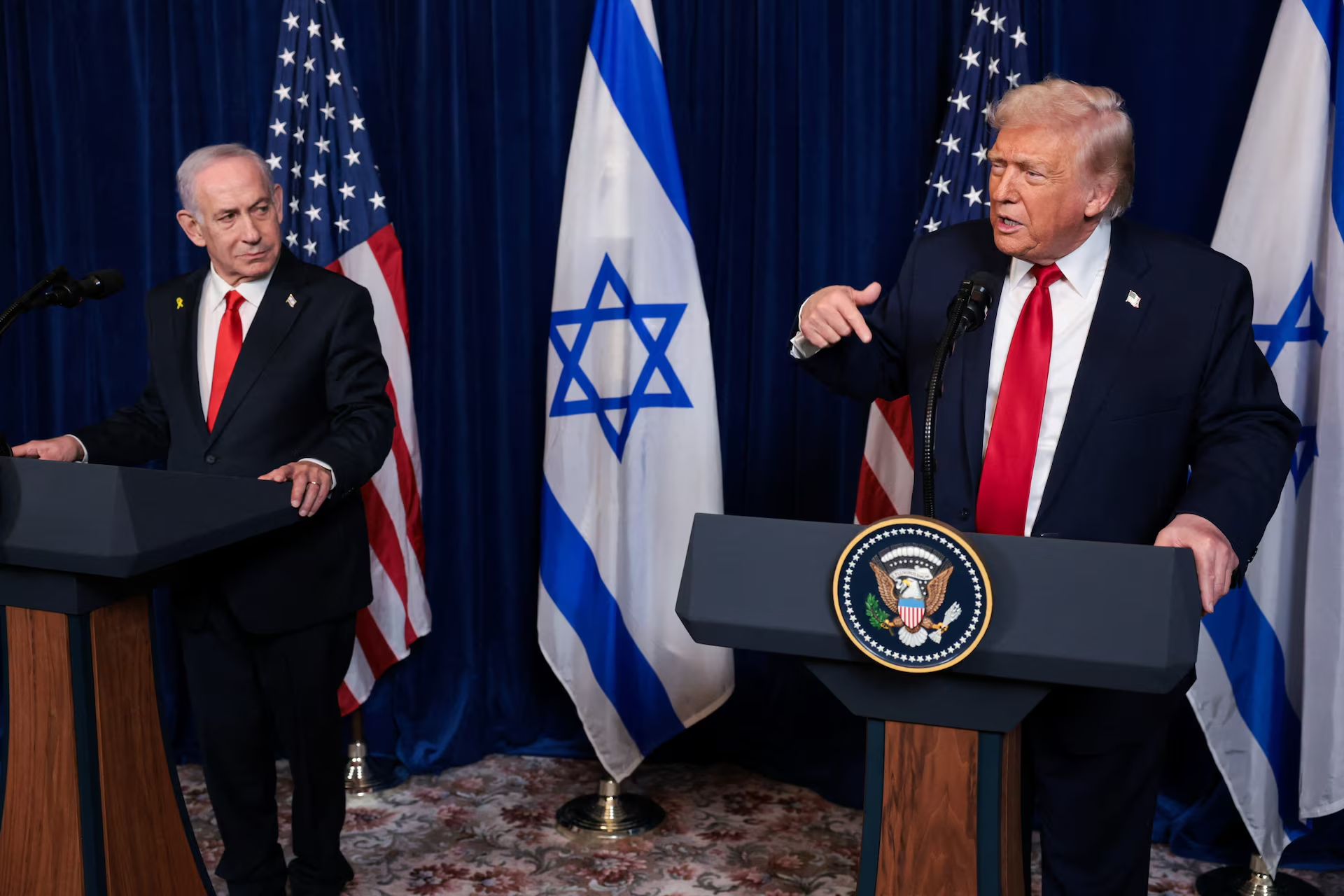
Iran War Escalates as Iran’s Guards Threaten to Kill Israel’s Netanyahu as tensions in the Middle East intensify after new threats from Iran’s Revolutionary Guard and viral misinformation about Israeli Prime Minister Benjamin Netanyahu’s death spread online. The situation involves Israel, Iran, and indirectly the United States, raising fears of a wider regional conflict.
Iran’s Islamic Revolutionary Guard Corps (IRGC) has publicly vowed to “pursue and kill” Netanyahu, while Israeli officials have dismissed rumors circulating on social media that the prime minister had been killed in an attack. The threats come amid ongoing strikes, rising military casualties, and global concern about the risk of escalation in the Middle East.
For readers in the United States and around the world, the key questions are clear: What is happening in the Iran-Israel war, why are these threats escalating now, and what could it mean for global security and energy markets?
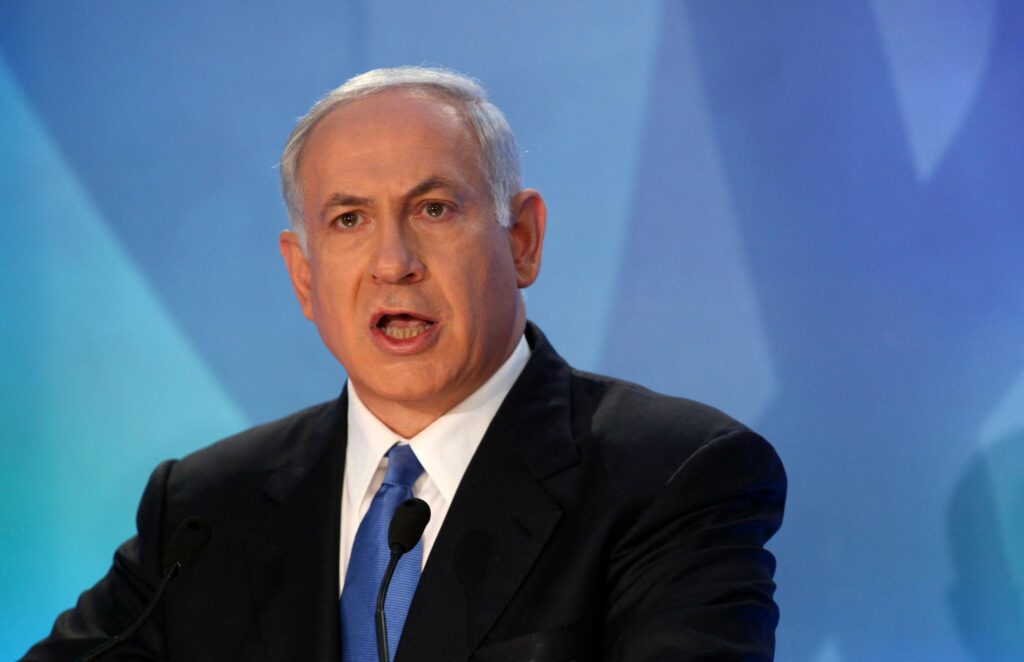
Rising Threats From Iran’s Revolutionary Guard
Iran’s Revolutionary Guard issued one of its strongest statements yet against Israeli leadership, declaring that it would continue to pursue Netanyahu and hold him responsible for recent military operations against Iran.
Iranian officials accused the Israeli prime minister of orchestrating attacks that have killed Iranian military leaders and caused damage to strategic facilities. According to Iranian state messaging, the Guards believe Netanyahu personally approved strikes targeting Iranian leadership and infrastructure.
The statement represents a major escalation in rhetoric. Military analysts say direct threats against a head of government are rare and highlight how deeply tensions have deteriorated between the two countries. The IRGC also used strong language in its announcement, labeling Netanyahu responsible for what it called civilian casualties during the ongoing war.
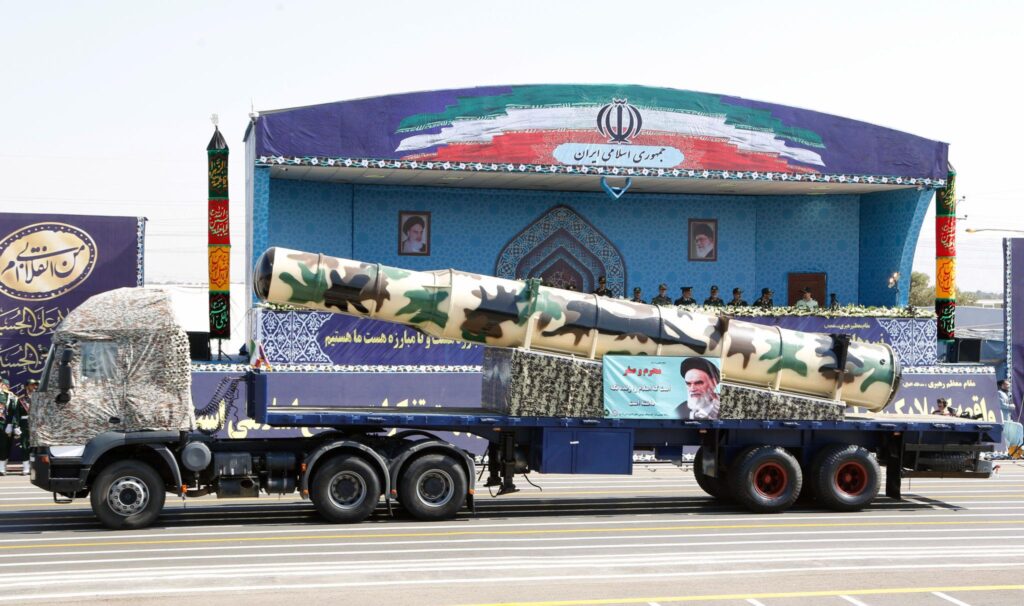
Viral Death Rumors About Netanyahu Debunked
Adding to the confusion surrounding the conflict, social media platforms recently exploded with rumors that Netanyahu had been killed in an Iranian strike.
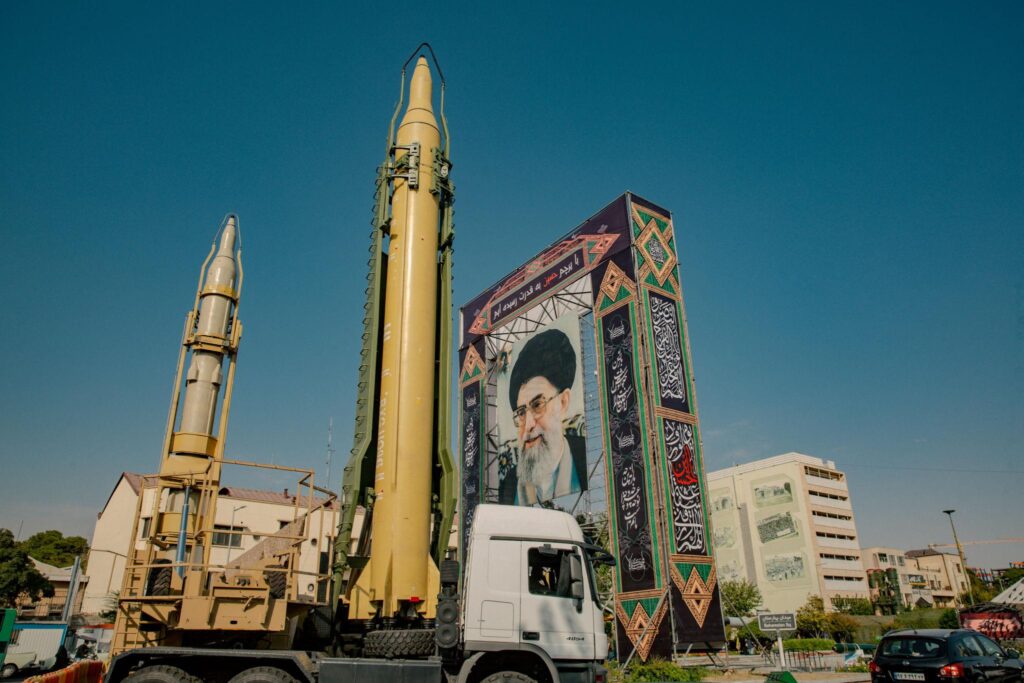
The speculation began after a short video clip circulated online showing Netanyahu speaking to the public. Some users claimed visual anomalies suggested the footage had been manipulated with artificial intelligence, fueling conspiracy theories that the Israeli leader had died and been replaced with edited footage.
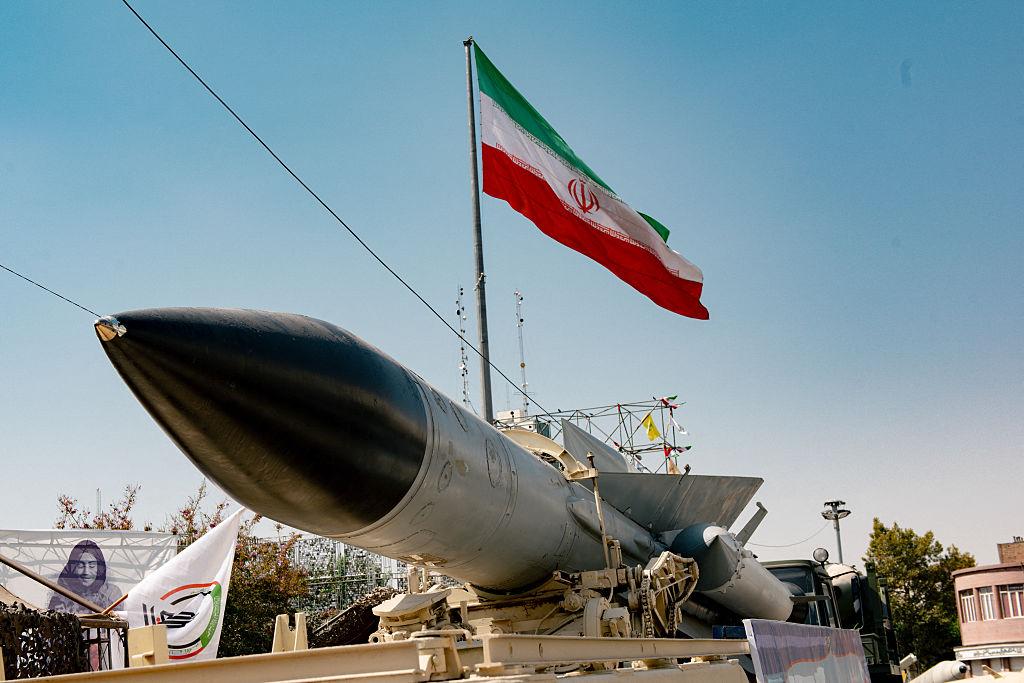
However, Israeli officials quickly rejected the claims. Government sources confirmed that Netanyahu remains alive and continues to lead Israel’s wartime response. Experts say the episode demonstrates how misinformation and deepfake-style rumors can spread rapidly during geopolitical crises, making it harder for the public to separate fact from speculation.
How the 2026 Iran War Started
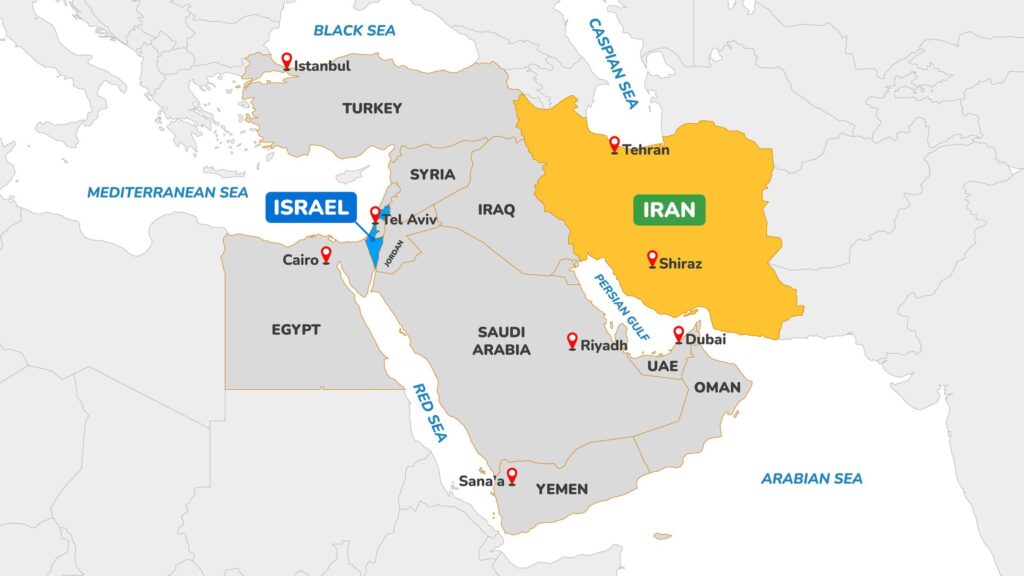
The current war began in late February 2026 when Israel launched coordinated airstrikes against Iranian military targets. The operation, called “Operation Lion’s Roar,” reportedly involved joint intelligence coordination with the United States and targeted strategic locations in Tehran and other cities.
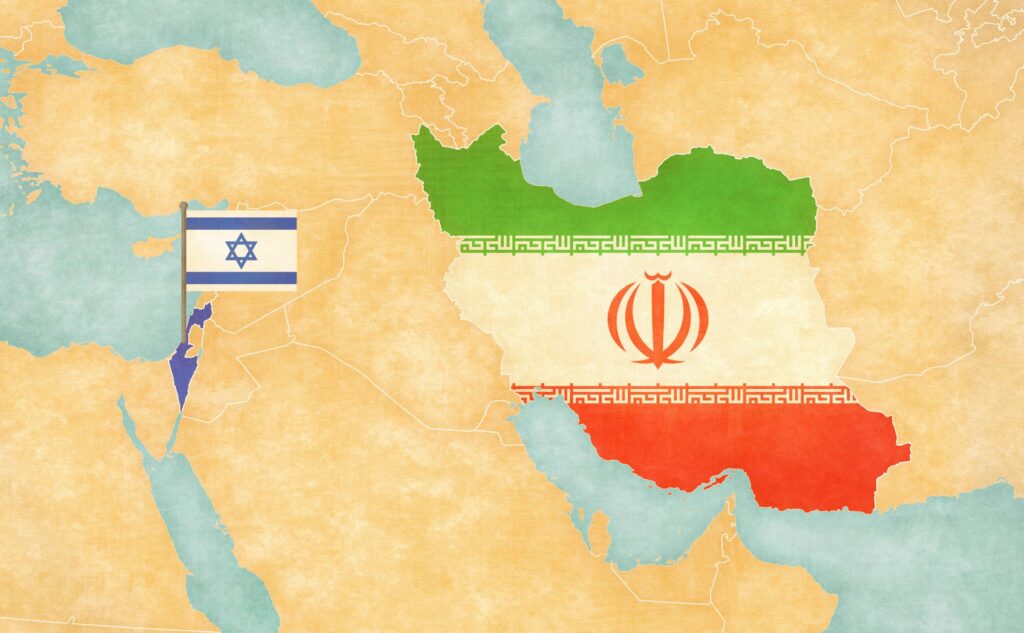
One of the most dramatic developments came when Iranian Supreme Leader Ali Khamenei was killed in the initial strikes, according to multiple reports. His death triggered a major power shift inside Iran and intensified retaliation threats from Tehran.
Since the start of the war, both sides have exchanged missile attacks and drone strikes. Military sources estimate that thousands of Iranian soldiers and commanders may have been killed during Israeli operations targeting command centers and weapons infrastructure.

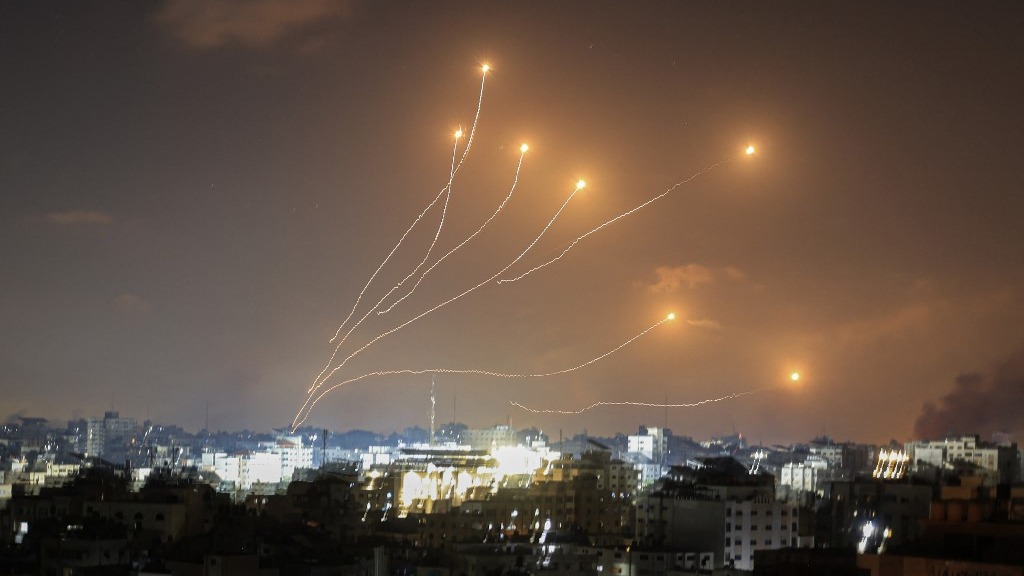
The conflict has also affected civilian populations and regional stability, with missile interceptions, air raid warnings, and emergency alerts becoming common in parts of the Middle East.
Military and Political Fallout Across the Region
Beyond Israel and Iran, the war is increasingly drawing international attention because of its potential to expand into a broader regional conflict.
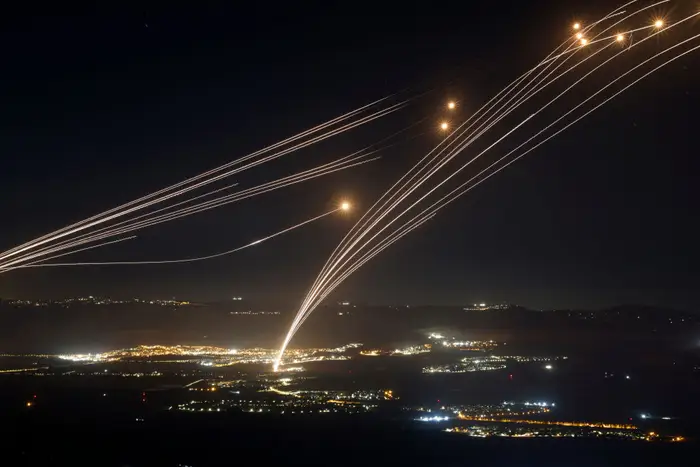
Several key developments highlight how serious the situation has become:
- Israeli forces continue targeting Iranian military infrastructure.
- Iranian authorities have arrested dozens of people suspected of cooperating with Israel.
- U.S. military forces have increased readiness in the region to protect allies and shipping routes.
The Middle East already faced years of tensions related to nuclear development, proxy conflicts, and intelligence operations. Experts say the current war represents the most dangerous phase of the Israel-Iran confrontation in decades.
Strategic waterways like the Strait of Hormuz, which carries roughly one-fifth of the world’s oil supply, could become flashpoints if the conflict spreads.
Why This Conflict Matters Now
The Iran-Israel war matters far beyond the Middle East because it could affect global energy prices, international security alliances, and financial markets.
Oil traders are closely watching the conflict because Iran sits near major shipping routes used by global energy companies. Any disruption to oil transport could push fuel prices higher worldwide.
For the United States and European countries, the war also raises serious diplomatic questions. Western governments are trying to balance support for Israel with efforts to prevent a wider war that could draw in multiple countries.
Security experts warn that the combination of cyber warfare, missile strikes, and misinformation campaigns could make the conflict unpredictable. Even a small escalation could quickly trigger larger military responses.
What Could Happen Next
At the moment, no clear diplomatic solution is in sight. Israel has indicated that its military campaign will continue until Iranian threats are neutralized, while Iranian leaders say retaliation will continue as long as Israel conducts strikes.
Possible future developments include:
- More missile and drone attacks between the two countries
- Expanded involvement from regional militias or allied groups
- Increased international diplomatic pressure for a ceasefire
Meanwhile, governments around the world are urging restraint and calling for negotiations before the crisis escalates further.
For global observers, the next few weeks may determine whether the conflict remains limited or grows into a broader Middle Eastern war with worldwide consequences.
Subscribe to trusted news sites like USnewsSphere.com for continuous updates.