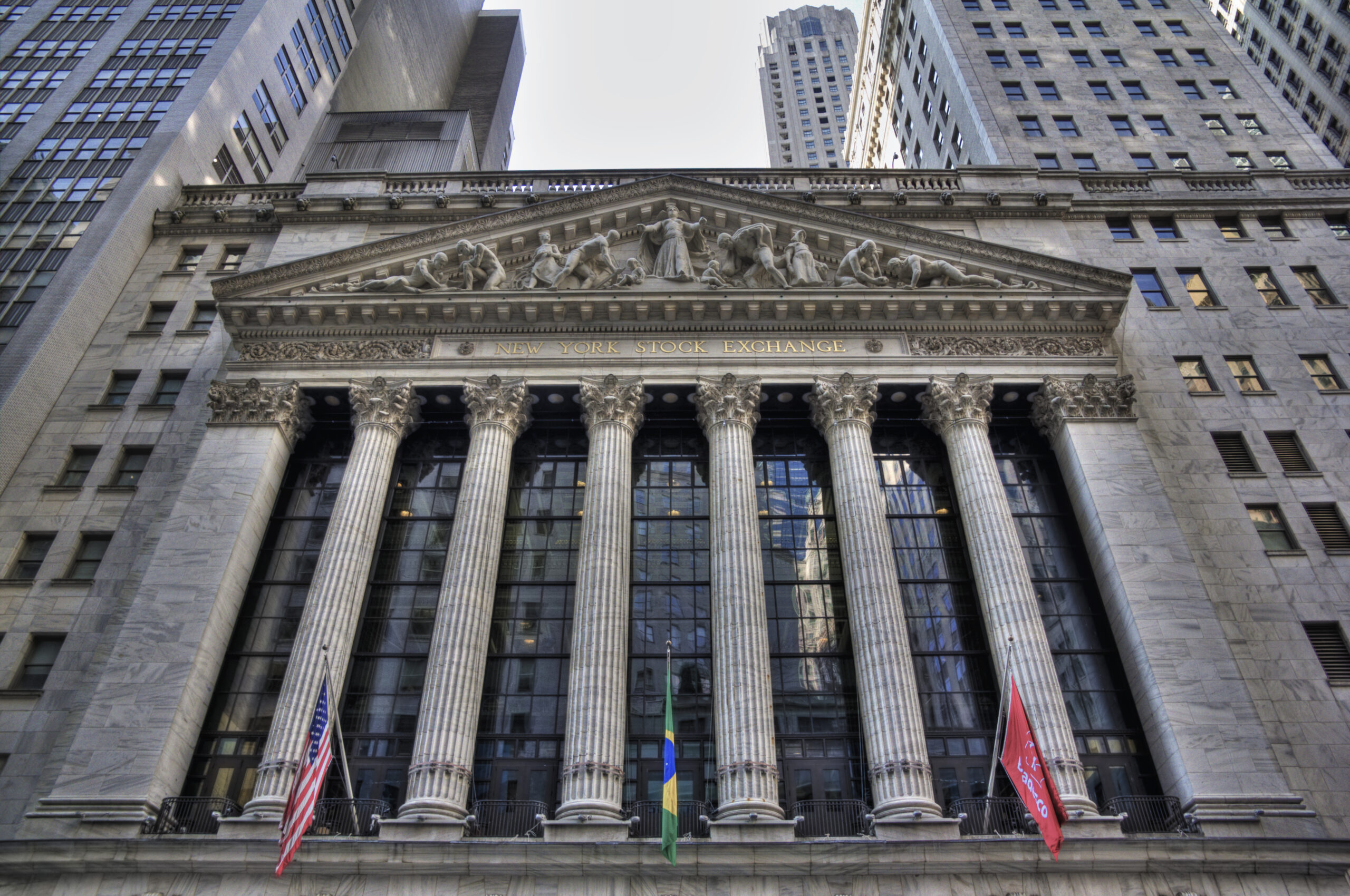
$2 Trillion Investment Warning: Saudi Arabia, UAE, and Kuwait Shock Wall Street as U.S. Market Faces New Global Capital Risk
$2 Trillion Investment Warning is now drawing global attention as reports suggest that Saudi Arabia, the United Arab Emirates, and Kuwait may reconsider portions of their massive investments in the United States. The three Gulf nations collectively control some of the largest sovereign wealth funds in the world, and together they oversee trillions of dollars in global assets. Analysts say even a small shift in how these funds allocate capital could influence Wall Street, energy markets, and the broader international economy.
The issue matters now because global markets are already navigating geopolitical tensions, volatile oil prices, and uncertain monetary policy in the United States and Europe. If Gulf investors adjust their portfolios, the ripple effects could extend beyond financial markets to include diplomatic relations, energy policy, and international trade.
The Scale of Gulf Sovereign Wealth Funds and Their Global Influence
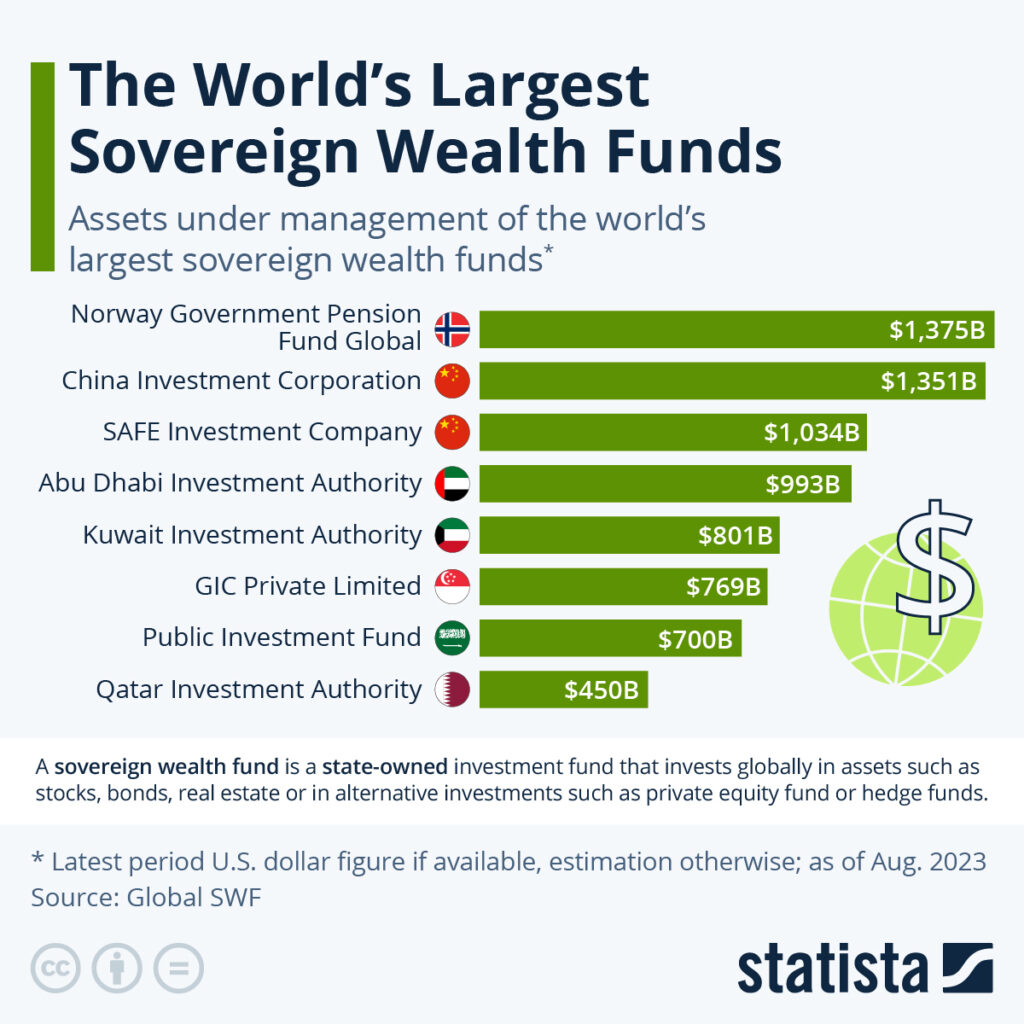
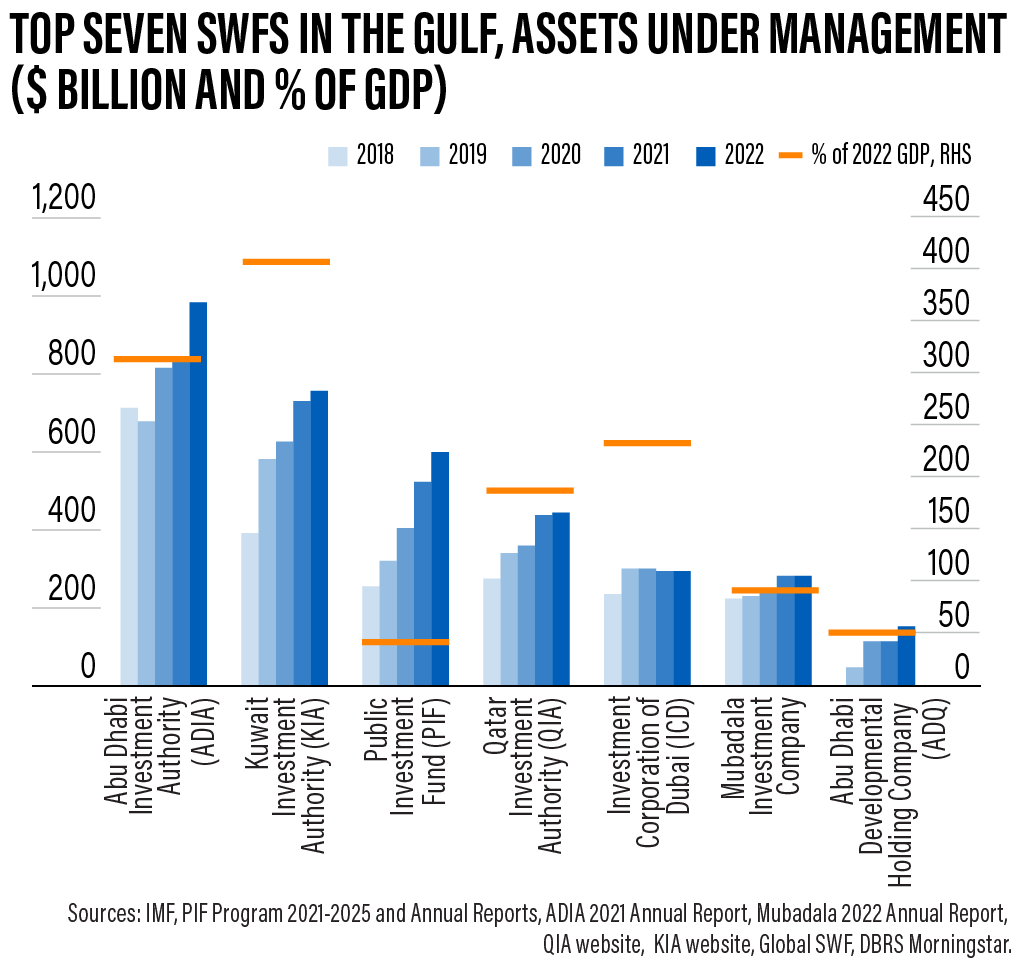
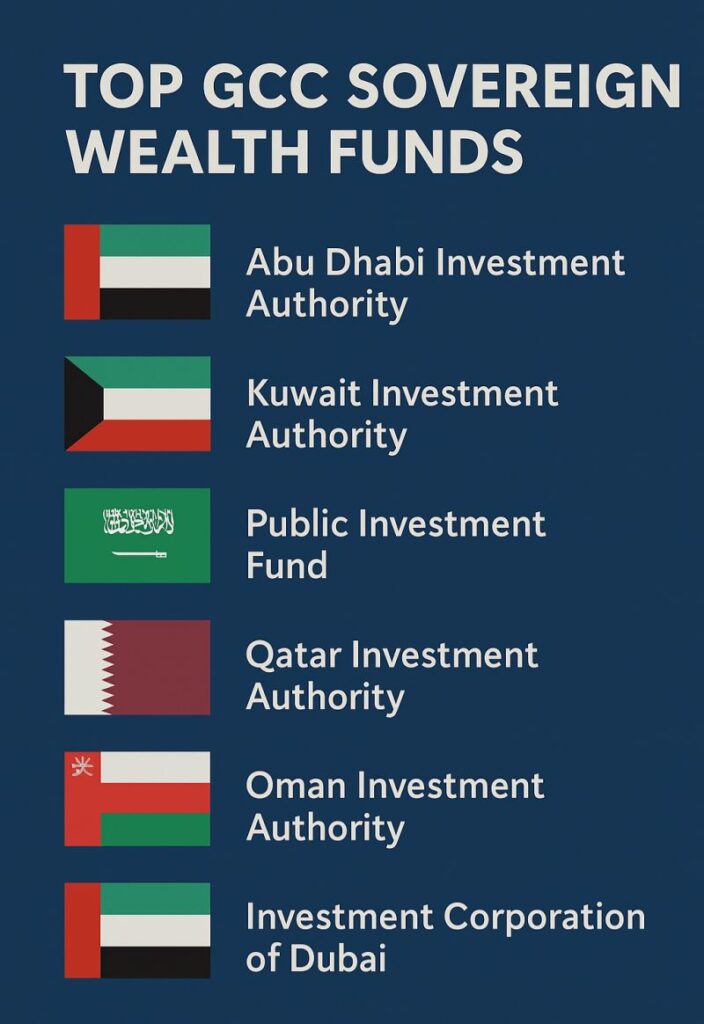
Saudi Arabia, the United Arab Emirates, and Kuwait are home to some of the most powerful sovereign wealth funds in the world. These government-owned investment institutions were created to manage revenue from oil exports and diversify national wealth into global assets.
Saudi Arabia’s Public Investment Fund alone manages hundreds of billions of dollars and has invested heavily in technology, infrastructure, sports, and renewable energy. Similarly, the Abu Dhabi Investment Authority and the Kuwait Investment Authority have built large portfolios spanning U.S. equities, real estate, and private equity.
For decades, the United States has been a primary destination for Gulf investments. The U.S. financial system offers deep liquidity, transparent regulations, and access to leading technology companies. Gulf sovereign funds have invested in everything from Silicon Valley startups to major infrastructure projects across American cities.
Because of this deep financial connection, even the suggestion that Gulf governments might reconsider parts of their U.S. portfolios immediately captures the attention of global markets.
Why Gulf Governments Are Signaling Possible Investment Shifts
Several factors are contributing to the current discussion about global investment strategies. One important factor is geopolitical tension in the Middle East and shifting diplomatic relationships. When political relationships become uncertain, governments sometimes reconsider how and where they allocate their national wealth.
Another major reason is economic transformation within the Gulf countries themselves. Nations like Saudi Arabia and the UAE are aggressively pursuing long-term economic diversification strategies. Massive development initiatives, including new cities, infrastructure megaprojects, and technology investments, require large amounts of capital.
As these countries invest heavily in domestic development programs, they may reallocate funds that were previously directed toward foreign markets. This does not necessarily mean a complete withdrawal from U.S. investments, but it does suggest a broader effort to balance domestic priorities with international opportunities.
What This Could Mean for Wall Street and Global Markets
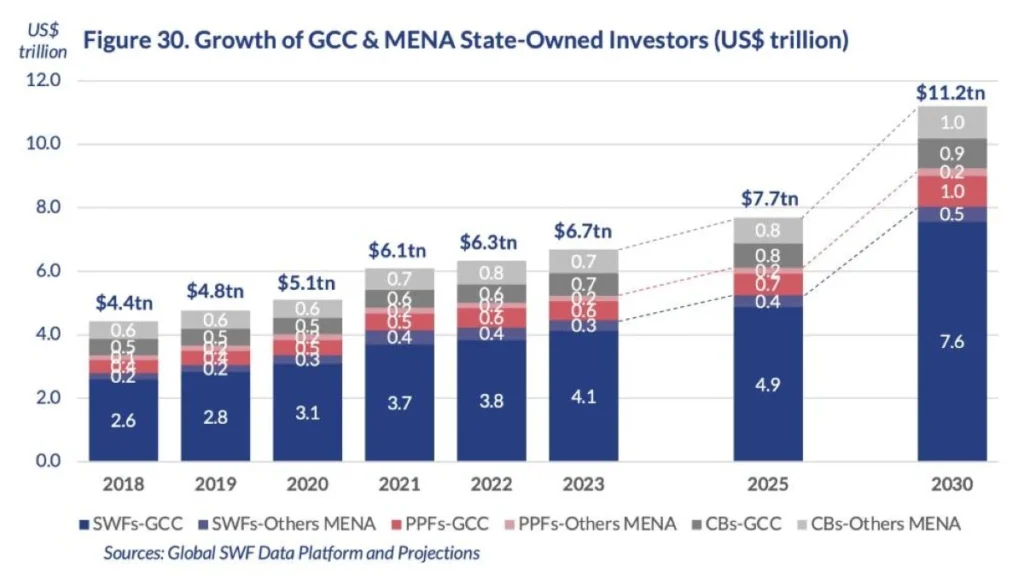
Financial markets react quickly to changes in global capital flows. Sovereign wealth funds are among the most influential investors in the world because they manage large, long-term portfolios and frequently invest in major sectors such as technology, real estate, and infrastructure.
If Gulf funds were to reduce investment flows into the United States, even modestly, it could affect certain sectors more than others. Technology companies, venture capital investments, and large infrastructure projects have historically attracted significant Middle Eastern funding.
However, most economists emphasize that the United States remains one of the most attractive investment destinations globally. The size of its financial markets, the strength of its innovation ecosystem, and the transparency of its regulatory framework continue to make it a preferred location for international investors.
For this reason, many analysts believe any adjustments by Gulf funds would likely represent diversification rather than a complete withdrawal from U.S. markets.
Oil Prices, Inflation Pressures, and Federal Reserve Policy
Energy markets are closely tied to developments in the Gulf region. Saudi Arabia, the UAE, and Kuwait play major roles in global oil production, and changes in regional politics can influence oil prices.
When geopolitical tensions rise in oil-producing regions, energy prices often increase due to supply concerns. Higher oil prices can lead to higher transportation and manufacturing costs, which may contribute to inflation in large economies such as the United States.
Inflation remains one of the most important factors shaping the Federal Reserve’s interest-rate policy. If energy prices continue rising, central banks may face additional challenges in balancing economic growth with price stability.
For investors, this connection between geopolitics, oil markets, and monetary policy highlights why developments in the Gulf region can have global financial consequences.
Strategic Competition for Global Capital
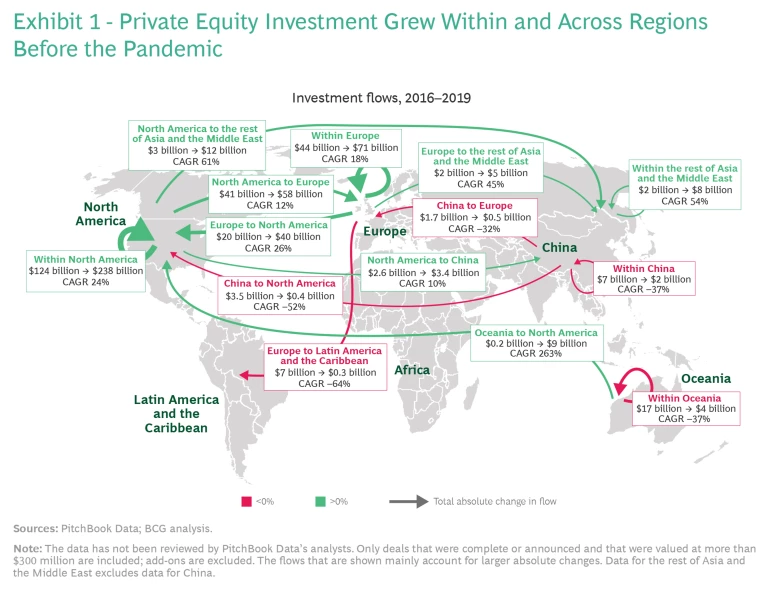
Another important aspect of this story is the increasing competition among global financial centers to attract investment capital. While the United States remains a dominant economic power, other regions—including Asia and parts of Europe—are working to attract sovereign wealth fund investments.
Emerging markets are also becoming more attractive as technology sectors expand and infrastructure development accelerates. Countries across Asia and Africa are seeking partnerships with sovereign wealth funds to finance large projects in transportation, energy, and digital infrastructure.
This global competition means that investment flows are becoming more diversified. Gulf sovereign wealth funds, like many institutional investors, often spread their investments across multiple regions to manage risk and maximize returns.
Long-Term Outlook for U.S.–Gulf Economic Relations
Despite the current headlines, most financial experts believe that economic ties between the United States and Gulf nations will remain strong over the long term. The U.S. economy continues to offer unique advantages, including world-leading innovation, strong financial institutions, and a large consumer market.
At the same time, Gulf countries are positioning themselves as major investment hubs and innovation centers. Their sovereign wealth funds are expected to remain active global investors as they pursue strategies designed to secure long-term economic stability beyond oil revenue.
In this context, discussions about potential investment shifts should be seen as part of a broader evolution in global finance rather than a sudden disruption of existing partnerships.
Conclusion: Why the $2 Trillion Warning Matters for the Global Economy
The discussion surrounding a $2 trillion investment warning highlights the deep connections between geopolitics, global finance, and energy markets. Sovereign wealth funds from Saudi Arabia, the UAE, and Kuwait have played a major role in supporting investment across the United States and other developed economies.
While the possibility of investment shifts has raised concerns among investors, the long-term relationship between Gulf investors and the U.S. economy remains strong. Markets will continue monitoring signals from sovereign wealth funds, oil markets, and policymakers to understand how global capital flows may evolve in the coming years.
For readers and investors, the key takeaway is that global financial stability increasingly depends on international cooperation, diversified investment strategies, and strong economic partnerships.
Subscribe to trusted news sites like USnewsSphere.com for continuous updates.