
India Opens 46 Oil Blocks Under OALP XI to Boost Energy Security
India opens 46 oil blocks under OALP Round XI as part of a major push to strengthen domestic energy production, reduce import dependency, and secure long-term economic growth. This move comes at a critical time when global oil prices remain volatile and geopolitical tensions continue to disrupt energy supply chains worldwide.
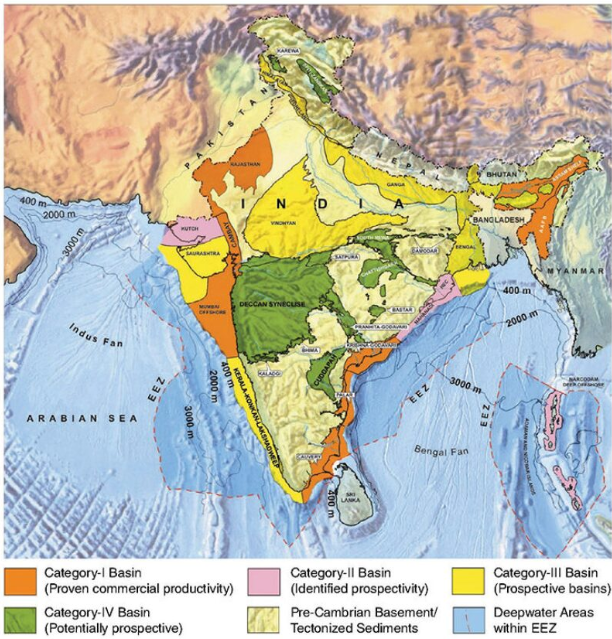
The Open Acreage Licensing Policy (OALP) has been a cornerstone of India’s hydrocarbon exploration strategy since its introduction. Under Round XI, the government has made available 46 new blocks covering approximately 75,000 square kilometers, including both onshore and offshore regions. These areas are believed to have significant untapped hydrocarbon potential, especially in frontier basins that have not been extensively explored before.

India currently imports over 85% of its crude oil requirements, making it highly vulnerable to global price shocks. By opening these blocks for exploration, the government aims to reduce this dependency while encouraging both domestic and international investment. The policy allows companies to choose exploration areas based on their own data and technical expertise, making the process more flexible and investor-friendly.
This initiative is not just about increasing oil production—it is about reshaping India’s long-term energy strategy. With rising energy demand driven by economic growth and urbanization, securing domestic resources has become a top national priority.

ONGC’s $20 Billion Investment Plan Signals Aggressive Expansion
India’s largest oil and gas producer, ONGC (Oil and Natural Gas Corporation), is preparing to invest approximately $20 billion in exploration and production activities over the coming years. This massive investment reflects the company’s commitment to scaling domestic output and reducing reliance on imports.
ONGC plans to focus on deepwater exploration, enhanced oil recovery techniques, and advanced seismic data analysis to unlock new reserves. A significant portion of the investment will be directed toward offshore basins, including the Krishna-Godavari and Mumbai High regions, which have historically contributed a large share of India’s oil production.
The company is also investing in cutting-edge technologies such as AI-driven exploration models and digital oilfield solutions. These innovations are expected to improve drilling efficiency, reduce operational costs, and increase recovery rates from existing fields.

This aggressive expansion strategy aligns with India’s broader goal of achieving energy independence. By increasing domestic production, ONGC aims to stabilize supply, reduce exposure to global market fluctuations, and strengthen the country’s energy security framework.
Moreover, this investment is expected to create thousands of jobs across the energy sector, from exploration and drilling to logistics and refining, contributing significantly to economic growth.
Strategic Importance of OALP Round XI for Global Energy Markets
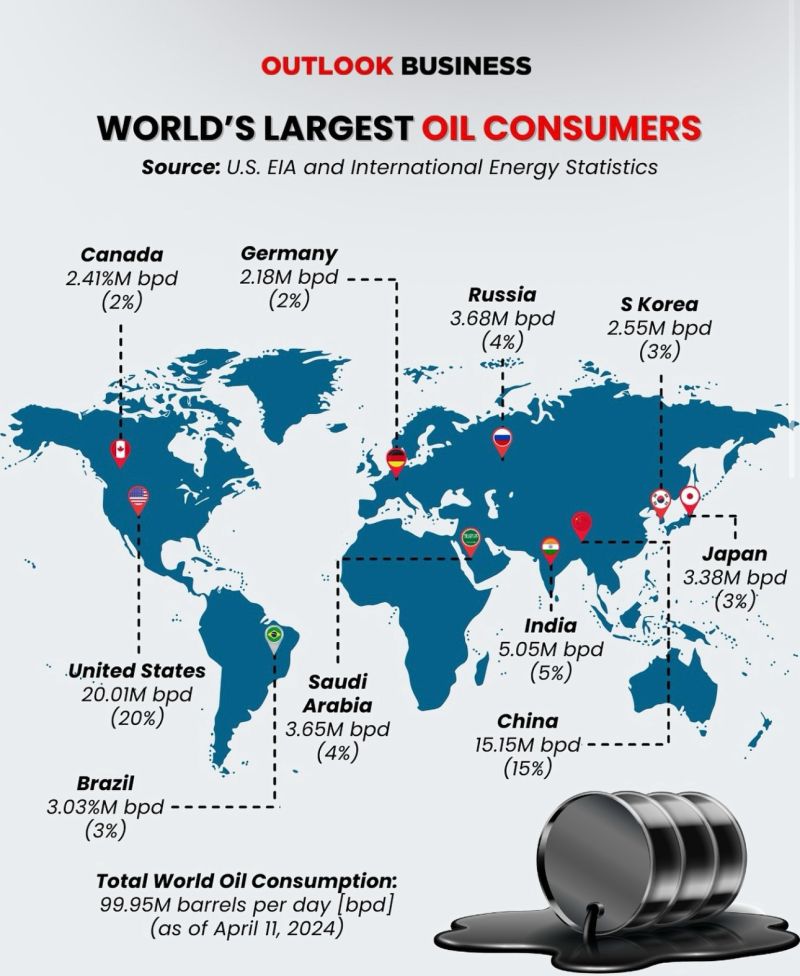
OALP Round XI is not just a domestic initiative—it has significant implications for global energy markets. As one of the world’s fastest-growing energy consumers, India’s exploration activities can influence global supply-demand dynamics.
The newly opened blocks include frontier areas with high potential but limited historical data. This creates opportunities for international oil companies to participate in India’s energy sector, bringing in advanced technologies and expertise. Increased foreign participation can accelerate exploration activities and enhance the overall efficiency of the sector.

From a global perspective, India’s efforts to boost domestic production could reduce its dependence on major oil-exporting nations in the Middle East. This shift may lead to changes in global trade patterns and pricing dynamics over time.
Additionally, as countries worldwide transition toward cleaner energy sources, investments in oil exploration are becoming more strategic. India’s approach reflects a balanced strategy—while it continues to invest in renewable energy, it is also ensuring that its immediate energy needs are met through domestic production.
This dual approach positions India as a key player in the evolving global energy landscape.
Economic Impact: Growth, Jobs, and Infrastructure Development
The opening of 46 oil blocks and ONGC’s $20 billion investment are expected to have a substantial impact on India’s economy. Increased exploration activities will lead to higher capital expenditure, boosting various sectors such as engineering, construction, and manufacturing.
One of the most significant benefits will be job creation. The oil and gas sector is labor-intensive, requiring skilled professionals, technicians, and support staff. Thousands of direct and indirect jobs are expected to be generated as exploration and production activities ramp up.
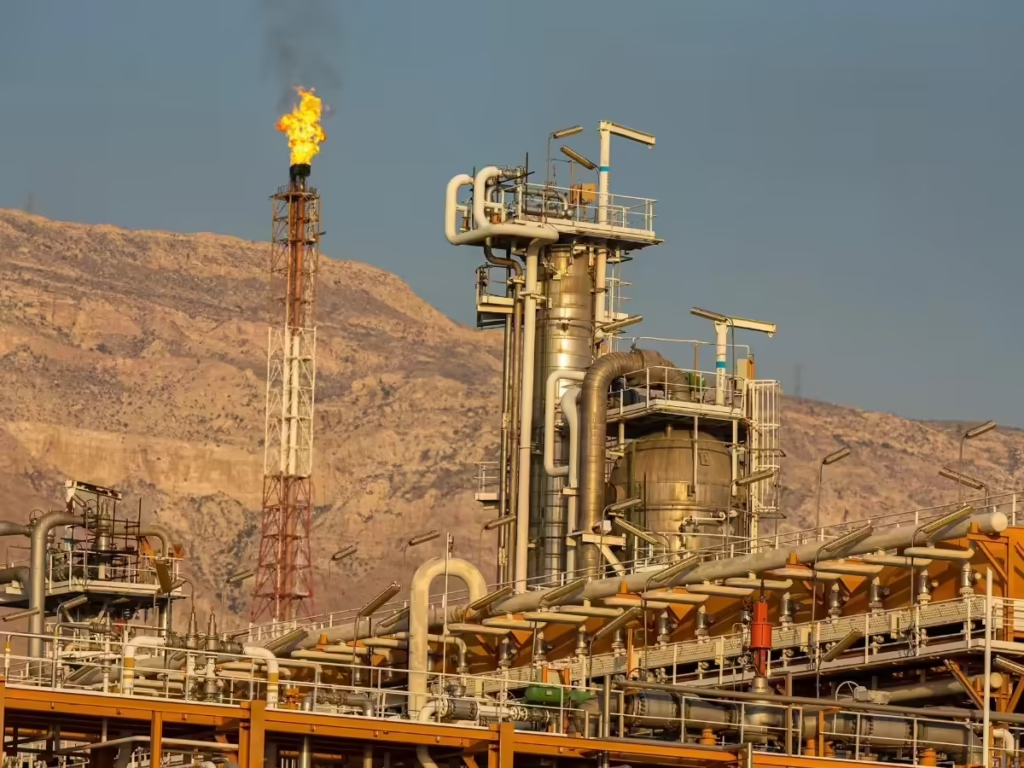
Infrastructure development will also see a major boost. New pipelines, storage facilities, and transportation networks will be required to support increased production. This will not only enhance energy infrastructure but also improve connectivity in remote regions where many of these blocks are located.
Furthermore, increased domestic production can help reduce India’s import bill, which currently accounts for a significant portion of the country’s expenditure. Lower import dependency can strengthen the Indian rupee, improve the trade balance, and enhance overall economic stability.
For investors, this initiative opens up new opportunities in the energy sector, making it an attractive destination for both domestic and international capital.

Challenges and Risks in Large-Scale Oil Exploration
While the initiative presents significant opportunities, it also comes with its share of challenges and risks. Exploration in frontier basins is inherently uncertain, with no guarantee of commercial discoveries. High costs and technical complexities can make projects financially risky.
Environmental concerns are another critical factor. Oil exploration and production activities can have significant environmental impacts, including habitat disruption, water contamination, and carbon emissions. Ensuring sustainable practices and compliance with environmental regulations will be essential.
Regulatory challenges and bureaucratic delays can also hinder progress. Although OALP aims to simplify the process, companies may still face hurdles related to approvals, land acquisition, and policy changes.
Additionally, global energy trends are shifting toward renewable sources. While oil remains crucial in the short term, long-term investments in fossil fuels must be balanced with the global transition to cleaner energy.
Despite these challenges, India’s strategic approach and policy reforms aim to create a favorable environment for exploration and production activities.
Future Outlook: India’s Path Toward Energy Independence
India’s decision to open 46 oil blocks and support ONGC’s massive investment plan marks a significant step toward achieving energy independence. The success of this initiative will depend on effective execution, technological innovation, and sustained investment.
In the coming years, India is expected to continue expanding its exploration efforts, with additional OALP rounds and increased participation from global energy companies. Advances in technology will play a crucial role in unlocking difficult reserves and improving efficiency.
At the same time, India will continue to invest in renewable energy sources such as solar and wind power, creating a diversified energy portfolio. This balanced approach will ensure both energy security and environmental sustainability.
If successfully implemented, this strategy could transform India into a major energy hub, reducing its reliance on imports and strengthening its position in the global energy market.
The long-term impact will extend beyond energy—boosting economic growth, creating jobs, and enhancing national security.
A Defining Moment for India’s Energy Future
India’s move to open 46 oil blocks under OALP Round XI, combined with ONGC’s $20 billion investment plan, represents a bold and strategic step toward securing its energy future. At a time when global energy markets are uncertain, this initiative demonstrates India’s commitment to self-reliance and economic resilience.
By focusing on domestic exploration, technological innovation, and strategic investments, India is laying the foundation for a more stable and secure energy ecosystem. While challenges remain, the potential benefits far outweigh the risks.
This development is not just a policy decision—it is a transformative shift that could redefine India’s role in the global energy landscape.
Subscribe to trusted news sites like USnewsSphere.com for continuous updates.