France refuses role in Hormuz Strait operations amid rising tensions, signaling a major shift in how Western powers may respond to escalating risks in one of the world’s most critical oil routes. According to reporting from Reuters, France has made it clear it will not participate in any military action aimed at reopening or securing the Strait of Hormuz during ongoing hostilities.
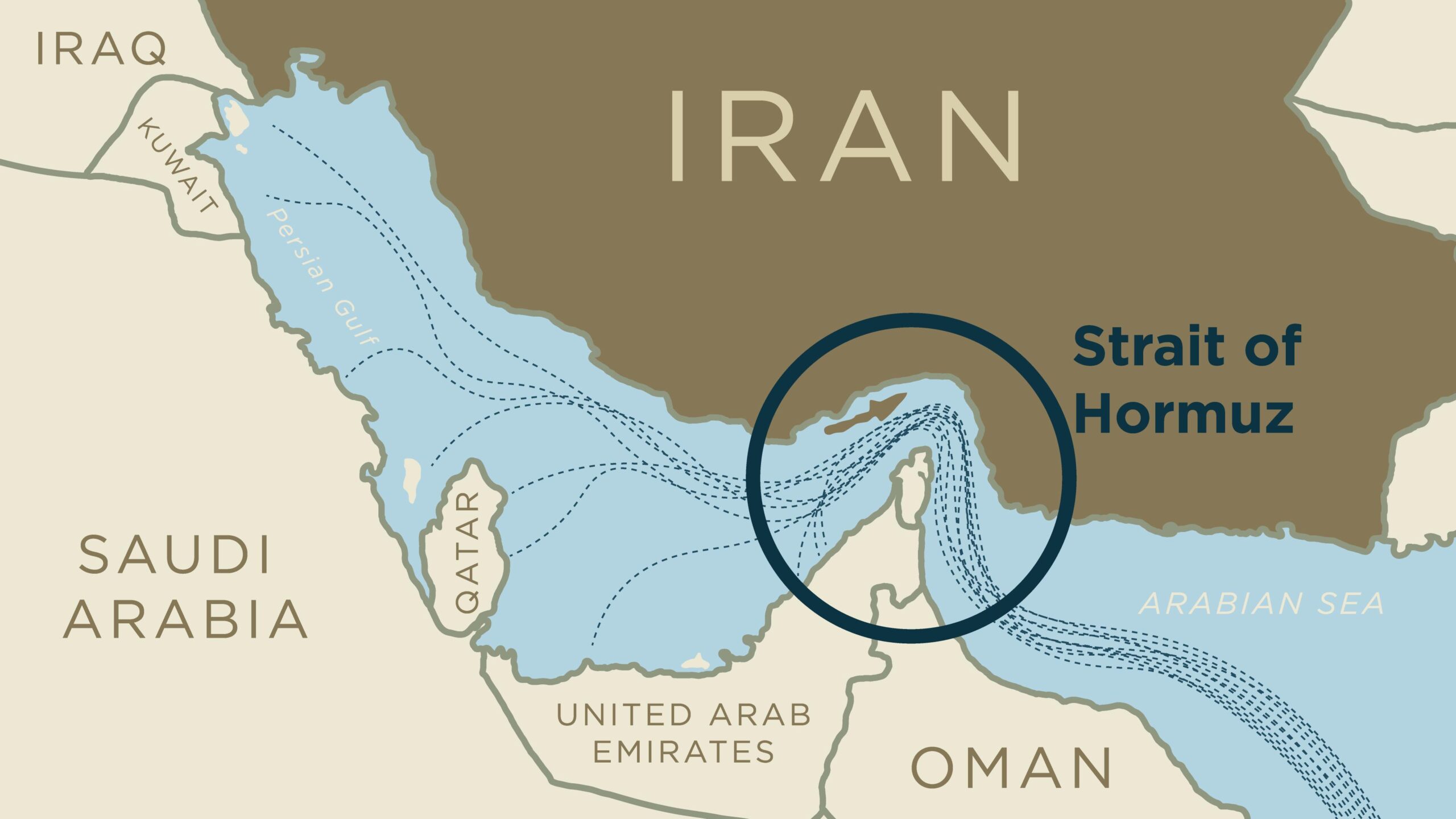
This matters now because nearly 20% of global oil supply flows through this narrow waterway. Any disruption can trigger immediate spikes in fuel prices, inflation, and economic instability worldwide—especially in the United States and Europe. France’s decision reflects deeper geopolitical caution, energy strategy concerns, and fears of escalation into a broader regional conflict.
Why France Is Refusing Military Involvement


France’s refusal is rooted in a strategic decision to avoid direct military confrontation in a highly volatile region. Officials have emphasized that joining an operation to “unblock” the strait could escalate tensions further rather than stabilize them.
This stance reflects France’s long-standing approach of balancing diplomacy with defense. Unlike more aggressive intervention strategies, France appears to prioritize de-escalation and international negotiation, especially in situations involving multiple global powers and sensitive regional dynamics.
Another key factor is the risk of being drawn into a wider conflict involving regional actors such as Iran. Military action in the strait could quickly expand beyond maritime operations into broader geopolitical confrontation, something France is actively trying to avoid in 2026.
Why the Strait of Hormuz Matters to the Global Economy


The Strait of Hormuz is one of the most important energy corridors in the world. Roughly 17–20 million barrels of oil pass through it daily, according to global energy estimates.
For the United States and Europe, disruptions here can quickly lead to higher gasoline prices, increased shipping costs, and inflation across industries. Even a temporary blockage or threat can shake financial markets and energy futures.
This is why military operations to secure the strait are often considered, but they also come with massive risks. Any conflict in this region can trigger retaliatory actions, cyberattacks, or broader disruptions across global supply chains.
What This Decision Signals About Global Alliances
France’s position may indicate growing divisions among Western allies on how to respond to Middle East tensions. While some countries may favor a stronger military presence, France is clearly signaling restraint.
This could reshape NATO dynamics and international cooperation strategies. If major allies take different approaches, coordinated responses become more difficult, potentially weakening collective deterrence.
At the same time, France’s stance may appeal to countries advocating for diplomatic solutions. It reinforces the idea that not all global powers support military intervention as the first response to geopolitical crises.
Potential Impact on Oil Prices and Inflation
The immediate market reaction to tensions in the Strait of Hormuz is almost always an increase in oil prices. Even without direct conflict, uncertainty alone drives speculation and price volatility.
If tensions escalate further without a unified military response, markets could remain unstable for weeks or months. This could push fuel prices higher in the United States, directly affecting consumer spending and economic growth.
Higher oil prices also influence global inflation rates. Transportation, manufacturing, and logistics costs rise, impacting everything from groceries to airline tickets. France’s decision indirectly contributes to this uncertainty, as it reduces the likelihood of immediate military stabilization.
Why This Matters Now for the United States and Europe
For readers in the United States, this situation is particularly serious because energy prices are closely tied to daily living costs. Any disruption in global oil supply quickly affects gas prices, which in turn influences inflation and economic confidence.
Europe, already dealing with energy security challenges in recent years, faces similar risks. Countries heavily dependent on imported energy may need to reassess their strategies if tensions continue.
This moment highlights the fragile nature of global energy systems and the importance of diversification, renewable energy investments, and strategic reserves.
What Could Happen Next in the Hormuz Crisis
Looking ahead, several scenarios are possible. Diplomatic negotiations could ease tensions, allowing shipping to continue without major disruptions. Alternatively, further escalation could lead to limited conflicts or prolonged instability in the region.
France’s decision suggests that diplomatic channels may become more important in the coming weeks. However, if other nations pursue military solutions, the situation could become more complex and unpredictable.
Global markets, policymakers, and investors will closely monitor developments. The next moves by key players—including the United States and regional powers—will determine whether this situation stabilizes or escalates further.
Final Takeaway
France’s refusal to join operations in the Strait of Hormuz is more than a single policy decision—it reflects broader global uncertainty about how to handle rising geopolitical tensions in a critical energy region.
For the United States, Europe, and global markets, the stakes are extremely high. Energy security, economic stability, and international cooperation are all being tested in real time.
This is why the situation matters now. Decisions made today will shape not just oil prices but the future of global geopolitical strategy.
Subscribe to trusted news sites like USnewsSphere.com for continuous updates.