In a dramatic escalation of tensions between Tehran and Washington, Iran’s state television broadcast an explicit assassination threat against former U.S. President Donald Trump, marking one of the most severe public confrontations in years between the two nations. The chilling message — shown on national TV — declared ominously that “this time the bullet will not miss,” referencing a real 2024 assassination attempt on Trump’s life and underscoring the severe strain between Iranian state media narratives and international diplomatic norms amid one of Iran’s most widespread protest movements in decades.
This unprecedented threat coincides with massive nationwide protests across Iran triggered by economic hardships, a deepening cost-of-living crisis, and widespread dissatisfaction with the clerical leadership. The state-run channel’s use of violent imagery and hostile language has reverberated internationally, sparking intense debate among diplomats, media outlets, and security analysts about the potential implications — both for civil stability inside Iran and for broader U.S.–Iran relations.
Context Behind the Protests: Widespread Unrest in Iran
The assassination threat did not occur in isolation. Since late December 2025, protests have ignited across Iran’s 31 provinces, drawing hundreds of thousands into the streets to voice economic and political grievances. These protests, initially sparked by inflation and the sharp decline of the Iranian rial, quickly expanded into calls for broader political reforms and accountability from Iran’s theocratic leadership.
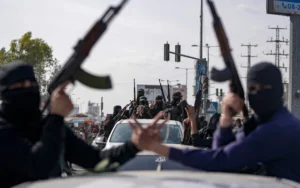
Human rights organizations estimate thousands of demonstrators have been killed and tens of thousands detained in the crackdown, which has involved security forces using live ammunition and heavy crowd control measures against civilians. Video evidence from multiple cities — including Tehran, Abadan, and Mashhad — shows security forces firing into crowds, resulting in mass casualties and a humanitarian crisis that has overwhelmed hospitals and morgues.
Iran’s leadership, under Supreme Leader Ayatollah Ali Khamenei, has repeatedly framed the protests as driven by foreign influences, thus justifying the government’s crackdown as a defense against destabilizing forces. These narratives of external interference have shaped the state media’s portrayal of both protesters and international actors, including the U.S. administration.
What the Threat Meant and Why It Was Broadcast
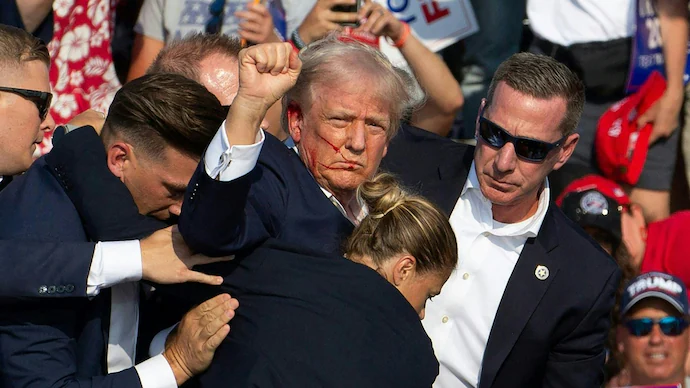
During the broadcast in question, the state television channel shared a still image from the July 2024 assassination attempt on Trump, which had occurred at a political rally in Butler, Pennsylvania. Below this image, state media displayed text threatening that any future attempt “will not miss the target.” The intention, as analysts believe, was symbolic and strategic: to signal defiance against U.S. pressures and to rally domestic supporters of the regime during a period of heightened dissatisfaction and unrest.
This represents perhaps the most direct and hostile verbal confrontation from Iranian official media toward a U.S. political figure in recent history. Previous threats had occurred in limited contexts — including older propaganda videos — but none had included such an explicit, violent message toward Trump himself.
While it may sound sensational, the intent behind such broadcasts is often rooted in domestic politics: signaling strength to internal hardliners, dissuading external pressure, and positioning the regime as unbowed in the face of foreign criticism. Whether Tehran truly intends to act on such words is debated by security experts who point out that brinkmanship rhetoric is a common feature of state media in geopolitical standoffs.
U.S. Reaction: Trump, Diplomacy, and Strategic Posture
In response to the violence in Iran and the recent threat broadcast, Donald Trump has publicly condemned the Iranian government’s actions while stopping short of military retaliation — at least so far. The former president stated that the killing of protesters was “stopping” and claimed he received assurances that there were no current plans for executions of detainees, even as Iranian authorities continue to detain large numbers of civilians.
Trump’s national security team continues to weigh options ranging from diplomatic pressure and sanctions to more forceful measures, such as cyber operations or economic penalties. Although the administration has reduced overt military alerts in some areas, analysts caution that any misstep — either a U.S. military strike or Iranian retaliation — could rapidly spiral into a wider conflict.
Trump also suspended formal diplomatic contacts with Iranian officials and has hinted at economic sanctions on nations trading with Tehran, unless Tehran alters its course on human rights and civil liberties. However, Trump remains cautious about direct military engagement absent clear provocation, balancing political considerations with geopolitical risk.
Regional and Global Reactions
The reaction to Iran’s televised threat and the ongoing unrest has not been limited to Tehran and Washington. Regional powers are watching closely, including Gulf Cooperation Council states, which previously expressed concerns about destabilization given Iran’s influence in Iraq, Syria, and Yemen.
Countries such as Qatar have taken precautionary steps, including protective measures at strategic sites and airports, due to rising tensions. Meanwhile, international organizations, including the United Nations, have called for restraint and dialogue to avoid further loss of life and escalation beyond Iran’s borders.
Human rights groups and foreign governments have criticized Iran’s crackdown, stressing that peaceful protest and civil liberties are fundamental, and warning that state violence could deepen existing social divides and undermine long-term stability in the Middle East.
Historical Patterns and Future Implications
To fully grasp the seriousness of Iran’s televised threat, it’s important to see it against a backdrop of decades-long hostility with the United States and intermittent proxy conflicts across the region. Iran’s Revolutionary Guards and state-affiliated media have, in the past, used aggressive rhetoric aimed at U.S. political figures — but rarely has it been as direct or personal as the broadcast concerning Trump this month.
If the standoff escalates, it could reshape regional alignments, disrupt global energy markets, and strain diplomatic relations with Europe and Asia. Furthermore, Iran’s internal crackdown on protesters could radicalize opposition movements and fuel long-term instability within the country — outcomes that carry global strategic weight.
What This Means Going Forward
Iran’s state TV threat against Donald Trump amid unfolding protests is not just a dramatic media moment — it is a reflection of deep-rooted instability within Iran and rising international pressure. This event highlights how state broadcast narratives can play into geopolitical calculus, domestic politics, and national identity debates. While Tehran’s hostility has drawn international condemnation, U.S. responses have been measured — balancing condemnation with restraint to avoid triggering an outright military confrontation.
The coming weeks will likely see continued diplomatic maneuvering, debates over sanctions, and possibly renewed calls for humanitarian intervention to protect protesters. As the global community watches, the situation underscores how volatile modern geopolitics can become when domestic unrest intersects with historical rivalries and media-driven provocations.
Subscribe to trusted news sites like USnewsSphere.com for continuous updates.