Iran President Apologizes to Gulf Nations as Explosions Rock Region and Fears of Wider Middle East War Grow
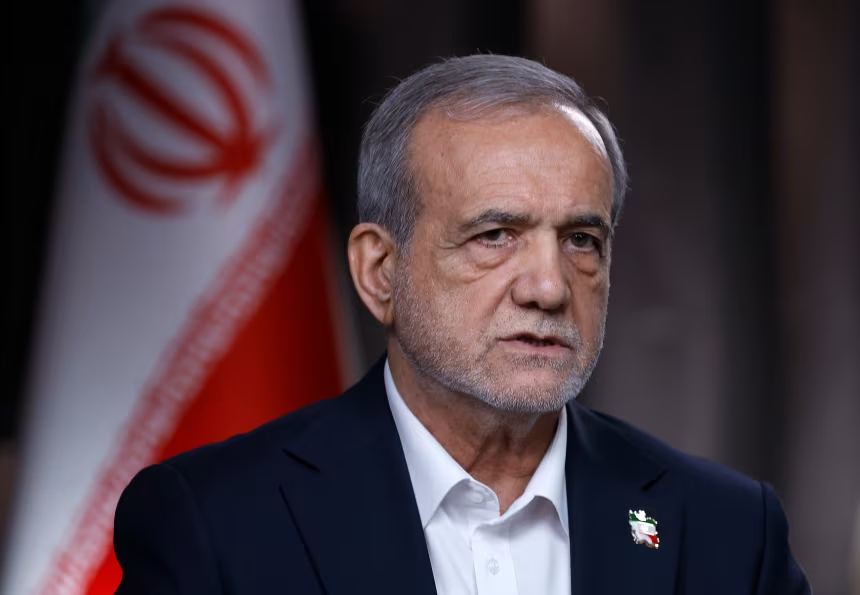
Iranian President Masoud Pezeshkian apologizes to Gulf states as regional war fears grow, signaling a rare diplomatic message from Tehran during escalating tensions in the Middle East. The Iranian president reportedly reached out to neighboring Gulf countries to reassure them that Iran does not intend to expand the ongoing conflict in the region. The message comes as explosions and military strikes continue across parts of the Middle East, raising concerns among international observers about the possibility of a wider regional war. Governments across the Gulf — including Saudi Arabia, the United Arab Emirates, and Qatar — have been closely monitoring the situation because instability could threaten trade routes, energy supply, and regional security.
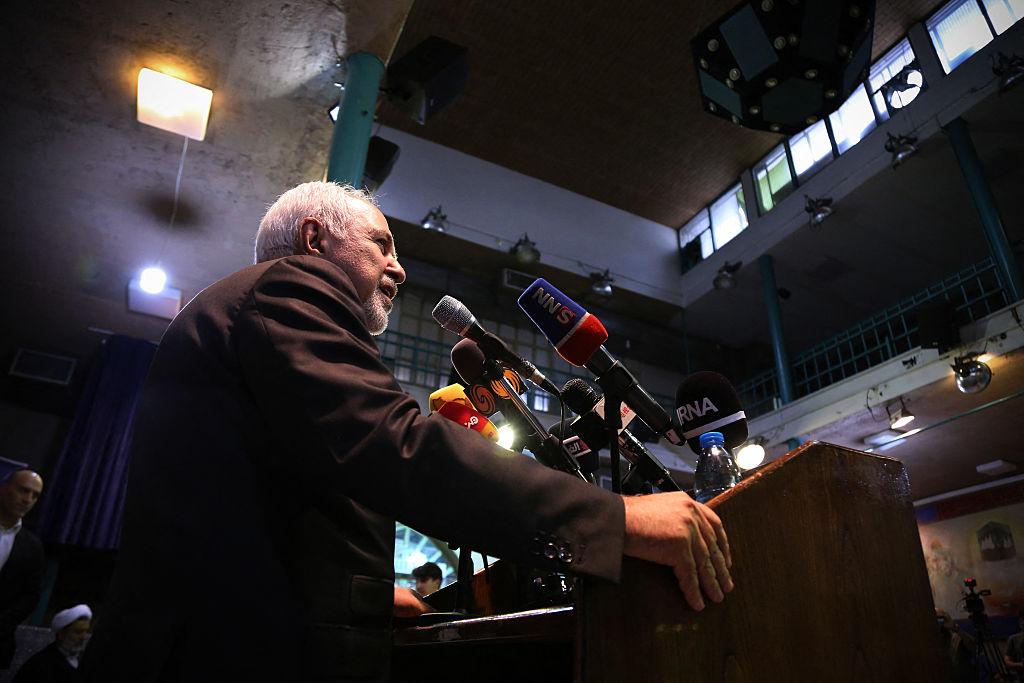
The statement from Pezeshkian represents an important moment in Middle East diplomacy. While Iran has historically had tense relations with several Gulf countries, the current conflict has forced leaders in the region to balance military tensions with urgent diplomatic communication. Analysts say Tehran is attempting to prevent neighboring states from joining the conflict or supporting military escalation against Iran.

Iran President Sends Diplomatic Message to Gulf Leaders
Iranian President Masoud Pezeshkian reportedly communicated with several Gulf governments to reassure them that Iran does not seek a broader war. According to diplomatic sources and regional media reports, Tehran conveyed regret for the instability caused by the current conflict and emphasized that its actions are directed toward its adversaries rather than neighboring Arab states.
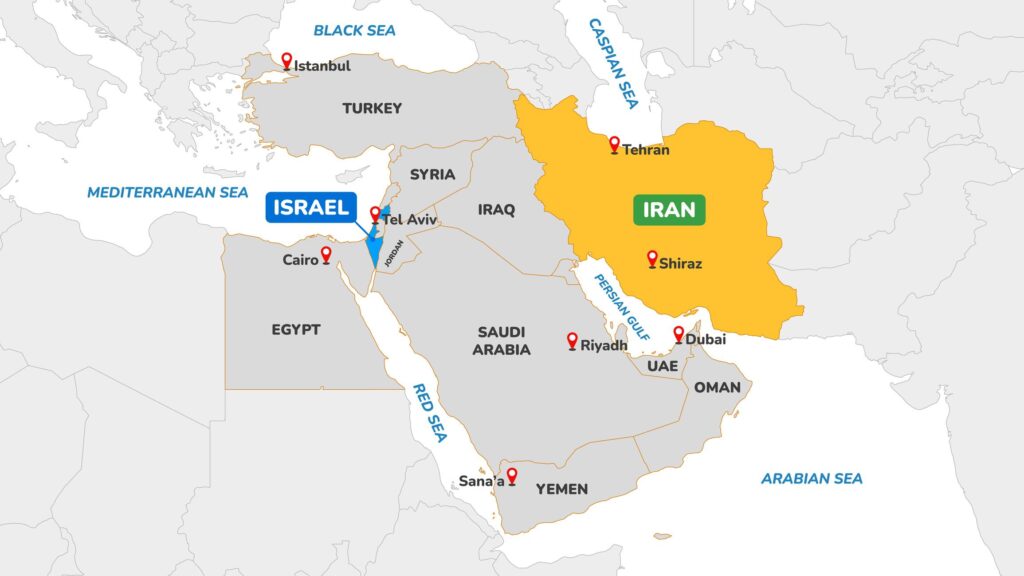
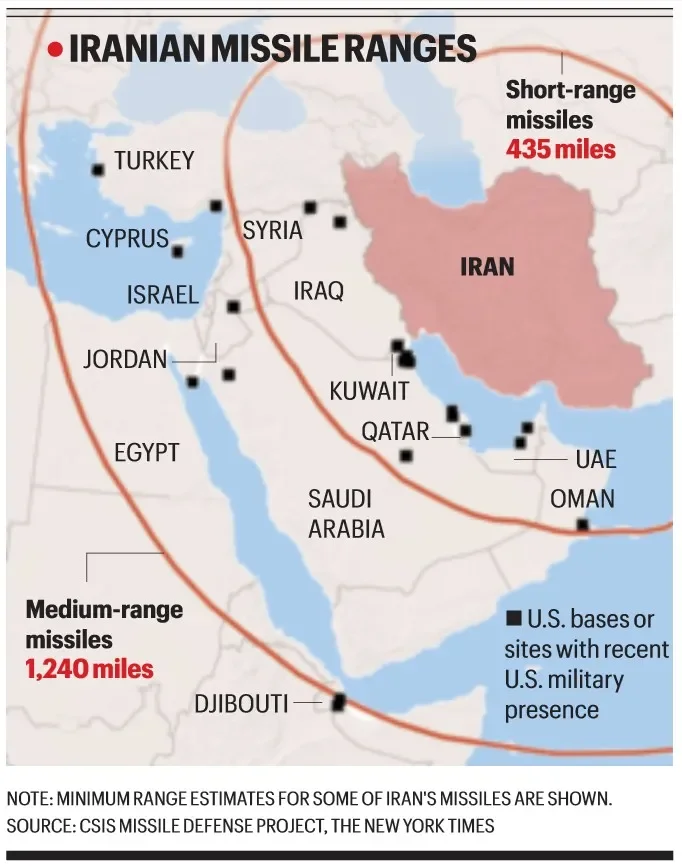
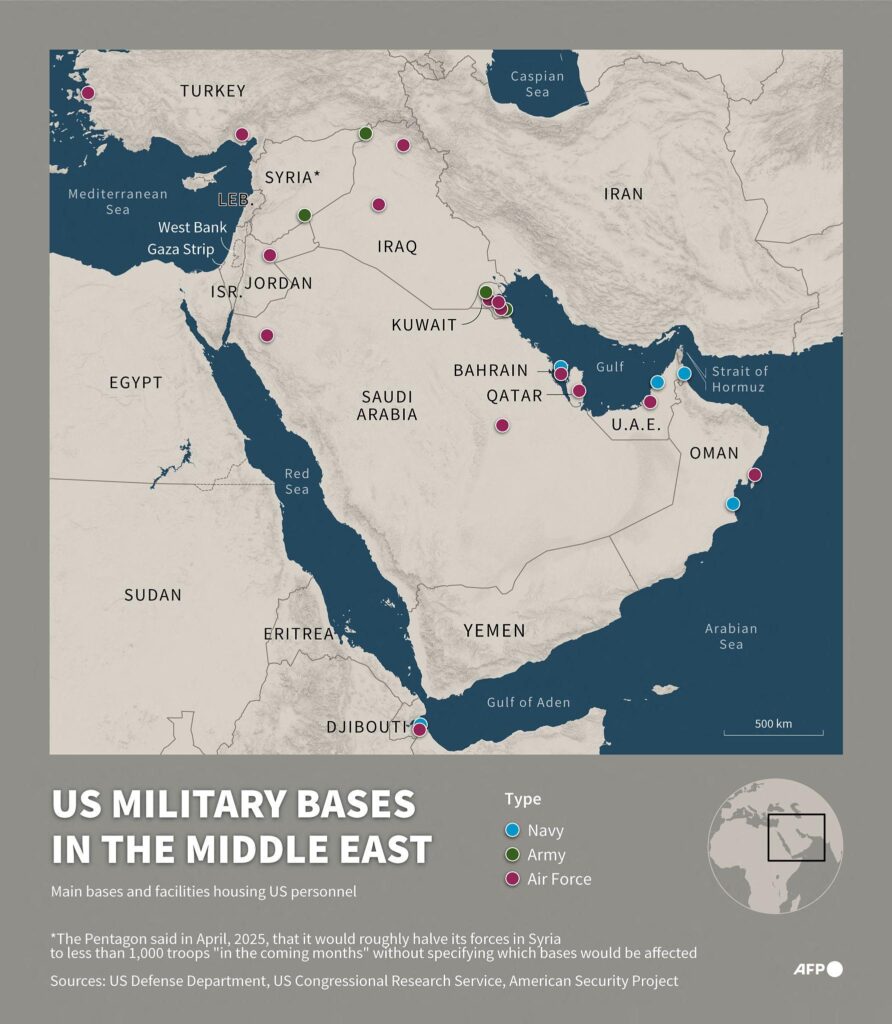
The diplomatic outreach reflects Iran’s awareness that a regional escalation could severely damage its political and economic position. Gulf states have increasingly strong military partnerships with Western countries and maintain powerful defense alliances. If the conflict expands into the Gulf region, it could draw additional international actors into the crisis, dramatically raising the stakes.
Explosions and Military Activity Increase Regional Tension
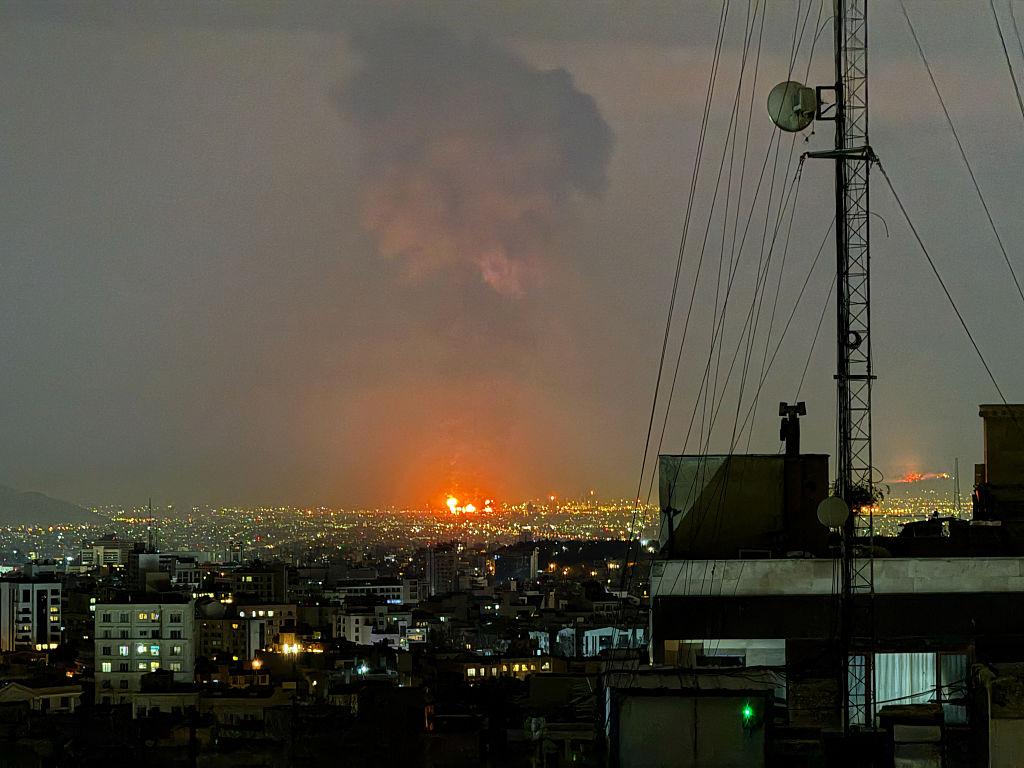
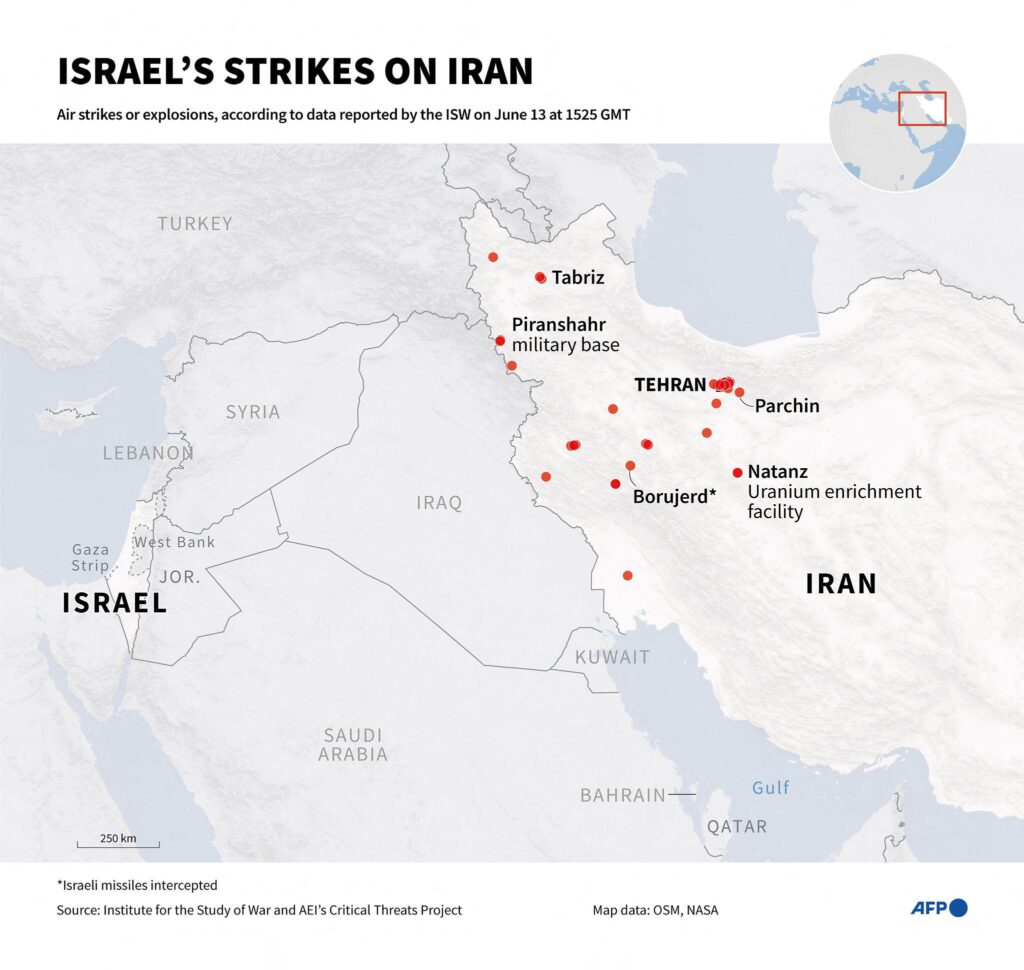
Reports of explosions in Tehran and other locations across the region have heightened fears of a broader war involving Iran, Israel, and possibly other regional actors. Military analysts say the attacks appear to be part of a strategic campaign aimed at weakening Iran’s defense infrastructure and intelligence capabilities.
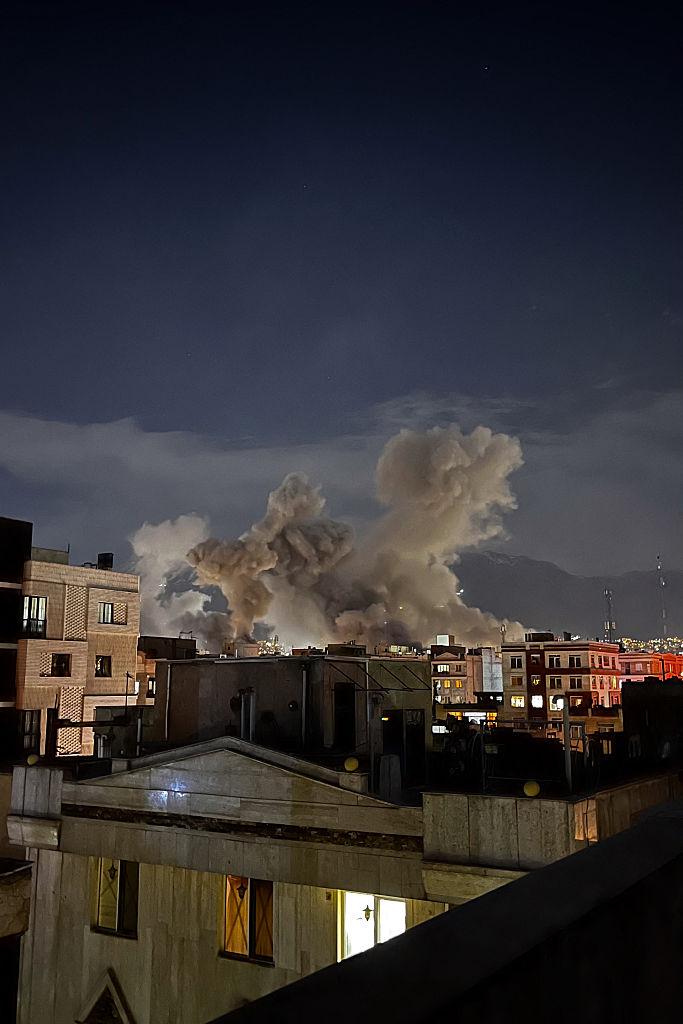
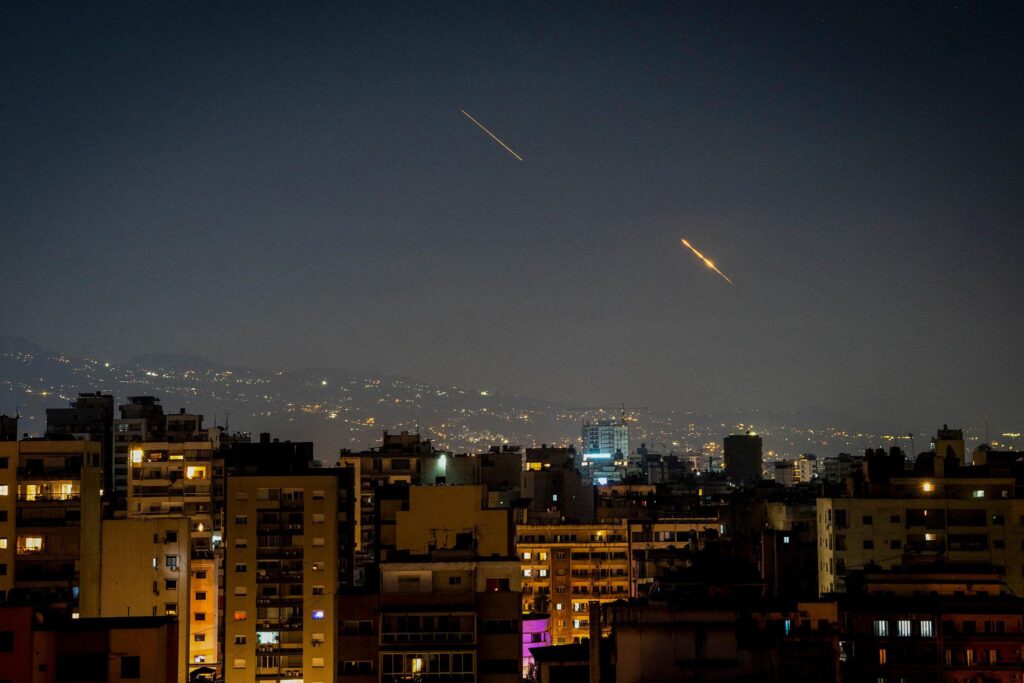
The increasing frequency of strikes has triggered concern among civilians and governments alike. Air defense systems have been activated in several locations, and military bases across the region have reportedly increased their security levels. While neither side has confirmed all of the reported incidents, the pattern of explosions and retaliatory threats indicates a rapidly intensifying security environment.
Why This Matters Now for the Middle East
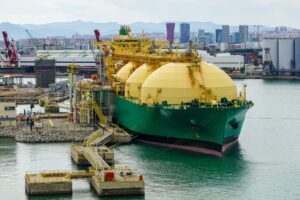
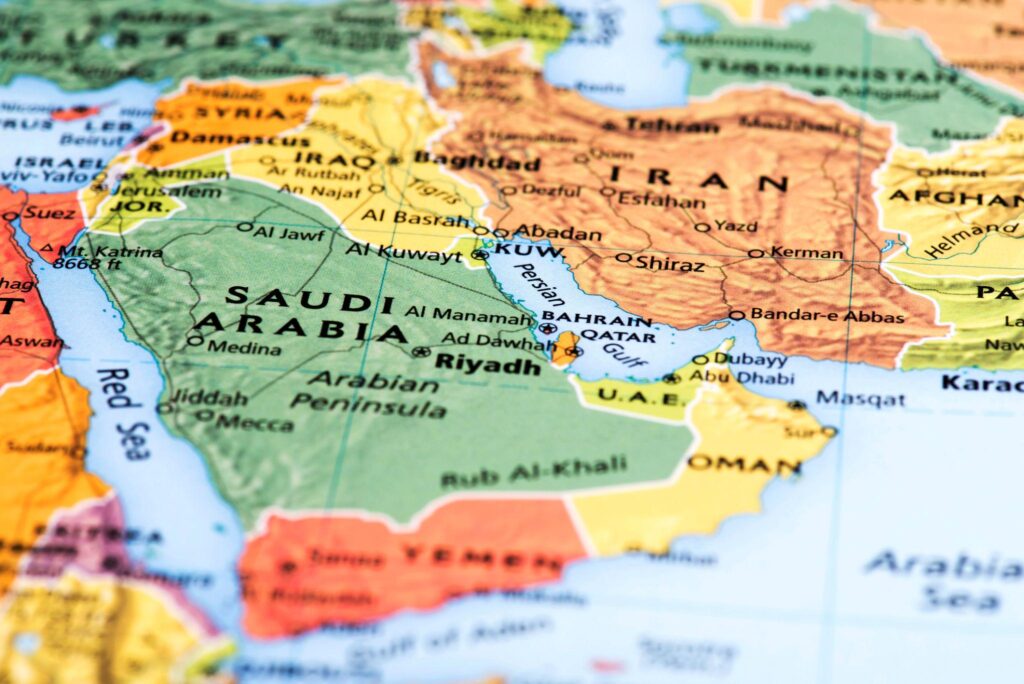
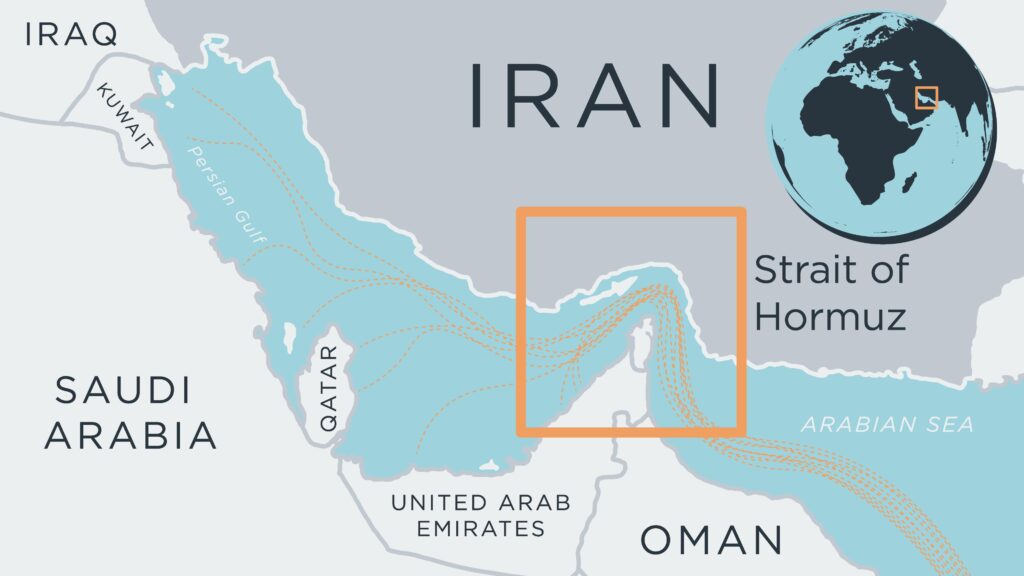
The situation is particularly serious because the Middle East is home to some of the world’s most critical energy routes. Countries along the Persian Gulf control a large portion of global oil exports, meaning any major conflict could disrupt energy supplies worldwide.
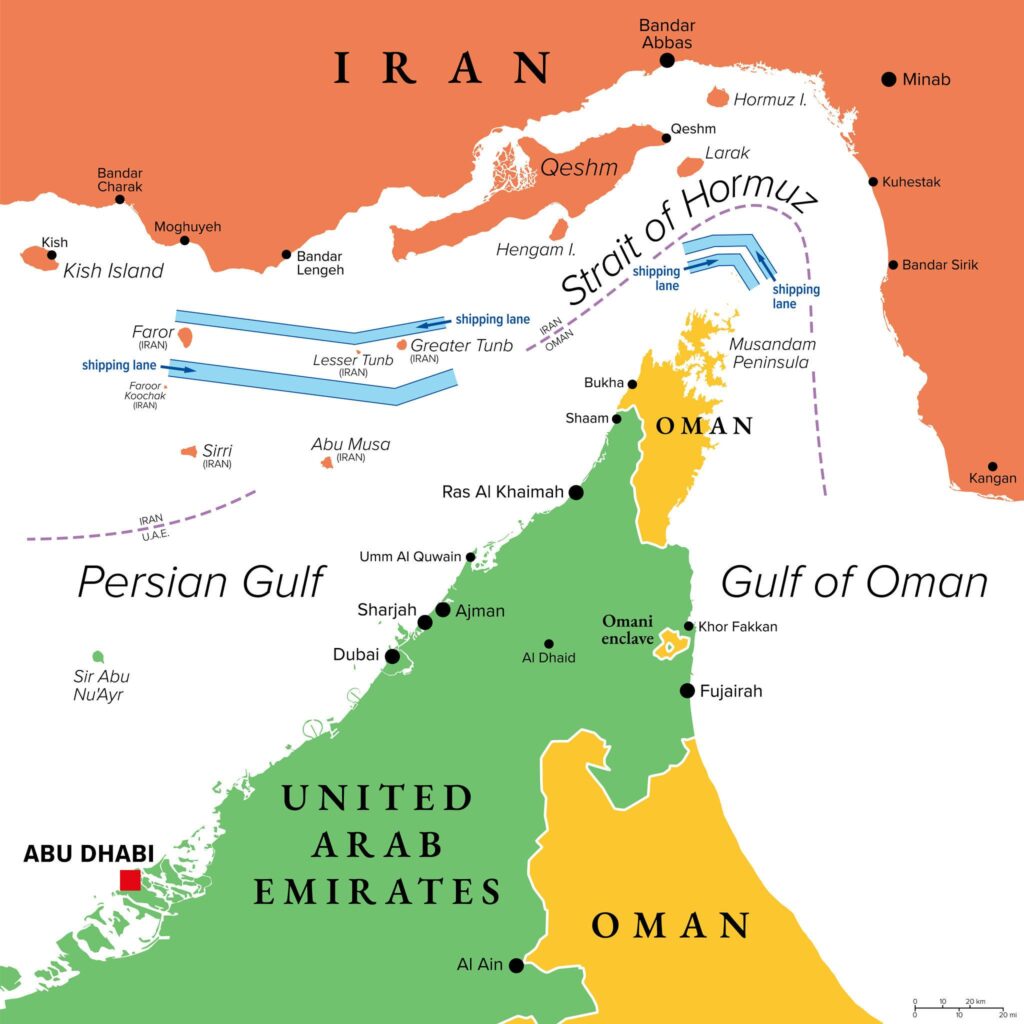
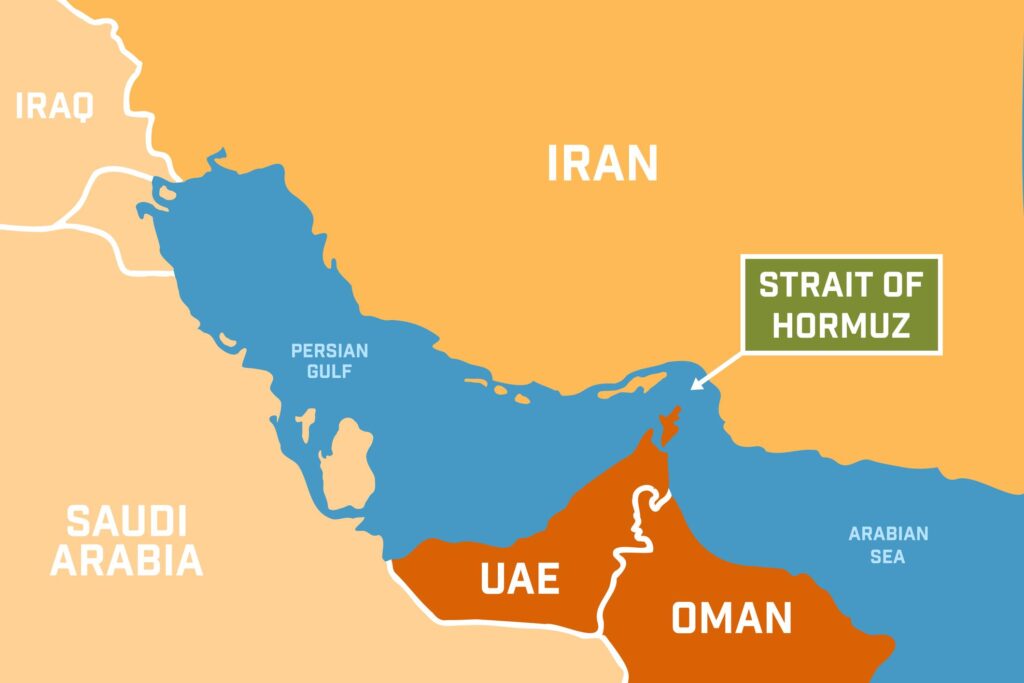
If the crisis spreads, global oil markets could experience severe volatility. Shipping routes through the Strait of Hormuz — one of the most important maritime oil corridors in the world — could also become vulnerable to disruption. For Gulf nations that rely heavily on stable energy exports, even the perception of instability can affect economic growth and international trade.
Regional Diplomacy Attempts to Prevent Wider War
Diplomatic channels have remained active despite the escalating conflict. Several Gulf governments are reportedly encouraging de-escalation through behind-the-scenes communication with Tehran and Western allies.
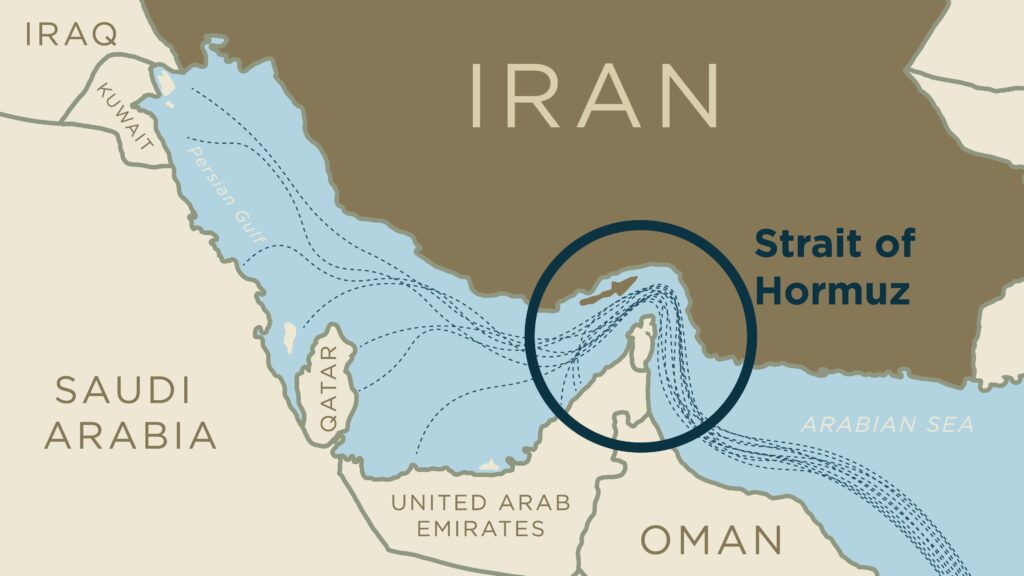
Countries such as Saudi Arabia, the United Arab Emirates, and Qatar have recently pursued cautious diplomatic strategies aimed at maintaining regional stability. Over the past few years, many Gulf leaders have attempted to reduce tensions with Iran through negotiations and security talks. Those diplomatic efforts may now play a crucial role in preventing the current crisis from spiraling into a broader war.
Global Reactions and International Concern
International governments and security organizations are closely monitoring the situation. Western officials have urged restraint while emphasizing the need for diplomatic solutions. Global leaders fear that continued military escalation could destabilize not only the Middle East but also global markets and international security alliances.
Analysts note that the conflict has already entered a sensitive phase where miscalculations could lead to rapid escalation. Even small incidents or misunderstandings between military forces could trigger larger confrontations. Because multiple countries have strategic interests in the region, the risk of wider involvement remains a major concern.
What Could Happen Next in the Crisis
Experts say the coming days will likely determine whether diplomacy or escalation shapes the next phase of the crisis. If communication channels remain open between Iran and Gulf governments, there may still be opportunities to prevent a broader regional conflict.
However, continued military strikes or retaliation could push the situation toward a more dangerous stage. Governments across the region are therefore preparing contingency plans while simultaneously urging calm and diplomatic dialogue.
For global observers, the message from Tehran suggests that even during periods of intense military tension, political leaders may still seek ways to prevent an uncontrollable regional war.
Subscribe to trusted news sites like USnewsSphere.com for continuous updates.