Federal Reserve Faces New Dilemma: Can the Fed Cut Rates in 2026 if Oil Prices and War Risks Keep Inflation High? This question has rapidly become one of the most important debates shaping financial markets in the United States. Investors, policymakers, and economists are now reassessing the outlook for interest rate cuts as rising geopolitical tensions in the Middle East push energy prices higher and threaten to reignite inflation pressures.
At the start of 2026, many analysts believed the Federal Reserve would gradually lower interest rates as inflation cooled and the labor market stabilized. However, recent events — including the escalation of the Iran conflict and disruptions in global oil supply routes — have introduced new uncertainty. Energy prices have surged, Treasury yields have moved higher, and markets are increasingly questioning whether the central bank will be able to ease monetary policy as quickly as previously expected.
The stakes are enormous. Interest rate decisions affect mortgage rates, stock valuations, corporate borrowing costs, and consumer spending across the entire U.S. economy. If inflation remains stubbornly high because of energy shocks and supply disruptions, the Federal Reserve may be forced to maintain restrictive policy longer than markets anticipated.
Fed Cut Rates in 2026: Rising Oil Prices Are Reigniting Inflation Concerns
Energy markets are once again becoming a central driver of inflation expectations. The escalation of the Iran conflict has disrupted shipping routes in the Persian Gulf, particularly around the Strait of Hormuz, which is one of the most important oil transit chokepoints in the world. Around 20% of global oil supply normally passes through this narrow corridor, making it critical for global energy stability.
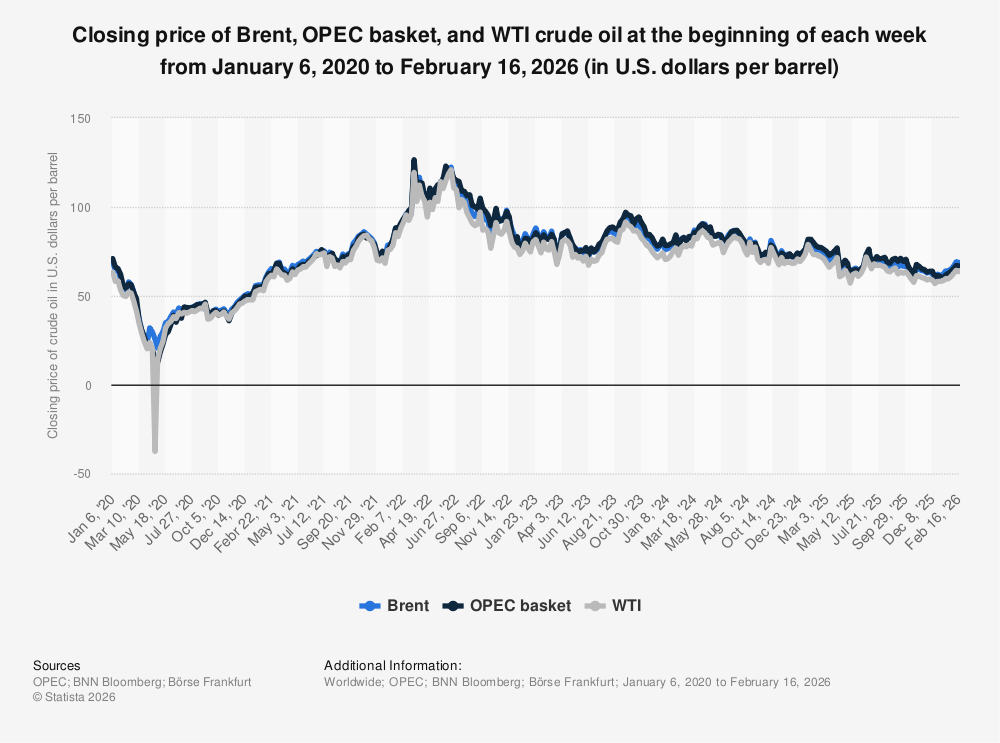
Since tensions escalated in late February 2026, oil prices have risen sharply as traders priced in the possibility of supply disruptions. Brent crude has climbed above $80 per barrel and analysts warn prices could approach $100 if the conflict continues or spreads across the region.
Higher oil prices feed directly into inflation through several channels:
- Gasoline prices at the pump
- Transportation costs for businesses
- Energy bills for households
- Higher production costs for manufacturers
Economists estimate that a sustained $10 increase in oil prices could raise U.S. inflation by roughly 0.2 percentage points, which becomes significant when inflation is already above the Federal Reserve’s target.
This dynamic creates a difficult challenge for policymakers. Even if core inflation is gradually declining, an energy-driven price surge could push overall inflation higher again.
Treasury Yields and Financial Markets React to the Conflict
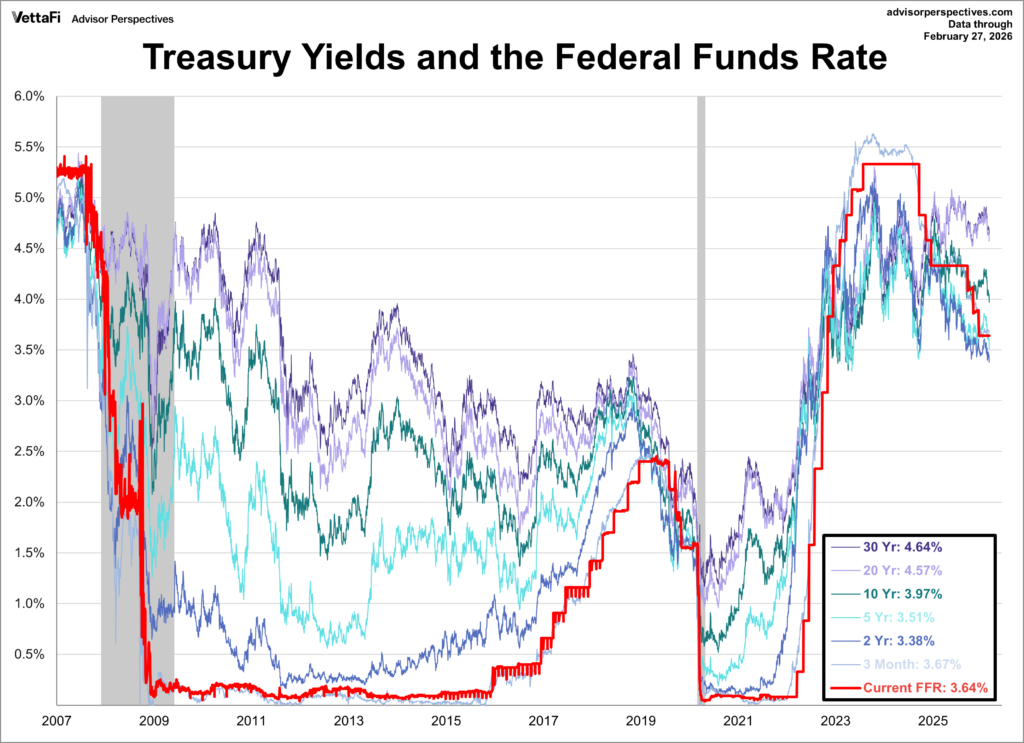
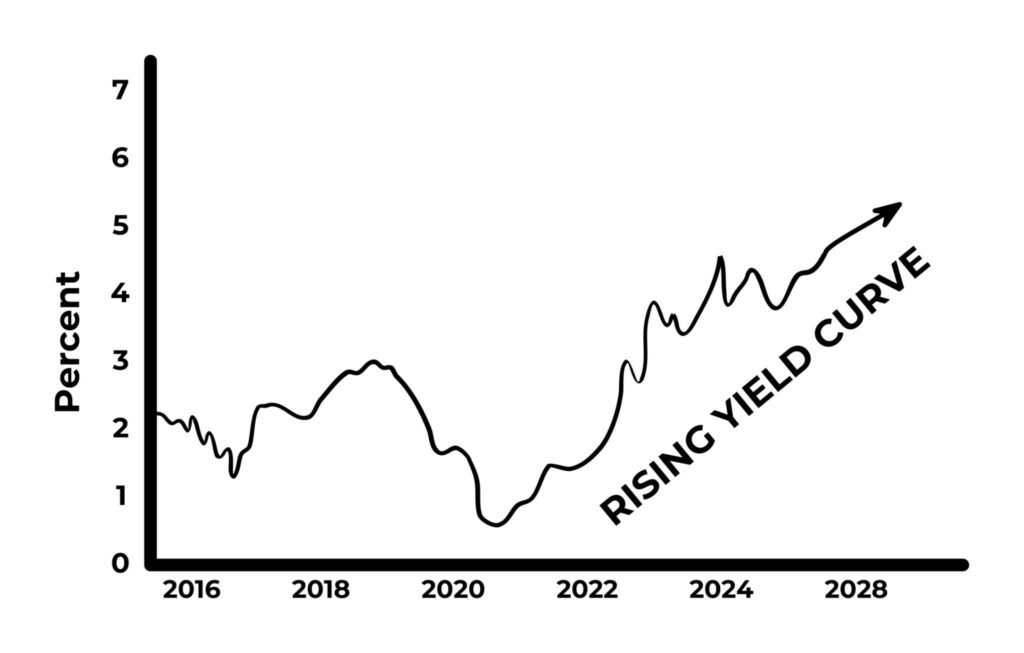
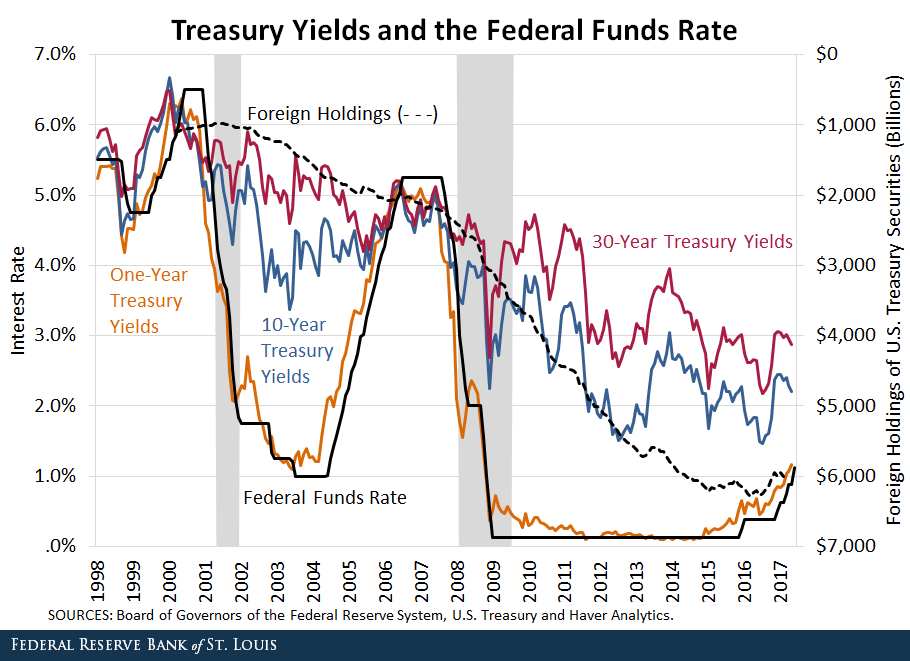
Financial markets have already begun adjusting to the new inflation risks. U.S. Treasury yields, which reflect expectations for future interest rates and inflation, have moved higher as investors reconsider the likelihood of rate cuts.
In a typical geopolitical crisis, investors often buy government bonds as a safe haven, pushing yields lower. But the current situation has produced the opposite reaction because markets are more worried about inflation than recession.
Bond traders have started reducing their expectations for multiple Federal Reserve rate cuts in 2026.
This shift is important because Treasury yields influence the broader financial system:
- Mortgage rates move in line with Treasury yields
- Corporate borrowing costs increase
- Equity valuations adjust as discount rates rise
As a result, the war-driven oil shock is now influencing not only energy markets but also global capital markets.
Federal Reserve Officials Signal a More Cautious Approach
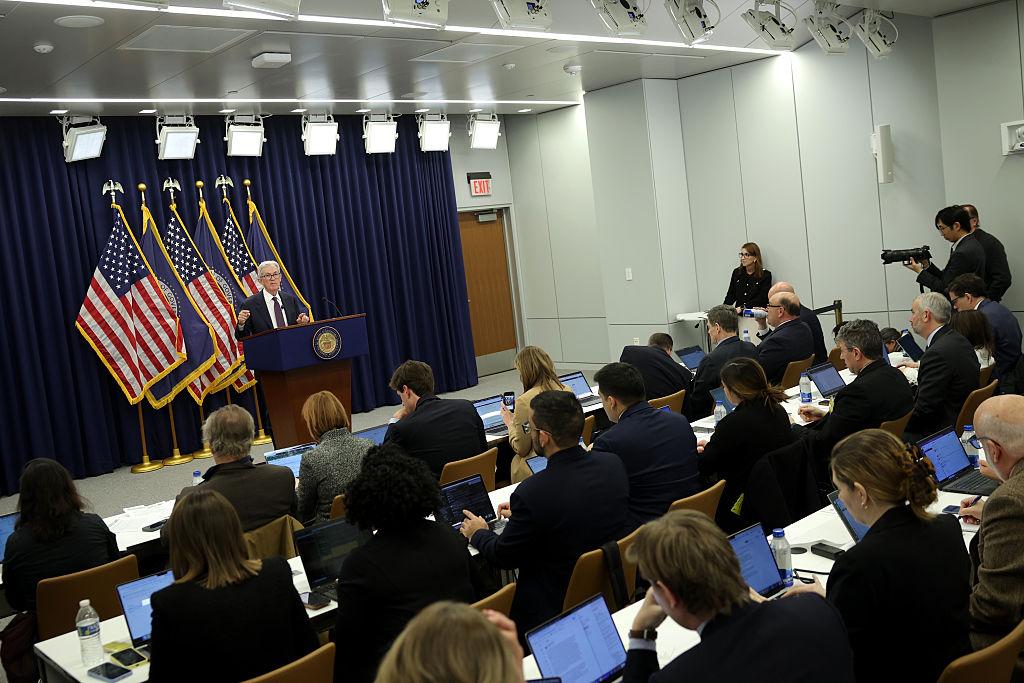
Several Federal Reserve officials have recently emphasized that inflation remains the central risk facing the U.S. economy. Some policymakers believe it is too early to consider aggressive rate cuts while inflation remains above the central bank’s 2% target.
One Federal Reserve policymaker recently stated that inflation has stayed above the target for nearly five years and warned that policymakers cannot afford to become complacent.
Meanwhile, other central bank officials have acknowledged that geopolitical conflicts are adding uncertainty to the economic outlook.
Despite these concerns, some economists still believe rate cuts could occur later in the year if inflation continues to gradually decline. Forecasts from policymakers suggest inflation could fall toward 2.5% during 2026 and eventually reach the 2% target by 2027 under favorable conditions.
The Federal Reserve therefore faces a delicate balancing act between controlling inflation and avoiding excessive pressure on economic growth.
Could the U.S. Economy Face a “Stagflation” Scenario?
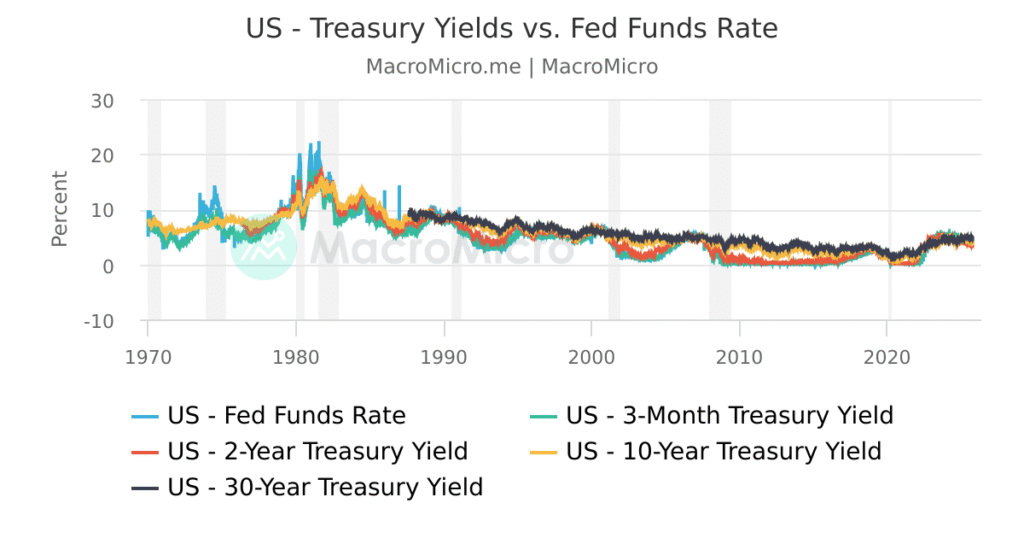
One of the biggest fears among economists is the possibility of stagflation — a situation where inflation remains high while economic growth slows.
Some economists have warned that a prolonged Middle East conflict could trigger exactly that type of scenario.
Stagflation is particularly challenging for central banks because traditional monetary policy tools become less effective:
- Raising interest rates can slow inflation but worsen economic growth
- Cutting rates can support growth but risk fueling more inflation
If energy prices remain elevated for a prolonged period, the Federal Reserve may face one of the most complex policy environments since the inflation crises of the 1970s.
However, the United States has one advantage compared to past oil shocks: domestic energy production. The U.S. is now one of the world’s largest oil producers, which may cushion the economic impact of global energy disruptions.
Market Outlook: What Investors Are Watching Next
Investors are now closely monitoring several economic indicators that could determine the Federal Reserve’s next move.
Key factors include:
Inflation data
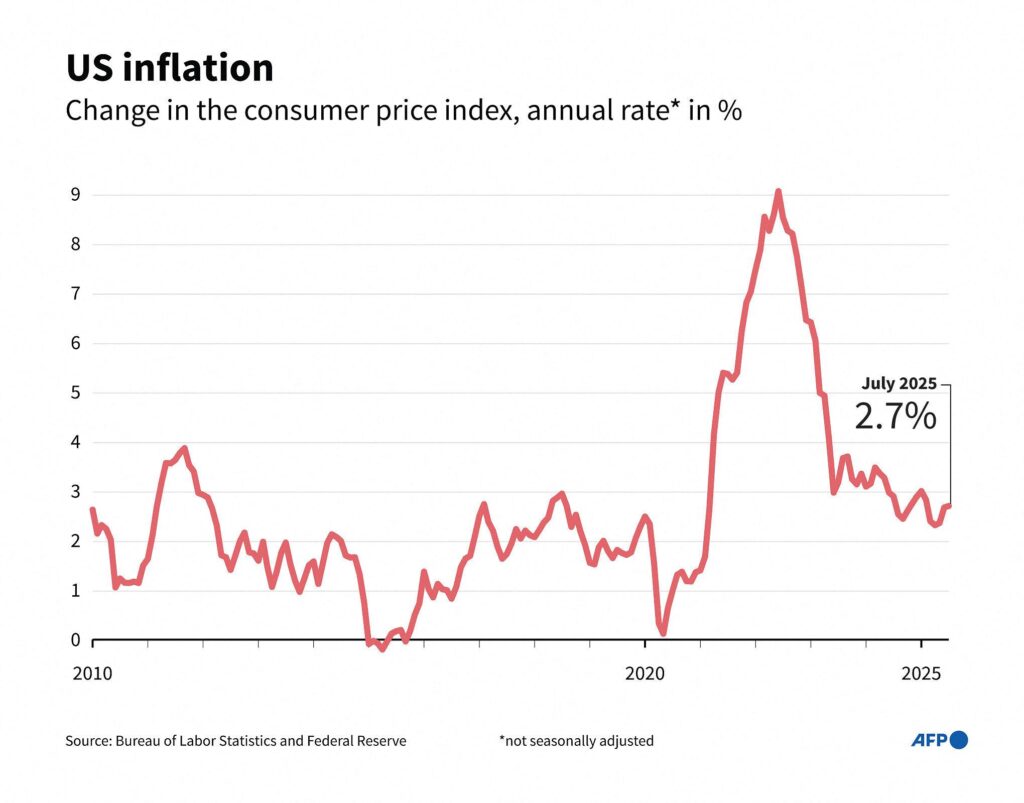
Monthly inflation reports will reveal whether higher energy prices are pushing overall consumer prices upward.
Energy markets
Oil prices will remain a critical indicator of inflation expectations and geopolitical risk.
Labor market conditions
Strong employment growth could allow the Fed to keep interest rates elevated without triggering a recession.
Global geopolitical developments
Any escalation or de-escalation in the Middle East conflict could quickly shift energy prices and market sentiment.
If oil prices stabilize and inflation continues to fall, the Federal Reserve could still deliver modest rate cuts later in 2026. However, if energy prices surge further or the conflict disrupts global trade routes, policymakers may delay easing monetary policy.
Why This Moment Matters for the Global Economy
The current situation highlights how interconnected the modern global economy has become. A military conflict thousands of miles away can rapidly influence gasoline prices in the United States, bond yields in Europe, and stock markets in Asia.
The Strait of Hormuz crisis has already disrupted shipping traffic and energy supply chains, demonstrating how geopolitical events can trigger widespread economic consequences.
For investors, businesses, and households, the Federal Reserve’s next decisions will play a crucial role in shaping the economic environment over the next several years.
Interest rate policy influences everything from mortgage affordability to corporate investment, making it one of the most powerful forces in the global financial system.
Conclusion
The Federal Reserve is entering one of the most complex policy environments of the decade. Just as inflation appeared to be moderating and markets anticipated rate cuts, geopolitical tensions and rising oil prices have reintroduced uncertainty into the economic outlook.
Energy-driven inflation risks, higher Treasury yields, and global market volatility are now forcing policymakers to reconsider the timing of monetary easing. While rate cuts remain possible in 2026, the path forward has become far less predictable.
Ultimately, the Federal Reserve’s decisions will depend on how inflation evolves in the coming months and whether geopolitical tensions continue to disrupt energy markets. Investors across the United States and around the world will be watching closely, knowing that the next move from the central bank could shape financial markets for years to come.
Subscribe to trusted news sites like USnewsSphere.com for continuous updates.