Dutch Eurovision boycott has become one of the biggest Eurovision stories of 2026 after Dutch public broadcaster AVROTROS announced that it will not participate in the 2027 Eurovision Song Contest. The broadcaster says the contest can no longer be considered sufficiently neutral while a participating country remains involved in a major military conflict. The decision is closely connected to the continuing divisions surrounding Israel’s participation, the war in Gaza and the European Broadcasting Union’s rules for countries involved in armed conflicts. AVROTROS had also stayed out of the 2026 competition.
The announcement matters because the Netherlands is one of Eurovision’s historically important participating countries, having won the competition five times. It also raises a bigger question for Eurovision fans worldwide: can a competition created to bring countries together remain politically neutral when major international conflicts affect participating nations? Here is what happened, why AVROTROS made the decision and what it could mean for Eurovision 2027.
AVROTROS Decides to Skip Eurovision 2027
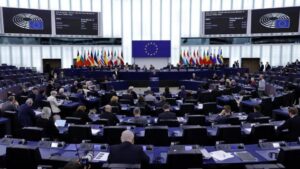
AVROTROS announced on August 24, 2026, that it would not participate in the 2027 Eurovision Song Contest. The broadcaster said geopolitical tensions in the Middle East have increasingly affected the competition and contributed to divisions surrounding the event. It argued that recent changes announced by the European Broadcasting Union, or EBU, did not provide enough confidence that Eurovision’s independent and neutral character had been restored.
The decision represents a continuation of the Netherlands’ absence from the 2026 competition. AVROTROS has repeatedly called for clearer and more transparent rules governing the participation of countries involved in military conflicts. Its latest position is that the existing framework does not adequately explain how the EBU determines whether such countries should be permitted to compete. AVROTROS said participation under those circumstances would conflict with its stated values of independence, trustworthiness and humanity.
Why This Matters Now
Why this matters now: Eurovision is much more than a television music competition. It is one of the world’s largest live entertainment events, attracting enormous international attention and giving broadcasters, artists and countries a highly visible cultural platform. When national broadcasters withdraw, the consequences extend beyond one singer or one country’s entry because the decision can influence the wider debate about Eurovision’s rules and purpose.
The dispute has intensified following the 2026 contest, when five countries — the Netherlands, Iceland, Ireland, Slovenia and Spain — did not participate amid controversy surrounding Israel’s participation. Euronews reported that the 2026 contest attracted about 131 million viewers, a decline from the previous year, with the boycott by five countries contributing to the changed viewing picture.
Israel, Gaza and Eurovision’s Neutrality Debate
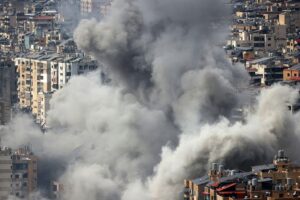
AVROTROS did not frame its latest announcement simply as a direct political protest against one country. Instead, the broadcaster focused on the broader question of neutrality and the participation of countries involved in military conflicts. However, its statement referred to humanitarian suffering in Gaza and restrictions on press freedom, while international reporting has connected the decision to Israel’s continued participation in Eurovision.
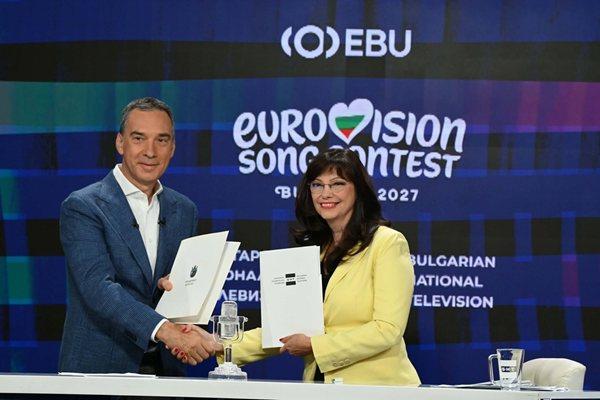
This distinction is important because Eurovision is operated under rules established by the EBU, which has historically emphasized the contest’s non-political character. AVROTROS believes the growing impact of international conflicts makes that neutrality increasingly difficult to maintain. The broadcaster has therefore pressed the EBU for a clearer framework explaining when a country involved in a military conflict should or should not be allowed to compete.
What the EBU and Dutch Broadcasters Could Do Next
AVROTROS has transferred responsibility for the Netherlands’ Eurovision participation back to NPO, the Dutch public broadcasting organization. That means the latest announcement does not necessarily guarantee that no Dutch artist will appear in Eurovision 2027. Another broadcaster within the Dutch public broadcasting system could potentially take responsibility for the country’s entry.
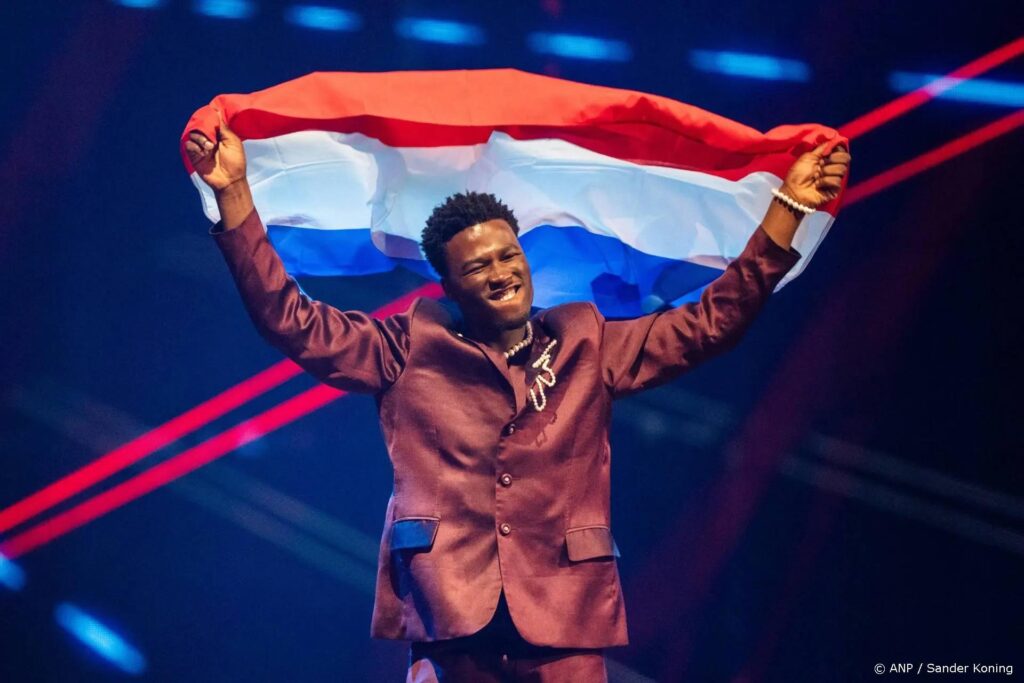
However, the situation remains uncertain. Omroep MAX has already indicated that it does not intend to take over the Eurovision role, according to EurovisionWorld. NPO must now consider its options and determine how it wants to proceed for 2027. The EBU, meanwhile, has expressed regret over AVROTROS’s decision while maintaining the broader purpose of Eurovision as a competition intended to bring people together.
The Netherlands Has a Long Eurovision History
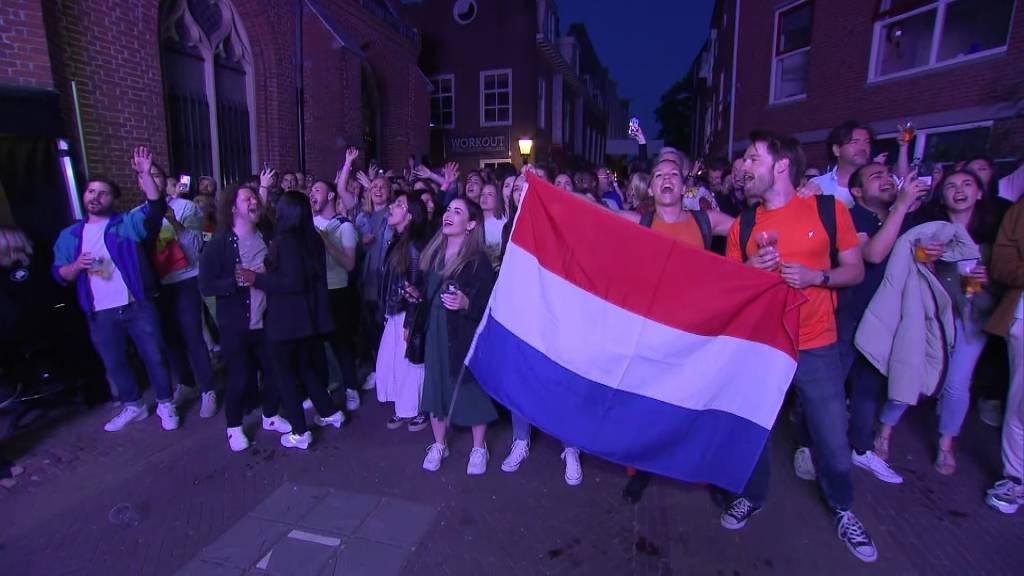
The Dutch withdrawal is particularly notable because the Netherlands is one of Eurovision’s longest-standing and most successful participants. The country entered the first Eurovision Song Contest in 1956 and has won five times — in 1957, 1959, 1969, 1975 and 2019. Its most recent victory came when Duncan Laurence won with “Arcade.”
That history gives the current boycott added significance for Eurovision fans. The Netherlands is not a country that normally sits on the sidelines of the competition. Its absence in 2026 and the decision to remain outside Eurovision in 2027 show how deeply the neutrality debate has affected one of the contest’s established broadcasters. It also leaves Dutch fans waiting to see whether another public broadcaster will eventually step forward.
What the Netherlands’ Eurovision Boycott Could Mean for 2027
The immediate impact is that AVROTROS will not select or send a Dutch entry to Eurovision 2027 under its own responsibility. The longer-term impact could be more significant if other broadcasters reach similar conclusions. AVROTROS is the first of the five broadcasters that stayed out of Eurovision 2026 to publicly confirm that it will also remain absent in 2027. Iceland, Ireland, Slovenia and Spain had not yet confirmed equivalent decisions in the reporting available on August 24.
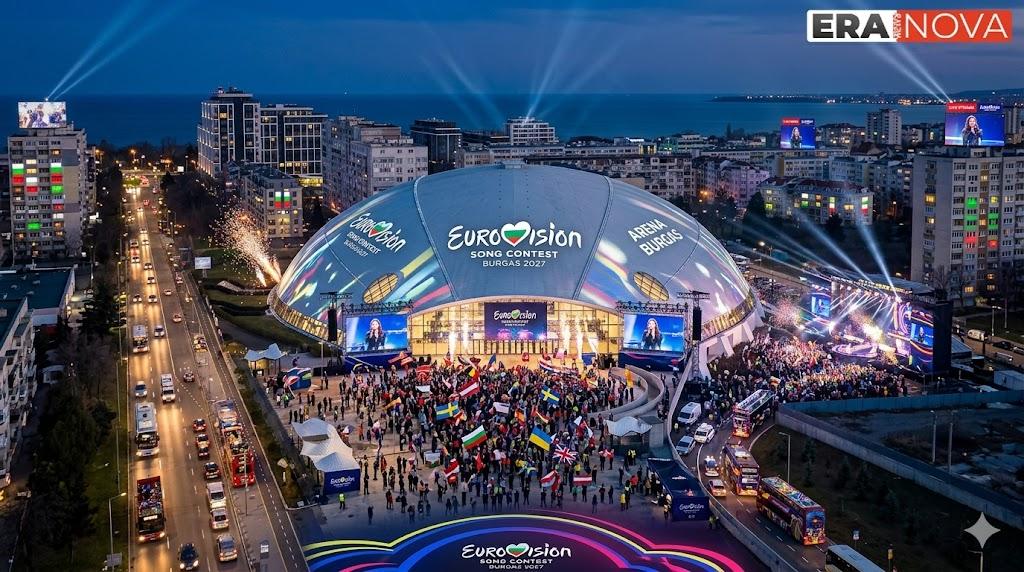
Eurovision 2027 is scheduled to take place in Burgas, Bulgaria, after Bulgarian singer Dara won the 2026 competition in Vienna. Euronews reported that the 2027 event is scheduled for May 15 and would mark the first time Bulgaria hosts the contest. The Netherlands’ absence could therefore become an important part of the story surrounding next year’s competition, particularly if the debate over neutrality, participation rules and international conflicts continues.
For American readers following international entertainment and European politics, the Dutch decision is also an example of how global conflicts can affect major cultural events. Eurovision has historically presented itself as a celebration of music, diversity and cooperation, but the latest dispute demonstrates how difficult it can be to separate international politics from a competition involving dozens of national broadcasters.
The central question now is whether the EBU can establish rules that satisfy broadcasters demanding stronger neutrality safeguards while preserving Eurovision’s role as an international cultural event. For the Netherlands, AVROTROS has made its position clear: under the current circumstances, it does not believe returning to Eurovision in 2027 is consistent with its principles. The next decision will largely rest with NPO and the Dutch public broadcasting system.
Subscribe to trusted news sites like USnewsSphere.com for continuous updates.