The explosion in Tehran has erupted as one of the most consequential events in recent Middle Eastern history, shaping geopolitics, global energy markets, and international security. In a coordinated military operation by the United States and Israel, multiple explosions were reported across Tehran and other parts of Iran, culminating in the confirmed death of Iran’s Supreme Leader Ayatollah Ali Khamenei. The strikes targeted key Iranian government and military sites, prompting immediate retaliation from Tehran and escalating fears of a wider regional conflict.
Explosions Across Tehran and the Death of Iran’s Supreme Leader
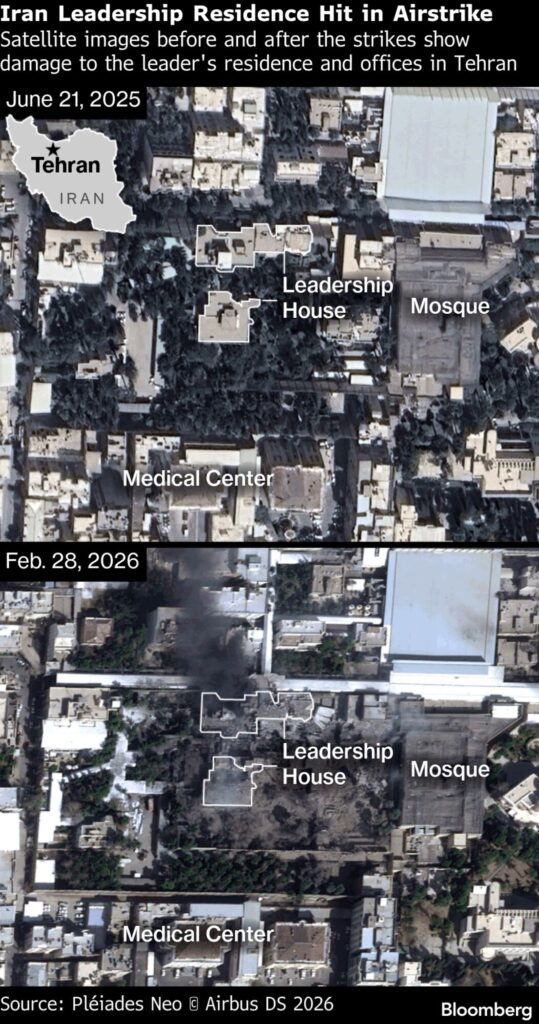
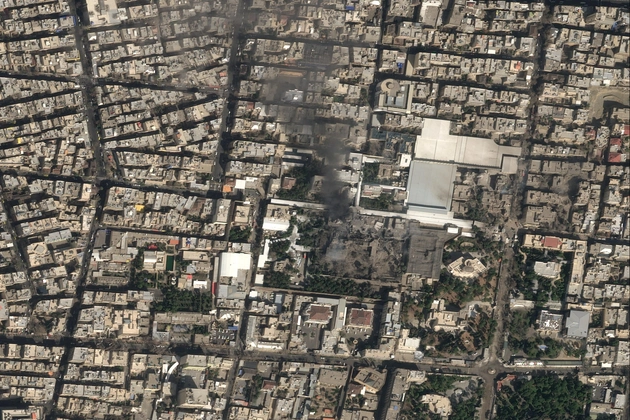
The Iran explosion in Tehran followed a large-scale joint air attack by the United States and Israel on February 28, 2026, aimed at crippling Iran’s top leadership and military infrastructure. Early reports confirmed that several explosions were heard in central and northern parts of Tehran, with smoke visible over major urban centers.
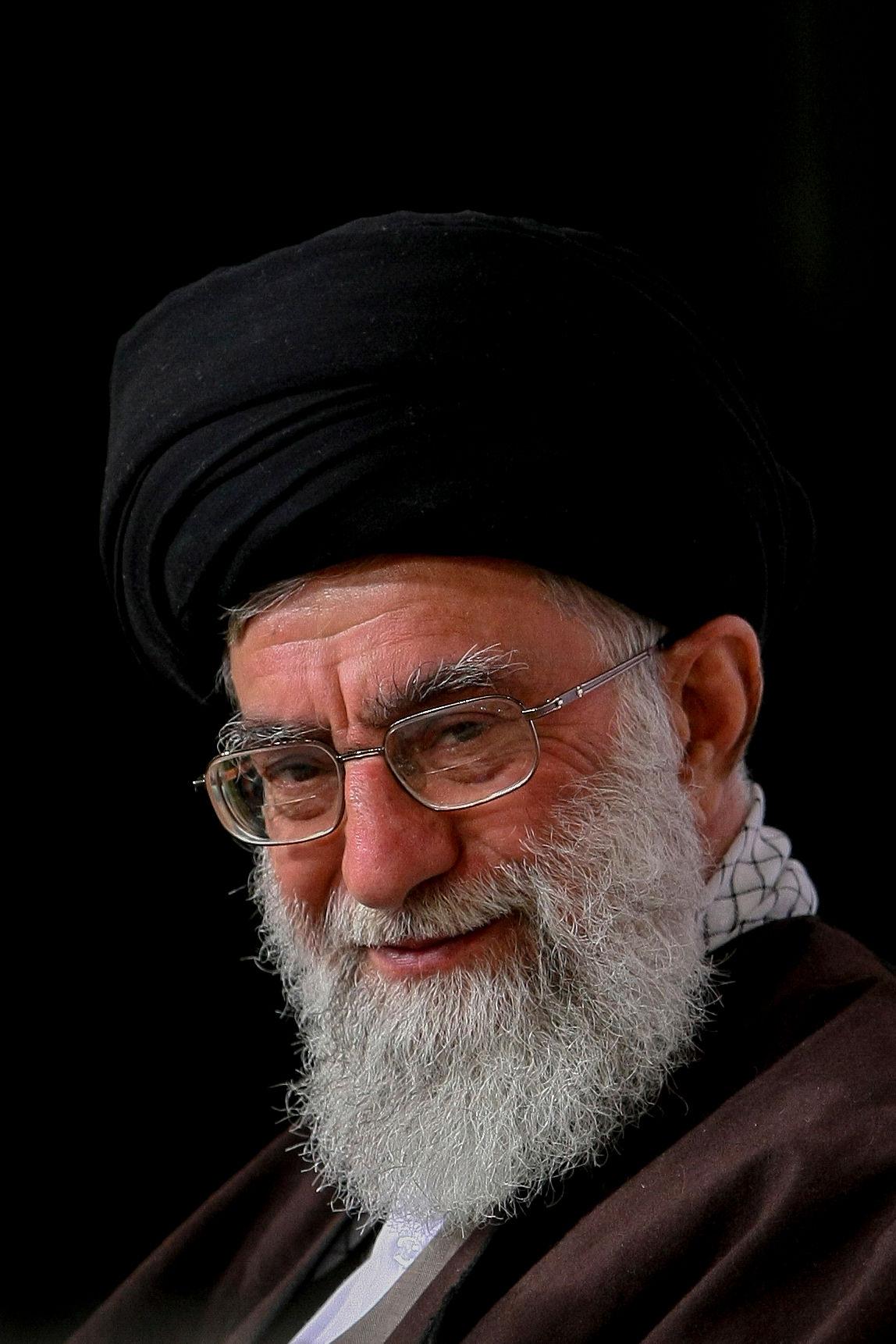
Iranian state media later confirmed that Supreme Leader Ayatollah Ali Khamenei, who had led the Islamic Republic since 1989, was killed in the strikes. This marks an unprecedented moment in Middle Eastern history, ending the tenure of one of Iran’s most pivotal political and religious figures. The operation also reportedly killed senior military commanders and advisers, decimating the central leadership.
Context and Background Leading to the Attack
The Tehran explosion and attack did not occur in isolation. Relations between Iran, the United States, and Israel had been deteriorating amid years of tension over Iran’s nuclear ambitions, regional proxy conflicts, and repeated confrontations with Western powers. Efforts by international mediators to resume nuclear negotiations had stalled, and Iran’s continued missile tests and support for militant groups in neighboring countries heightened global anxieties.
In the weeks leading up to the strikes, intelligence assessments reportedly indicated that Iranian leadership and critical command centers could be targeted effectively in a decisive operation. Strategic planners from both the United States and Israel believed that eliminating Iran’s top leadership might weaken the country’s ability to coordinate hostile activities and accelerate the end of its nuclear program.
Immediate Human and Geopolitical Costs
Beyond the loss of the Supreme Leader, the attack had profound human costs. Local authorities and humanitarian organizations reported hundreds of civilian casualties, including deaths and injuries from explosions that struck densely populated neighborhoods. Eyewitness accounts described devastating scenes in residential areas and public spaces.
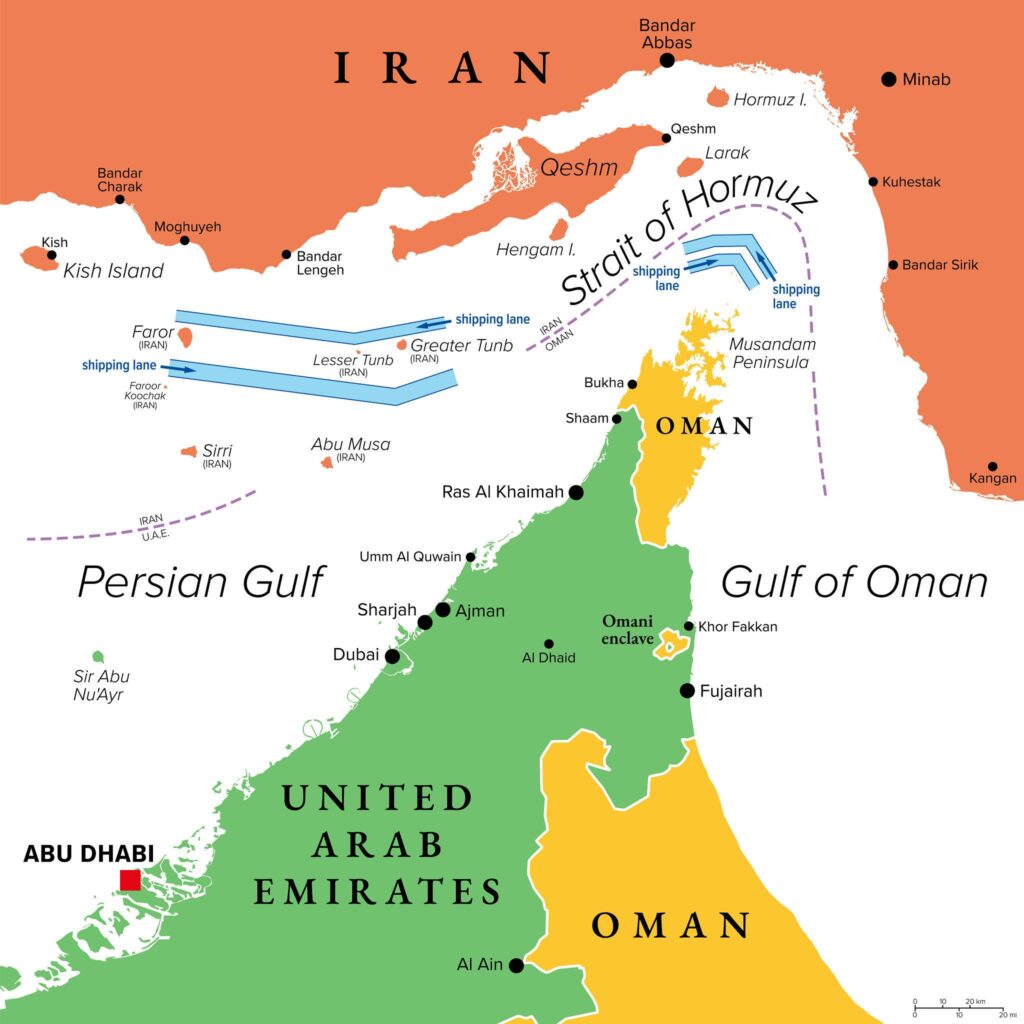
Global markets reacted sharply to the news, with oil prices surging amid fears of supply disruptions from the strategically vital Strait of Hormuz. Major stock exchanges experienced volatility as investors anticipated higher geopolitical risk premiums. Moreover, national leaders worldwide issued statements urging restraint even as some condemned the attacks and others supported decisive action against Tehran’s nuclear ambitions.
Iranian Retaliation and Escalation Risks
Following the explosions in Tehran, Iran launched retaliatory missile and drone strikes targeting U.S. military bases throughout the Middle East, including deployments in Iraq, Qatar, and Gulf Cooperation Council states. Some neighboring airspaces were temporarily closed as defensive systems intercepted incoming missiles, highlighting the broader risk of escalation.
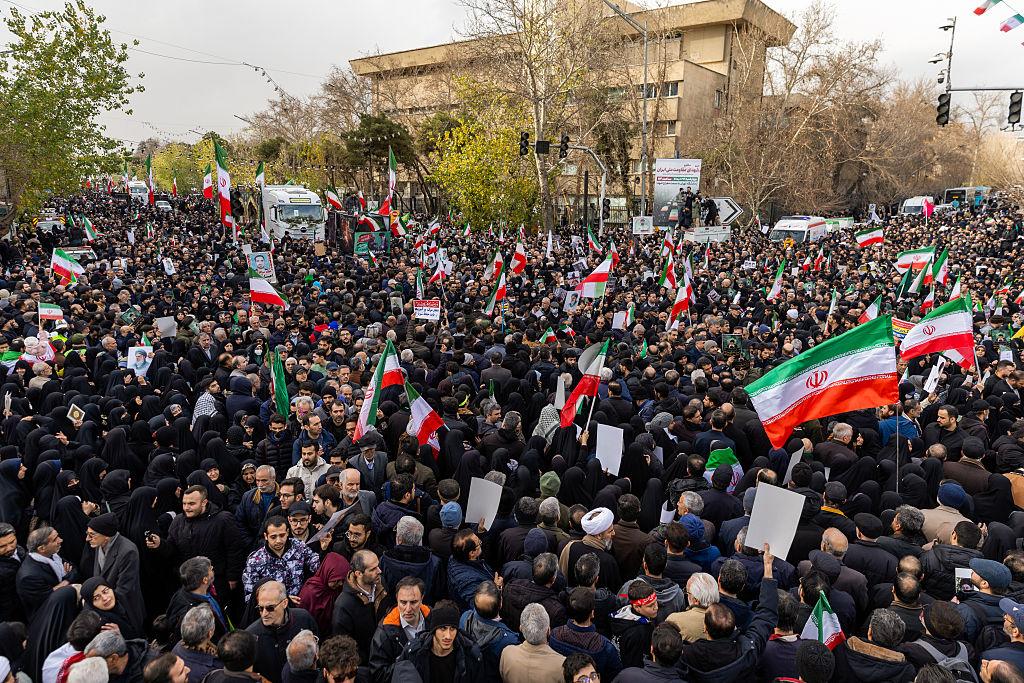
Iranian officials described the strikes as an act of aggression and vowed vengeance, while regional allies of Tehran vowed to support the country’s response. Iran’s president publicly characterized the killing of Khamenei as a declaration of war against Muslims and rallied support from regional actors aligned with Tehran’s political agenda.
Why This Matters Now: Regional Stability and Global Security
The Iran explosion in Tehran and the killing of its Supreme Leader represent a pivotal shift in the Middle East’s geopolitical balance. This operation undermines decades-old power structures in Iran and threatens to redraw regional alliances. With the leadership vacuum now at the forefront, Tehran’s internal dynamics, succession processes, and foreign policy course are all in flux — with unpredictable outcomes.
For the United States and Israel, the attack signals a willingness to use extraordinary military force to counter perceived threats. For global security, it raises urgent questions about escalation thresholds, nuclear proliferation risks, and the future of diplomatic engagement with states considered adversaries. Analysts warn that the world stands at an inflection point, where deterrence strategies, robust alliances, and clear communication channels will be essential to prevent further conflict expansion.
What Comes Next: Succession and Long-Term Consequences
Iran’s constitutional process for succession means that a new Supreme Leader must be appointed by the Assembly of Experts. However, deep political fissures within Iran’s elite and competing factions complicate the selection process. International observers are closely watching how Tehran’s internal power dynamics evolve — whether the regime can maintain unity or fragment under pressure.
Meanwhile, diplomatic efforts are expected to intensify, as countries across the world urge calm and support economic stability. The United Nations and major powers are likely to hold emergency discussions on managing the crisis and preventing further escalation. Effective de-escalation will require careful negotiations, mutual understanding of regional security concerns, and reassurances that global tensions will not trigger broader military confrontations.
A Defining Moment With Lasting Impact
The Iran explosion in Tehran and the subsequent death of Ayatollah Khamenei signal a critical juncture in Middle Eastern history, reshaping power relations and prompting urgent diplomatic recalibration. The immediate humanitarian toll and geopolitical repercussions underscore the fragile nature of regional stability and the global stakes involved.
Subscribe to trusted news sites like USnewsSphere.com for continuous updates.